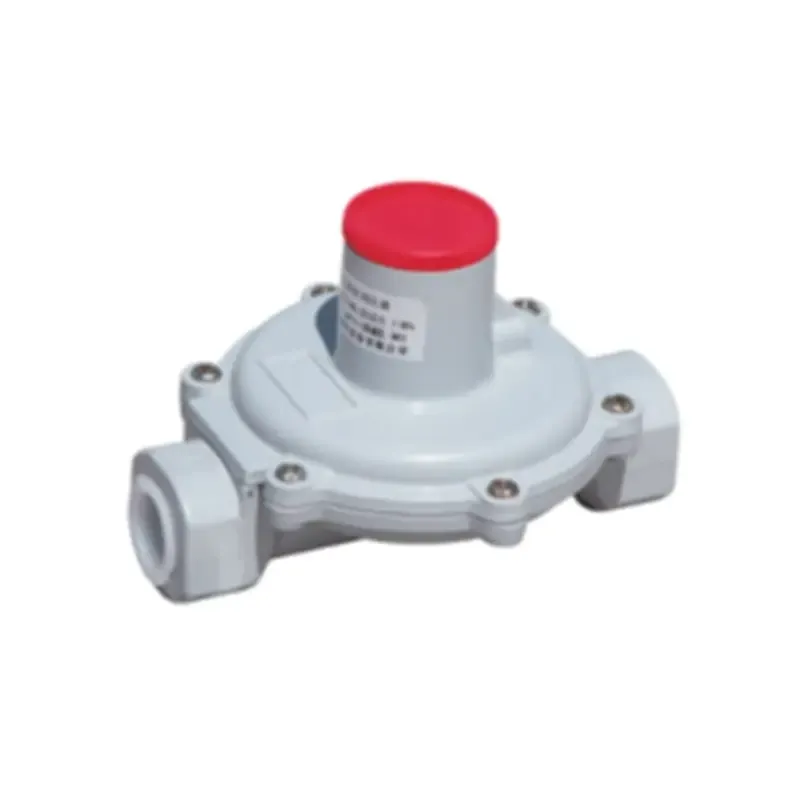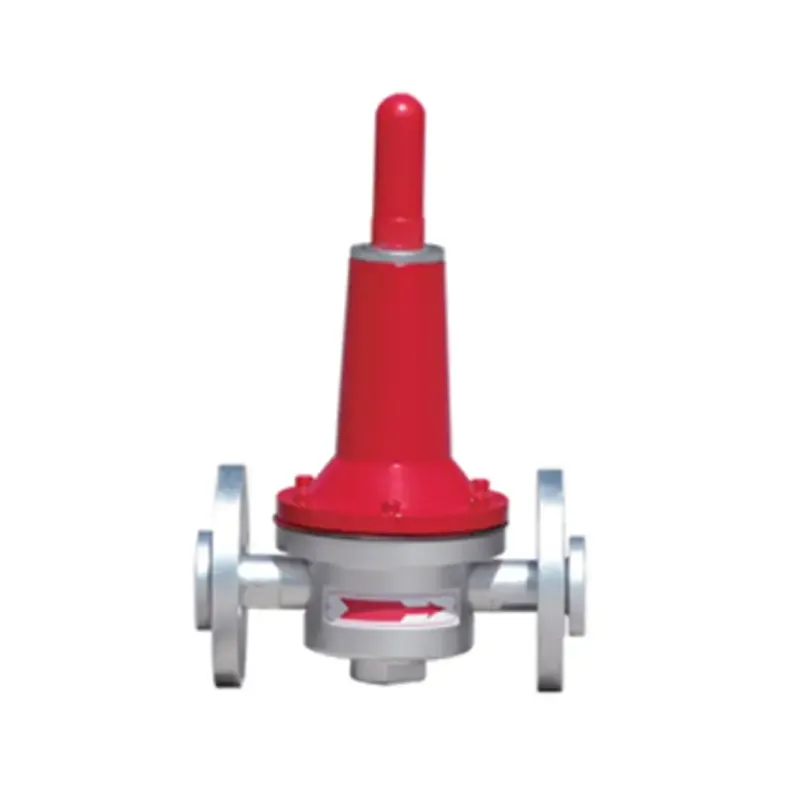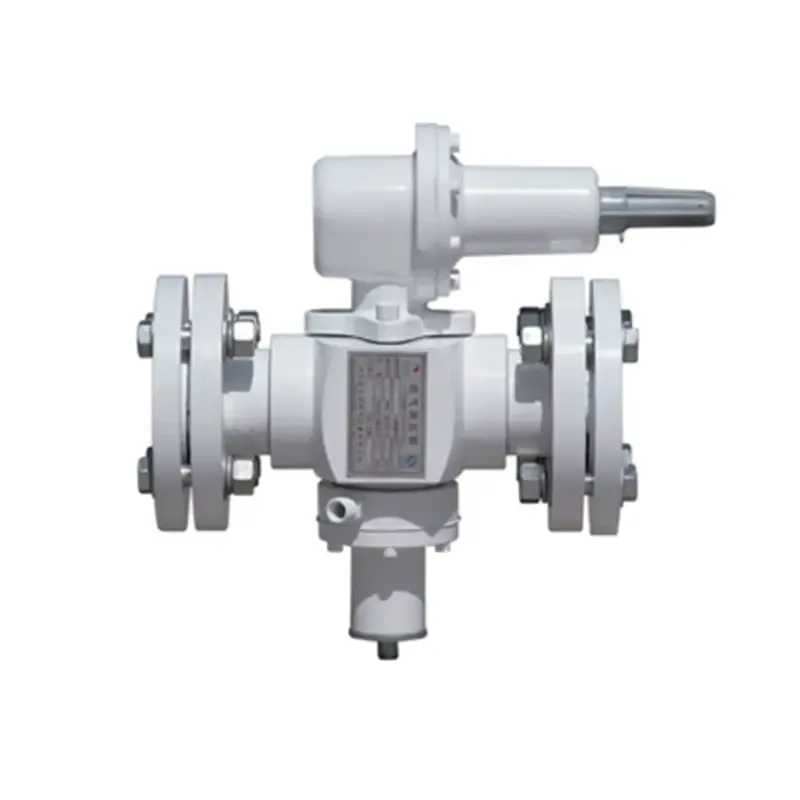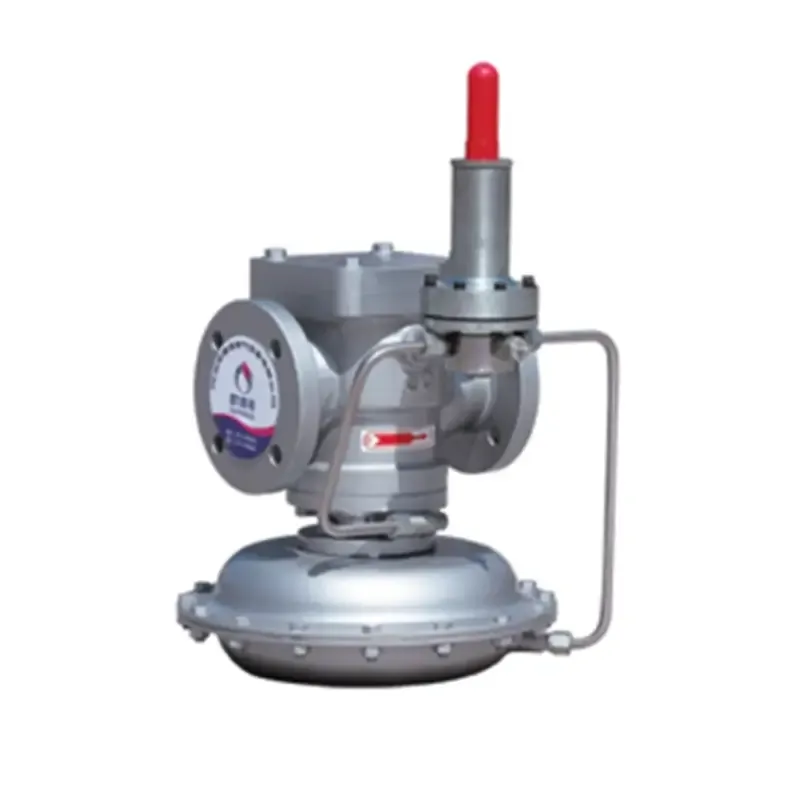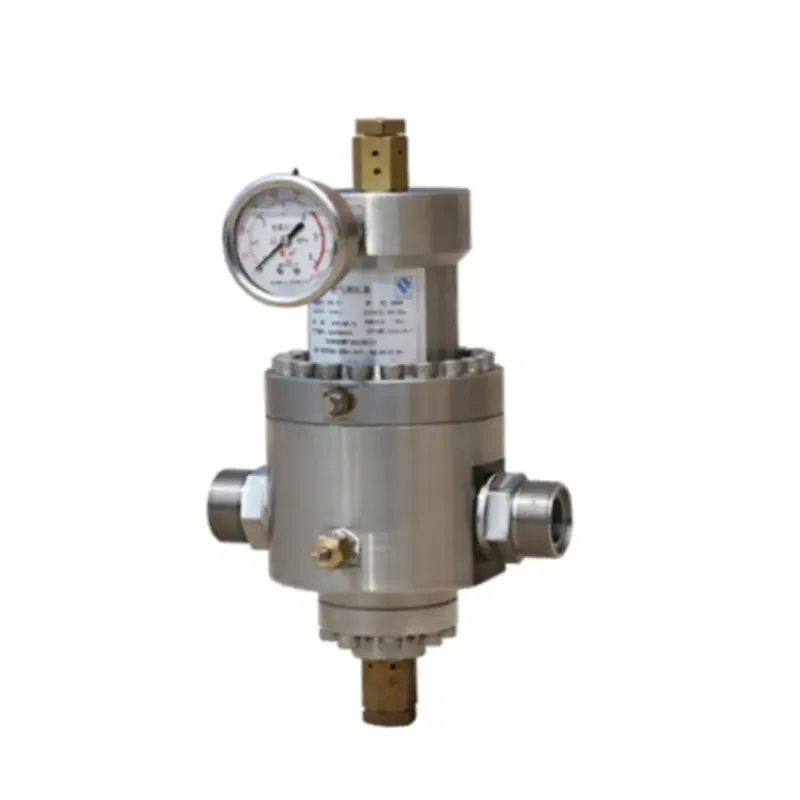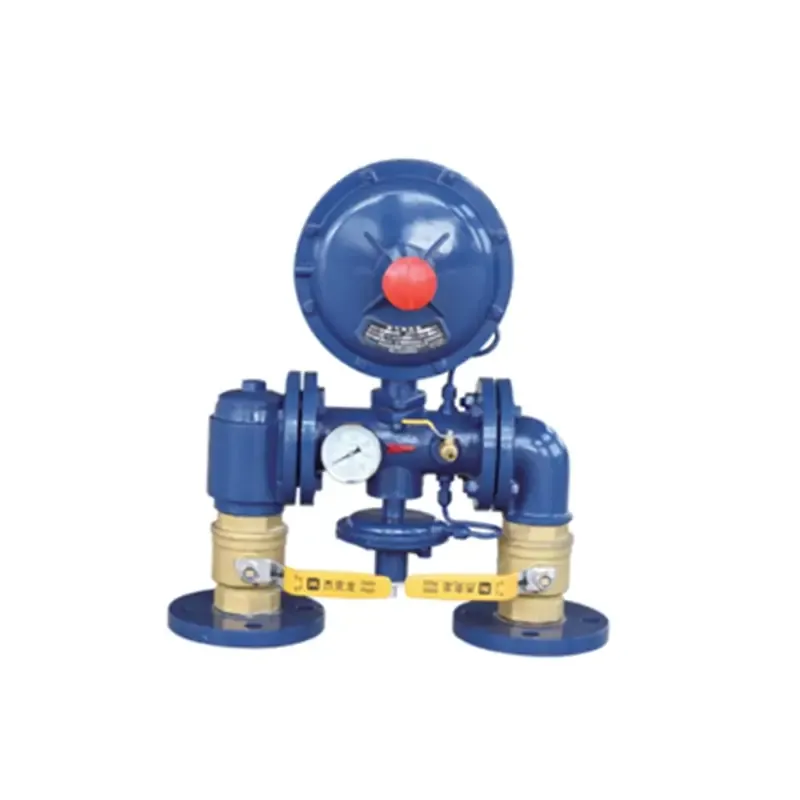
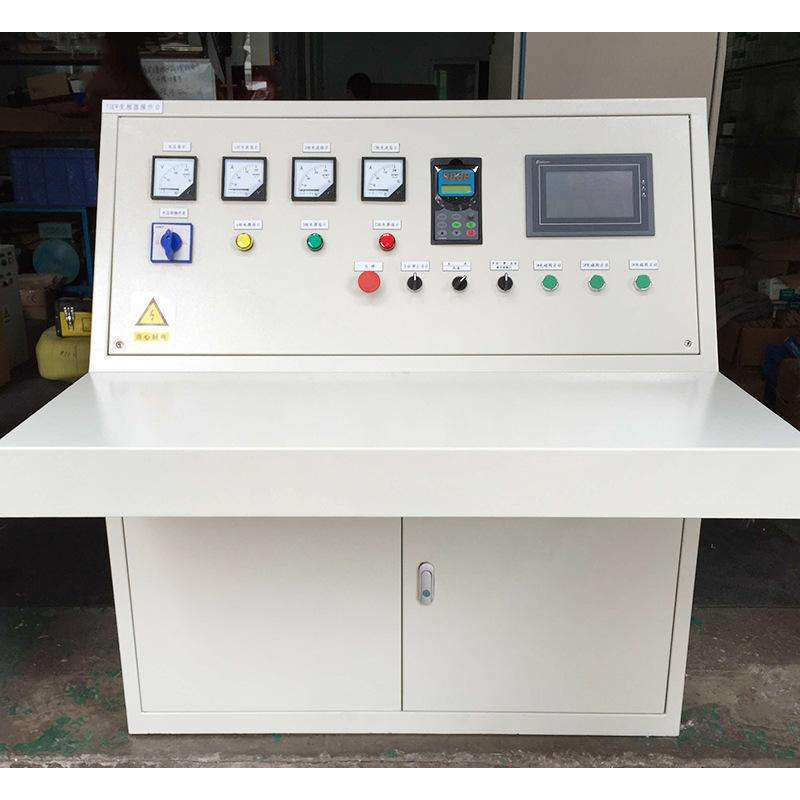
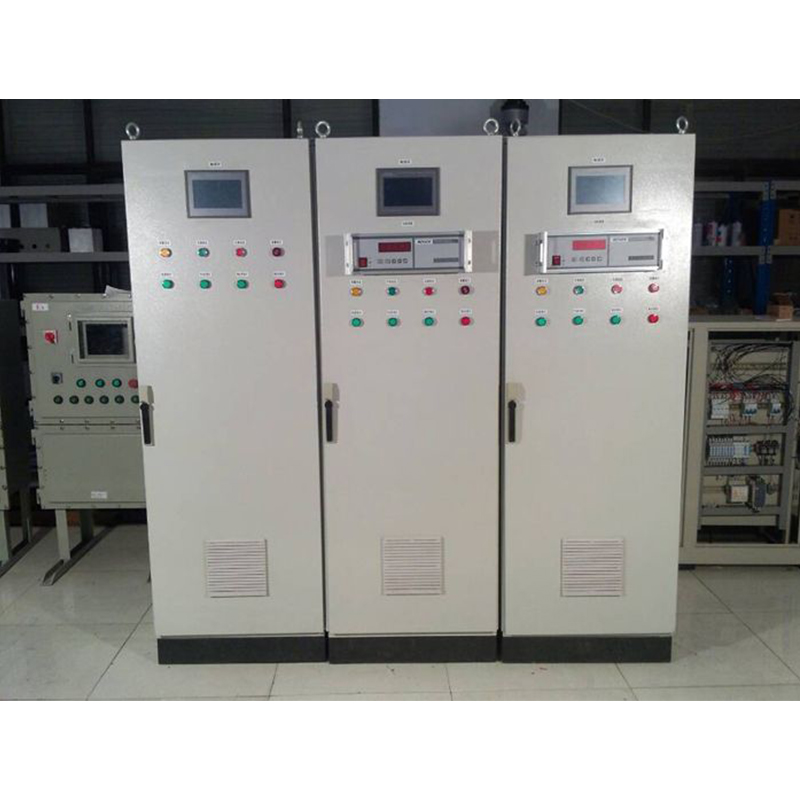
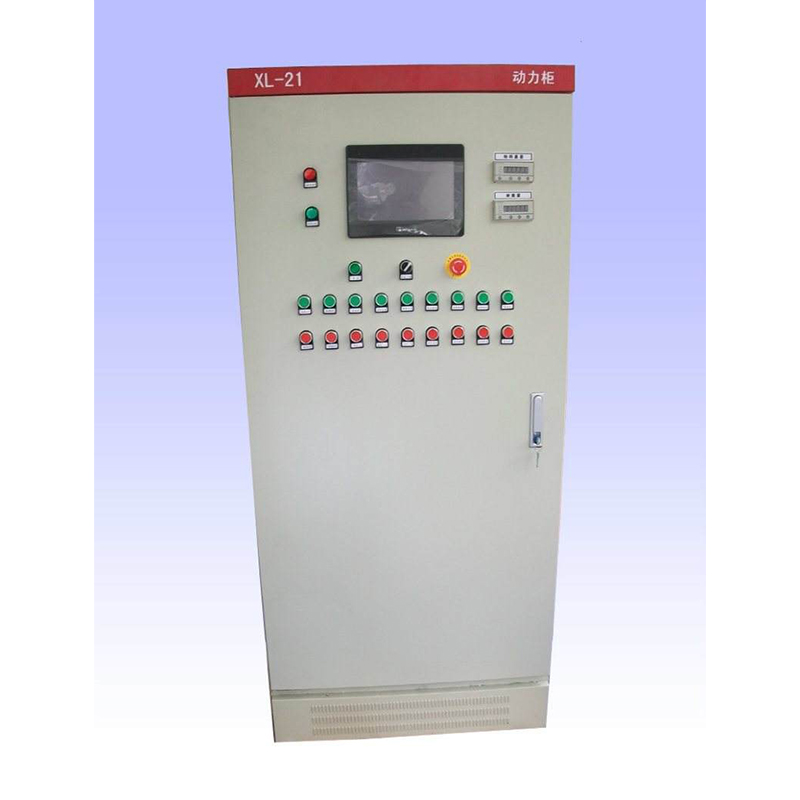
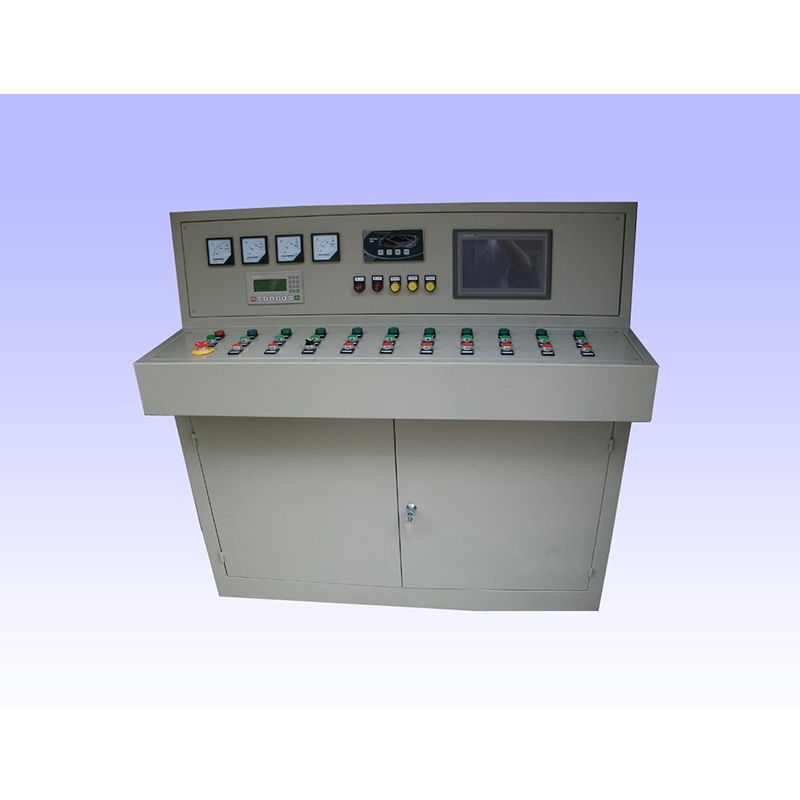
Our company can design and customize remote control system for various gas equipment, as well as large-scale central control system, including CNG, LNG and city portal station. The core of pressure regulating box (cabinet), etc. is PLC microcomputer processing unit, intelligent control instrument and optimized control software, with high degree of system automation and simple operation.
Data Transfer: It can be divided into data line transmission and RTU wireless transmission.
Power supply mode: The 220V power supply can also realize the power supply demand through solar panel+UPS.
Realizing the automatic shutdown of the equipment; Display of working parameters; Accident alarm; Automatically controlling the heat exchange temperature of equipment and cutting off at low temperature; Ultra-high pressure and ultra-low pressure cut-off, etc.; The software can also be programmed according to different process flows.
The core part of the system adopts Internet of Things technology, 4G, NB-IoT, Wifi, wired and wireless communication modes to realize the function of remote data transmission; Realizing the timing acquisition and the timing uploading of the data; The system has sleep and timing wake-up functions; For remote transmission devices that operate by battery, the battery operation time shall not be less than two years.
The intelligent gas Internet of Things cloud platform is applied to equipment monitoring and management, which makes full use of the existing SCADA data acquisition system to comprehensively detect, acquire, analyze record and automatically save all gas sites such as the storage station, pressure reducing station, LNG tank process area monitoring, tank car gas release system, auxiliary heat equipment, gasification equipment, pressure reducing metering equipment and odorizing equipment, and can seamlessly fuse the existing personnel safety positioning system, visual screen inspection system and safety perimeter system, so as to digitize the equipment operation process and safety management;
So that the accidents can be prevented, the occurrence can be traced, and can be monitored and viewed at any time and any place, and the data can be uploaded in real time to meet various functional requirements of fixed monitoring as well as mobile phone APP management of the gas company.
How does a natural gas system work?
A natural gas system is a network designed to safely transport, regulate, and deliver natural gas from production sites to end users, such as homes, businesses, and industrial facilities. Its operation involves several stages: production, processing, transmission, distribution, and consumption.
The process begins at natural gas wells, where gas is extracted along with oil, water, and other hydrocarbons. The raw gas is sent to a processing plant, where impurities such as water, carbon dioxide, hydrogen sulfide, and heavy hydrocarbons are removed. This ensures the gas meets quality and safety standards for pipeline transport.
After processing, the gas enters high-pressure transmission pipelines, which transport it over long distances. Compressor stations are installed along the pipeline to maintain adequate pressure and flow rate. Pressure regulators and safety valves ensure that the system operates within safe limits, preventing overpressure and leaks.
Once near consumption areas, the gas enters distribution networks, consisting of medium- and low-pressure pipelines. City gate stations reduce the high transmission pressure to levels suitable for homes or businesses. Distribution lines branch out to individual users, often passing through service regulators to further reduce pressure to the appliance level.
End users consume natural gas for heating, cooking, electricity generation, or industrial processes. Metering stations measure gas usage for billing, and safety devices such as shut-off valves, pressure regulators, and leak detectors protect against accidents.
Throughout the system, safety, monitoring, and maintenance are critical. Operators use sensors, SCADA systems, and regular inspections to detect leaks, maintain pressure, and ensure continuous, safe delivery of natural gas.
In summary, a natural gas system works by extracting, processing, transmitting, distributing, and safely delivering gas to consumers, with pressure control, safety devices, and monitoring at each stage to ensure reliability and safety.
Natural gas regulator for house
A natural gas regulator for a house is a safety device that controls and maintains the pressure of natural gas supplied to residential appliances. Natural gas from utility pipelines is delivered at relatively high pressure, which is too strong for home appliances such as stoves, water heaters, furnaces, or fireplaces. The regulator reduces this pressure to a safe, usable level, ensuring proper appliance operation and preventing leaks or hazards.
The regulator is typically installed near the gas meter at the point where the utility supply enters the home. It consists of a spring-loaded diaphragm or piston mechanism that automatically adjusts the gas flow to maintain a consistent downstream pressure, regardless of fluctuations in supply pressure or gas demand. Most residential regulators are designed to deliver gas at a standard pressure, usually around 7 to 14 inches of water column (0.25 to 0.5 psi), which is suitable for household appliances.
Safety features are integral to gas regulators. Many include built-in relief valves or venting mechanisms to release excess pressure if the regulator fails. Some regulators have a vent that allows gas to escape safely outdoors, preventing the buildup of flammable gas inside the home. Additionally, regulators are designed for low maintenance and long service life, but they should be inspected periodically for corrosion, leaks, or damage.
Installation and replacement must comply with local codes and utility requirements. Properly installed regulators ensure stable gas pressure, efficient appliance performance, and safety for household members. A malfunctioning or improperly installed regulator can lead to appliance failure, gas leaks, or fire hazards.
In summary, a natural gas regulator for a house is a critical device that reduces high-pressure utility gas to a safe, usable level, protects appliances, and ensures safe operation, with features designed to handle pressure fluctuations and prevent hazards.
Cng lng and city portal station map
A CNG, LNG, and city portal station map is a visual representation of the locations and distribution networks of compressed natural gas (CNG) stations, liquefied natural gas (LNG) facilities, and urban natural gas access points. These maps are important for planning fuel infrastructure, supporting fleet operations, and promoting alternative fuel usage in cities and industrial regions.
CNG stations are designed to compress natural gas to high pressures (typically 200–250 bar) for vehicle refueling. They are commonly located along highways, in urban centers, or near fleet depots, serving buses, taxis, trucks, and private vehicles. The map highlights fast-fill stations for quick public refueling and time-fill stations for overnight fleet refueling.
LNG stations store and dispense liquefied natural gas, which is natural gas cooled to –162°C, reducing its volume for easier storage and transportation. LNG stations are often found near industrial facilities, ports, or long-haul truck corridors, where high-capacity refueling is required. They may also serve regions where pipeline gas supply is limited or distant.
City portal stations are key nodes in urban gas distribution networks. These facilities act as control and metering points where natural gas enters the city’s distribution system from transmission pipelines. They reduce pressure, monitor flow, and ensure safe delivery to residential, commercial, and industrial customers.
A combined map allows planners, fleet operators, and government authorities to visualize the natural gas infrastructure, identify gaps, optimize routes for CNG/LNG vehicles, and coordinate emergency response and maintenance. Digital maps often integrate GIS technology, showing real-time operational status, station capacity, and accessibility.
In summary, a CNG, LNG, and city portal station map provides a comprehensive overview of natural gas refueling and distribution points, supporting efficient fuel logistics, infrastructure planning, and safe urban gas management.
gas pressure reducer
gas pressure reducing valve
natural gas pressure reducer
natural gas pressure reducing valve
pressure regulating valve
regulating valve
Write your message here and send it to us
Products categories