


Feb . 28, 2026 01:55
Back to list
Comprehensive Guide to Gas Valves Selection Types and Safety Considerations
Understanding Gas Valves: A Comprehensive Guide
Gas valves are essential components in any gas system, regulating the flow of gas to appliances and ensuring safe operation. Choosing the right gas valve is critical for both efficiency and safety. This article provides a detailed overview of gas valves, including their types, applications, and key considerations for selection. Understanding these valves helps ensure the reliable and safe use of gas in residential, commercial, and industrial settings.
Types of Gas Valves
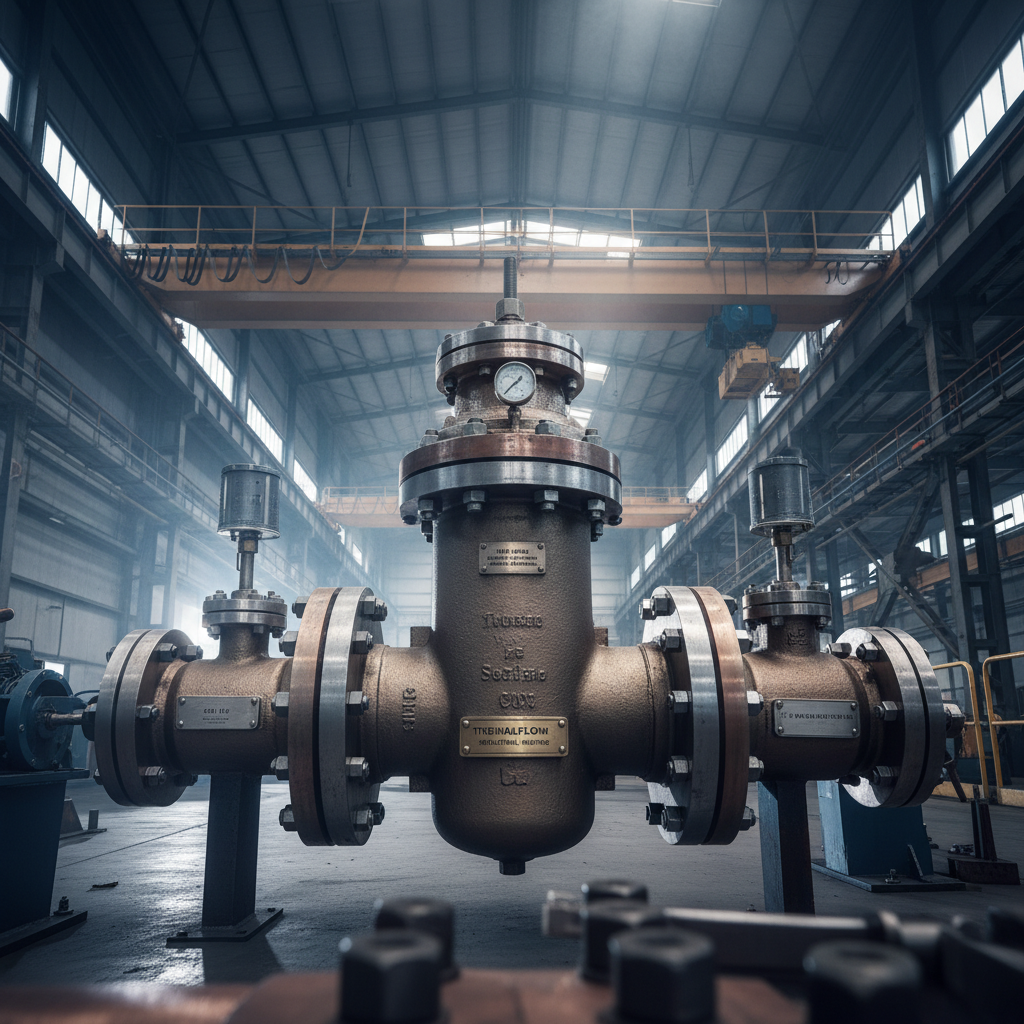
Several types of gas valves cater to different applications. Ball valves provide quick shut-off, while gate valves offer precise flow control. Globe valves are ideal for regulating flow, and butterfly valves are commonly used in large-diameter pipelines. Solenoid valves use an electric current to control gas flow, enabling automated systems. Each type possesses unique characteristics suited for specific tasks. Selecting the correct type ensures optimal performance and safety within a given gas system. Gasouyinuo provides a diverse range of gas valves to suit various needs.
Key Takeaway: Proper valve selection is crucial for efficient gas flow and system safety. Understanding the different types allows for informed decisions based on application requirements.
Applications of Gas Valves
Gas valves are widely used across various sectors. In residential settings, they control gas supply to furnaces, water heaters, and cooking appliances. Commercial buildings utilize them in HVAC systems, industrial processes, and emergency power generators. Industrial applications include chemical processing, power generation, and oil & gas refining. The specific requirements of each application dictate the valve type, size, and material. Proper installation and maintenance are vital for ensuring continued safe and reliable operation.
Application Areas:
• Residential Heating & Cooking
• Commercial HVAC Systems
• Industrial Processes
• Emergency Power Generators
Gas Valve Comparison: Features & Benefits
Choosing the right gas valve hinges on understanding the distinctions between different types. Here’s a comparison highlighting key features and benefits to aid in your decision-making process.
Factors to Consider When Selecting a Gas Valve
Several factors influence the selection of the appropriate gas valve. Gas type (natural gas, propane, etc.) dictates material compatibility. Pressure requirements determine the valve's pressure rating. Flow rate dictates the valve's size. Environmental conditions, such as temperature and humidity, must also be considered. Safety certifications, like those from recognized standards organizations, are crucial for ensuring compliance. Consulting with a qualified professional can help navigate these complexities and ensure optimal valve selection.
Maintenance and Safety Tips
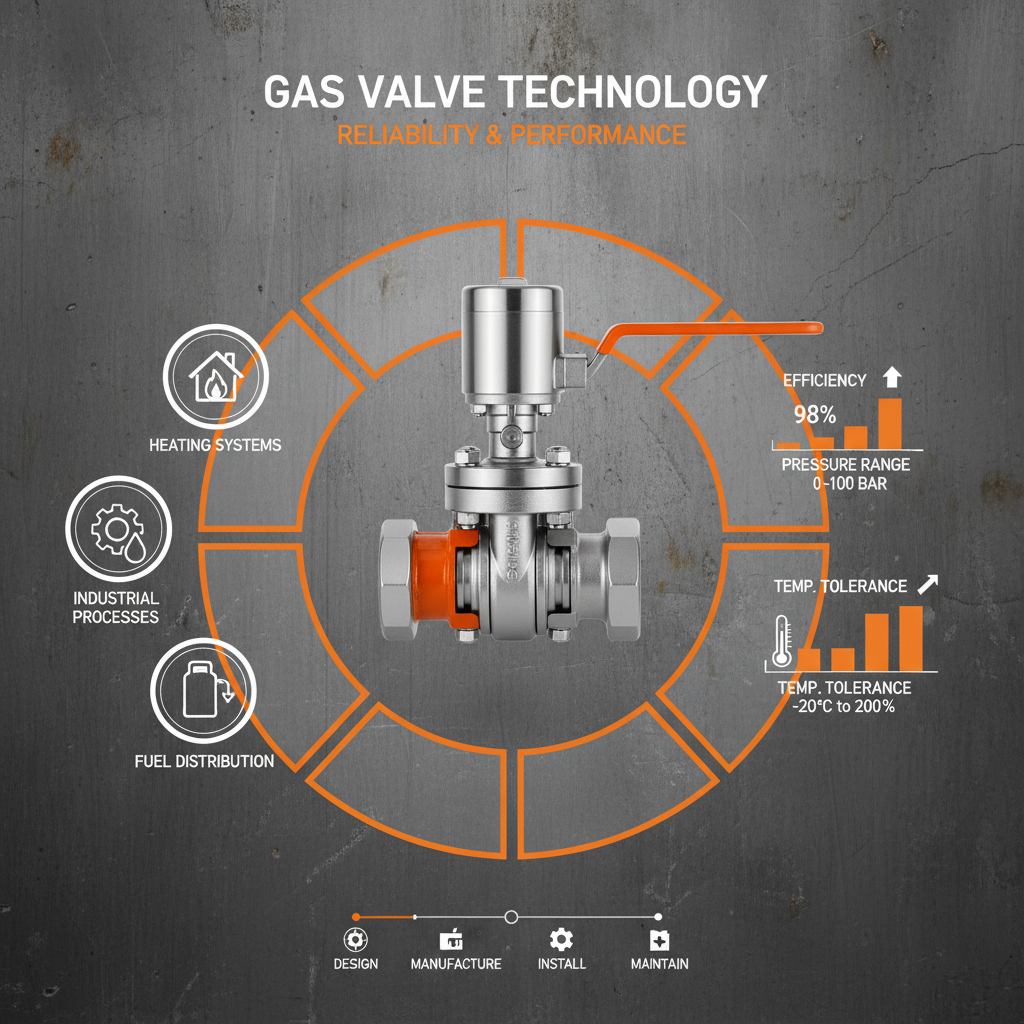
Regular inspection and maintenance are vital for ensuring the longevity and safety of gas valves. Look for signs of corrosion, leaks, or damage. Periodically test the valve's operation to ensure it opens and closes smoothly. Never attempt to repair a gas valve yourself; always contact a qualified technician. Ensure proper ventilation in areas with gas appliances. Install carbon monoxide detectors as a precautionary measure. Prioritizing safety is paramount when dealing with gas systems.
Conclusion: Ensuring Safe and Efficient Gas Systems
Choosing the right gas valve is a critical component of a safe and efficient gas system. Understanding the various types, applications, and safety considerations outlined in this guide empowers you to make informed decisions. Gasouyinuo is committed to providing high-quality gas valves and expert support to ensure the safety and reliability of your gas systems.
Frequently Asked Questions (FAQs)
What materials are gas valves typically made from?
Gas valves are commonly constructed from brass, stainless steel, and cast iron due to their durability, corrosion resistance, and compatibility with various gas types. The specific material selection depends on the gas being handled, the operating pressure, and the environmental conditions. For example, stainless steel is often preferred for corrosive environments, while brass is widely used in residential applications. Gasouyinuo offers valves constructed from a range of materials to suit diverse needs.
How often should gas valves be inspected?
Gas valves should be visually inspected at least once a year, and preferably during routine maintenance of gas appliances. Look for signs of corrosion, damage, or gas leaks. A professional gas technician should perform a more thorough inspection every few years, including testing the valve's operation and checking for internal wear. Early detection of issues can prevent hazardous situations and ensure optimal performance.
What safety features should I look for in a gas valve?
Key safety features include a robust construction to withstand pressure fluctuations, a tight shut-off mechanism to prevent gas leaks, and compliance with relevant safety standards (e.g., CSA, UL). Look for valves with a clear indication of their open and closed positions. Solenoid valves often include fail-safe mechanisms that automatically shut off gas flow in the event of a power failure. Always prioritize valves certified by reputable organizations.
Can I replace a gas valve myself?
Replacing a gas valve is a task best left to qualified and licensed gas technicians. Incorrect installation can lead to dangerous gas leaks, posing a significant safety risk. Gas work often requires permits and must adhere to local codes and regulations. A professional will ensure the valve is properly installed, tested, and meets all safety requirements. It's always better to prioritize safety and seek expert assistance.
Latest news
-
Industrial Natural Gas Pressure Reducing Valve Guide and SelectionNewsApr.16,2026
-
Understanding the Industrial Regulating Valve for Fluid ControlNewsApr.09,2026
-
Understanding Gas Pressure Reducer Types Applications and Safety MeasuresNewsApr.07,2026
-
Understanding and Optimizing Gas Pressure Reducing Valve SystemsNewsApr.04,2026
-
Optimizing System Performance with the Right Filter Separator SelectionNewsMar.31,2026
-
Comprehensive Guide to Understanding and Utilizing Pressure Pipe SystemsNewsMar.28,2026