Regulating valves are integral components in a vast array of industrial processes, playing a critical role in controlling flow rates of liquids, gases, and steam. Their reliable operation is foundational to ensuring process efficiency, safety, and product quality across sectors like oil and gas, chemical processing, power generation, and water treatment. The increasing demand for precise control, energy efficiency, and automation is driving continuous innovation in regulating valve technology.
Globally, the market for regulating valves is significant and continues to grow. According to a recent report by MarketsandMarkets, the regulating valve market was valued at USD 9.1 billion in 2023 and is projected to reach USD 12.5 billion by 2028, growing at a CAGR of 6.7% during the forecast period. This growth is fueled by expanding infrastructure projects, particularly in emerging economies, and the increasing need for sophisticated process control systems. The need for optimizing resource use and minimizing environmental impact is also a key driver for adoption of advanced regulating valve solutions.
The importance of regulating valve systems extends beyond purely industrial applications. They are vital in ensuring the safe and efficient delivery of essential services like water and energy, and are becoming increasingly important in humanitarian applications such as disaster relief and providing access to clean water in developing regions. Understanding the principles of operation, different types, and latest advancements in regulating valve technology is paramount for professionals across multiple disciplines.
The Significance of Regulating Valve Technology
The efficient and reliable operation of industrial processes hinges on precise flow control, and regulating valves are the cornerstone of achieving this. They enable operators to maintain desired process conditions, preventing costly errors, ensuring product consistency, and maximizing throughput. Their widespread use across diverse sectors demonstrates their fundamental importance to modern manufacturing and infrastructure.
The advancement of regulating valve technologies directly translates to improvements in energy efficiency, reduced waste, and enhanced safety. Innovations such as smart valves with integrated sensors and diagnostic capabilities allow for proactive maintenance, minimizing downtime and optimizing performance over the lifecycle of the equipment. This contributes significantly to sustainable industrial practices.
Global Context and Industrial Applications
The demand for regulating valves is intrinsically linked to global industrial output and infrastructure development. Rapid industrialization in emerging economies like China, India, and Southeast Asia is driving substantial growth in the market. These regions are investing heavily in upgrading their manufacturing facilities and expanding their energy infrastructure, creating a significant need for advanced flow control solutions.
Furthermore, the ongoing energy transition and the increasing focus on renewable energy sources are creating new opportunities for regulating valve manufacturers. Wind and solar power plants, as well as hydrogen production facilities, all require sophisticated flow control systems to optimize performance and ensure safety. The stringent regulations regarding emissions and environmental protection also contribute to the demand for high-precision regulating valves.
Industries heavily reliant on regulating valves include oil and gas (refining, processing, transportation), chemical processing (reaction control, distillation, separation), power generation (steam control, water treatment), pharmaceuticals (precise dosing, sterile processing), and water and wastewater treatment (flow distribution, pressure regulation). The specific requirements for each application vary, leading to a diverse range of valve types and configurations.
Defining and Understanding Regulating Valves
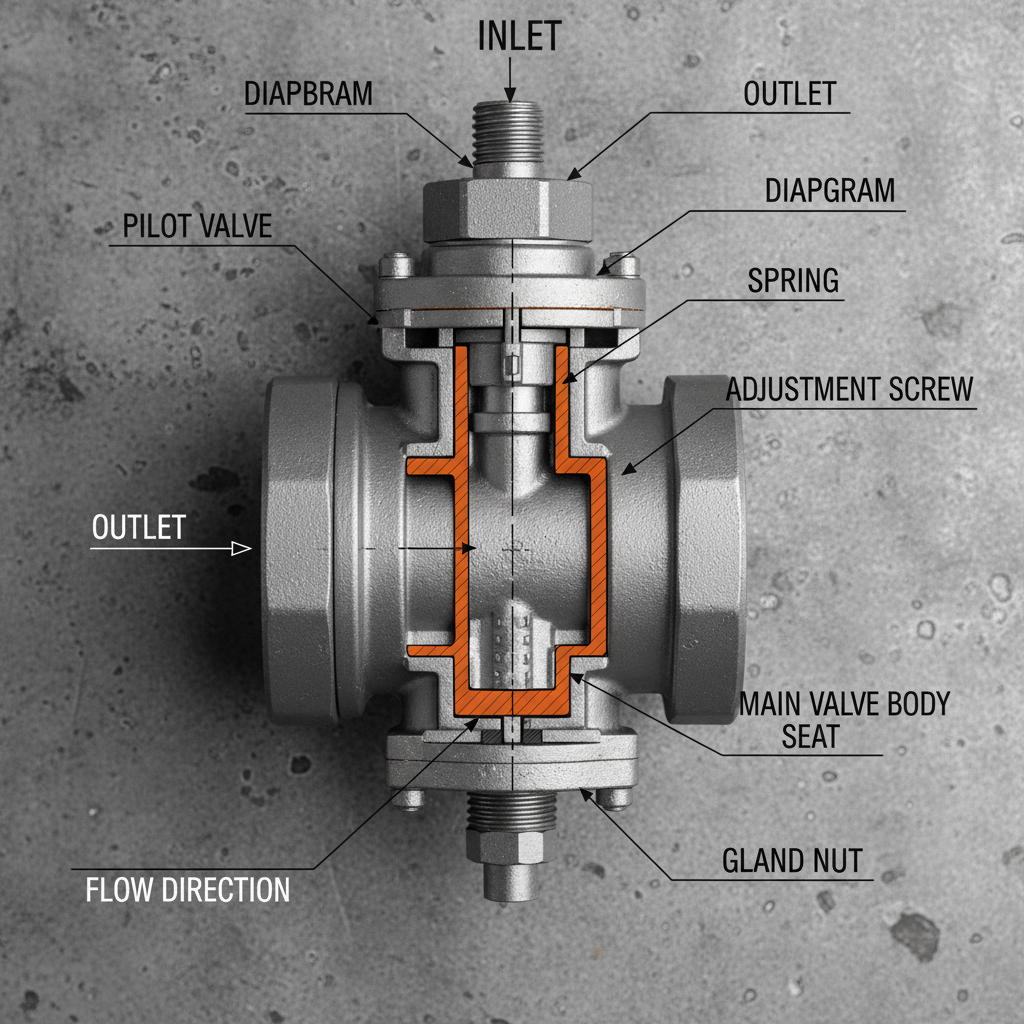
A regulating valve, in its simplest form, is a valve used to control the flow of a fluid (liquid or gas) by varying the size of the flow passage. Unlike isolation valves that are either fully open or fully closed, regulating valves are designed to operate in intermediate positions, modulating the flow rate in response to changes in process conditions. They are typically actuated by a control signal, which can be pneumatic, electric, or hydraulic.
The connection to modern industry and humanitarian needs is profound. In manufacturing, regulating valves maintain precise process parameters, directly affecting product quality and efficiency. In water treatment plants, they ensure a consistent and safe supply of drinking water. In disaster relief, portable regulating valve systems can be crucial for establishing temporary water purification and distribution networks.
Essentially, regulating valves are the ‘throttles’ of industrial processes, acting as dynamic interfaces between control systems and the physical world, ensuring that fluids flow at the desired rate and pressure to achieve optimal outcomes.
Key Factors in Regulating Valve Performance
Several key factors determine the performance and suitability of a regulating valve for a specific application. These include durability, referring to the valve’s ability to withstand harsh operating conditions, corrosive fluids, and high pressures over an extended period. Material selection (stainless steel, alloys, polymers) is critical for ensuring long-term reliability.
Another crucial factor is accuracy – the ability of the valve to consistently deliver the desired flow rate with minimal deviation. This depends on the valve’s internal design, the precision of its actuator, and the quality of its control signal. Response time, or how quickly the valve can react to changes in the control signal, is also vital in dynamic processes.
Regulating Valve Performance Metrics
Applications Across Global Industries
The oil and gas industry utilizes regulating valves extensively for processes like crude oil refining, natural gas processing, and pipeline transportation. They manage flow rates, control pressure, and ensure safe operation of critical equipment. In the chemical industry, these valves are integral to reaction control, distillation, and separation processes, demanding high precision and corrosion resistance.
Power generation plants rely on regulating valves for steam control, water treatment, and combustion air regulation, optimizing efficiency and minimizing emissions. The pharmaceutical industry demands extremely accurate and sanitary flow control for precise dosing and sterile processing. Furthermore, in remote industrial zones, the reliability of these valves is paramount, as downtime can be exceptionally costly and difficult to address.
Advantages and Long-Term Value Proposition
Investing in high-quality regulating valve systems delivers a multitude of benefits. Cost savings arise from optimized process efficiency, reduced energy consumption, and minimized downtime due to proactive maintenance enabled by smart valve technology. Sustainability is enhanced through reduced waste, lower emissions, and improved resource utilization.
The long-term value extends beyond purely economic factors. Reliable flow control contributes to enhanced safety, protecting personnel and the environment. The precision and consistency offered by advanced regulating valves improve product quality, fostering customer trust and brand reputation. Investing in innovation drives continuous improvement and positions businesses for long-term success.
Future Trends and Innovation in Regulating Valves
The future of regulating valve technology is shaped by several key trends. Digitalization is driving the development of ‘smart valves’ with integrated sensors, wireless communication, and predictive maintenance capabilities. These valves provide real-time data on performance, enabling proactive diagnostics and optimized control. The use of advanced materials, such as corrosion-resistant alloys and high-performance polymers, is expanding the range of applications and increasing valve lifespan.
Automation and artificial intelligence (AI) are being integrated into valve control systems, allowing for self-tuning and adaptive control strategies. These systems can learn from historical data and optimize performance based on changing process conditions. Furthermore, the focus on green energy and sustainability is driving demand for valves designed for hydrogen production, carbon capture, and other environmentally friendly applications.
New valve designs, such as microfluidic valves, are emerging for specialized applications requiring extremely precise flow control in miniature devices. The integration of 3D printing technology is enabling the rapid prototyping and customization of valves to meet specific customer needs.
FAQS
When dealing with corrosive fluids, material selection is paramount. Consider valves constructed from corrosion-resistant alloys like stainless steel (316, 304L), Hastelloy, or titanium. Also, evaluate the valve's lining materials (e.g., PTFE, PFA) to ensure compatibility with the fluid. Valve body design, minimizing crevices where corrosion can initiate, is also important. Check the valve’s corrosion resistance data sheet, specific to the corrosive agent, and select a valve designed for that particular environment.
Incorrect valve sizing can lead to several performance issues, including excessive pressure drop, cavitation, flashing, and noise. A valve that is too small will restrict flow and cause a significant pressure drop, while a valve that is too large may be difficult to control accurately. Proper valve sizing requires a thorough understanding of the system’s flow rate, pressure, and fluid properties. Use appropriate sizing calculations, and consult with a valve expert if needed.
Globe valves are generally preferred for precise flow regulation due to their throttling characteristics. The disc moves perpendicular to the flow, providing fine control. Ball valves, while excellent for on/off service, are less suitable for modulating flow, as they have a limited throttling range and can cause erosion if used extensively in a partially open position. Ball valves offer lower pressure drop when fully open.
Regular maintenance is key to extending valve lifespan. Implement a preventive maintenance schedule that includes visual inspections, lubrication, and testing. Ensure proper installation and alignment to minimize stress on the valve body. Protect valves from extreme temperatures and corrosive environments. Promptly address any leaks or malfunctions. Consider implementing a condition monitoring program to detect potential issues before they lead to failure.
Digital regulating valves offer several advantages, including improved accuracy, enhanced diagnostics, and remote control capabilities. They can be integrated into digital control systems, enabling automated optimization of flow rates and pressure. Digital valves also provide real-time data on valve performance, allowing for predictive maintenance and reduced downtime. They often have self-tuning features for optimal operation.
Cavitation occurs when a rapid pressure drop creates vapor bubbles in the fluid, which then collapse violently, causing erosion and noise. To prevent cavitation, ensure the valve is properly sized to avoid excessive pressure drop. Select a valve trim design that minimizes pressure recovery. Maintain sufficient upstream pressure. Consider using a multi-stage valve or a specialized anti-cavitation trim. A properly sized and selected regulating valve is crucial for preventing this damaging phenomenon.
Conclusion
In summary, regulating valves are fundamental components in modern industrial processes and vital for ensuring safe, efficient, and sustainable operations across a wide range of sectors. Their performance is determined by a complex interplay of factors, including material selection, accuracy, response time, and proper sizing. The ongoing advancements in digital technology and materials science are driving innovation in this field, leading to smarter, more reliable, and more efficient valve solutions.
Looking ahead, the continued emphasis on automation, sustainability, and the energy transition will further fuel the demand for advanced regulating valve technologies. Investing in high-quality valves, implementing robust maintenance programs, and embracing innovative solutions will be crucial for businesses seeking to optimize their processes, reduce costs, and maintain a competitive edge. Visit our website at www.gasouyinuo.com to learn more about how we can help you with your regulating valve needs.