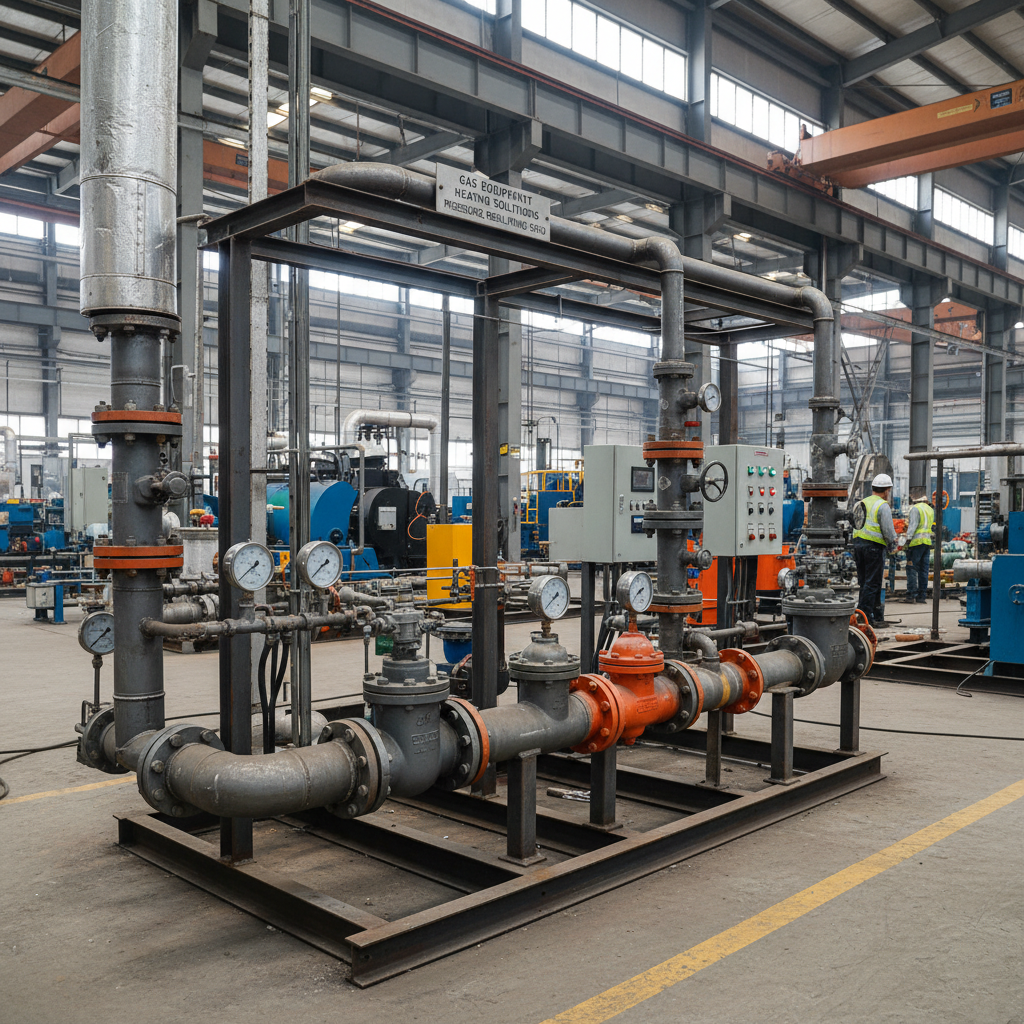
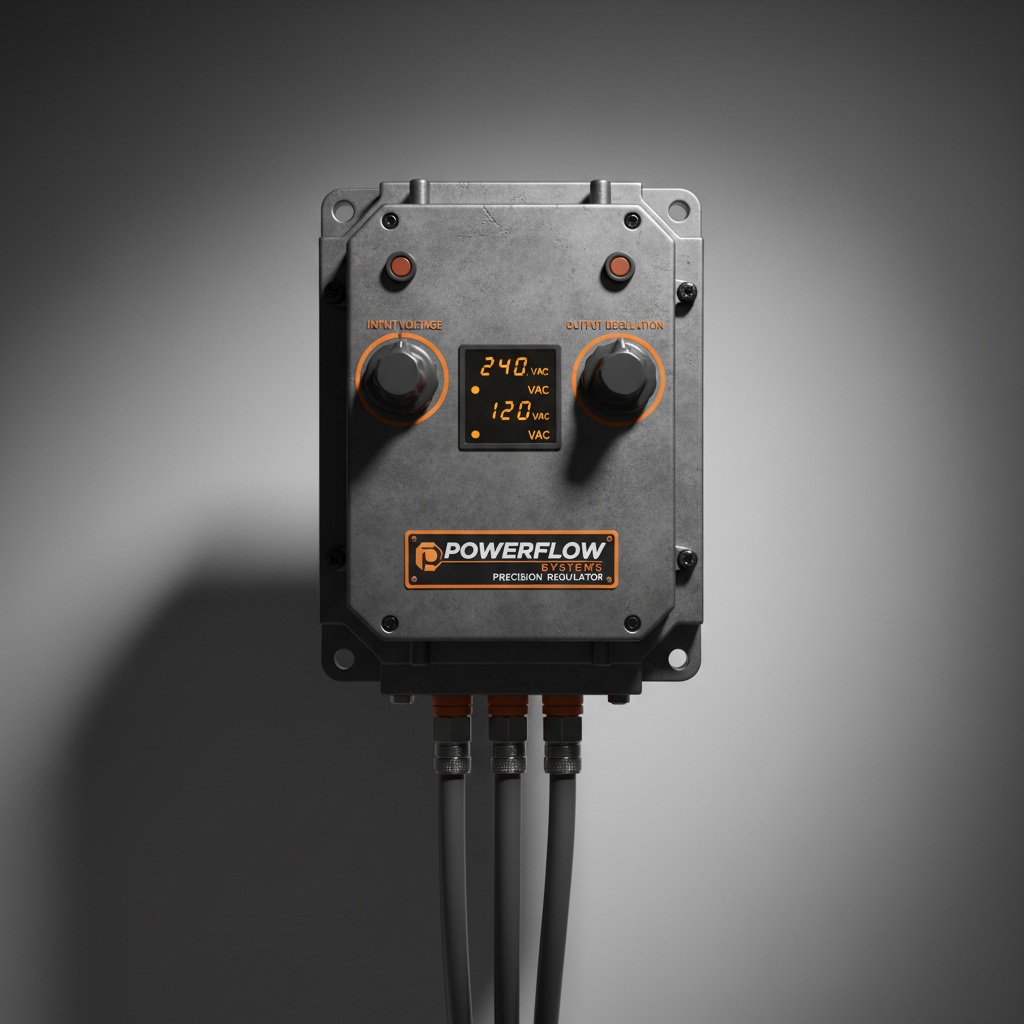
Gas pressure reducers are essential components in a wide range of industries, from energy production and distribution to medical applications and manufacturing. These devices play a critical role in safely and efficiently controlling the pressure of gases, ensuring optimal performance and preventing potential hazards. Understanding the principles and applications of gas pressure reducers is paramount for engineers, technicians, and anyone involved in handling pressurized gas systems.
Globally, the demand for reliable gas pressure regulation is increasing due to expanding infrastructure projects, growing energy needs, and stricter safety standards. The market is driven by advancements in materials science, engineering design, and automation technologies. A well-maintained and properly functioning gas pressure reducer is crucial for the safe and efficient operation of countless systems worldwide.
The importance of gas pressure reducers extends beyond industrial applications. They are also vital in residential settings, such as propane and natural gas appliances, and in critical healthcare applications, ensuring accurate and consistent gas delivery for medical procedures. Effective regulation of gas pressure is therefore a matter of safety, efficiency, and even life support.
The Role of Gas Pressure Reducers in Modern Industry
Gas pressure reducers are fundamental to numerous industrial processes, guaranteeing that gases are delivered at a consistent and safe pressure. Without these devices, processes involving high-pressure gases would be unstable, inefficient, and potentially dangerous. Applications range from controlling gas flow in welding and cutting operations to maintaining precise pressure levels in chemical reactors.
The reliability of a gas pressure reducer directly impacts overall system efficiency and product quality. Consistent pressure regulation minimizes waste, improves process control, and extends the lifespan of equipment. This results in significant cost savings and enhanced productivity for industries relying on pressurized gases.
Defining Gas Pressure Reduction
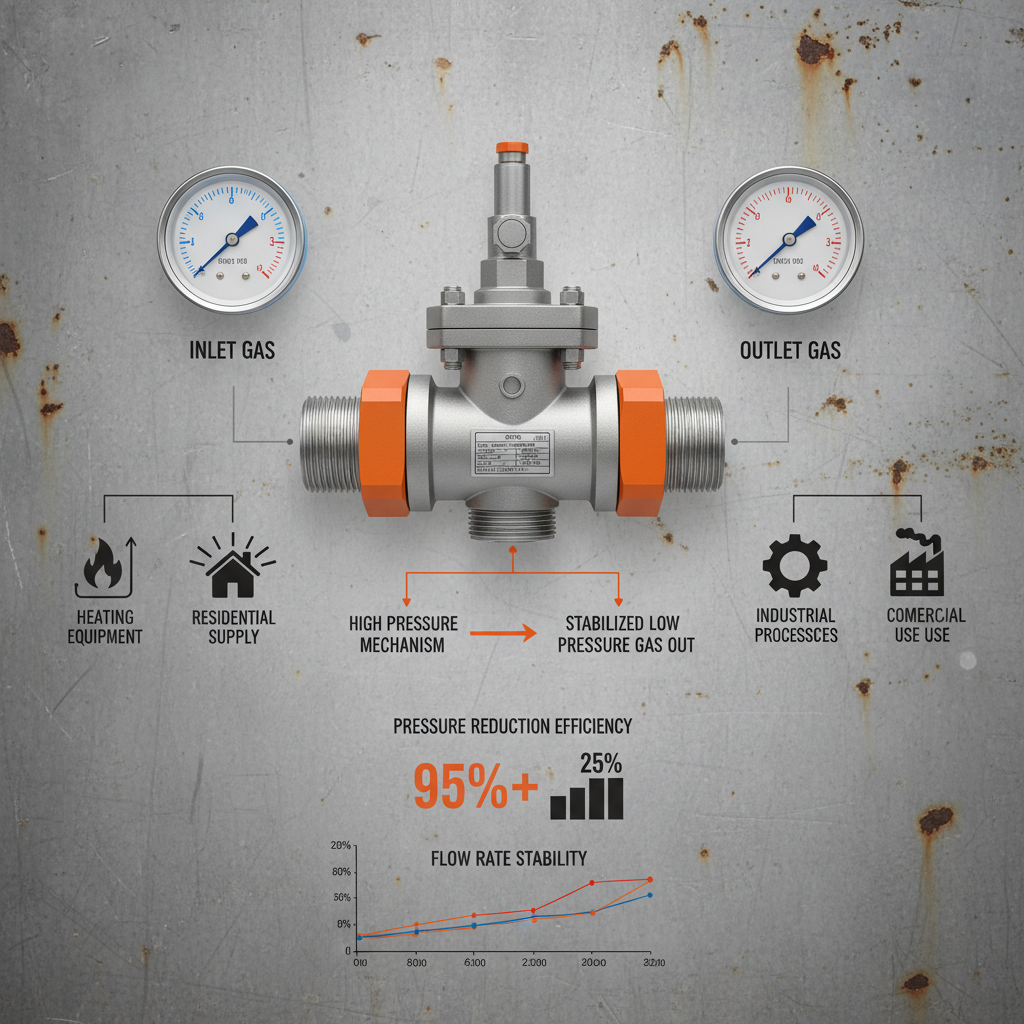
Gas pressure reduction is the process of lowering the pressure of a gas from a higher source pressure to a lower, more usable, and safe delivery pressure. This is typically achieved using a gas pressure reducer, which contains a valve that automatically adjusts to maintain a constant outlet pressure regardless of fluctuations in the inlet pressure or gas flow rate.
The core principle behind gas pressure reduction is based on balancing the force exerted by the gas on a diaphragm or piston against a spring force. This dynamic equilibrium controls the valve opening, regulating the gas flow and maintaining the desired outlet pressure. A properly functioning regulator ensures a stable and predictable gas supply.
This technology is inextricably linked to modern industrial needs and humanitarian efforts. It allows for the safe use of compressed gases in diverse scenarios – from powering industrial machinery to delivering life-saving medical oxygen in remote locations. The ability to reliably and accurately control gas pressure is essential for safe and efficient operations.
Key Components and Functionality
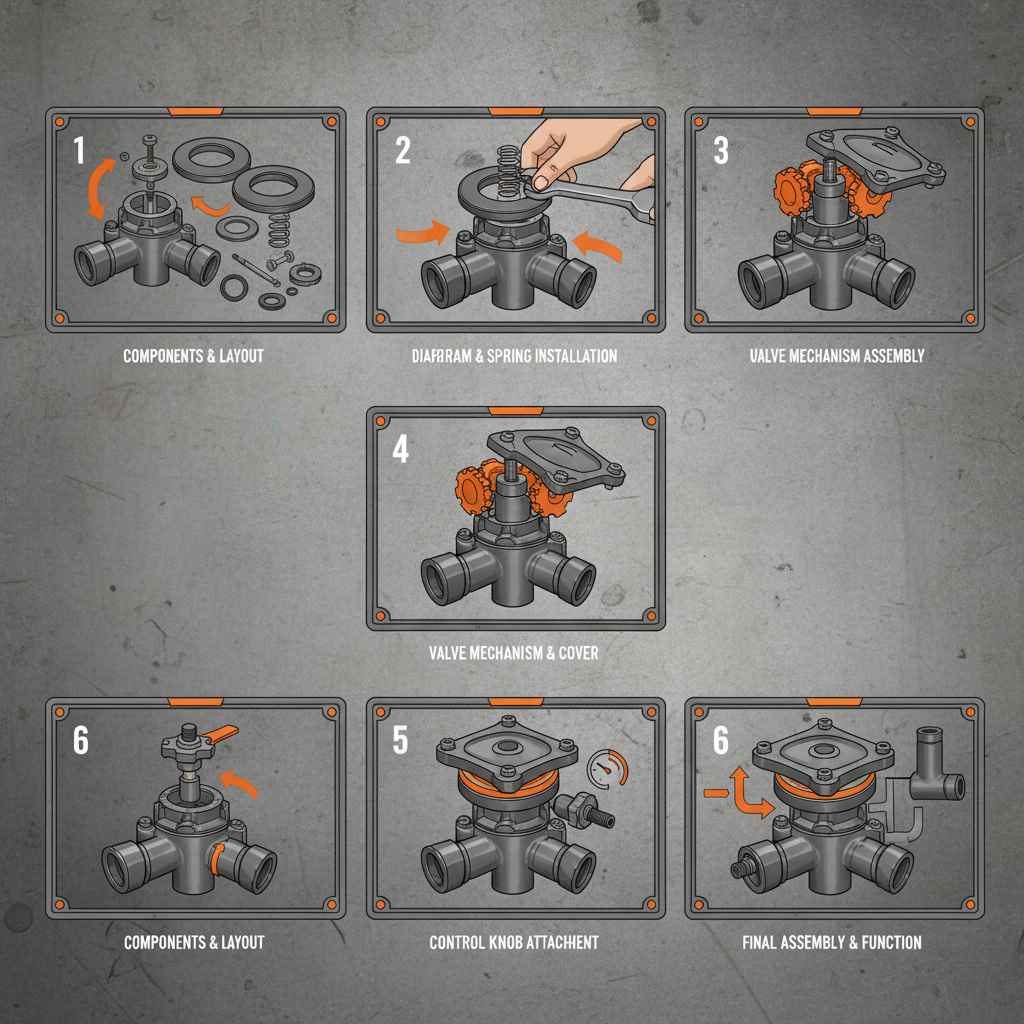
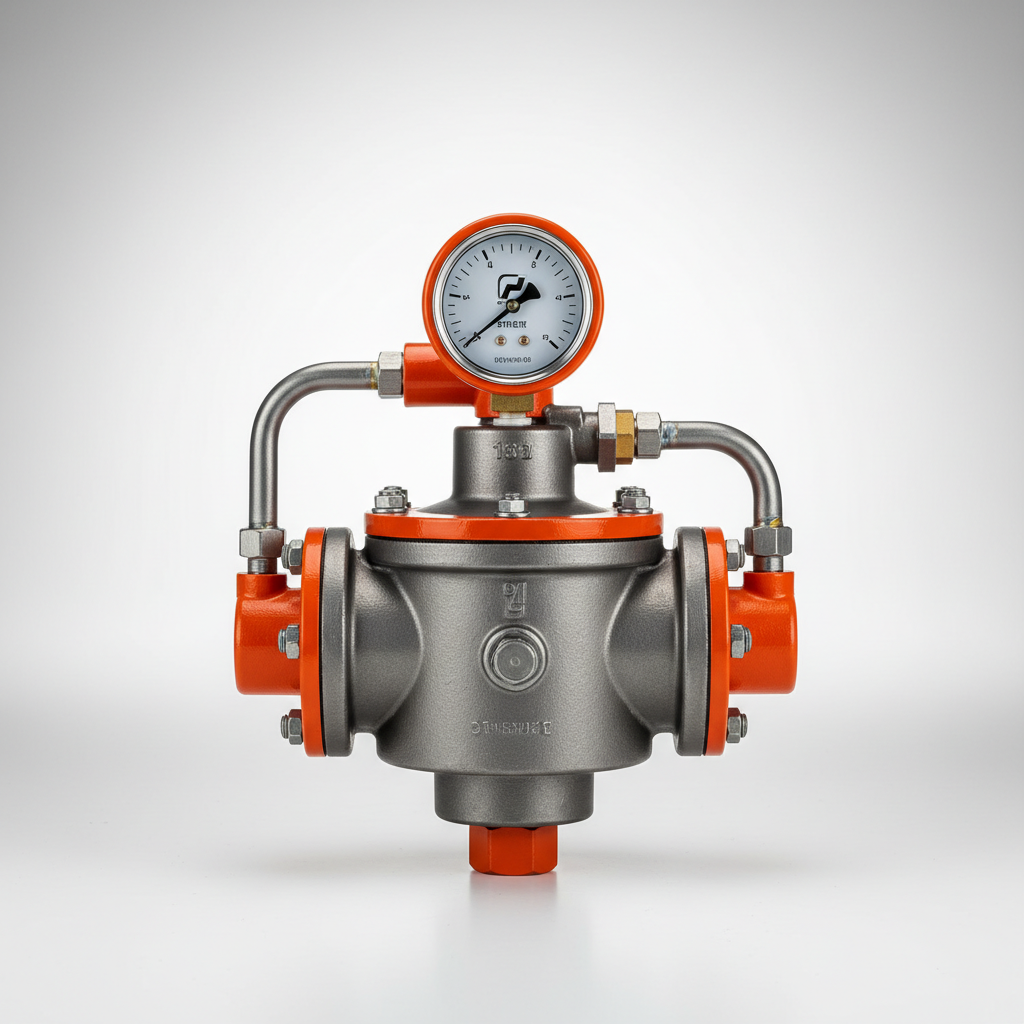
A typical gas pressure reducer comprises several key components. These include the body, which houses the internal mechanisms; a diaphragm or piston, which senses the outlet pressure; a spring, which provides the opposing force; a valve seat, which controls gas flow; and an adjustment screw, used to set the desired outlet pressure. The material used for construction, often stainless steel or brass, is crucial for compatibility with the specific gas being regulated.
The functionality of a gas pressure reducer relies on a feedback loop. As the outlet pressure increases, it exerts force on the diaphragm or piston, causing the valve to restrict gas flow. Conversely, if the outlet pressure decreases, the valve opens further to allow more gas to flow. This continuous adjustment ensures a stable outlet pressure, even with fluctuating inlet pressure or demand.
Proper maintenance, including regular inspection and cleaning of the valve seat and diaphragm, is vital for ensuring consistent performance and preventing leaks. Using the correct gas pressure reducer designed for the specific gas and application is also critically important for safety and efficiency.
Performance Characteristics of Gas Pressure Reducers
The performance of a gas pressure reducer is defined by several key characteristics. These include its flow capacity, which determines the maximum gas flow rate it can handle; its inlet pressure rating, specifying the maximum allowable inlet pressure; its outlet pressure range, indicating the adjustable outlet pressure limits; and its accuracy, reflecting its ability to maintain a consistent outlet pressure.
Other crucial parameters include its response time – how quickly it adjusts to changes in inlet pressure or flow rate – and its leakage rate, indicating the amount of gas that leaks past the valve when it’s closed. Selecting a reducer with appropriate characteristics for the specific application is paramount for optimal performance and safety.
Gas Pressure Reducer Performance Comparison
Diverse Applications of Gas Pressure Reducers
Gas pressure reducers find applications in a vast array of industries. In the medical field, they are indispensable for delivering precise amounts of oxygen, nitrous oxide, and other gases used in anesthesia and respiratory therapy. In the energy sector, they regulate the pressure of natural gas and propane for residential and commercial heating and cooking.
Manufacturing processes utilize gas pressure reducers for welding, cutting, and heat treating. Chemical processing plants rely on them for maintaining consistent pressure in reactors and pipelines. Even in food processing, they are employed for modified atmosphere packaging to extend shelf life.
The Advantages of Utilizing High-Quality Reducers
Investing in high-quality gas pressure reducers offers significant advantages. Increased reliability minimizes downtime and maintenance costs, while improved accuracy enhances process control and product quality. Durable construction ensures a longer lifespan, reducing the need for frequent replacements.
Furthermore, high-quality reducers prioritize safety, reducing the risk of leaks and ensuring consistent performance. Utilizing a trusted brand, like gas pressure reducer manufacturers, also provides peace of mind and access to expert support and technical assistance.
These advantages translate into long-term cost savings, enhanced productivity, and a safer working environment. A well-maintained and dependable gas pressure regulation system is a valuable asset for any organization.
Future Trends and Innovations in Gas Pressure Reduction
The field of gas pressure reduction is continuously evolving. Current trends focus on developing smarter, more efficient, and more environmentally friendly regulators. This includes the integration of digital monitoring and control systems, allowing for remote pressure adjustments and real-time performance data.
Advancements in materials science are leading to the development of reducers that can handle more corrosive gases and operate at higher pressures. The increasing emphasis on sustainability is driving research into low-emission regulators and the use of eco-friendly materials in their construction.
The future of gas pressure reduction is likely to see greater automation, enhanced data analytics, and a continued focus on improving safety and reducing environmental impact. These innovations will be critical for meeting the evolving demands of industries and ensuring the responsible use of pressurized gases.
Analysis of Factors Influencing Gas Pressure Reducer Performance
| Material Composition |
Flow Coefficient (Cv) |
Temperature Sensitivity |
Maintenance Frequency |
| Stainless Steel |
0.85 |
Low |
6 Months |
| Brass |
0.72 |
Medium |
3 Months |
| Aluminum Alloy |
0.91 |
High |
1 Month |
| Polymer Composite |
0.68 |
Low |
12 Months |
| Titanium Alloy |
0.95 |
Very Low |
9 Months |
| Cast Iron |
0.79 |
Medium |
4 Months |
FAQS
The lifespan of a gas pressure reducer depends on factors like material quality, operating conditions, and maintenance frequency. Generally, a well-maintained reducer made from durable materials like stainless steel can last 5-10 years or even longer. Regular inspection and timely replacement of worn parts are crucial for maximizing its lifespan. Choosing a reputable manufacturer, such as gas pressure reducer, can also contribute to longevity.
Calibration frequency depends on the criticality of the application and the manufacturer's recommendations. For critical applications, such as medical or analytical equipment, calibration should be performed at least annually, or even more frequently if required by regulations. For less critical applications, a bi-annual or annual calibration may suffice. Proper calibration ensures accurate pressure regulation and prevents potential hazards.
Common causes of failure include internal contamination, wear and tear of valve seats and diaphragms, corrosion, and improper installation. Using the incorrect gas type for the reducer can also lead to premature failure. Regular maintenance, including cleaning and inspection, can help prevent these issues. Always follow the manufacturer’s guidelines for proper usage and maintenance.
Selecting the right reducer requires careful consideration of several factors. These include the gas type, inlet pressure, desired outlet pressure, flow rate, and operating temperature. Ensure the reducer's material compatibility with the gas being used. Consult the manufacturer's specifications and choose a reducer designed for the specific application to ensure optimal performance and safety.
Always relieve pressure before disconnecting or servicing a gas pressure reducer. Wear appropriate personal protective equipment (PPE), such as safety glasses and gloves. Ensure proper ventilation to prevent the buildup of flammable or toxic gases. Never attempt to repair a reducer beyond your skill level and always follow the manufacturer’s instructions. Leak testing is also crucial after any maintenance or adjustments.
Generally, it’s not recommended to use a single gas pressure reducer with multiple gas types unless specifically designed and certified for that purpose. Different gases have varying properties and can react with the materials within the reducer, causing corrosion or contamination. Using the wrong reducer can compromise safety and performance. Always verify compatibility before connecting a different gas type.
Conclusion
Gas pressure reducers are vital components in countless industries and applications, ensuring the safe and efficient delivery of pressurized gases. Understanding their principles, components, and performance characteristics is paramount for anyone involved in handling these systems. Investing in high-quality reducers and adhering to proper maintenance practices contribute to long-term cost savings, enhanced productivity, and a safer working environment.
Looking ahead, continued innovation in materials, automation, and digital monitoring will further enhance the performance and reliability of gas pressure reducers. Embracing these advancements will be essential for meeting the evolving demands of industries and ensuring the responsible use of pressurized gases. For reliable and expertly engineered solutions, visit our website: www.gasouyinuo.com.