The precise control of gas flow is paramount in a vast array of industrial and domestic applications. A gas pressure regulator valve is the crucial component ensuring this control, safely reducing a high inlet pressure to a lower, more usable outlet pressure. Its importance spans across energy distribution, manufacturing processes, scientific research, and even everyday household appliances, highlighting its fundamental role in modern infrastructure.
Globally, the demand for efficient and reliable gas pressure regulation is steadily increasing, driven by growing energy consumption and stricter safety standards. The United Nations Sustainable Development Goal 7 – Affordable and Clean Energy – directly relies on safe and efficient gas distribution networks, where a properly functioning gas pressure regulator valve plays a vital role. ISO standards, such as ISO 10497, provide rigorous guidelines for design, testing, and performance, emphasizing the critical nature of these valves.
Challenges in maintaining consistent gas pressure, mitigating risks associated with fluctuating supply, and adapting to evolving gas compositions necessitate continuous innovation in gas pressure regulator valve technology. Understanding these valves – their function, components, and applications – is crucial for engineers, technicians, and anyone involved in gas handling and distribution systems.
The Fundamental Principles of gas pressure regulator valve
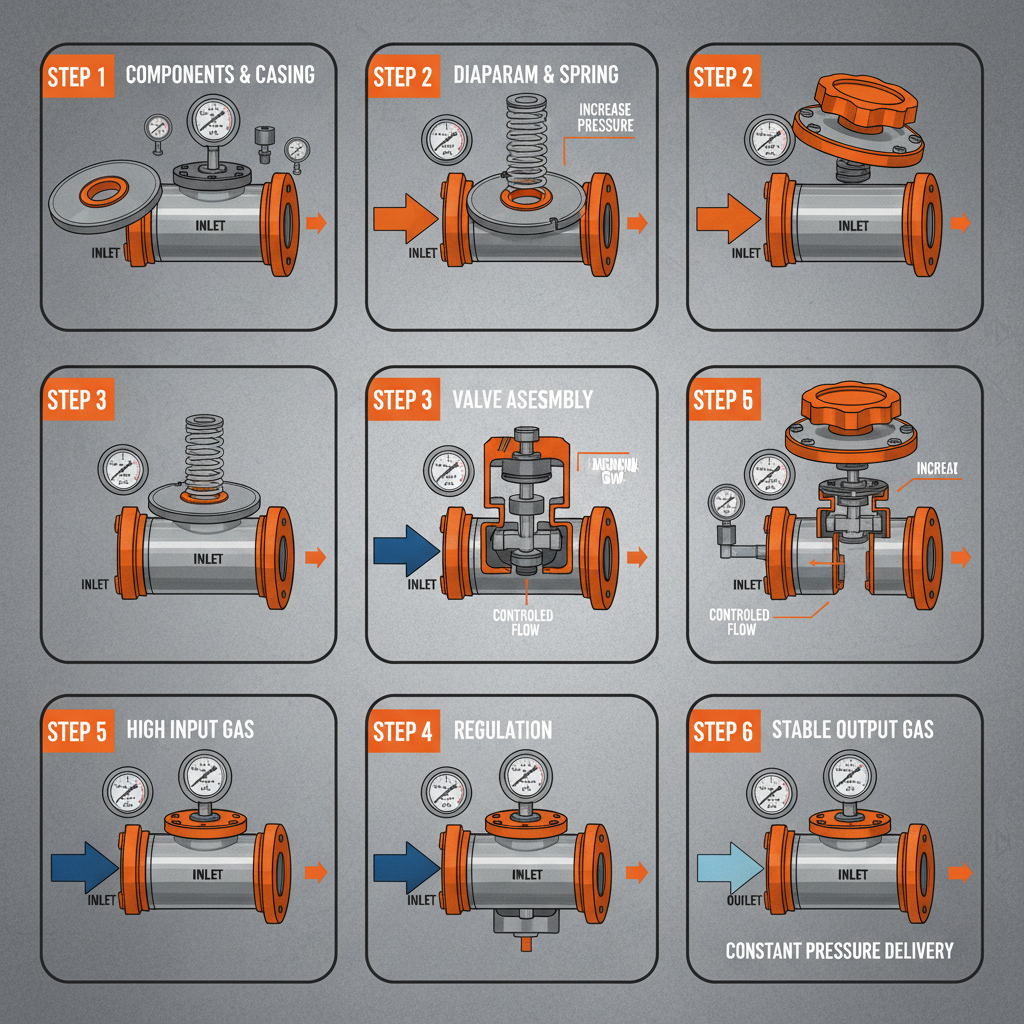
At its core, a gas pressure regulator valve operates on the principle of balancing force. The inlet pressure acts on a diaphragm or piston, while a spring opposes this force. The valve automatically adjusts to maintain a constant downstream pressure, regardless of fluctuations in the incoming supply or downstream demand. Understanding this core mechanic is fundamental to appreciating its reliability.
The accuracy and responsiveness of a gas pressure regulator valve are directly related to the precision of its internal components – the diaphragm, spring, and valve seat. Material selection plays a crucial role; robust materials like stainless steel and specialized elastomers ensure longevity and resistance to corrosive gases.
Global Significance and Industry Standards for gas pressure regulator valve
The global demand for gas pressure regulator valve is intrinsically linked to the expansion of natural gas infrastructure worldwide. Countries reliant on natural gas for power generation, heating, and industrial processes require robust pressure regulation systems. Asia-Pacific, with its rapidly growing economies, represents a significant market for these valves.
International standards organizations like ISO, ANSI, and EN establish stringent guidelines for the design, manufacturing, and testing of gas pressure regulator valve. Compliance with these standards ensures safety, reliability, and interoperability across different systems. Regular inspections and certifications are critical for maintaining these standards.
The increasing emphasis on safety and environmental protection is driving the adoption of advanced gas pressure regulator valve technologies with features like leak detection and automatic shut-off mechanisms, ensuring the responsible and secure distribution of gas resources.
Defining and Understanding gas pressure regulator valve
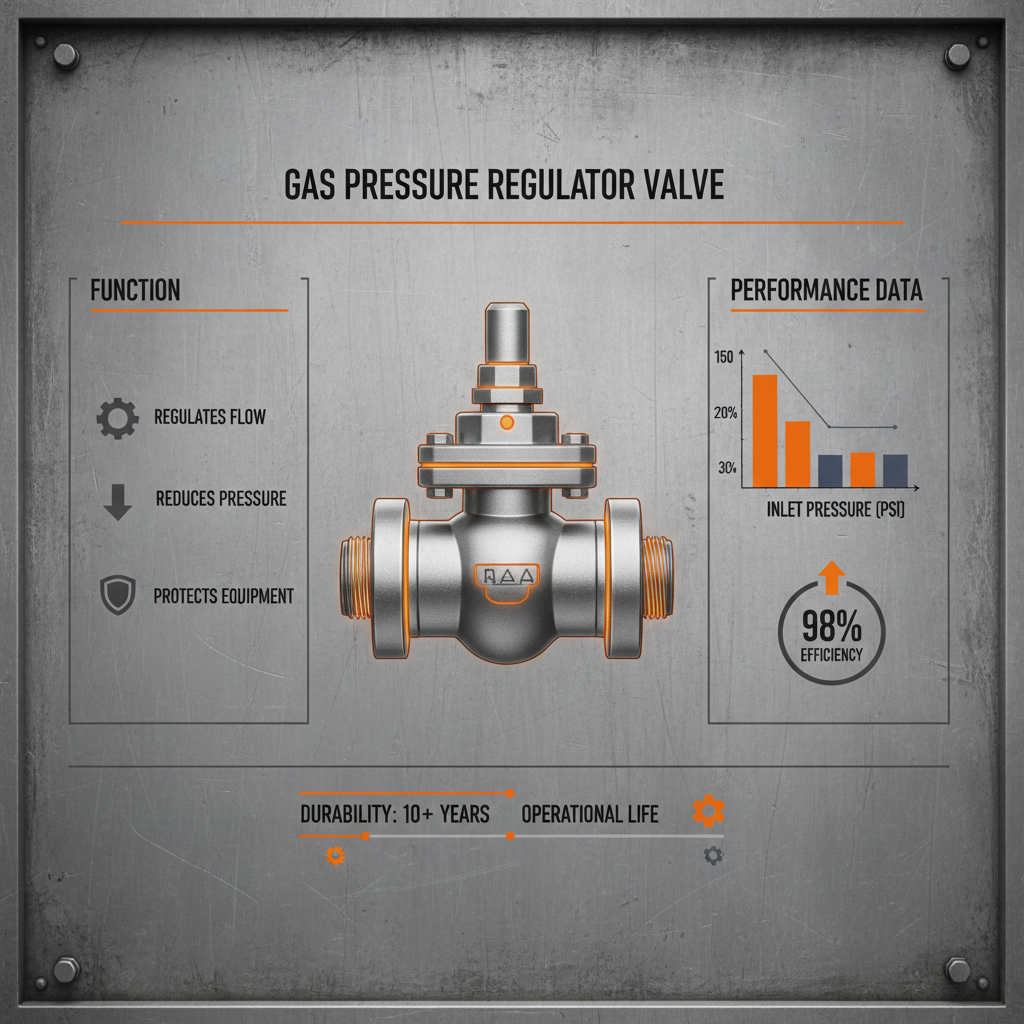
A gas pressure regulator valve is a critical valve designed to reduce a high-pressure gas supply to a lower, more manageable pressure. It's a safety-critical component found in numerous applications – from residential heating systems to large-scale industrial gas processing plants.
The connection to modern industry and humanitarian needs is profound. In industrial settings, precise gas pressure control is essential for efficient manufacturing processes and the safety of personnel. In humanitarian contexts, reliable gas supply (like LPG for cooking) requires effective regulation to ensure safe and consistent use.
Effectively, a gas pressure regulator valve acts as a gatekeeper, protecting downstream equipment and users from potentially damaging or dangerous high-pressure gas. It’s a vital component for maintaining operational efficiency and safety.
Key Performance Indicators of gas pressure regulator valve
Durability is a crucial factor. The valve must withstand repeated cycles of operation, exposure to varying temperatures and pressures, and potential corrosion. Material quality and robust construction are key indicators of durability.
Responsiveness defines how quickly the valve adjusts to changes in gas flow or pressure. A highly responsive valve minimizes pressure fluctuations, ensuring stable operation. Flow capacity, measured in standard cubic feet per hour (SCFH), dictates the maximum volume of gas the valve can handle.
Comparison of gas pressure regulator valve Performance Metrics
Real-World Applications of gas pressure regulator valve
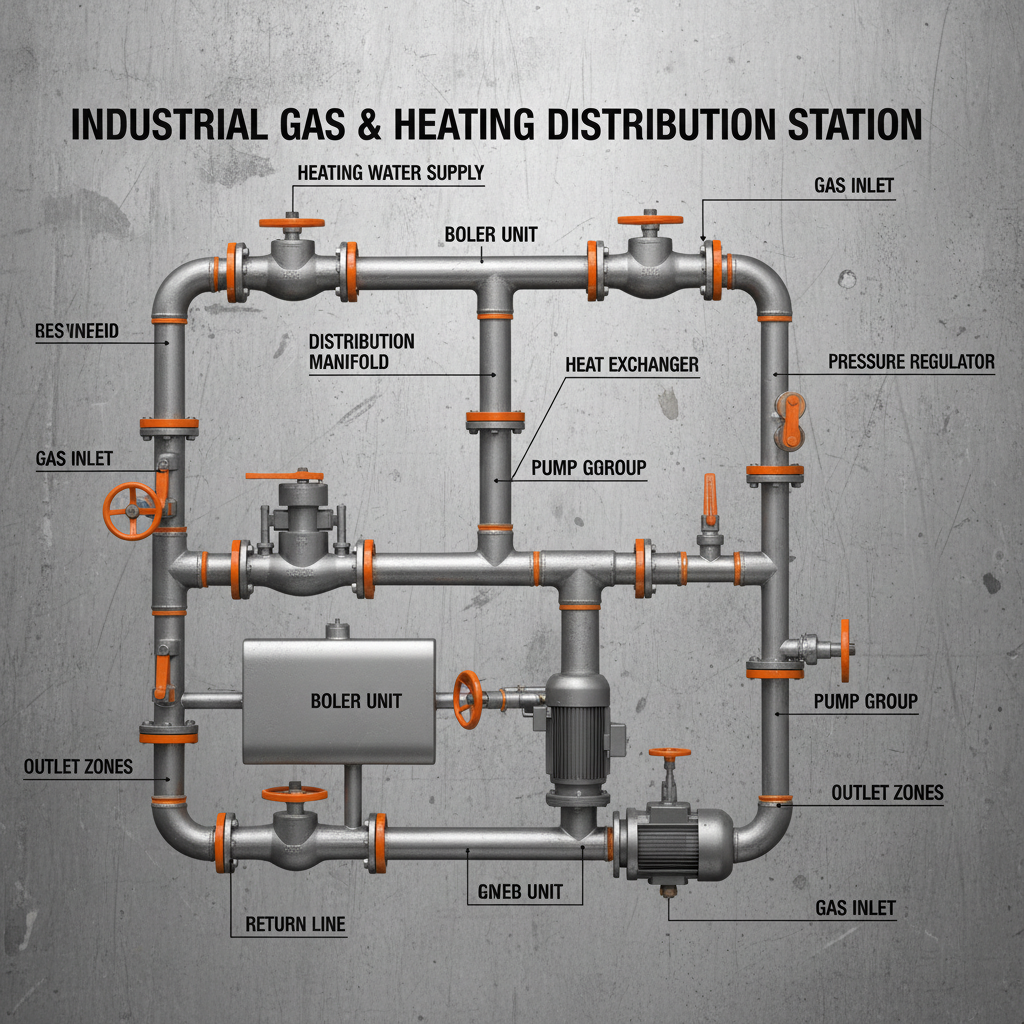
In residential settings, gas pressure regulator valve are integral to natural gas heating systems, ensuring safe and efficient operation of furnaces and water heaters. They also regulate the pressure of LPG used for cooking and other appliances.
Within the industrial sector, these valves are critical for controlling gas flow in chemical processing plants, manufacturing facilities, and power generation stations. They ensure precise pressure control for various processes, improving efficiency and safety.
Long-Term Benefits and Value Proposition of gas pressure regulator valve
Investing in high-quality gas pressure regulator valve translates to significant cost savings over the long term. Reduced maintenance, fewer repairs, and minimized downtime contribute to lower operational expenses. A well-maintained valve also enhances energy efficiency, reducing gas consumption.
The inherent safety features of a reliable gas pressure regulator valve offer peace of mind. Protecting downstream equipment and personnel from potentially hazardous pressure fluctuations fosters a safer working environment and minimizes the risk of accidents.
Furthermore, the adoption of innovative valve technologies contributes to a more sustainable future by optimizing gas utilization and reducing environmental impact. Trust in a dependable gas supply is paramount for both industrial operations and everyday life.
Future Trends and Innovations in gas pressure regulator valve
The integration of smart technology into gas pressure regulator valve is a growing trend. Remote monitoring, data analytics, and predictive maintenance capabilities will allow for proactive identification and resolution of potential issues.
The development of valves utilizing advanced materials, such as shape memory alloys and self-healing polymers, will further enhance durability and reliability. Research into alternative valve designs, like microfluidic regulators, promises greater precision and control.
With the increasing focus on green energy, gas pressure regulator valve designed for hydrogen and biogas applications will become increasingly important, supporting the transition to a more sustainable energy future.
Summary of Challenges and Potential Solutions for gas pressure regulator valve
| Challenge |
Impact on gas pressure regulator valve Performance |
Potential Solution |
Implementation Cost (1-10) |
| Corrosion from aggressive gases |
Reduced valve lifespan and potential failure |
Use of corrosion-resistant materials (e.g., stainless steel alloys) |
7 |
| Pressure fluctuations |
Inconsistent downstream pressure and potential equipment damage |
Implementation of faster-acting regulators and pilot control systems |
6 |
| Wear and tear on valve components |
Reduced accuracy and increased leakage |
Regular maintenance and replacement of worn parts |
4 |
| Difficulty in remote monitoring |
Delayed detection of malfunctions and increased downtime |
Integration of sensors and communication modules for remote data access |
8 |
| High initial cost of advanced valves |
Barrier to adoption for smaller businesses |
Government incentives and financing options to support adoption |
5 |
| Lack of skilled technicians for maintenance |
Improper maintenance and reduced valve lifespan |
Investment in training programs and certification schemes |
6 |
FAQS
The lifespan of a gas pressure regulator valve depends heavily on operating conditions, gas composition, and maintenance. Generally, well-maintained valves can last 5-15 years. Frequent exposure to corrosive gases or extreme temperatures will shorten the lifespan, necessitating more frequent inspection and replacement. Regular maintenance, including cleaning and component replacement, is crucial for maximizing longevity.
Proper sizing requires careful consideration of several factors: inlet pressure, desired outlet pressure, maximum gas flow rate, and gas specific gravity. Undersizing can lead to pressure drop and insufficient flow, while oversizing can result in instability. Consult the valve manufacturer's sizing charts or utilize specialized sizing software for accurate calculations. It’s best to involve a qualified engineer.
Common failure points include diaphragm rupture, valve seat damage, spring failure, and clogging due to contaminants. Corrosion, caused by aggressive gases, is a significant contributor to valve failure. Regular inspection and cleaning can prevent many of these issues. Sudden pressure surges can also damage the valve’s internal components.
Generally, no. Gas pressure regulator valve are designed for specific gas types due to material compatibility concerns. Using a valve intended for natural gas with LPG, for example, can lead to corrosion and failure. Always verify the valve's compatibility with the gas being used before installation. Different gases have different chemical properties and require specific materials for safe operation.
Always depressurize the system before performing any maintenance or repairs. Wear appropriate personal protective equipment (PPE), including safety glasses and gloves. Ensure adequate ventilation. Never attempt to repair a valve without proper training and certification. Regularly leak-test connections after any work has been done.
The frequency of inspection depends on the application and operating conditions. As a general guideline, annual inspections are recommended for most systems. Critical applications or systems exposed to harsh environments may require more frequent inspections. Inspections should include visual checks for damage, leak testing, and verification of set pressure.
Conclusion
In conclusion, the gas pressure regulator valve remains an indispensable component of modern infrastructure, ensuring the safe and efficient delivery of gas across countless applications. From residential heating to large-scale industrial processes, its precise control and reliable performance are paramount. Understanding its principles, proper maintenance, and evolving technologies is crucial for optimizing gas utilization and safeguarding operational safety.
Looking ahead, the integration of smart technologies and sustainable materials will continue to drive innovation in gas pressure regulator valve design. By embracing these advancements and prioritizing safety, we can unlock even greater benefits – reduced costs, enhanced efficiency, and a more sustainable energy future.