The reliable and efficient delivery of natural gas is critical to modern life, powering homes, businesses, and industries worldwide. A key component in achieving this is the natural gas pressure reducing valve, a device designed to lower high inlet pressures to safe and usable levels for various applications. Understanding the function, components, and applications of these valves is crucial for ensuring safety, optimizing performance, and maintaining the integrity of natural gas distribution systems.
Globally, the demand for natural gas continues to rise, driven by its relatively clean-burning characteristics and versatility. The International Energy Agency (IEA) forecasts continued growth in natural gas consumption, particularly in developing economies. Consequently, the demand for reliable pressure regulation equipment, like the natural gas pressure reducing valve, will also increase. Effective pressure regulation isn’t simply about convenience; it’s about preventing catastrophic failures and ensuring public safety.
The natural gas pressure reducing valve serves as a vital safeguard within natural gas pipelines and appliance connections. It takes high-pressure gas from transmission lines and reduces it to a lower, safer pressure suitable for residential, commercial, and industrial use. Without these valves, gas appliances and distribution networks would be vulnerable to damage and potential hazards, highlighting their essential role in modern energy infrastructure.
Introduction to natural gas pressure reducing valve
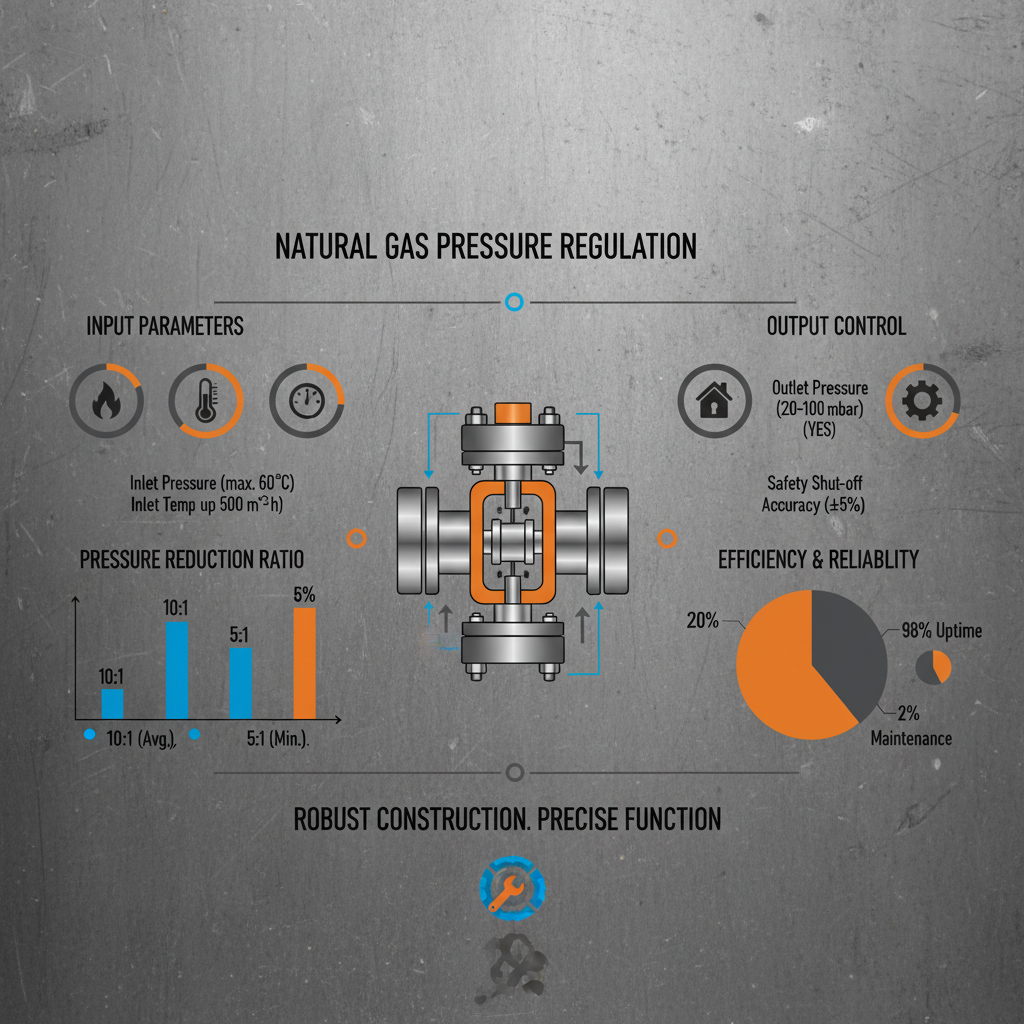
The operation of a natural gas pressure reducing valve centers on reducing a high inlet pressure to a lower, more manageable outlet pressure. This process is vital for ensuring the safe and efficient distribution of natural gas to residential, commercial, and industrial customers. The valve achieves this pressure reduction through an internal mechanism that responds to changes in downstream pressure, maintaining a consistent output even with fluctuations in the incoming supply.
Choosing the correct natural gas pressure reducing valve requires careful consideration of several factors, including flow rate, inlet pressure, desired outlet pressure, and the type of gas being regulated. Proper selection and installation are paramount for preventing pressure surges, ensuring system stability, and protecting connected equipment.
Defining Natural Gas Pressure Reducing Valves
A natural gas pressure reducing valve is a mechanical device engineered to automatically reduce a high-pressure inlet gas to a lower, more consistent outlet pressure. It’s a critical safety and control component in natural gas distribution systems. Unlike simple throttling valves, pressure reducing valves are designed to maintain a relatively constant downstream pressure, even when the upstream pressure or downstream flow rate fluctuates.
These valves are essential in protecting downstream equipment, such as gas appliances, regulators, and metering systems, from overpressure conditions. They are typically installed at the inlet of gas distribution lines serving residential areas, commercial buildings, and industrial facilities.
The connection between a natural gas pressure reducing valve and modern industry stems from the need for precise and reliable control of gas flow, crucial for various processes, from power generation to chemical manufacturing. In humanitarian efforts, these valves contribute to providing safe and efficient energy sources in disaster relief and temporary settlements.
Key Components and Operational Principles
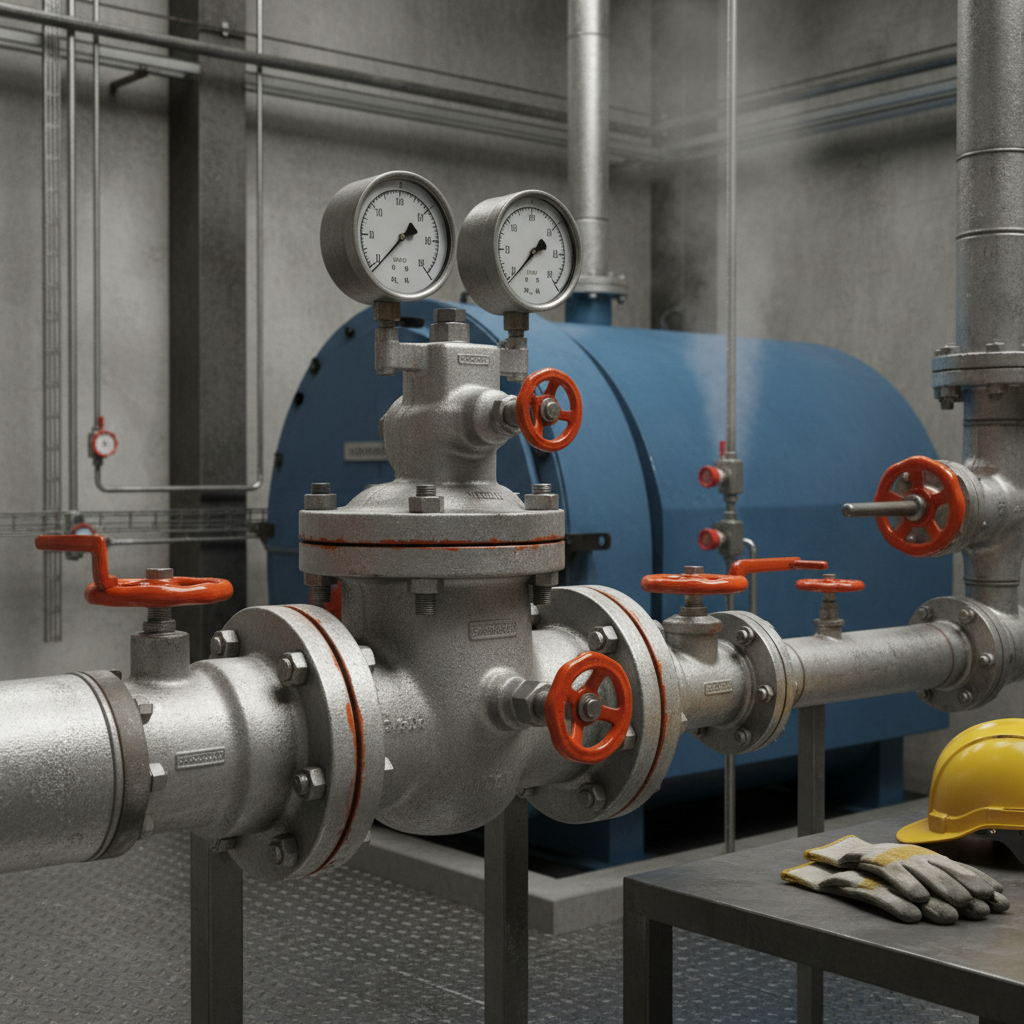
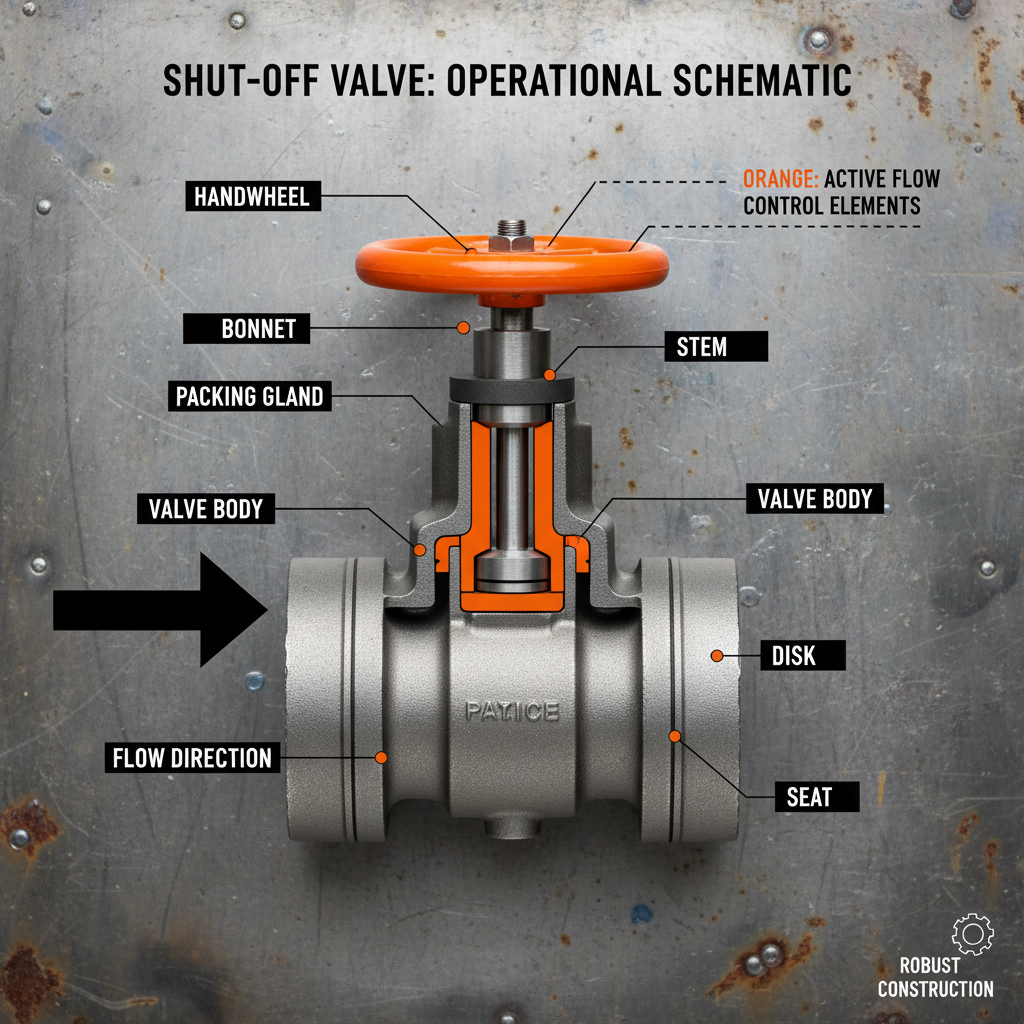
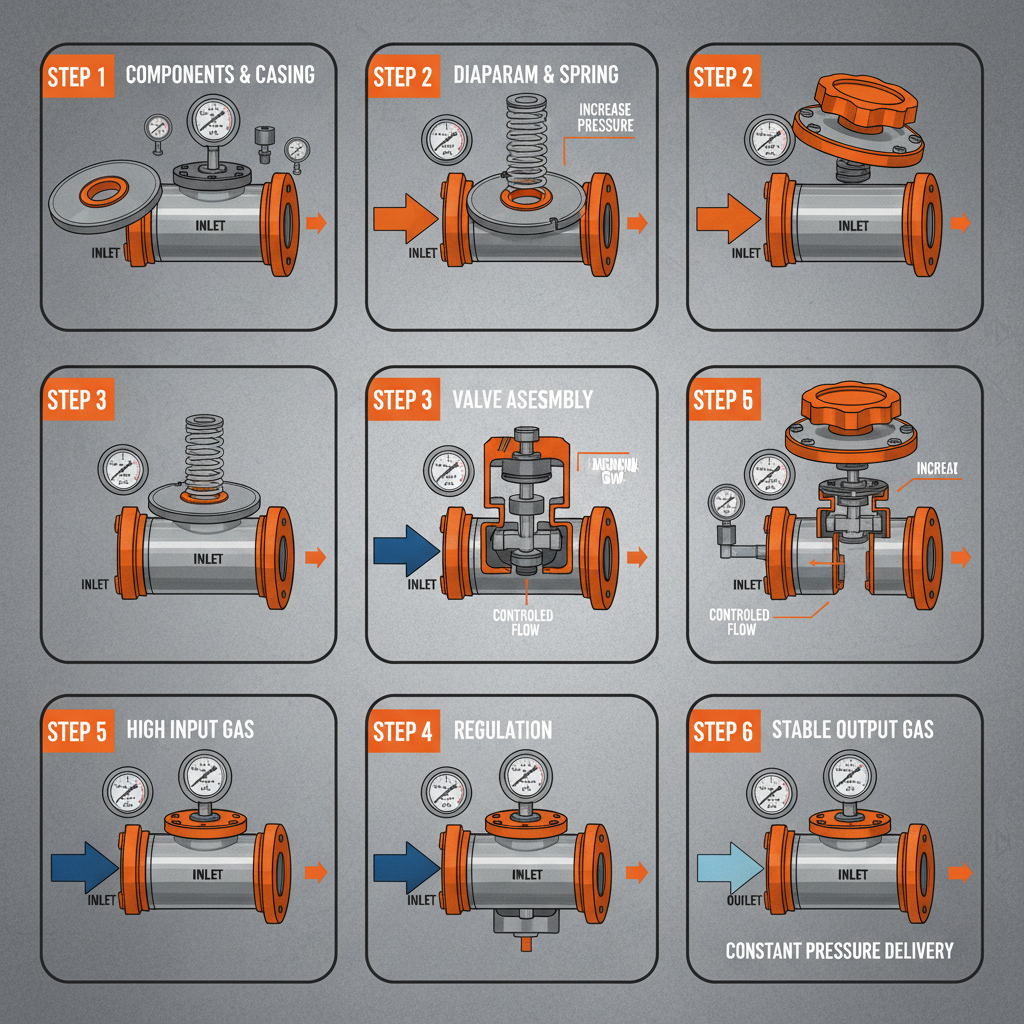
A typical natural gas pressure reducing valve consists of several key components. These include a valve body, a diaphragm, a spring, a valve seat, and an adjustable pilot. The valve body houses the internal components and provides the connection points for the inlet and outlet gas lines. The diaphragm responds to changes in downstream pressure, while the spring provides the opposing force.
The operational principle revolves around a balance of forces. Downstream pressure acts on the diaphragm, lifting it against the spring’s force. This lifting action opens the valve, allowing more gas to flow and increase the downstream pressure. As the downstream pressure reaches the desired setpoint, the diaphragm’s upward movement is restricted, closing the valve and stabilizing the pressure. This self-regulating mechanism ensures a consistent outlet pressure.
The adjustable pilot allows for precise setting of the desired outlet pressure. The quality of materials used in the construction of the natural gas pressure reducing valve is paramount, with components often made from materials like stainless steel and brass to ensure durability and resistance to corrosion.
Performance Characteristics of natural gas pressure reducing valve
Several key performance characteristics define the effectiveness of a natural gas pressure reducing valve. These include its flow capacity (measured in SCFM or Nm3/h), its pressure regulation accuracy (the ability to maintain a consistent outlet pressure), its response time (how quickly it adjusts to changes in flow or pressure), and its shut-off capability (its ability to completely stop gas flow in an emergency).
Comparison of natural gas pressure reducing valve Methods
Global Applications of natural gas pressure reducing valve
Natural gas pressure reducing valve applications are widespread and diverse. In residential areas, they are used to regulate gas pressure for heating, cooking, and water heating appliances. In commercial buildings, they serve similar purposes but on a larger scale, supporting complex heating and cooling systems.
Industrially, these valves are essential in processes such as power generation, chemical production, and manufacturing, where precise gas pressure control is critical for efficient and safe operations. In remote industrial zones, the reliability of these valves is paramount, as repairs can be costly and time-consuming.
Advantages and Long-Term Value
The advantages of employing high-quality natural gas pressure reducing valve are numerous. They ensure safe and reliable gas delivery, prevent damage to downstream equipment, and optimize energy efficiency. Cost savings are realized through reduced maintenance, fewer repairs, and minimized gas leakage. The long-term value extends beyond immediate cost benefits to include enhanced safety, environmental responsibility, and regulatory compliance.
From a social impact perspective, these valves contribute to improved living standards by providing access to clean and reliable energy sources. From a logical perspective, robust pressure regulation promotes operational integrity and reduces the risk of costly incidents, building trust and confidence in the natural gas distribution infrastructure.
Future Trends and Innovations
Future trends in natural gas pressure reducing valve technology are focused on enhancing efficiency, reliability, and integration with smart grid systems. Innovations include the development of self-monitoring valves with predictive maintenance capabilities, utilizing advanced sensors and data analytics. Materials science is also playing a role, with the development of more durable and corrosion-resistant alloys.
The integration of digital technologies, such as remote monitoring and control systems, is transforming the way these valves are managed, enabling proactive maintenance and optimized performance. These advances are aligned with broader sustainability goals, promoting energy conservation and reducing environmental impact.
Challenges and Solutions
Common challenges associated with natural gas pressure reducing valve operation include fouling, corrosion, and wear and tear. Fouling can obstruct valve openings, leading to reduced flow and inaccurate pressure regulation. Corrosion can degrade valve components, compromising their integrity. Addressing these challenges requires regular inspection, maintenance, and the use of appropriate materials.
Solutions include implementing filtration systems to remove contaminants from the gas stream, applying protective coatings to prevent corrosion, and utilizing advanced valve designs that minimize wear. Expert insights suggest a proactive maintenance approach, combined with the use of high-quality valves from reputable manufacturers, is crucial for mitigating these risks.
Core Analysis of Theme Seven
| Challenge |
Impact on Valve Performance |
Mitigation Strategy |
Cost of Implementation |
| Internal Corrosion |
Reduced lifespan, potential leakage. |
Use corrosion-resistant materials, protective coatings. |
Medium (Material cost, application labor). |
| Fouling due to particulates |
Restricted flow, pressure inaccuracies. |
Install upstream filters, regular cleaning. |
Low-Medium (Filter cost, maintenance time). |
| Diaphragm Failure |
Loss of pressure regulation, potential gas release. |
Regular diaphragm inspection and replacement. |
Low (Diaphragm replacement cost, labor). |
| Seal Degradation |
Minor leakage, pressure fluctuations. |
Seal replacement, torque checks. |
Very Low (Seal cost, minimal labor). |
| Valve Body Erosion |
Internal damage, increased leak potential. |
Material upgrades, flow velocity control. |
High (Valve replacement or extensive repair). |
| Pilot Malfunction |
Pressure regulation instability. |
Pilot recalibration or replacement. |
Low-Medium (Pilot cost, labor). |
FAQS
The lifespan of a natural gas pressure reducing valve can vary significantly depending on operating conditions, gas quality, and maintenance practices. Generally, with regular maintenance, a well-constructed valve can last between 15 and 30 years. Factors like exposure to corrosive gases, high flow rates, and infrequent servicing can reduce this lifespan. Periodic inspections and component replacements are essential for maximizing longevity.
It’s recommended to inspect a natural gas pressure reducing valve at least annually, or more frequently in harsh environments. Inspections should include checking for leaks, corrosion, diaphragm integrity, and proper setpoint accuracy. Regular maintenance can prevent minor issues from escalating into costly repairs or safety hazards. Documenting inspection results is also crucial for tracking valve performance over time.
Signs indicating the need for replacement include noticeable gas leaks, inability to maintain consistent outlet pressure, erratic pressure fluctuations, or visible damage to the valve body or internal components. Difficulty in adjusting the setpoint, persistent noise, or a corroded diaphragm are also warning signs. Replacing a faulty valve promptly is crucial for ensuring safe and reliable gas distribution.
Most natural gas pressure reducing valve are designed primarily for natural gas, but some models can handle propane, butane, and other non-corrosive gases. It’s essential to verify the valve’s compatibility with the specific gas being used. Using a valve with an incompatible gas can lead to corrosion, damage, and potentially dangerous conditions. Always consult the manufacturer’s specifications.
Altitude can impact the performance of a natural gas pressure reducing valve due to changes in atmospheric pressure. Higher altitudes typically result in lower downstream pressures. Valves may need to be adjusted or specifically designed for high-altitude applications to maintain accurate pressure regulation. Factors like ambient temperature also need to be considered.
Yes, there are several types, including direct-acting, pilot-operated, and self-operated valves. Direct-acting valves are suitable for low to medium flow rates, while pilot-operated valves are ideal for high-capacity applications. Self-operated valves offer a balance between performance and cost. The best choice depends on the specific application requirements, such as flow rate, pressure differential, and gas type.
Conclusion
In conclusion, the natural gas pressure reducing valve is an indispensable component of modern energy infrastructure, ensuring the safe, reliable, and efficient delivery of natural gas to homes, businesses, and industries. Understanding its operation, key components, and applications is critical for professionals involved in gas distribution, appliance installation, and energy management. Properly selected, installed, and maintained valves contribute significantly to public safety, environmental sustainability, and economic prosperity.
Looking ahead, continued innovation in valve technology, driven by advancements in materials science, digital monitoring, and predictive maintenance, will further enhance performance and reliability. Investing in high-quality valves and implementing proactive maintenance programs are essential for maximizing long-term value and mitigating potential risks. Visit our website at www.gasouyinuo.com to learn more about our range of natural gas pressure reducing valves and solutions.