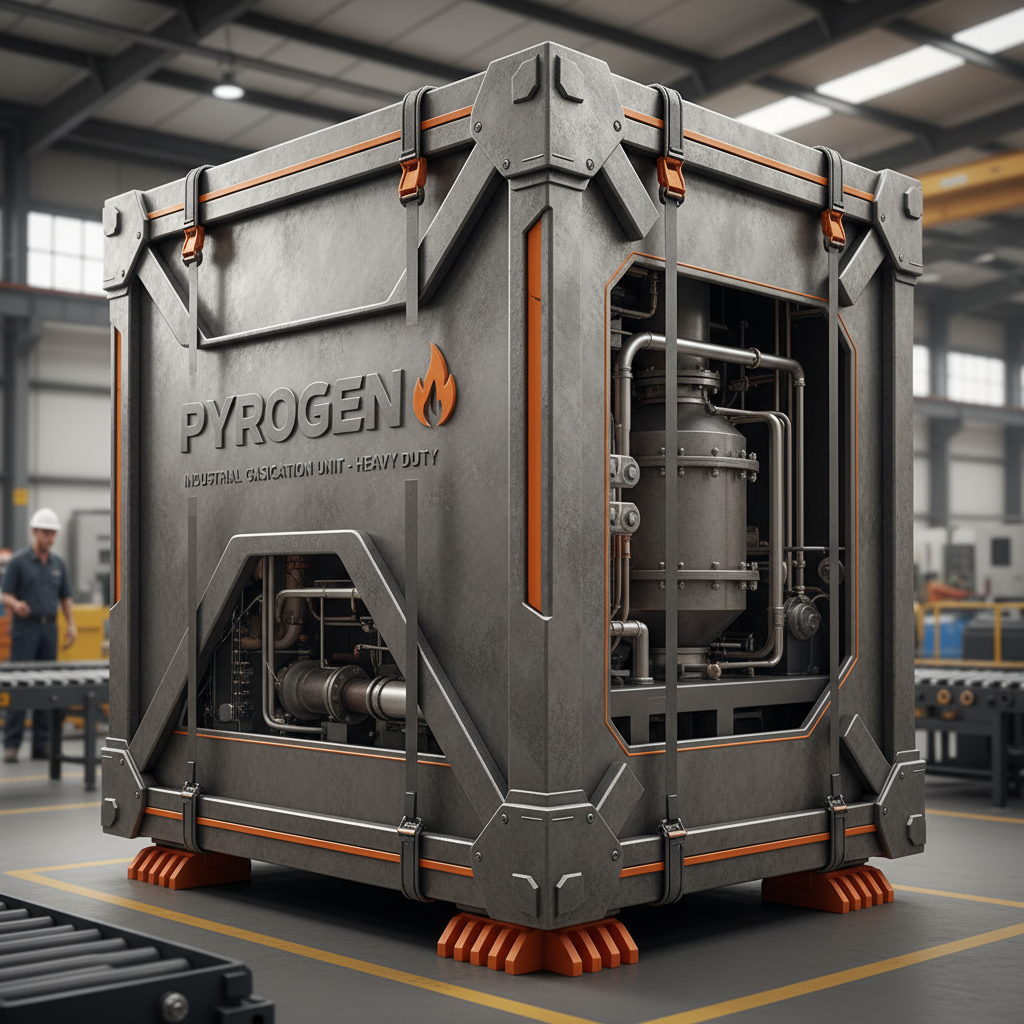
Selecting a high-precision gas pressure regulator china is often a critical decision for engineers managing natural gas transmission and urban distribution networks. The challenge lies not just in reducing pressure, but in maintaining absolute stability across fluctuating flow rates while ensuring the removal of detrimental particulates.
Modern gas infrastructure requires more than simple valves; it demands integrated systems that combine regulation, safety, and purification. When sourcing from the Chinese market, the focus has shifted from basic cost-efficiency to rigorous adherence to international standards like ANSI B16.5 and GB 150-2011.
This technical analysis explores the synergy between pressure regulation and gas purification, providing a procurement framework for those seeking reliable industrial-grade gas equipment to optimize their point supply and peak shaving operations.

Understanding the Critical Role of Gas Regulation Systems

Gas pressure regulation is the backbone of any safe gas transmission network. It is the process of reducing a high-pressure gas stream to a lower, constant pressure regardless of fluctuations in the inlet pressure or the demand from the outlet. In the context of the Chinese manufacturing landscape, this has evolved into a sophisticated ecosystem of integrated devices.
A failure in regulation can lead to catastrophic system overpressure or insufficient supply to end-users, making the choice of a manufacturer paramount. The industry now emphasizes the "integrated device series," where regulators are paired with safety stop valves and vessel series to create a fail-safe environment.
Beyond simple pressure drops, the modern approach integrates purification. As seen in high-end cyclone purifiers, the ability to remove liquid and solid particles—down to 3-5μm for solids—is essential to protect the sensitive diaphragms and seats of the pressure regulators from erosion and blockage.
Technical Mechanisms of High-Efficiency Pressure Regulation
The core of an effective gas pressure regulator lies in its sensing mechanism and its ability to respond dynamically to flow changes. Most industrial regulators utilize a balanced diaphragm or piston system that counteracts the gas pressure with a spring-loaded force to maintain a precise set point.
Technical excellence is further achieved through material science. The use of Q345R steel plates for pressure vessels and specialized forging parts ensures that the equipment can withstand extreme operating temperatures ranging from -40℃ to +80℃ without compromising structural integrity.
Moreover, the integration of centrifugal separation technology—where gas rotates under pressure to dump liquid and solid particles along the cylinder wall—ensures that the gas entering the regulator is clean. This prevents the "liquid film cutting" effect, which can otherwise cause erratic regulator behavior and premature wear.
Primary Application Scenarios in Natural Gas Distribution
The application of gas pressure regulators varies significantly depending on the position within the gas grid. At the primary separation stage, equipment is focused on removing catalyst fines and desiccant particles from drying beds to ensure downstream safety.
In urban gas distribution systems, regulators are deployed in metering and regulating stations. Here, the priority is the precise reduction of pressure from transmission mains to city gates, where stability is required to ensure a consistent supply to residential and commercial consumers.
Specialized applications include LNG and CNG decompression equipment. These systems must handle extreme temperature gradients and higher pressure ratios, often requiring "Point Supply and Peak Shaving Equipment" to manage the volatile demand patterns typical of industrial clusters.
Evaluating Performance Benchmarks and Separation Efficiency
Performance in gas regulation is measured by separation accuracy and efficiency. For industrial purifiers integrated with regulators, the gold standard is the ability to remove 99% of solid and liquid particles at the operating point.
When operating within a ±15% fluctuation range, high-quality systems maintain an efficiency of at least 97%. This consistency is vital for preventing "entrainment," where small drops of liquid are carried over into the regulator, potentially causing freezing or corrosion.
gas pressure regulator china Performance Metrics
As illustrated, integrated systems significantly outperform standalone regulators by reducing the risk of particle-induced failure. The separation of particles as small as 3-5μm ensures that the internal components of the regulator remain pristine, extending the mean time between maintenance (MTBM) significantly.
Strategic Procurement Considerations for Industrial Gas Equipment
Procuring gas regulation equipment requires a rigorous evaluation of certifications and manufacturing capabilities. For buyers in the global market, verifying that a manufacturer possesses the license for pressure pipeline elements and pressure vessel manufacturing is non-negotiable.
Technical parameters such as the connecting flange standards (e.g., HG/T20592 or ANSI B16.5) must be precisely aligned with existing infrastructure to avoid costly modifications during installation. Furthermore, the capability of the manufacturer to provide customized "Control Systems" for intelligent monitoring is becoming a key differentiator.
Evaluating the manufacturer's equipment—such as CNC machining centers and high-pressure testing lines—provides a proxy for the quality of the final product. The ability to test under simulated national standard conditions ensures that regulators will perform under the actual stressors of a high-pressure environment.
Future Trends in Intelligent Gas Control Devices
The industry is rapidly moving toward "Smart Regulators." These devices incorporate electronic sensors and actuators that allow for remote adjustment of the set point and real-time monitoring of flow fluctuations, reducing the need for manual site visits.
Integration with IoT platforms is likely to enable predictive maintenance. By analyzing pressure drop patterns and separation efficiency trends, operators may be able to predict when a cyclone purifier needs cleaning or when a regulator diaphragm is nearing the end of its lifecycle.
Furthermore, the development of new materials for seals and diaphragms is expected to expand the operating temperature range and increase resistance to corrosive contaminants found in coal-bed gas, thereby broadening the application scope of traditional regulation equipment.
Comparative Analysis of Gas Regulation Solution Types
Choosing the right configuration depends on the specific gas quality and the required downstream stability. Not all regulation needs are the same; a city gate station has different priorities than a factory point supply system.
The following table compares different technical approaches to gas regulation and purification based on common industrial requirements.
| Solution Type | Primary Mechanism | Best Use Case | Key Constraint |
|---|---|---|---|
| Standard Regulator | Diaphragm Spring | Residential Distribution | Sensitive to particulates |
| Integrated Purifier | Centrifugal/Filtering | Primary Gas Separation | Higher initial footprint |
| Peak Shaving System | High-Volume Vessel | Industrial Demand Spikes | Complex control logic |
| Smart Control Set | Electronic Actuator | Remote Gas Stations | Requires power supply |
| Safety-First Series | Stop Valve + Regulator | Critical Infrastructure | Higher maintenance cost |
| CNG/LNG Decomp | Multi-stage Reduction | Cryogenic Gas Supply | Extreme temp gradients |
Ultimately, the most robust solution is one that balances separation accuracy with regulation stability. For those evaluating high-performance options, reviewing the integrated device series available through www.gasouyinuo.com can provide deeper insight into combining purification and regulation.
Frequently Asked Questions
Conclusion
Achieving stable gas pressure regulation requires a holistic approach that treats purification, regulation, and safety as a single, integrated process. The shift toward high-precision, integrated device series in China reflects a broader industry movement toward reducing operational risk and increasing system longevity.
For engineers and procurement officers, the focus must remain on verifiable technical parameters and manufacturing certifications. By prioritizing separation efficiency and adherence to international standards, operators can ensure a reliable gas supply that meets the demands of modern urban and industrial infrastructure. Further technical specifications and product ranges can be explored at www.gasouyinuo.com.