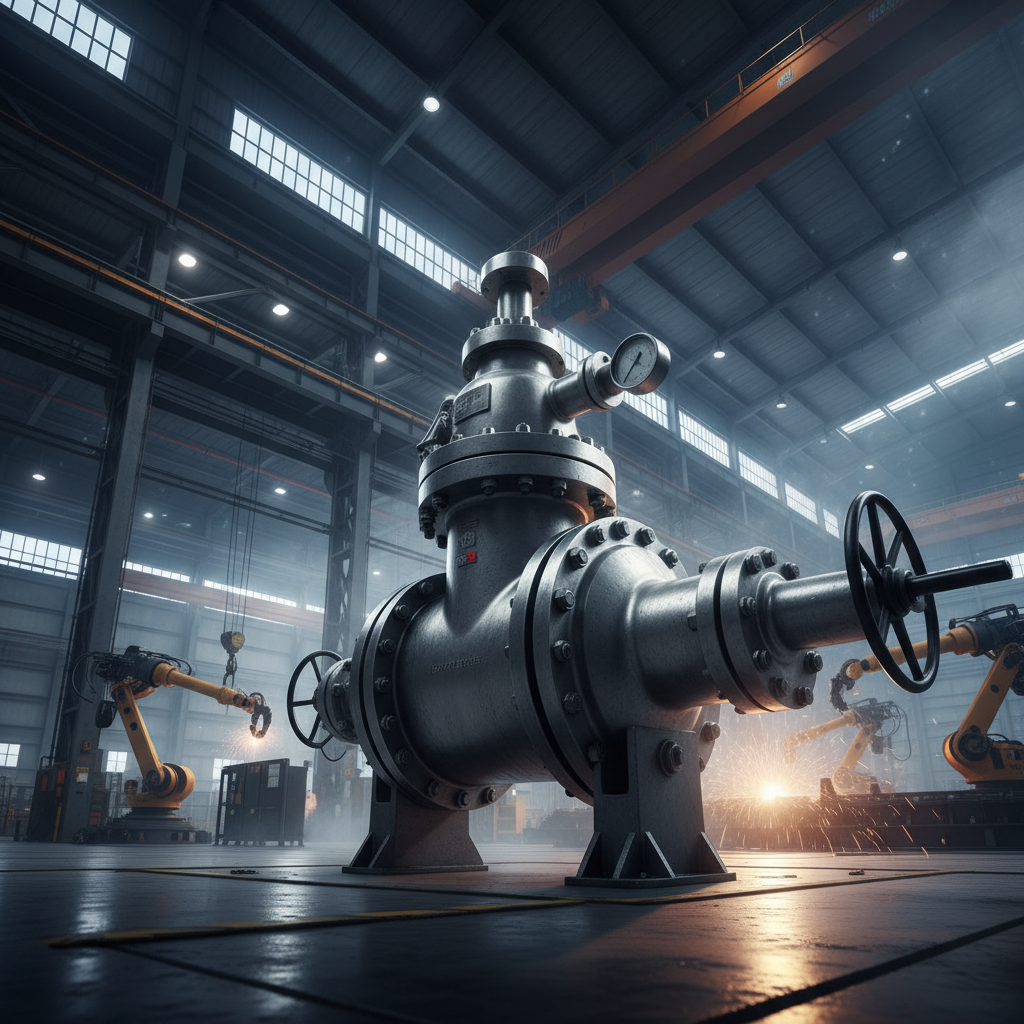
Gas pressure regulator manufacturers specialize in the engineering and production of critical devices designed to reduce high-pressure gas from a source to a lower, constant pressure for safe delivery to end-use equipment. These components are the backbone of gas infrastructure, ensuring that volatile fluids are managed with extreme precision to prevent system failures and hazardous leaks in industrial and municipal environments.
For procurement managers and engineers, the challenge lies in selecting regulators that balance high flow capacities with stringent safety certifications. In sectors like LNG gasification and city gas distribution, the volatility of inlet pressures requires equipment that can respond dynamically without sacrificing stability, making the choice of a qualified manufacturer a primary risk-management decision.
This technical guide explores the core mechanisms of gas pressure regulation, provides a framework for evaluating manufacturer capabilities, and analyzes the specific requirements for LNG and CNG applications. Readers will gain the necessary insights to differentiate between standard equipment and high-precision intelligent control devices used in modern gas networks.

1Fundamentals of Gas Pressure Regulation

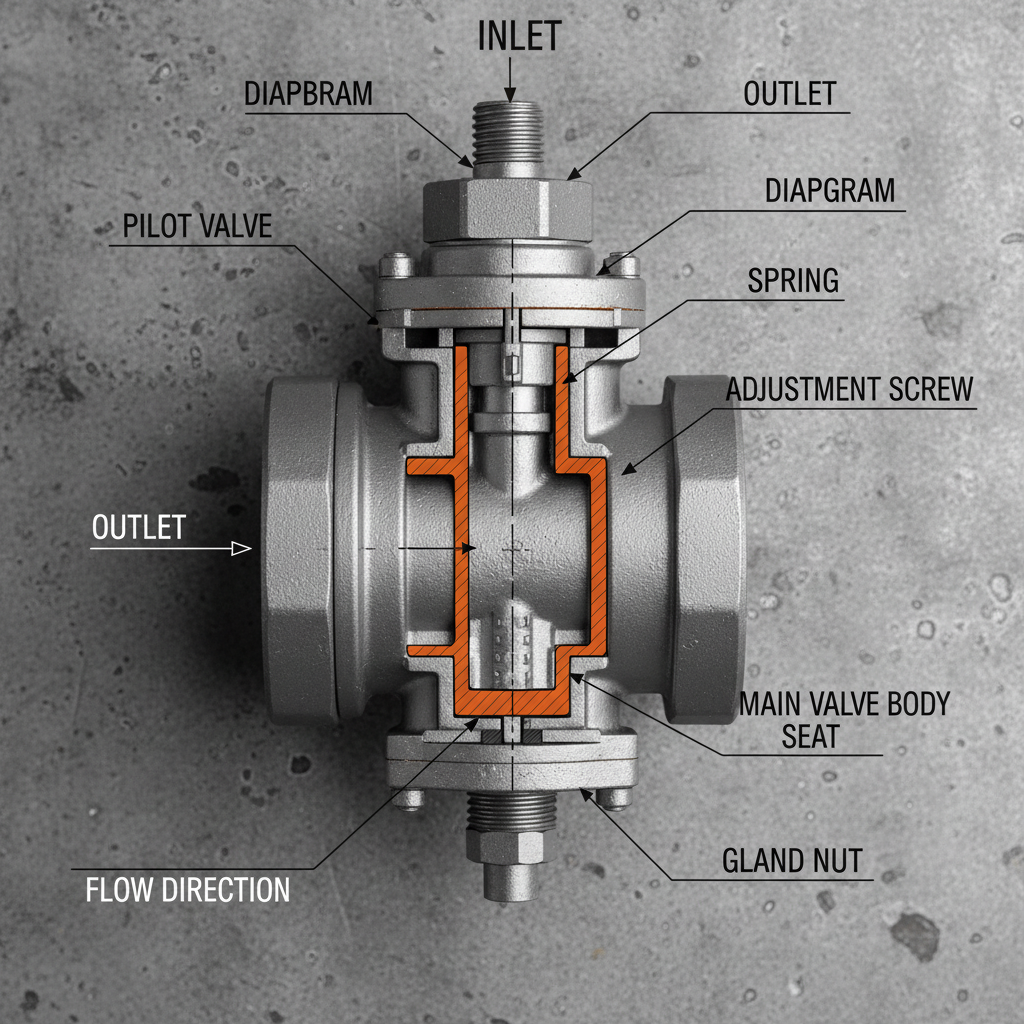
At its core, gas pressure regulation is the process of maintaining a stable downstream pressure regardless of fluctuations in the upstream supply or changes in the flow demand. Professional gas pressure regulator manufacturers utilize a combination of diaphragms, springs, and valve seats to create a balanced system that automatically adjusts the gas flow. This is essential for protecting downstream piping and appliances from over-pressurization.
The mechanical process typically involves a sensing element that monitors the downstream pressure and compares it to a preset value. If the pressure drops, the regulator opens the valve to allow more gas through; as the pressure reaches the set point, the valve closes. This rapid feedback loop happens in milliseconds to ensure a seamless supply of energy to the consumer.
In complex setups, such as LNG gasification stations, regulation occurs in multiple stages. First, the liquid LNG is vaporized, and then high-pressure reducing valves lower the pressure to a medium level before final regulation for municipal delivery. This staged approach prevents sudden temperature drops and improves overall system safety.
2Core Technical Features of Precision Regulators
Precision in gas regulation is defined by the ability to maintain a tight tolerance of the outlet pressure. Leading manufacturers focus on the material science of the diaphragm—often using reinforced elastomers or stainless steel—to prevent fatigue and leakage over thousands of cycles. This ensures that the equipment can handle the cryogenic temperatures of LNG or the high pressures of CNG without structural failure.
Another critical feature is the "lock-up" capability, which is the regulator's ability to shut off flow completely when the downstream pressure reaches the set point and flow stops. This prevents "creep," where pressure slowly rises downstream, potentially triggering safety relief valves or causing equipment damage.
Modern regulators often integrate safety stop valves and relief valves into a single assembly. This integration reduces the number of potential leak points in the pipeline and streamlines the installation process. By utilizing CNC machining and high-accuracy testing lines, manufacturers can guarantee that every unit meets national industrial standards for pressure vessels.
3Application Scenarios in LNG and CNG Systems
In LNG (Liquefied Natural Gas) satellite stations, regulators work alongside vaporizers. Since LNG is stored at extremely low temperatures, the gasification process must be carefully managed to avoid freezing the regulator components. High-performance systems often include auxiliary water bath heaters to ensure the gas temperature at the outlet remains above 5°C, protecting the downstream network.
For CNG (Compressed Natural Gas) applications, the pressure differential is significantly higher. Regulators must be capable of handling inlet pressures that can exceed 20 MPa, reducing them safely to usable levels. This requires heavy-duty housing and precision-ground valve seats to prevent erosion caused by high-velocity gas flows.
Municipal gas networks utilize integrated device series where multiple regulators are arranged in parallel. This redundancy ensures that if one unit requires maintenance, the city's gas supply remains uninterrupted. These stations integrate metering, odorization, and regulation into a compact, automated footprint.
4Performance Metrics and Safety Parameters
Evaluating a regulator's performance requires a look at its operational limits and safety margins. Key metrics include the Design Pressure, Strength Pressure Test, and Airtightness Test. For instance, a regulator designed for a 1.6 MPa pressure must be tested at 2.4 MPa for strength to ensure a significant safety buffer against accidental over-pressurization.
Flow capacity, measured in Nm³/h, determines the scale of the installation. A small-scale station might only require 200 Nm³/h, whereas a large municipal hub may need up to 10,000 Nm³/h. The efficiency of the recuperator and the accuracy of the flowmeter (typically level 1.0-1.5) are also vital for billing and operational auditing.
gas pressure regulator manufacturers Performance Metrics
Safety is non-negotiable, with safety valve open pressures strictly calibrated (e.g., 0.84 MPa) to vent excess gas before it can rupture the pipeline. The use of high-accuracy digital processing equipment during manufacturing ensures that these parameters are consistent across every unit produced.
5Procurement Criteria for Industrial Regulators
When sourcing from gas pressure regulator manufacturers, procurement teams should prioritize certification over price. Licenses for pressure pipeline element manufacturing and pressure vessel manufacturing are essential. Without these, the equipment may not comply with national safety laws, leading to insurance liabilities and operational risks.
Compatibility is another critical factor. The regulator must be compatible with the specific gas composition (natural gas, LNG, or CNG) to prevent corrosion. For example, materials used in LNG systems must be resistant to cryogenic embrittlement, whereas CNG systems require high-tensile strength alloys.
Finally, consider the Total Cost of Ownership (TCO). While a cheaper regulator may save costs upfront, a high-precision unit with low pressure drop and high automation reduces long-term energy consumption and labor costs associated with manual adjustments and frequent repairs.
6Trends in Intelligent Gas Control Devices
The industry is shifting toward "Smart Regulators" that integrate IoT sensors and digital control systems. Unlike traditional mechanical regulators, intelligent devices can transmit real-time pressure and flow data to a central control room, allowing for remote monitoring and predictive maintenance based on actual wear patterns.
Automation is reducing the need for on-site operators. Modern control systems can automatically switch between primary and standby regulators if a fault is detected, ensuring 100% uptime. This is particularly critical for the "Point Supply" and "Peak Shaving" equipment series used in industrial parks.
Environmental sustainability is also driving innovation. Manufacturers are developing "zero-leak" valve designs and using aluminum-made air separation components to reduce the carbon footprint of the equipment and lower the overall weight for easier transportation and installation.
7Comparative Analysis of Regulation Technologies
Choosing the right regulation technology depends on the specific needs of the gas network. While single-stage regulators are sufficient for low-pressure domestic use, industrial applications require multi-stage or integrated systems to maintain stability across wide pressure ranges.
The table below compares the most common regulation configurations used by professional manufacturers to help engineers select the appropriate solution for their specific infrastructure needs.
| Technology Type | Best Use Case | Main Strength | Primary Limitation |
|---|---|---|---|
| Single-Stage | Domestic Supply | Low Cost / Simple | High Pressure Drop |
| Multi-Stage | Industrial Hubs | Extreme Stability | Higher Complexity |
| Intelligent Control | Smart City Grids | Remote Monitoring | Higher Initial Investment |
| Cryogenic/LNG | LNG Satellite Stns | Thermal Resistance | Requires Heating Support |
| High-Pressure CNG | CNG Filling Stns | High Burst Strength | Heavier Material Req. |
| Integrated Series | Municipal Stations | All-in-One Solution | Larger Physical Footprint |
Ultimately, the decision should be based on the required vaporization capacity (ranging from 20 to 7000 Nm³/h) and the strictness of the outlet pressure requirements. Consulting with an experienced manufacturer can prevent costly under-specification of the equipment.
Frequently Asked Questions
Conclusion
Selecting the right gas pressure regulator is a critical decision that impacts the safety, efficiency, and reliability of any gas distribution network. From the cryogenic requirements of LNG gasification to the high-pressure demands of CNG, the expertise of the manufacturer in material science and precision engineering is the primary safeguard against system failure.
By focusing on certified safety parameters, choosing a design that matches the specific application scenario, and embracing the transition toward intelligent control devices, operators can ensure a stable energy supply. For those evaluating suitable solutions for their infrastructure, detailed product information and technical specifications can be reviewed at www.gasouyinuo.com.