0%

Table of Contents

The gasifier represents a pivotal technology in addressing global energy demands and waste management challenges. Its ability to convert diverse carbonaceous feedstocks into usable syngas opens doors for cleaner energy production, reduced landfill burden, and localized resource utilization. Understanding the principles and applications of gasification is increasingly crucial as the world moves toward sustainable and circular economies.

The relevance of gasifier technology extends across numerous sectors, from power generation and chemical production to biofuels and waste-to-energy initiatives. According to the UN, access to affordable and clean energy (SDG 7) remains a significant global hurdle, and gasification offers a viable pathway to achieve this goal. The World Bank also highlights the importance of sustainable waste management, where gasification plays a key role in diverting waste from landfills and creating valuable resources.

The core benefit of exploring gasifier technology lies in its versatility and potential for decentralized energy production. Unlike many conventional energy systems, gasification can operate on a smaller scale, making it ideal for rural communities, remote industrial sites, and disaster relief operations. This localized production capacity reduces transmission losses, enhances energy security, and fosters economic development.
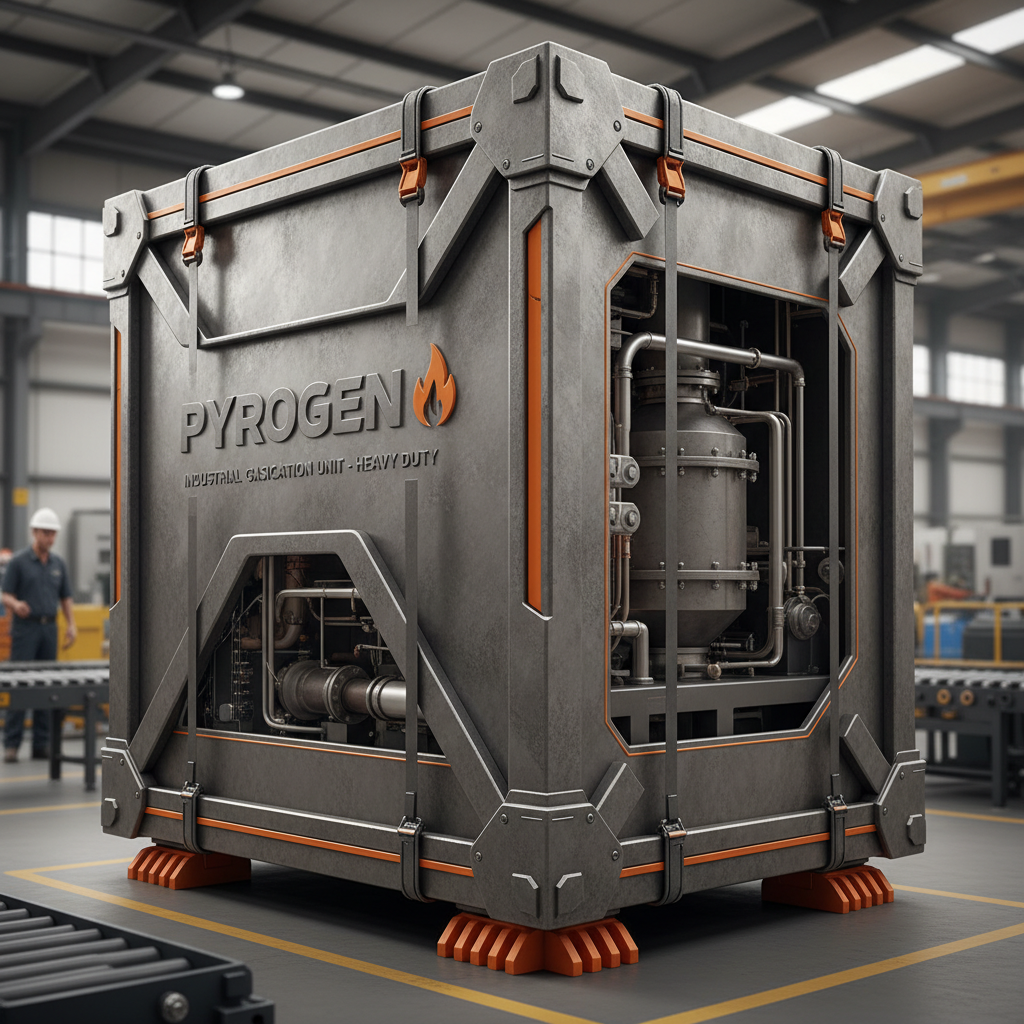
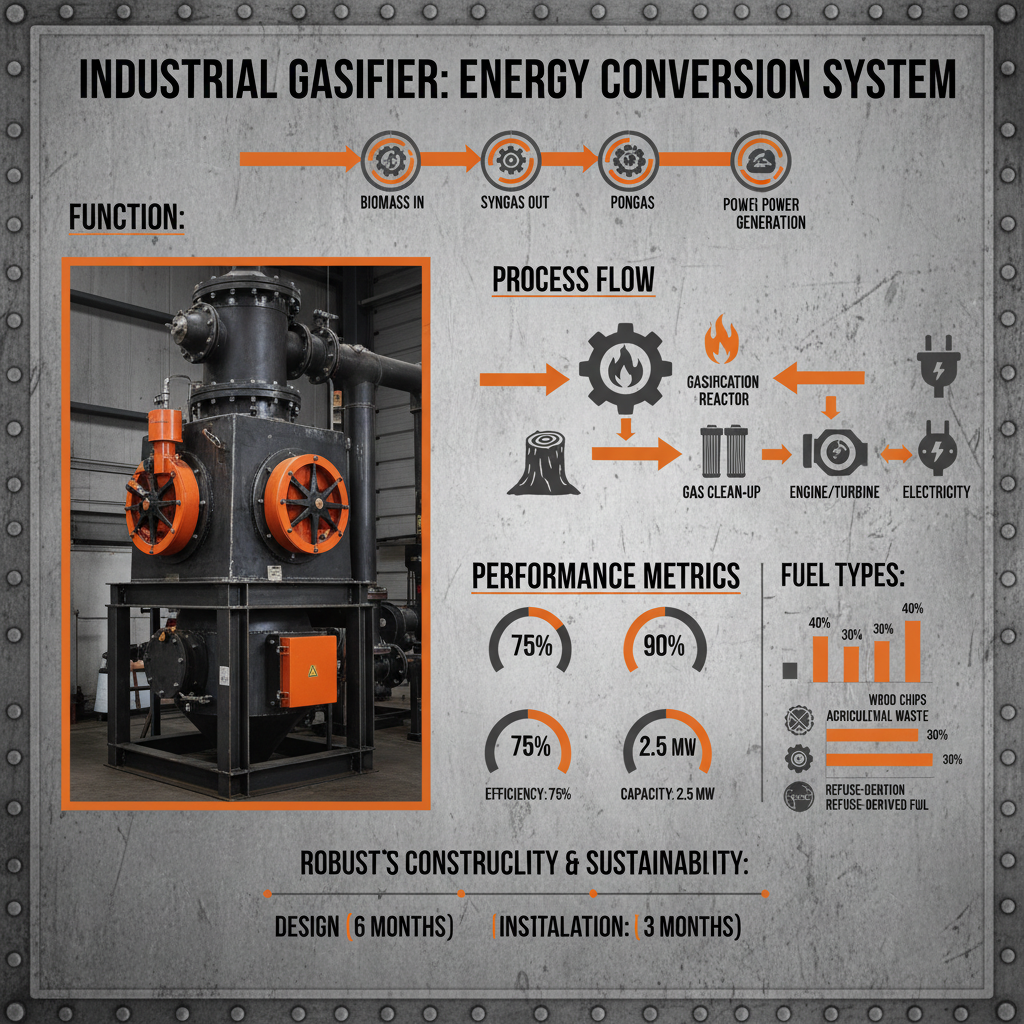
Advancing Sustainable Energy Solutions with Innovative Gasifier Technology

The Core Principles of gasifier

Advancing Sustainable Energy Solutions with Innovative Gasifier Technology

At its heart, a gasifier is a thermochemical process that converts carbonaceous materials – such as biomass, coal, or waste – into a gaseous fuel known as syngas. This conversion occurs through partial oxidation at high temperatures, typically between 700°C and 1400°C. The process isn't complete combustion; rather, it's a controlled reaction with limited oxygen.

The resulting syngas is a mixture primarily composed of carbon monoxide (CO), hydrogen (H2), and carbon dioxide (CO2), along with smaller amounts of methane (CH4) and other gases. This syngas can then be used directly as a fuel source for power generation, or further processed into a variety of valuable chemicals and fuels, like methanol or synthetic gasoline.

Gasifier Feedstock Versatility

One of the most compelling advantages of gasifier technology is its remarkable feedstock flexibility. Unlike many energy conversion technologies that require specific fuel types, gasification can efficiently process a wide range of carbonaceous materials. This includes agricultural residues (straw, corn stalks), forestry waste (wood chips, bark), municipal solid waste (MSW), industrial byproducts, and even certain types of plastics.

This broad feedstock acceptance makes gasification particularly attractive for regions with abundant waste resources, reducing landfill burdens and creating a circular economy. The ability to utilize locally available materials also enhances energy independence and reduces reliance on fossil fuel imports. Careful feedstock preparation, such as size reduction and drying, is often necessary to optimize gasification performance.

Furthermore, ongoing research focuses on expanding the range of viable feedstocks to include more challenging materials like algae and dedicated energy crops, further bolstering the long-term sustainability of the process.

Operational Parameters of a gasifier

The efficiency and performance of a gasifier are significantly influenced by several key operational parameters. These include the gasification agent (air, oxygen, steam, or a mixture), the reaction temperature, the residence time of the feedstock within the gasifier, and the pressure of the process. Each parameter plays a crucial role in controlling the syngas composition and overall conversion rate.

For example, using pure oxygen as the gasification agent results in a syngas with a higher heating value but also requires an expensive oxygen separation unit. Steam gasification, on the other hand, produces a syngas rich in hydrogen, making it suitable for hydrogen production applications. Careful optimization of these parameters is essential to tailor the gasification process to specific feedstock characteristics and desired product outputs.

Advanced control systems are increasingly employed to monitor and adjust these parameters in real-time, ensuring stable operation and maximizing gasifier efficiency. These systems often incorporate sensors to measure temperature, pressure, gas composition, and feedstock flow rate.

Gasifier Efficiency and Emissions

The overall efficiency of a gasifier system, encompassing feedstock preparation, gasification, syngas cleanup, and power generation, typically ranges from 20% to 40%, depending on the specific technology and operating conditions. Efforts to improve efficiency are focused on optimizing heat recovery, minimizing carbon losses, and enhancing the conversion rate of the feedstock.

Emissions from gasification plants are a critical concern, and modern gasifiers are equipped with sophisticated gas cleanup systems to remove pollutants such as particulate matter, sulfur compounds, nitrogen oxides, and dioxins. These systems often employ technologies like cyclones, scrubbers, and filters to ensure that emissions meet stringent environmental regulations.

Syngas Component Distribution in a Typical gasifier


Global Applications of gasifier Technology

Gasifier technology is gaining traction globally, with diverse applications across various sectors. In Europe, gasification is being deployed to convert agricultural residues into renewable energy and chemicals, contributing to the region's ambitious climate goals. In Asia, particularly in China and India, gasification plants are utilized for coal gasification to produce synthetic fuels and chemicals.

Advantages and Economic Viability of gasifier

The advantages of employing a gasifier extend beyond environmental benefits, encompassing significant economic opportunities. By converting waste materials into valuable products, gasification reduces waste disposal costs and generates revenue streams. The localized nature of gasification plants also creates jobs in rural communities and reduces transportation costs.

The economic viability of gasification projects depends on factors such as feedstock availability, energy prices, and government incentives. However, as the cost of fossil fuels rises and environmental regulations become more stringent, gasification is becoming increasingly competitive with conventional energy technologies.

Furthermore, the modularity of many gasification systems allows for scalable deployments, enabling investors to tailor projects to specific market demands and financial constraints.

Future Trends in gasifier Development

The future of gasifier technology is bright, with ongoing research and development focused on improving efficiency, reducing costs, and expanding the range of applications. Advanced gasification concepts, such as plasma gasification and supercritical gasification, are being explored to achieve higher conversion rates and process more challenging feedstocks.

Digitalization and automation are also playing a key role in optimizing gasifier operation and reducing maintenance costs. The integration of artificial intelligence (AI) and machine learning (ML) algorithms allows for predictive maintenance, real-time process control, and optimized feedstock blending.

Furthermore, the development of new catalysts and gas cleanup technologies is crucial to reduce emissions and improve syngas quality, paving the way for wider adoption of gasification as a sustainable energy solution.

Key Performance Indicators for Different gasifier Technologies

Gasifier Technology Type Capital Cost (USD/kW) Thermal Efficiency (%) Operational Complexity (1-10)
Fixed Bed Gasifier 2,000 - 3,500 60 - 70 4
Fluidized Bed Gasifier 2,500 - 4,000 65 - 75 6
Entrained Flow Gasifier 3,000 - 5,000 70 - 80 8
Plasma Gasifier 5,000 - 8,000 50 - 60 9
Downdraft Gasifier 1,800 - 3,000 55 - 65 5
Rotary Kiln Gasifier 2,200 - 3,800 62 - 72 7

FAQS

What types of waste can a gasifier process?

A gasifier is remarkably versatile and can process a wide range of carbonaceous wastes, including biomass (wood chips, agricultural residues), municipal solid waste (MSW), plastics, and even certain industrial byproducts. The key requirement is that the material must be carbon-based and relatively dry. However, pre-processing, such as size reduction and drying, may be necessary to optimize performance and ensure consistent feedstock quality. Gasification offers a promising pathway for diverting waste from landfills and converting it into valuable energy and chemicals.

What are the main emissions from a gasifier and how are they controlled?

Gasification can generate emissions like particulate matter, sulfur compounds (e.g., H2S), nitrogen oxides (NOx), carbon monoxide (CO), and dioxins. However, modern gasification plants are equipped with advanced gas cleanup systems to minimize these emissions. These systems typically include cyclones, scrubbers, filters, and catalytic converters. The specific cleanup technologies employed depend on the type of gasifier, the feedstock used, and the regulatory requirements in the region. Effective emissions control is crucial for ensuring the environmental sustainability of gasification.

How does the efficiency of a gasifier compare to other energy conversion technologies?

The overall efficiency of a gasifier system, from feedstock input to usable energy output, typically ranges from 20% to 40%. This is often lower than some conventional power plants (e.g., combined cycle gas turbines) which can achieve efficiencies of 60% or higher. However, gasification offers advantages in terms of feedstock flexibility and waste reduction, which are not directly captured by efficiency metrics alone. Furthermore, ongoing research is focused on improving gasifier efficiency through advanced technologies and optimized process control.

What is syngas and what can it be used for?

Syngas, or synthesis gas, is the primary product of the gasification process. It’s a gas mixture consisting mainly of carbon monoxide (CO) and hydrogen (H2), with varying amounts of carbon dioxide (CO2), methane (CH4), and other gases. Syngas is a versatile fuel that can be used directly in gas engines, gas turbines, or fuel cells to generate electricity. It can also be further processed into a range of valuable chemicals and fuels, including methanol, ammonia, synthetic gasoline, and hydrogen.

What is the scalability of a gasifier? Can it be used for small-scale or large-scale applications?

One of the key advantages of gasification is its scalability. Gasifiers can be designed and operated in a wide range of sizes, making them suitable for both small-scale and large-scale applications. Small-scale gasifiers can be used to provide localized energy for rural communities or remote industrial sites, while larger-scale gasification plants can be integrated into central power grids. The modular nature of many gasification systems allows for flexible deployment and expansion to meet changing energy demands.

What are the main economic challenges associated with gasifier deployment?

The economic viability of gasification projects can be influenced by several factors. High capital costs, particularly for advanced gasification technologies, can be a significant barrier to entry. Feedstock costs and availability also play a crucial role, as does the price of competing energy sources. Government incentives, such as tax credits or subsidies, can help to improve the economic competitiveness of gasification projects. Furthermore, the development of standardized designs and streamlined permitting processes can reduce costs and accelerate deployment.

Conclusion

In conclusion, gasifier technology presents a compelling solution to several pressing global challenges, from energy security and waste management to climate change mitigation. Its versatility, ability to utilize diverse feedstocks, and potential for decentralized energy production make it a valuable asset in the transition to a more sustainable and circular economy. Continued innovation and investment in gasification research and development are crucial to unlock its full potential.

Looking ahead, the integration of digitalization, automation, and advanced materials will further enhance the efficiency and economic viability of gasification. Government support, coupled with private sector investment, will be essential to accelerate the deployment of gasification technologies worldwide. Embracing gasifier as a key component of a diversified energy portfolio is paramount for a cleaner, more resilient, and sustainable future.

Kevin Zhang

Kevin Zhang

Kevin Zhang is a Sales & Application Engineer at Hebei Ouyinuo Gas Equipment Co., Ltd., with a strong technical background. He is the primary point of contact for several key clients, including Sinopec and China Res Gas. Kevin’s role involves understanding customer needs and tailoring Ouyinuo’s solutions to specific operational
Previous Understanding Natural Gas Pressure Regulators for Safe and Efficient Energy Delivery
Next Essential Gas Booster Technology for Industrial and Scientific Applications