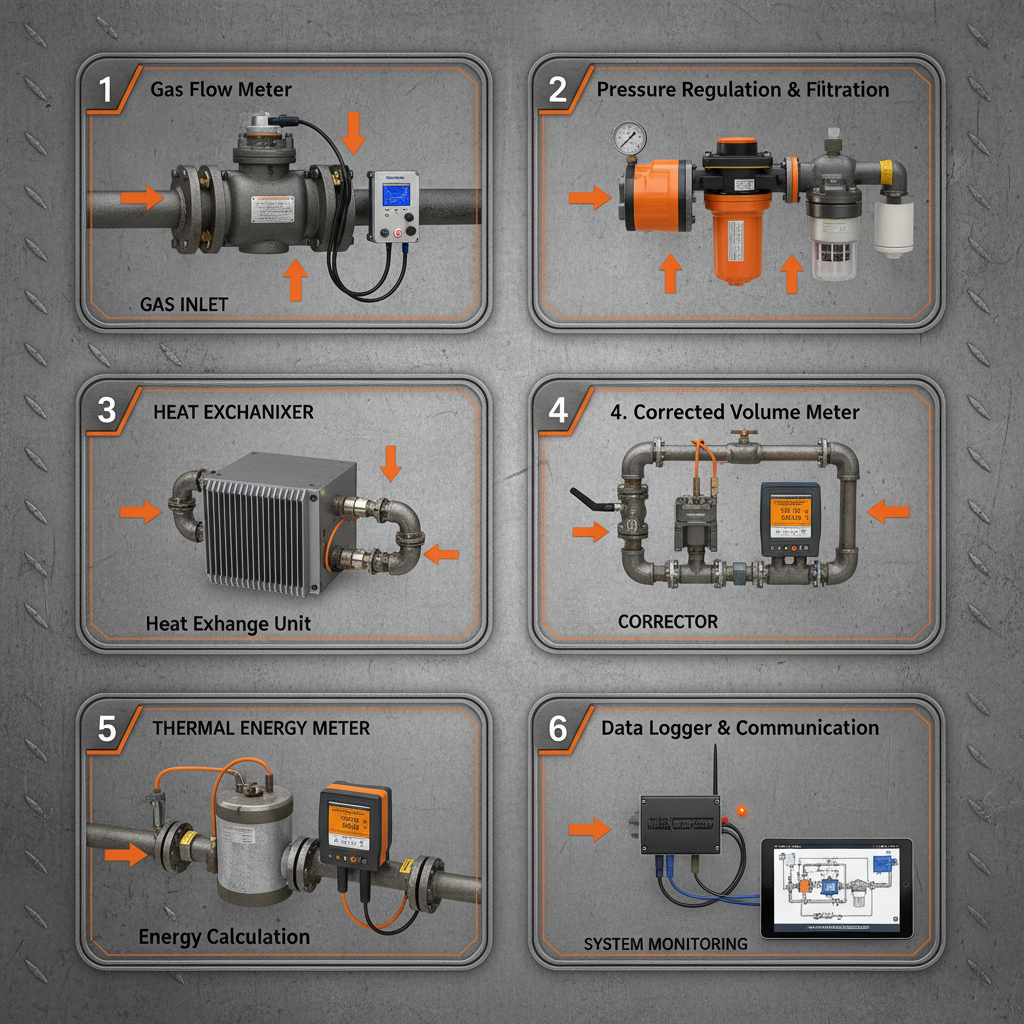
When managing high-pressure gas distribution systems, the presence of liquid droplets and solid particulates can lead to catastrophic equipment failure or inconsistent flow regulation. For procurement managers and system engineers, identifying reliable gas filter separator manufacturers is not merely about finding a vendor, but about securing the structural integrity of the entire gas transmission chain. The ability to effectively remove contaminants before they reach sensitive downstream components is the primary line of defense in industrial gas management.
The critical nature of this filtration process becomes evident when integrating these separators with high-precision components like the HL series pressure regulators. These regulators, characterized by their axial-flow design and balance valve architecture, require ultra-clean gas to maintain their precise pressure deviation and short response times. Any failure in the initial separation stage can lead to debris accumulation in the regulator's membrane or valve seat, causing "hunting" or failure to close, which directly impacts the safety of the point supply and peak shaving equipment.
Understanding the technical synergy between filtration and regulation is essential for optimizing system uptime and reducing maintenance overhead. This analysis examines the critical selection criteria for filtration systems and how they integrate with the broader equipment series, including safety devices and vessel series. By evaluating the operational requirements of natural gas and LPG systems, we can determine how to best leverage gas filter separator manufacturers to ensure long-term stability in high-load environments.


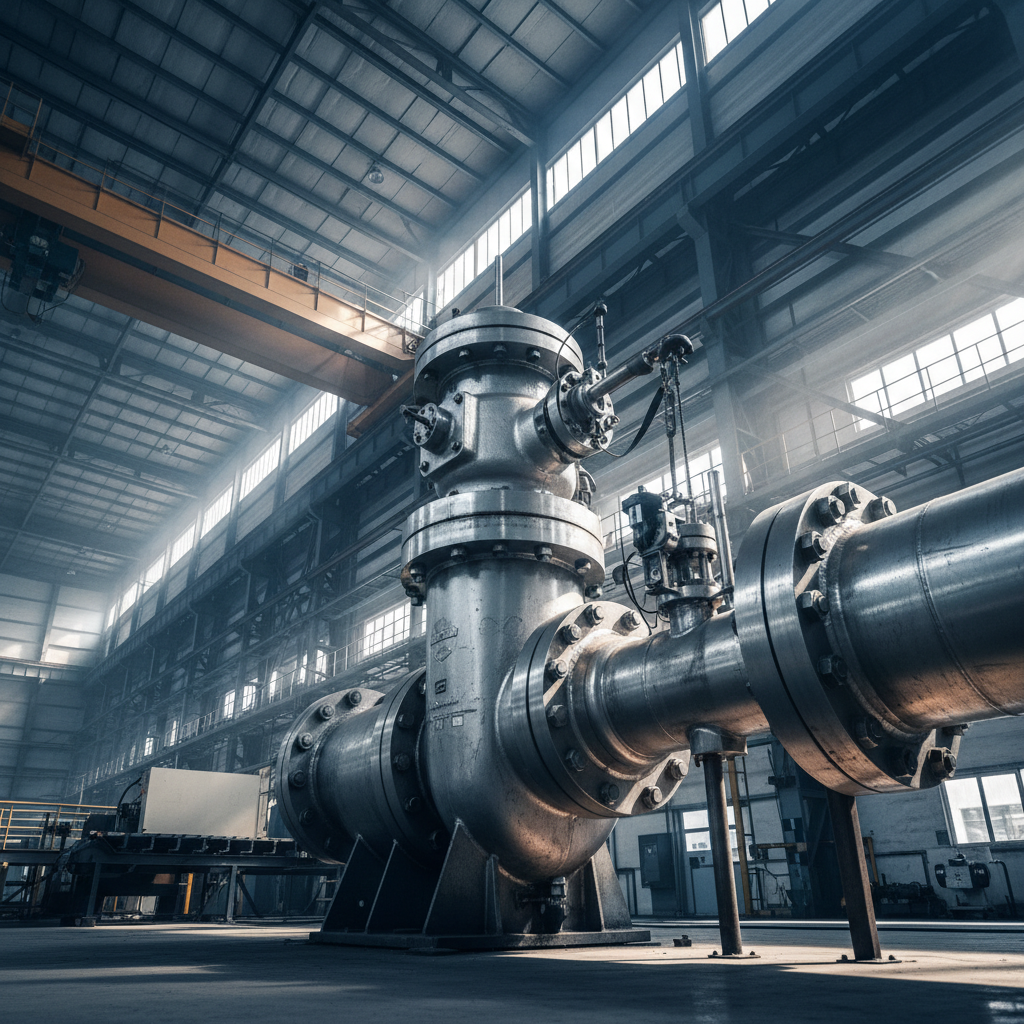
A gas filter separator is a specialized vessel designed to remove both liquid aerosols and solid particles from a gas stream. Unlike simple filters, separators use centrifugal force and coalescence to force small droplets to merge into larger ones, which then drop out of the gas stream due to gravity. This is essential for non-corrosive gases like natural gas, coal gas, and LPG, where liquid carry-over can cause severe erosion of valve internal components.
The efficiency of these systems is heavily dependent on the internal design, including the baffle plates and the filter element's micron rating. When paired with downstream equipment like the Voltage Regulator Series or the Vessel Series, the separator ensures that the gas entering the regulator is dry and clean. This prevents the "sticky" behavior of diaphragms and ensures that the axial-flow mechanisms of the HL series regulators operate without friction-induced lag.
The selection of materials for the vessel and the filter element is the first determinant of longevity. In high-pressure environments (Class 150 to Class 900), the vessel must withstand significant stress while maintaining a tight seal. The use of reinforced steel and high-grade gaskets is non-negotiable to prevent leaks that could compromise the safety of the integrated device series.
The most critical performance metric is the balance between filtration efficiency and pressure drop. A separator that removes 99.9% of contaminants but causes a significant drop in inlet pressure will force the downstream regulator to work harder, potentially leading to instability or overshoot during full load conditions.
Furthermore, the compatibility of the filter medium with the specific gas media—whether it be liquefied petroleum gas or coal gas—is vital. Non-corrosive gas specifications must be strictly followed to prevent the degradation of the internal elements, which could otherwise lead to "breakthrough," where contaminants bypass the filter and enter the control system.
Integrating high-efficiency separation at the inlet provides immense value by extending the service life of downstream assets. When contaminants are removed, the valve barrels of pressure regulators maintain their tight seals longer, and the sturdy construction of the HL series is not subjected to premature abrasive wear. This reduces the frequency of on-line maintenance and lowers the total cost of ownership for the gas station.
The real operational value lies in the stabilization of the downstream pressure. By eliminating liquid slugs, the regulator's diaphragm can respond instantaneously to load changes, maintaining the precision class (AC1, AC2.5, or AC5) without the interference of fluid turbulence.
From a safety perspective, the combination of a filter separator and a safety device series prevents the risk of overpressure caused by regulator malfunction. Clean gas ensures that safety stop valves and relief valves operate according to their calibrated setpoints, providing a reliable fail-safe mechanism for the entire peak shaving equipment series.
The relationship between the nominal size (DN25 to DN400) and the resulting pressure drop is a key consideration for system designers. Larger vessels typically allow for lower gas velocities, which enhances the separation of smaller droplets and reduces the resistance to flow. This is particularly important for high-flow installations where maintaining a stable inlet pressure of up to 10MPa is required.
Comparing the relative efficiency of different nominal sizes under a standard load reveals that larger diameters significantly reduce the energy loss associated with filtration. This efficiency gain allows the downstream HL series regulator to operate closer to its optimal balance valve design, ensuring that the pressure deviation remains small even at full load.
Industrial gas transmission hubs utilize these separators as the primary defense for city gas pressure regulating stations. In these scenarios, the equipment must handle varying inlet pressures (2 MPa to 16 MPa) while ensuring that the gas delivered to the urban grid is free of moisture and particulates. The modular design of these systems allows for easy integration with vessel series and control systems.
Another critical application is in LNG and CNG decompression stations. The extreme temperature changes associated with decompression can cause moisture to condense into liquids. Here, the filter separator works in tandem with point supply and peak shaving equipment to maintain a constant flow rate and prevent liquid carry-over from damaging the high-precision axial-flow regulators.
The industry is moving toward "smart" filtration, where differential pressure sensors are integrated into the separator vessel. These sensors provide real-time data to the control system, alerting operators exactly when the filter element needs replacement based on actual clogging levels rather than a fixed schedule. This shift reduces unnecessary downtime and optimizes the lifecycle of the filter media.
Furthermore, there is an increasing focus on the development of high-precision, low-noise systems. By equipping separators and regulators with silencers, manufacturers are reducing the acoustic footprint of gas stations, which is essential for facilities located near residential areas. This reflects a broader trend toward environmentally conscious industrial design.
We can also expect the integration of advanced materials, such as nanostructured ceramic filters, which offer higher separation efficiency with even lower pressure drops. These innovations will likely be incorporated into the next generation of integrated device series, further enhancing the stability of the gas supply chain.
One of the most frequent challenges is "fluttering" or hunting in the downstream regulator, often caused by turbulence created by an improperly sized filter separator. When the velocity is too high, it creates eddies that interfere with the regulator's sensing line. The solution is to ensure the separator's nominal size is matched to the maximum flow rate of the HL series regulator.
Another issue is the accumulation of contaminants during the initial startup of a new pipeline. This can lead to rapid clogging of the filter, causing a sudden drop in outlet pressure. Implementing a staged filtration approach, where a coarse separator precedes a fine filter, can mitigate this risk and protect the downstream safety device series.
Finally, improper adjustment of the regulator after separator installation can lead to overpressure. It is critical to follow a gradual adjustment process, turning the screw in small increments and allowing the system to stabilize. This ensures that the balance valve design performs optimally and the response time of the membrane remains short.
| System Component | Critical Requirement | Risk of Failure | Technical Solution |
|---|---|---|---|
| Filter Vessel | High Pressure Seal | Gas Leakage | ANSI B16.5 RTJ Flanges |
| Filter Element | Micron Efficiency | Contaminant Bypass | Coalescing Media |
| HL Regulator | Clean Gas Feed | Membrane Lag | Axial-Flow Design |
| Sensing Line | Unobstructed Flow | Pressure Hunting | Modular Venting |
| Safety Valve | Calibrated Setpoint | Overpressure | Integrated Safety Series |
| Maintenance Port | Easy Accessibility | Extended Downtime | On-line Maintenance Design |
A gas filter primarily removes solid particulates using a porous medium, whereas a gas separator is designed to remove liquid droplets (aerosols) through centrifugal force and coalescence. Most industrial "filter separators" combine both functions into one vessel to ensure the gas is free of both solids and liquids before it reaches regulators.
It protects the regulator by ensuring no debris enters the valve barrel or membrane. Without proper separation, contaminants can cause the valve to stick or the membrane to tear, leading to unstable outlet pressure and an increase in pressure deviation, which compromises the precision class (AC1/AC2.5).
For high-pressure applications (Class 600 to Class 900), RTJ (Ring Type Joint) flanges are preferred over RF (Raised Face) flanges. RTJ connections provide a more robust seal under extreme pressure, significantly reducing the risk of leaks in critical gas transmission and distribution hubs.
Replacement frequency depends on the gas cleanliness and flow rate. However, the best practice is to monitor the differential pressure across the vessel. When the pressure drop exceeds the manufacturer's recommended limit, the element should be replaced to avoid starving the downstream regulator of necessary inlet pressure.
Yes, they are specifically designed for LNG and CNG applications. In decompression stations, where liquid formation is common due to temperature drops, the separator is essential to prevent liquid carry-over from entering the decompression equipment and downstream regulators.
Hunting is often caused by turbulence or a mismatched regulator size. If the separator creates a restrictive flow or if there are sharp bends in the piping immediately following the separator, it can cause pressure fluctuations that confuse the regulator's sensing mechanism. Ensuring a smooth flow path is the primary solution.
The effectiveness of a gas distribution system is fundamentally tied to the quality of its initial filtration. By partnering with experienced gas filter separator manufacturers, operators can ensure that their downstream HL series regulators and safety devices operate in a clean environment, maintaining their precision and extending their service life. The synergy between high-efficiency separation and precise regulation is what allows for the safe and stable transmission of natural gas and LPG across industrial and urban networks.
For organizations seeking to optimize their gas infrastructure, focusing on integrated solutions—where separators, regulators, and safety devices are engineered to work together—is the most reliable path to operational excellence. To explore technical specifications for high-pressure vessels and regulation equipment, you are invited to visit our professional resource center at www.gasouyinuo.com for detailed guidance and support.