In the complex landscape of modern industrial fluid management, metering systems serve as the critical heartbeat of precision control, ensuring that liquids and gases are dispensed with absolute accuracy. Whether managing high-pressure steam in a power plant or chemical additives in a pharmaceutical lab, the ability to measure and control flow determines not only the quality of the final product but also the operational safety of the entire facility.
Globally, the shift toward Industry 4.0 has transformed these systems from simple mechanical counters into intelligent, networked nodes capable of real-time data telemetry. As industries strive for leaner production and reduced waste, the integration of advanced metering systems allows operators to monitor consumption patterns, predict maintenance needs, and optimize energy efficiency across vast distribution networks.
Understanding the nuances of these systems is no longer just a requirement for engineers, but a strategic advantage for business owners. By mastering the selection and implementation of the right metering technology, companies can significantly reduce overhead costs, ensure compliance with stringent environmental regulations, and enhance the overall reliability of their industrial infrastructure.
Global Relevance of Metering Systems
On a global scale, the precision of metering systems is intrinsically linked to economic stability and resource sustainability. According to ISO standards for measurement and calibration, even a 1% margin of error in large-scale industrial metering can result in millions of dollars in lost revenue or hazardous waste accumulation annually. In the energy sector, precise metering is the foundation of "custody transfer," where the legal ownership of fluids changes hands, requiring extreme accuracy to prevent financial disputes.
The challenge today lies in the aging infrastructure of many developed nations, where legacy systems struggle to meet modern efficiency demands. The transition to smart metering systems is not merely a technological upgrade but a global necessity to meet carbon neutrality goals and reduce the environmental footprint of heavy manufacturing.
Core Definitions and Industrial Meaning
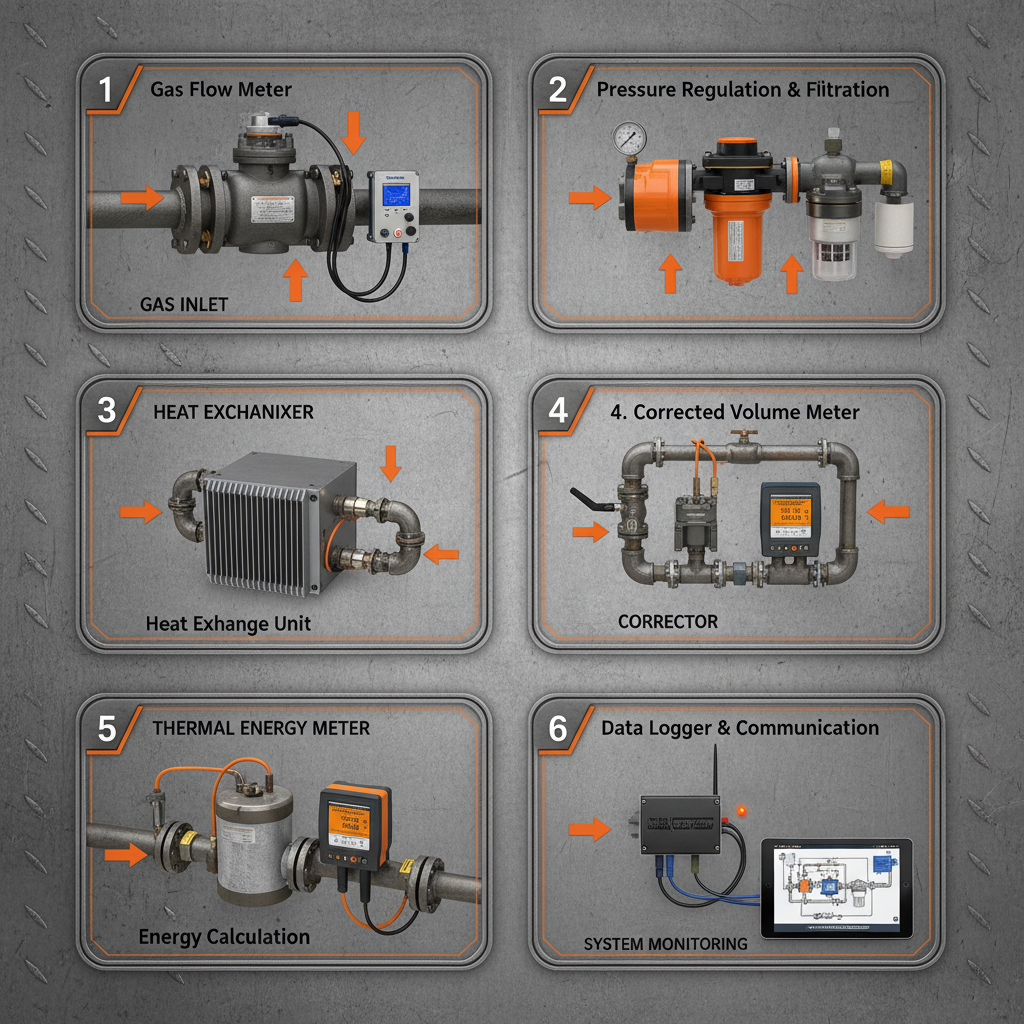
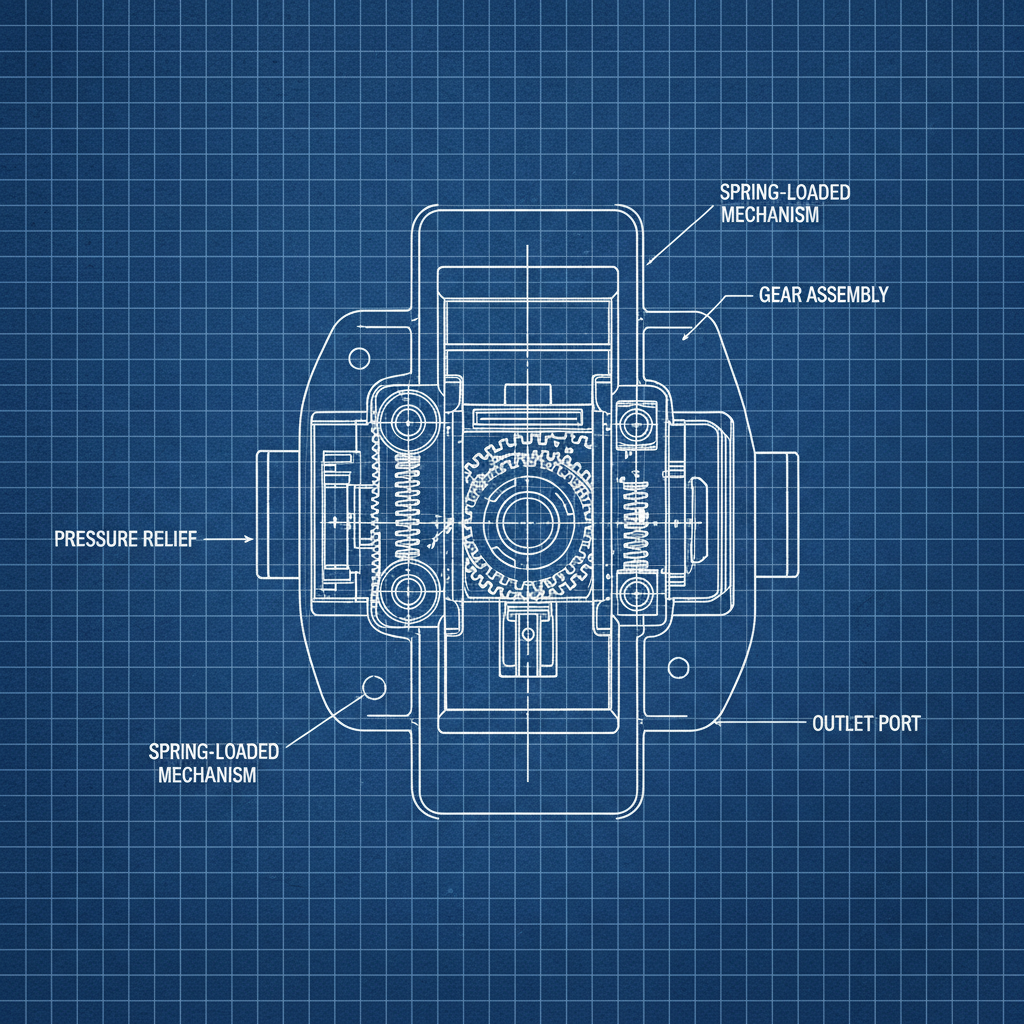
In simple terms, metering systems are integrated assemblies of sensors, valves, and controllers designed to measure the volume or mass of a fluid passing through a pipeline and, in many cases, regulate that flow to a specific set point. Unlike a simple meter, a "system" implies a holistic approach—integrating filtration to protect the sensor, pressure regulation to ensure stability, and data acquisition to make the information actionable.
For the modern valve and equipment manufacturer, these systems represent the bridge between raw mechanical force and digital precision. They are essential for ensuring that the right amount of reagent is added to a chemical process or that the correct volume of gas is delivered to a turbine, preventing catastrophic failures and ensuring a consistent output quality that meets global trade standards.
Beyond technical specs, the industrial meaning of these systems is rooted in "Trust." In a B2B environment, the data provided by the metering systems acts as the ultimate source of truth for billing, audit trails, and safety compliance, making the reliability of the hardware just as important as the accuracy of the software.
Key Factors for System Reliability
Durability is the cornerstone of any high-performance metering systems. Because these systems often operate in corrosive environments or handle abrasive slurries, the choice of metallurgy—such as 316L stainless steel or Hastelloy—is critical to prevent erosion and ensure that the measurement orifice remains unchanged over years of service.
Scalability and modularity allow metering systems to grow with the facility. A well-designed system is not a static piece of hardware but a flexible framework where additional sensors or higher-capacity valves can be integrated without requiring a complete redesign of the pipeline architecture, reducing long-term CAPEX.
Cost efficiency in metering is measured not by the initial purchase price, but by the total cost of ownership (TCO). High-precision metering systems reduce product giveaway and minimize the frequency of manual calibrations, directly impacting the bottom line through improved operational uptime and lower maintenance overhead.
Global Applications and Use Cases
In the oil and gas sector, metering systems are deployed in remote industrial zones to manage the extraction and transport of hydrocarbons. For instance, in the Permian Basin or the North Sea, automated metering skids enable operators to monitor flow rates from multiple wells in real-time, allowing for rapid adjustments to maintain reservoir pressure and optimize recovery rates.
In the pharmaceutical and food-grade industries, these systems ensure that precise dosages of active ingredients are mixed into batches. This application is critical for safety; a slight over-metering of a potent chemical could render a medicine toxic, while under-metering would make it ineffective. Here, the focus shifts to "hygienic metering," where the system must be easily sterilizable (CIP/SIP) to prevent contamination.
Comparative Efficiency of Various Metering Systems Technologies
Long-Term Value and Strategic Advantages
The long-term value of investing in premium metering systems manifests in the form of systemic reliability and risk mitigation. By ensuring that flow rates are always within specified parameters, companies avoid the risk of equipment damage due to cavitation or over-pressurization, which can lead to costly unscheduled shutdowns and potential safety hazards for personnel.
Furthermore, there is a psychological and brand-related advantage to precision. When a manufacturer can guarantee an exact composition of their product through audited metering systems, they build a level of trust with their clients that becomes a competitive moat. This reliability fosters innovation, as engineers can push the boundaries of their processes knowing that the foundation of their measurement is rock-solid.
Future Trends in Metering Innovation
The future of metering systems is inextricably linked to the "Digital Twin" concept. We are seeing a move toward systems that not only measure flow but create a virtual mirror of the physical process in the cloud. This allows for predictive simulation, where AI can determine how a change in fluid viscosity or temperature will affect flow rates before the change even occurs in the physical pipeline.
Sustainability is also driving the adoption of "zero-leakage" metering. New materials and valve designs are being integrated into metering systems to eliminate fugitive emissions, particularly for volatile organic compounds (VOCs). This alignment with green energy policies makes high-efficiency metering a key component of any ESG (Environmental, Social, and Governance) strategy.
Finally, the integration of IoT (Internet of Things) is decentralizing the control of these systems. Instead of a single central control room, edge computing allows the metering systems to make autonomous decisions—such as shutting down a line if a leak is detected—in milliseconds, drastically reducing the response time to industrial anomalies.
Common Challenges and Expert Solutions
One of the most persistent challenges in metering systems is the "turndown ratio"—the range between the maximum and minimum flow rates that can be measured accurately. Many systems struggle with low-flow precision, leading to cumulative errors. The expert solution is the implementation of multi-range metering, where different sensors are used for different flow regimes, switched automatically by a smart controller.
Another common hurdle is signal interference and "noise" in electrical metering components, which can lead to erratic readings. To overcome this, advanced shielding and digital signal processing (DSP) are now standard in high-end metering systems, filtering out the mechanical vibrations of the plant to isolate the pure measurement signal.
Lastly, the lack of standardized calibration across different global regions can create hurdles for international projects. The solution lies in adopting a "Modular Calibration" approach, where metering systems are designed for easy access to calibration ports and are compatible with universal digital protocols like HART or Modbus, ensuring seamless integration regardless of the geographic location.
Comparison of Metering Systems Challenges and Strategic Solutions
| Challenge Dimension |
Common Symptom |
Expert Solution |
Impact Score (1-10) |
| Flow Turndown |
Inaccuracy at low speeds |
Multi-range sensor arrays |
9 |
| Material Erosion |
Drift in measurement values |
Tungsten Carbide coatings |
8 |
| Signal Noise |
Erratic flow readings |
Digital Signal Processing (DSP) |
7 |
| Calibration Drift |
Gradual loss of precision |
Automatic self-calibration loops |
9 |
| Cavitation |
Mechanical vibration/damage |
Anti-cavitation trim valves |
10 |
| Integration Gap |
Data silos/Incompatibility |
Unified Modbus/HART protocols |
8 |
FAQS
Depending on the fluid type and precision requirements, most industrial metering systems require calibration every 6 to 12 months. However, in high-criticality environments like pharmaceutical dosing, monthly checks are recommended. Using automated self-diagnostic systems can help identify "drift" early, extending the intervals between full manual calibrations while maintaining compliance with ISO standards.
Yes, but the choice of technology is critical. While turbine meters fail with high viscosity, Coriolis and Positive Displacement (PD) metering systems excel in these conditions. Coriolis meters are particularly effective as they measure mass flow directly, meaning changes in viscosity or temperature do not affect the accuracy of the measurement, making them the gold standard for oils and polymers.
A flow meter is a single device that measures volume or mass. A metering system is a complete engineered solution. It includes the meter, but also incorporates upstream strainers to protect the sensor, control valves to regulate flow, pressure gauges to monitor the line, and a control panel to process the data and execute logic, ensuring the measurement is stable and actionable.
Choose volumetric metering for stable liquids where temperature and pressure are constant. Mass flow metering is essential for gases or liquids that expand/contract with temperature changes, as it provides a consistent measurement regardless of fluid density. For custody transfer or chemical blending, mass flow is almost always the preferred choice due to its superior accuracy.
Most modern smart metering systems are designed with backward compatibility. They typically offer a variety of output signals, ranging from traditional 4-20mA analog loops for legacy PLCs to digital protocols like Modbus TCP/IP or Profinet for newer systems. This allows factories to upgrade their metering hardware without needing to replace their entire automation infrastructure.
The most common failures are caused by particulate contamination and "slugs" of air or gas in liquid lines. These can damage the internal components of a meter or cause "spiking" in the data. Installing high-quality filtration and air eliminators upstream of the metering system is the most effective way to prolong the lifespan of the equipment and ensure data integrity.
Conclusion
Precision in metering systems is far more than a technical specification; it is a fundamental requirement for operational excellence, financial transparency, and industrial safety. From the initial selection of materials to the integration of AI-driven digital twins, every aspect of a metering system contributes to a company's ability to reduce waste and maximize efficiency. By focusing on durability, scalability, and smart integration, manufacturers can transform a simple measurement point into a strategic asset.
Looking forward, the convergence of IoT and sustainable engineering will continue to push the boundaries of what metering systems can achieve. We encourage operators to move beyond "good enough" measurements and invest in high-precision, networked systems that provide total visibility into their process flows. To explore the most advanced solutions for your industrial needs, visit our website: www.gasouyinuo.com.