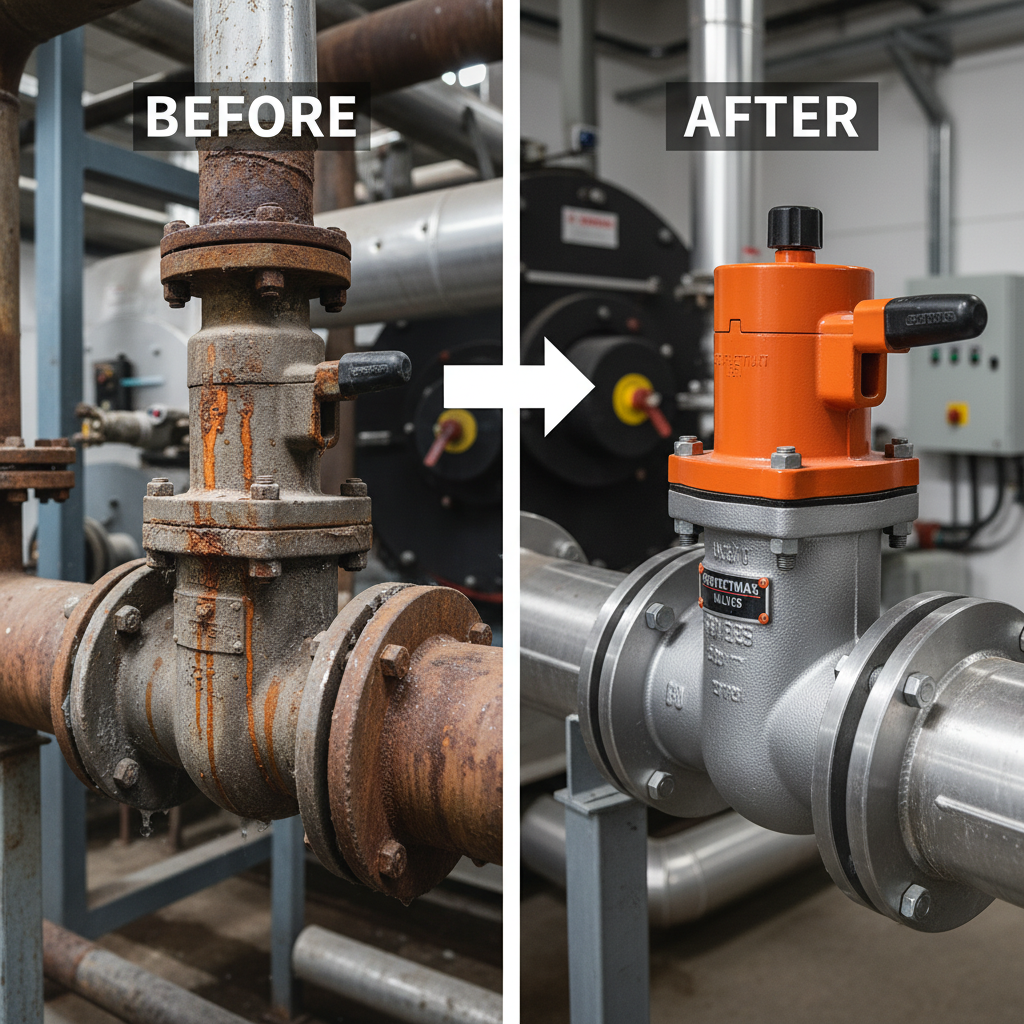
Gas valves are critical components in countless industrial, commercial, and residential applications, playing a vital role in safely and efficiently controlling the flow of gas. Their reliable operation is paramount to public safety, process control, and energy management. Understanding the nuances of gas valve technology, from design principles to material science, is increasingly important in a world striving for greater energy efficiency and enhanced safety standards.
Globally, the demand for sophisticated gas control solutions continues to rise, driven by expanding natural gas infrastructure, growing industrial sectors, and stringent environmental regulations. The UN’s Sustainable Development Goal 7 – Affordable and Clean Energy – emphasizes the need for efficient and reliable energy systems, and gas valves are integral to achieving this. The World Bank also recognizes the importance of gas infrastructure development in emerging economies, and consequently, the need for robust and safe gas valves.
The challenge lies in meeting this increasing demand with valves that are not only reliable and durable but also adaptable to evolving industry standards and environmentally conscious practices. Advancements in materials, automation, and smart technology are revolutionizing the gas valve landscape, promising improved performance, reduced emissions, and enhanced safety for both personnel and the environment.
The Importance of Gas Valve Technology
The significance of robust and reliable gas valve technology extends far beyond simply controlling gas flow. It directly impacts safety protocols in residential, commercial, and industrial settings, preventing potentially hazardous leaks and ensuring operational integrity. Proper valve selection and maintenance contribute significantly to the prevention of accidents and the protection of human life.
Furthermore, advancements in gas valve technology are intrinsically linked to energy efficiency and sustainability. Modern valves incorporating precision engineering and intelligent control systems minimize gas wastage, contributing to lower energy consumption and reduced carbon footprints. This aligns with global efforts to mitigate climate change and promote responsible energy usage.
Defining Gas Valves and Their Role
A gas valve is a mechanical device designed to control the flow of gas – typically natural gas, propane, or butane – through a pipeline or system. This control can range from completely open to completely closed, or modulated to specific flow rates. They are essential for regulating pressure, distributing gas to various appliances, and implementing emergency shut-off procedures.
The connection to modern industry is undeniable. From power generation plants utilizing natural gas turbines to manufacturing facilities relying on gas-fired heating systems, gas valves form the backbone of many critical processes. Similarly, they address fundamental humanitarian needs by enabling access to clean cooking fuels and heating in residential areas, particularly in regions where alternative energy sources are limited.
The core function of a gas valve is to provide a safe and reliable means of managing gas flow, protecting both equipment and personnel. This often involves integrating multiple safety features, such as automatic shut-off mechanisms triggered by excessive pressure or gas leaks, ensuring the integrity of the entire gas distribution system.
Key Factors Influencing Gas Valve Performance
Durability is a primary concern when selecting gas valves, particularly in harsh environments. Valves must withstand corrosive substances, extreme temperatures, and high pressures without compromising their functionality or safety. Material selection, such as stainless steel or specialized alloys, is crucial for ensuring longevity.
Flow Capacity dictates the maximum volume of gas a valve can handle without significant pressure drop. Matching the valve's capacity to the system's requirements is vital for optimal performance and prevents bottlenecks that can reduce efficiency. Incorrect sizing can lead to unstable operation and potential damage.
Seal Integrity is paramount for preventing gas leaks. High-quality seals, meticulously designed and tested, are essential to maintain a secure barrier between the valve internals and the environment. Regular inspection and maintenance of seals are crucial for upholding safety standards.
Core Components and Operational Principles
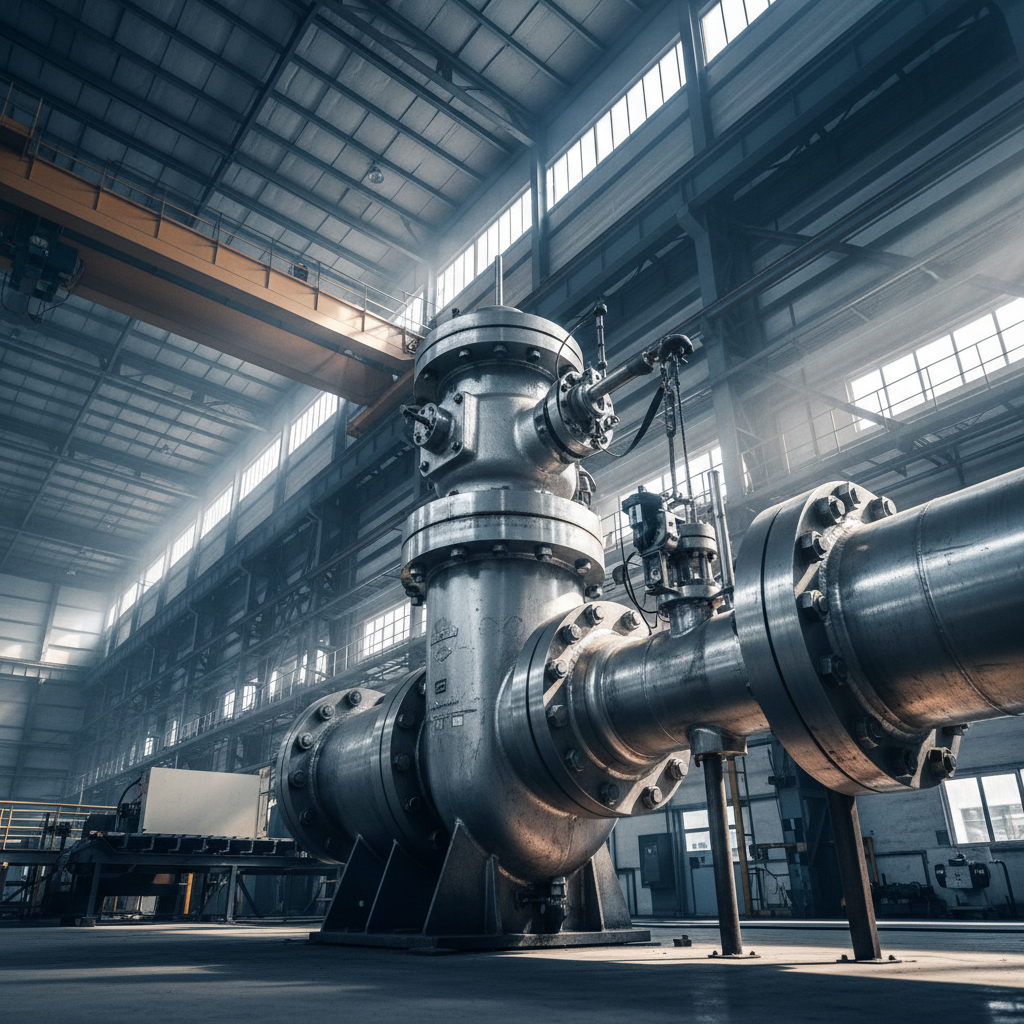
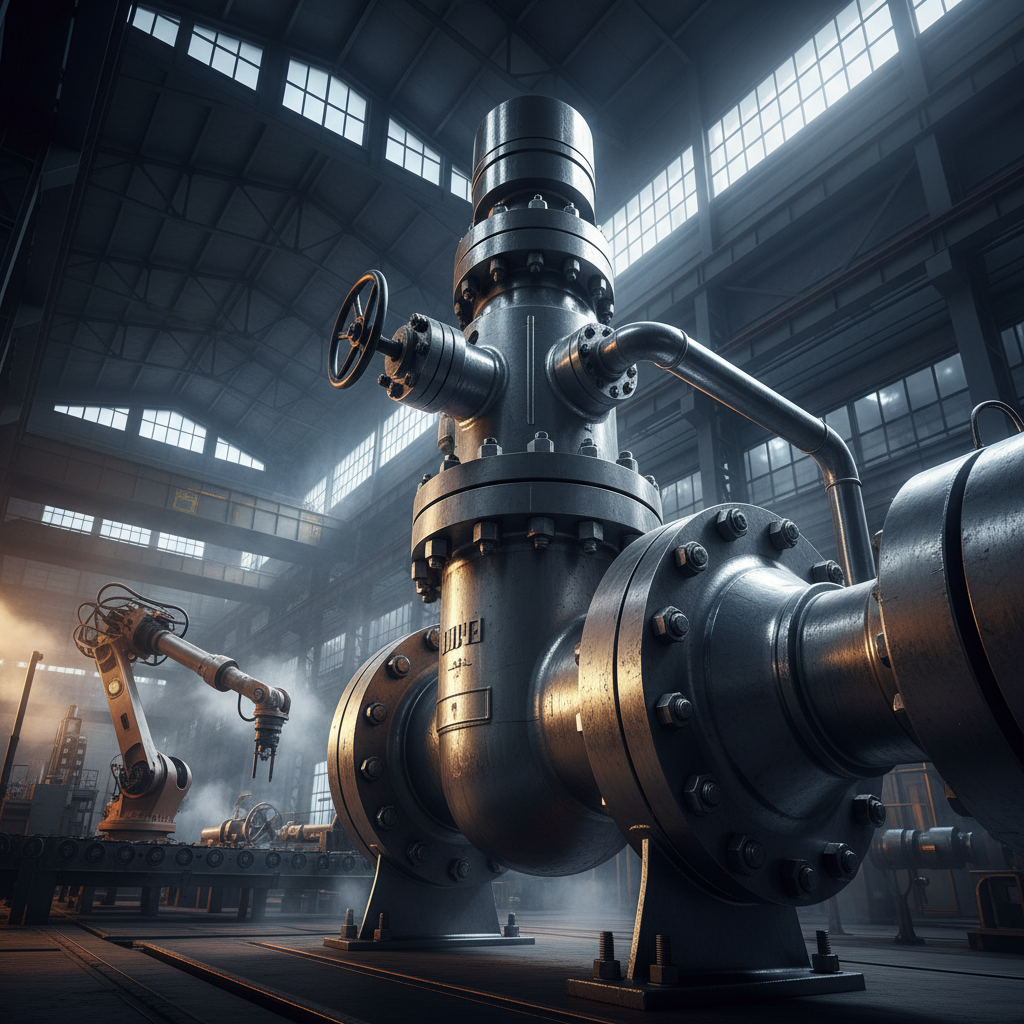
The primary components of most gas valves include a valve body, a disc or ball, a stem, and a seat. The valve body provides the structural framework, while the disc or ball regulates gas flow when moved by the stem. The seat creates a sealing surface against which the disc or ball presses to stop the flow.
Operationally, gas valves typically function based on one of several principles: manual operation (requiring human intervention), automatic operation (triggered by pressure, temperature, or other sensors), or solenoid operation (using an electromagnetic coil to control the valve). Each method offers different levels of precision, responsiveness, and safety features, tailored to specific application needs.
Gas Valve Performance Comparison by Type
Global Applications and Industry Use Cases
Gas valves are ubiquitous across diverse industries. In the power generation sector, they control the flow of natural gas to turbines, driving electricity production. Within the chemical industry, precise gas control is vital for maintaining reaction parameters and ensuring product quality. The oil and gas industry relies heavily on gas valves for pipeline management and refining processes.
Residential applications include controlling gas flow to furnaces, water heaters, and cooktops. Commercial buildings utilize gas valves for heating, ventilation, and air conditioning (HVAC) systems. In post-disaster relief operations, portable gas stoves and heaters, regulated by reliable gas valves, can provide essential cooking and warmth to affected communities.
Advantages and Long-Term Value Proposition
The tangible benefits of employing high-quality gas valves are numerous. Reduced energy waste translates to lower operating costs. Enhanced safety features minimize the risk of accidents, protecting both personnel and assets. Long-term durability reduces the frequency of replacements, decreasing lifecycle costs.
Beyond the financial advantages, gas valves contribute to a more sustainable future by enabling efficient use of natural gas, a cleaner-burning fuel compared to alternatives like coal. Their reliable operation fosters trust and confidence in gas distribution systems, ultimately promoting social well-being and economic stability.
The emotional aspect of safety shouldn’t be overlooked. Knowing that a robust gas valve is safeguarding a home or workplace provides peace of mind and a sense of security, embodying the value of responsible engineering.
Future Trends and Innovation in Gas Valve Technology
The future of gas valve technology is inextricably linked to the broader trends of green energy and digital transformation. Smart valves incorporating sensors and communication capabilities are emerging, allowing for remote monitoring, predictive maintenance, and automated shut-off in response to detected leaks.
Materials science is also playing a critical role. The development of corrosion-resistant alloys and advanced polymers is enhancing valve longevity and reducing maintenance requirements. Automation and robotic assembly techniques are improving manufacturing precision and lowering production costs.
Furthermore, increasing emphasis is being placed on incorporating fail-safe designs and redundant safety systems to mitigate risks and ensure the highest levels of operational reliability. These advancements will pave the way for more efficient, sustainable, and secure gas distribution systems.
Core Analysis of Gas Valve Design and Implementation
| Valve Type |
Typical Application |
Maintenance Frequency |
Estimated Lifespan (Years) |
| Ball Valve |
Industrial Gas Distribution |
Annual Inspection & Lubrication |
20-25 |
| Butterfly Valve |
Large-Scale Pipeline Control |
Bi-Annual Inspection & Seal Replacement |
15-20 |
| Gate Valve |
Isolation & Emergency Shut-Off |
Semi-Annual Inspection |
10-15 |
| Globe Valve |
Flow Regulation & Throttling |
Quarterly Inspection & Cleaning |
12-18 |
| Solenoid Valve |
Automated Gas Control Systems |
Monthly Functional Testing |
5-10 |
| Check Valve |
Preventing Backflow in Pipelines |
Annual Visual Inspection |
25+ |
FAQS
When choosing a gas valve, prioritize features like automatic shut-off mechanisms, leak detection sensors, and robust materials designed to withstand high pressure and extreme temperatures. Look for certifications from recognized safety organizations. Regular inspection and maintenance are also critical, ensuring all safety features are functioning correctly. Properly installed valves with redundant safety features significantly minimize the risk of gas leaks and related hazards.
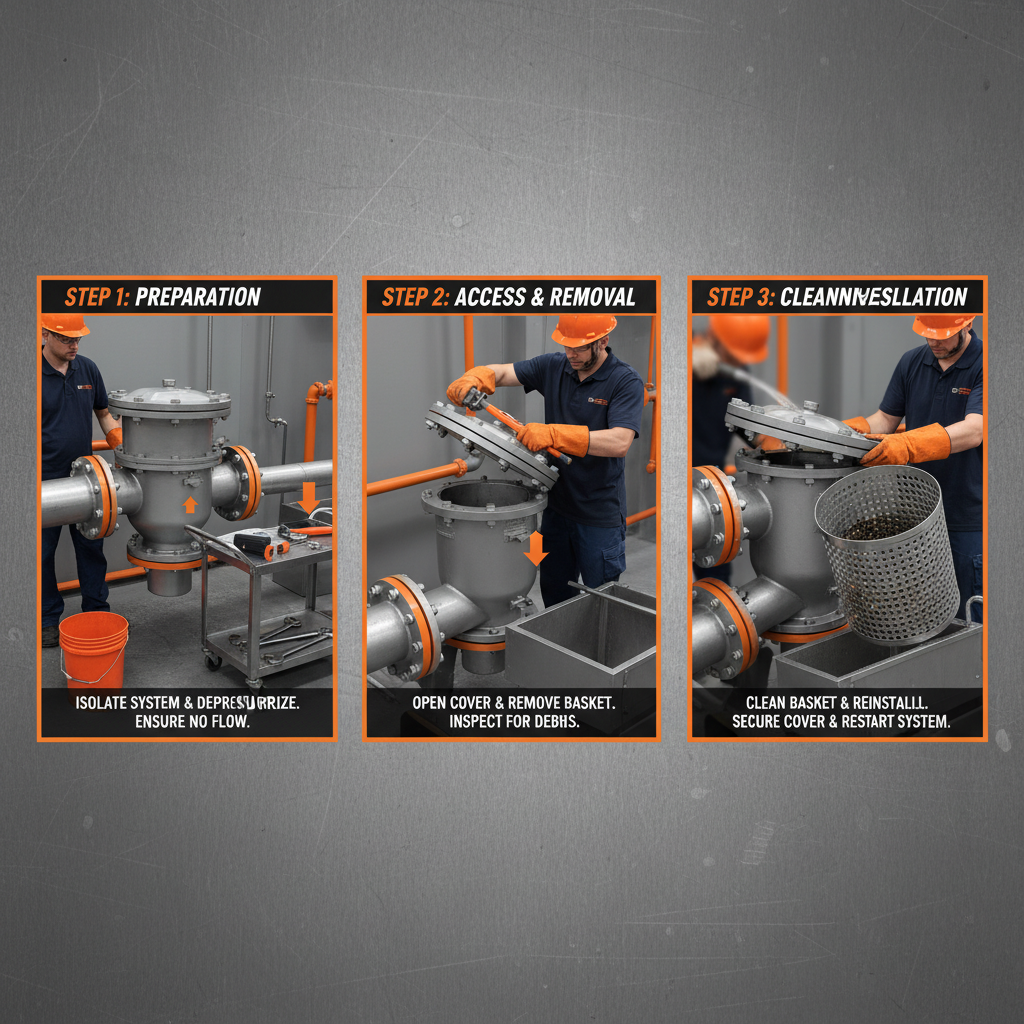
The frequency of inspection and maintenance depends on the valve type and application. Generally, a visual inspection should be conducted at least annually, checking for signs of corrosion, leaks, or damage. More critical valves, such as those in high-pressure systems, may require more frequent inspections – quarterly or even monthly. Regular maintenance, including lubrication and seal replacement, should be performed according to the manufacturer’s recommendations.
A manual gas valve requires human intervention to open or close, offering direct control but lacking automated safety features. An automatic gas valve, however, operates independently based on pre-set parameters like pressure or temperature. They often include automatic shut-off capabilities, offering enhanced safety and convenience. Automatic valves are ideal for applications requiring precise control and rapid response to changing conditions.
Selecting the correct size gas valve is crucial for optimal performance. You need to consider the gas flow rate required by your system and the pressure drop that can be tolerated. Undersized valves will restrict flow, while oversized valves may be less precise in controlling gas delivery. Consult with a qualified engineer or valve supplier to determine the appropriate size based on your specific needs.
Common materials used in gas valve construction include brass, stainless steel, aluminum, and specialized polymers. Brass is often used for its corrosion resistance, while stainless steel provides superior strength and durability in harsh environments. Polymers are utilized for seals and other components requiring flexibility and resistance to chemical attack. The specific material chosen depends on the intended application and the type of gas being controlled.
Yes, there are specialized gas valves engineered to withstand extremely high pressures. These valves typically feature robust construction using high-strength materials, reinforced seals, and precision machining to ensure leak-tight performance. They are commonly used in natural gas transmission pipelines, industrial processing plants, and other demanding applications where safety and reliability are paramount.
Conclusion
In summary, gas valves are indispensable components in a vast range of applications, playing a crucial role in ensuring safety, efficiency, and reliability in gas distribution and utilization. From simple manual valves to sophisticated automated systems, their importance cannot be overstated. A thorough understanding of gas valve technology, from core principles to emerging innovations, is essential for professionals across diverse industries.
Looking ahead, the future of gas valves lies in the integration of smart technologies, sustainable materials, and proactive maintenance strategies. By embracing these advancements, we can create safer, more efficient, and environmentally responsible gas systems that meet the evolving needs of a global community. Visit our website at www.gasouyinuo.com to learn more about our comprehensive range of gas valve solutions and how we can help you optimize your gas control systems.