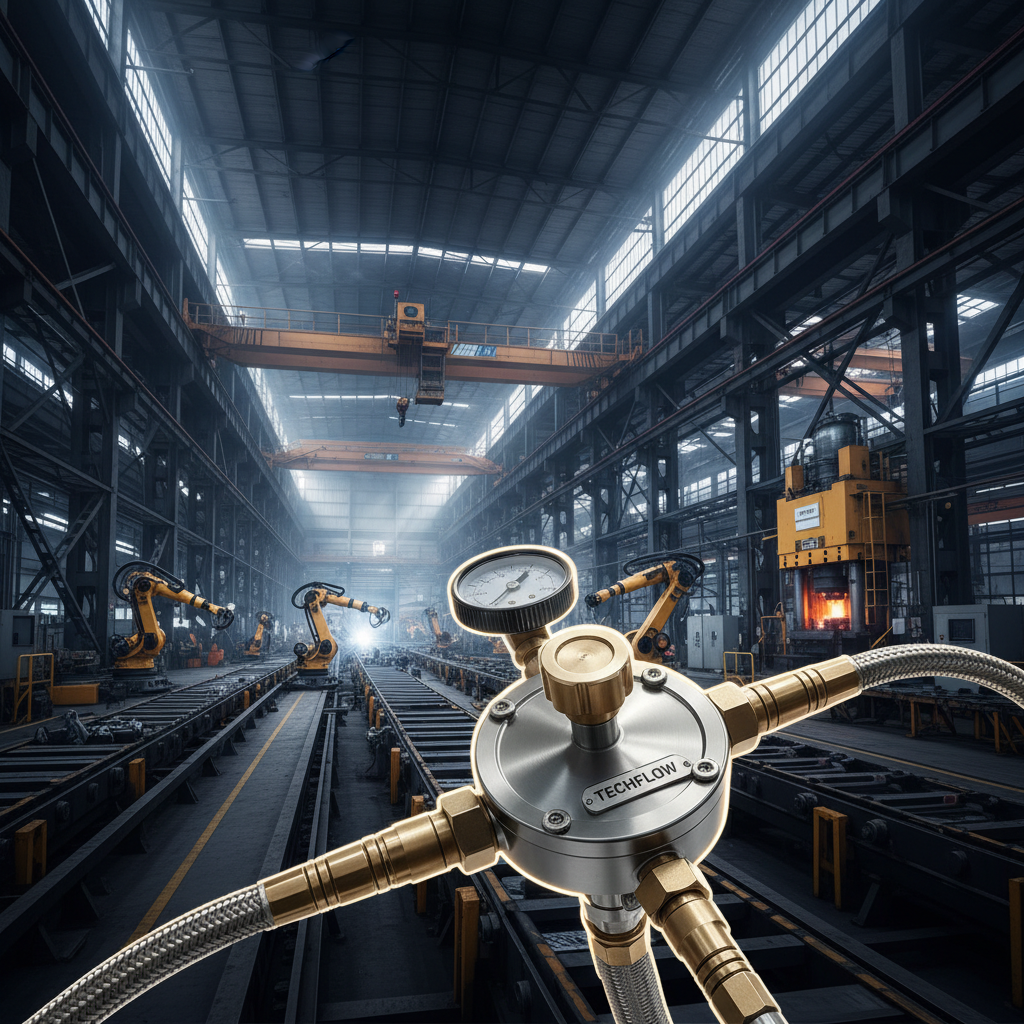
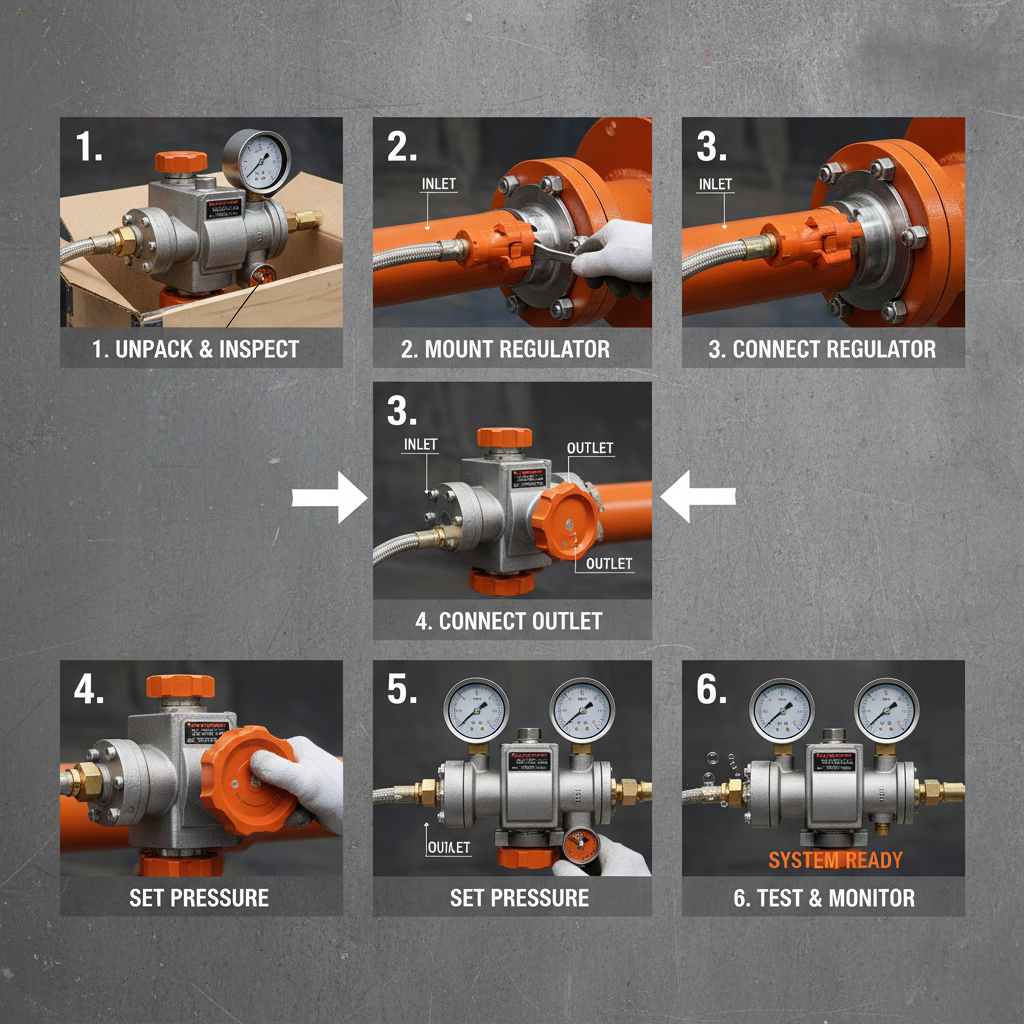
Gas regulators are critical components in a vast array of systems, playing a vital role in controlling and maintaining safe and efficient gas flow. From industrial processes and residential heating to scientific research and medical applications, these devices ensure consistent pressure delivery, preventing hazards and optimizing performance. Understanding the intricacies of gas regulator technology is therefore paramount for engineers, technicians, and anyone working with gaseous fuels and industrial gases.
Globally, the demand for reliable gas regulation is consistently increasing. Fueled by expanding industrial sectors, growing urbanization, and a shift toward cleaner energy sources like natural gas, the need for precise and dependable regulators is crucial. The United Nations estimates that over 2.6 billion people still lack access to clean cooking fuels, highlighting the significance of safe and controlled gas distribution systems. This demand necessitates continuous innovation in gas regulator design and manufacturing.
The economic impact of gas regulators extends beyond simple cost savings from efficient gas usage. Safe and reliable operation translates to reduced downtime, minimized risk of accidents, and adherence to stringent safety regulations, all of which contribute to a stronger, more sustainable economy. Furthermore, advancements in gas regulator technology facilitate the adoption of new energy solutions and support the development of emerging industries.
The Importance of Gas Regulator Technology
The safe and efficient utilization of gases relies heavily on the precision of gas regulators. These devices act as the gatekeepers of gas flow, ensuring stable and controlled delivery to a multitude of applications. Without properly functioning gas regulators, systems can experience fluctuations in pressure, leading to inefficiency, damage, or even catastrophic failures. gas regulator selection and maintenance are, therefore, crucial.
The significance of gas regulators extends across numerous industries, impacting everything from power generation and chemical processing to food and beverage production and healthcare. The reliability of a gas regulator directly influences the quality of products, the safety of operations, and the overall efficiency of a facility. Investing in high-quality gas regulators is not merely a cost, but a strategic decision that protects investments and ensures sustainable growth.
Defining Gas Regulation
Gas regulation is the process of controlling the pressure of a gas supply to maintain a consistent and safe output pressure. A gas regulator achieves this by reducing a high or fluctuating inlet pressure to a lower, more stable outlet pressure. This is critical because many applications require a specific gas pressure to operate correctly and safely. Without regulation, variations in the supply pressure could damage equipment or create hazardous conditions.
The connection to modern industry is undeniable. Manufacturing, energy production, and countless other sectors depend on precise gas pressures for processes like welding, cutting, combustion, and pneumatic control systems. Similarly, gas regulators are essential for humanitarian needs, ensuring reliable access to cooking gas in developing countries and providing safe oxygen delivery in medical facilities.
In essence, gas regulation isn't just about managing pressure; it's about enabling safe, efficient, and reliable operation across a vast spectrum of applications, impacting both industrial productivity and human wellbeing. Accurate control delivered by a gas regulator is fundamental to a modern, functioning society.
Key Components of a Gas Regulator
A typical gas regulator comprises several key components working in unison. These include the body (housing), the valve mechanism, the spring, the diaphragm, and the adjustment screw. The body provides the structural integrity, while the valve mechanism controls gas flow. The spring and diaphragm work together to sense outlet pressure and adjust the valve accordingly, maintaining the desired setpoint.
The adjustment screw allows for precise tuning of the outlet pressure. Understanding the function of each component is vital for troubleshooting and proper maintenance. Different types of gas regulators employ variations of these core elements to suit specific applications and gas types. For instance, regulators designed for corrosive gases utilize specialized materials for increased durability.
Furthermore, many modern gas regulators incorporate features like pressure gauges, relief valves, and filters to enhance safety and performance. Relief valves protect against over-pressurization, while filters remove contaminants that could damage the regulator or downstream equipment. These supplemental components contribute to the overall reliability and longevity of the gas regulator system.
Critical Performance Factors
Several key factors determine the performance of a gas regulator. Accuracy, meaning how closely the outlet pressure matches the setpoint, is paramount. Repeatability, the ability to consistently deliver the same output pressure under identical conditions, is also crucial. Responsiveness, the speed at which the regulator reacts to changes in flow demand, impacts system stability.
Flow capacity, the maximum flow rate the regulator can handle without significant pressure drop, must be matched to the application's requirements. Durability, influenced by the materials of construction and design, determines the regulator's lifespan and resistance to harsh environments. These performance factors directly impact the efficiency, safety, and reliability of the system.
Gas Regulator Performance Comparison
Global Applications of Gas Regulators
Gas regulators find widespread application across diverse sectors globally. In the energy industry, they are indispensable for natural gas distribution networks, ensuring safe and consistent fuel delivery to homes and businesses. Industrial facilities employ gas regulators in processes like welding, cutting, heat treating, and chemical production, where precise gas control is critical.
In the healthcare sector, gas regulators are vital for delivering medical gases like oxygen and nitrous oxide with accurate flow rates and pressures. In post-disaster relief operations, portable gas regulators enable the rapid deployment of heating and cooking solutions for affected populations. Furthermore, the burgeoning field of alternative energy utilizes regulators in hydrogen fueling stations and biogas processing plants.
Benefits and Long-Term Value
Investing in reliable gas regulators yields significant tangible benefits. Reduced energy consumption translates to cost savings for businesses and consumers. Enhanced safety minimizes the risk of accidents and associated liabilities. Extended equipment lifespan lowers maintenance and replacement costs. Improved process control leads to higher product quality and increased efficiency.
Beyond the economic advantages, gas regulators contribute to social impact by enabling access to clean energy and supporting critical healthcare services. The peace of mind that comes with knowing a system is operating safely and reliably builds trust and fosters innovation. A high-quality gas regulator delivers not just functionality, but long-term value and sustainability.
Future Trends in Gas Regulation
The future of gas regulation is shaped by several emerging trends. Digitalization is driving the development of smart regulators equipped with sensors, data analytics, and remote monitoring capabilities. These "intelligent" regulators offer real-time performance insights, predictive maintenance alerts, and improved control. The integration of IoT technologies is further enhancing automation and efficiency.
A growing emphasis on sustainability is leading to the development of regulators compatible with alternative gases like hydrogen and biogas, supporting the transition to cleaner energy sources. Advanced materials research is yielding regulators with increased durability, corrosion resistance, and temperature tolerance. Furthermore, regulatory changes and stricter safety standards are pushing manufacturers to innovate and develop more reliable and secure solutions.
The increasing demand for precision and control, coupled with the pursuit of greater sustainability and efficiency, will continue to drive innovation in gas regulator technology for years to come.
FAQS
The lifespan of a gas regulator varies depending on its type, quality of construction, operating conditions, and maintenance schedule. Generally, a well-maintained gas regulator can last between 5 to 15 years. However, harsh environments, corrosive gases, and frequent pressure fluctuations can significantly shorten its lifespan. Regular inspection and preventative maintenance, including cleaning and component replacement, are vital for maximizing longevity.
Calibration frequency depends on the criticality of the application and the manufacturer's recommendations. For critical applications like medical gas delivery or industrial processes requiring high precision, annual calibration is typically recommended. For less demanding applications, calibration every 2-3 years may suffice. Any time a regulator is subjected to shock, damage, or suspected malfunction, it should be recalibrated immediately.
Common signs include fluctuating outlet pressure, difficulty maintaining the setpoint, hissing sounds indicating leaks, visible corrosion or damage, and a gradual decrease in flow capacity. Any of these symptoms should prompt immediate inspection and potentially replacement of the regulator. Ignoring these signs can lead to safety hazards and operational disruptions.
Repairing a gas regulator is generally not recommended unless you are a qualified and certified technician. Gas regulators contain precision components and operate under high pressure, making them potentially dangerous to disassemble and repair without proper training and tools. Improper repairs can compromise safety and void any warranties. It is best to entrust repairs to professionals.
Selecting the right gas regulator requires careful consideration of several factors, including the type of gas being regulated, the inlet and outlet pressure requirements, the flow rate, and the operating environment. Different types of regulators are designed for specific gases and pressure ranges. Consulting with a gas regulation specialist or referring to the manufacturer's recommendations is crucial for ensuring safe and optimal performance.
Always ensure the gas supply is shut off before performing any maintenance or inspection. Wear appropriate personal protective equipment (PPE), including safety glasses and gloves. Use leak detection solutions to identify any leaks. Never attempt to modify or tamper with the regulator's internal components. Follow all manufacturer's instructions and local safety regulations. If you are unsure about any aspect of working with a gas regulator, consult a qualified professional.
Conclusion
Gas regulators are foundational components in countless industrial, commercial, and healthcare applications. Their precise control of gas pressure ensures safe, efficient, and reliable operation, contributing to cost savings, enhanced safety, and improved product quality. Understanding the principles of gas regulation, the key components of regulators, and emerging trends is essential for professionals in various fields.
Looking ahead, the integration of digital technologies, the growing demand for sustainable energy solutions, and increasingly stringent safety standards will continue to drive innovation in gas regulation. Embracing these advancements and prioritizing regular maintenance and calibration will be crucial for maximizing the long-term benefits of this vital technology. For high-quality and reliable gas regulators, visit our website: www.gasouyinuo.com