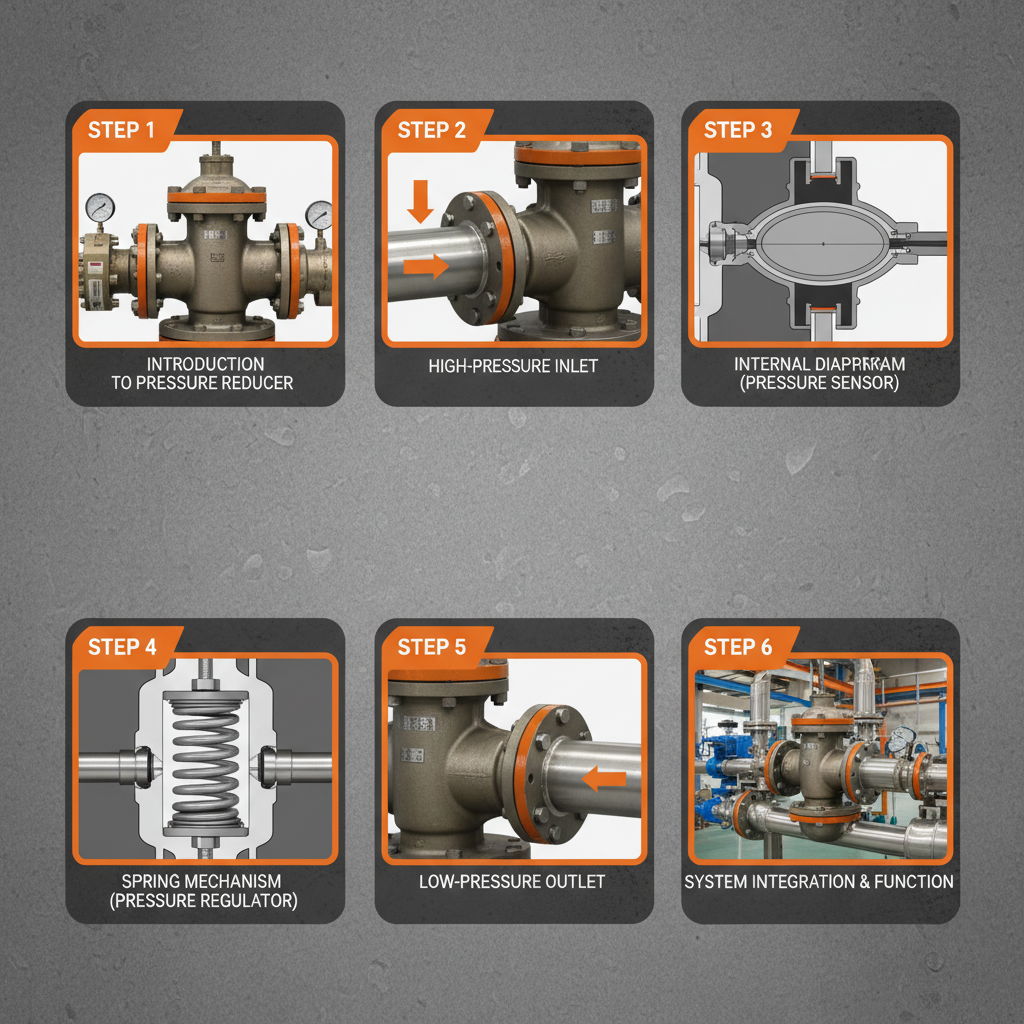
Gas boosters are essential components in a wide array of industrial and scientific applications, playing a critical role in enhancing gas pressure and flow rates. These devices are frequently used when existing gas supplies are insufficient to power specific processes, or when maintaining consistent pressure is paramount for optimal performance. Understanding the principles and functionalities of a gas booster is vital for engineers, technicians, and anyone involved in gas-powered systems.
The global reliance on gas for energy, manufacturing, and research drives the demand for efficient and reliable gas boosting solutions. From petrochemical processing and power generation to laboratory experimentation and environmental monitoring, gas boosters facilitate crucial operations across diverse sectors. Furthermore, innovations in gas booster technology are continually improving performance, reducing energy consumption, and expanding application possibilities.
Investing in comprehensive knowledge of gas boosters provides professionals with the ability to optimize gas systems, improve efficiency, and ensure the safety and reliability of critical processes. The effective application of a gas booster can lead to significant cost savings, increased productivity, and reduced environmental impact, making it a fundamental element of modern industrial practices.
Introduction to Gas Booster Technology
Gas boosters are indispensable in scenarios requiring compressed gas delivery beyond the capabilities of standard cylinders or pipelines. They function by taking a low-pressure gas source and increasing its pressure in one or more stages, enabling a consistent and powerful gas supply for various applications. A reliable gas booster ensures consistent performance and safety.
The evolution of gas booster technology has been driven by the demands of increasingly complex industrial processes. Modern gas boosters incorporate advanced materials, sophisticated control systems, and energy-efficient designs, leading to greater reliability, precision, and cost-effectiveness. These advancements are critical for maintaining operational efficiency and ensuring the success of gas-dependent processes.
Defining Gas Booster Systems
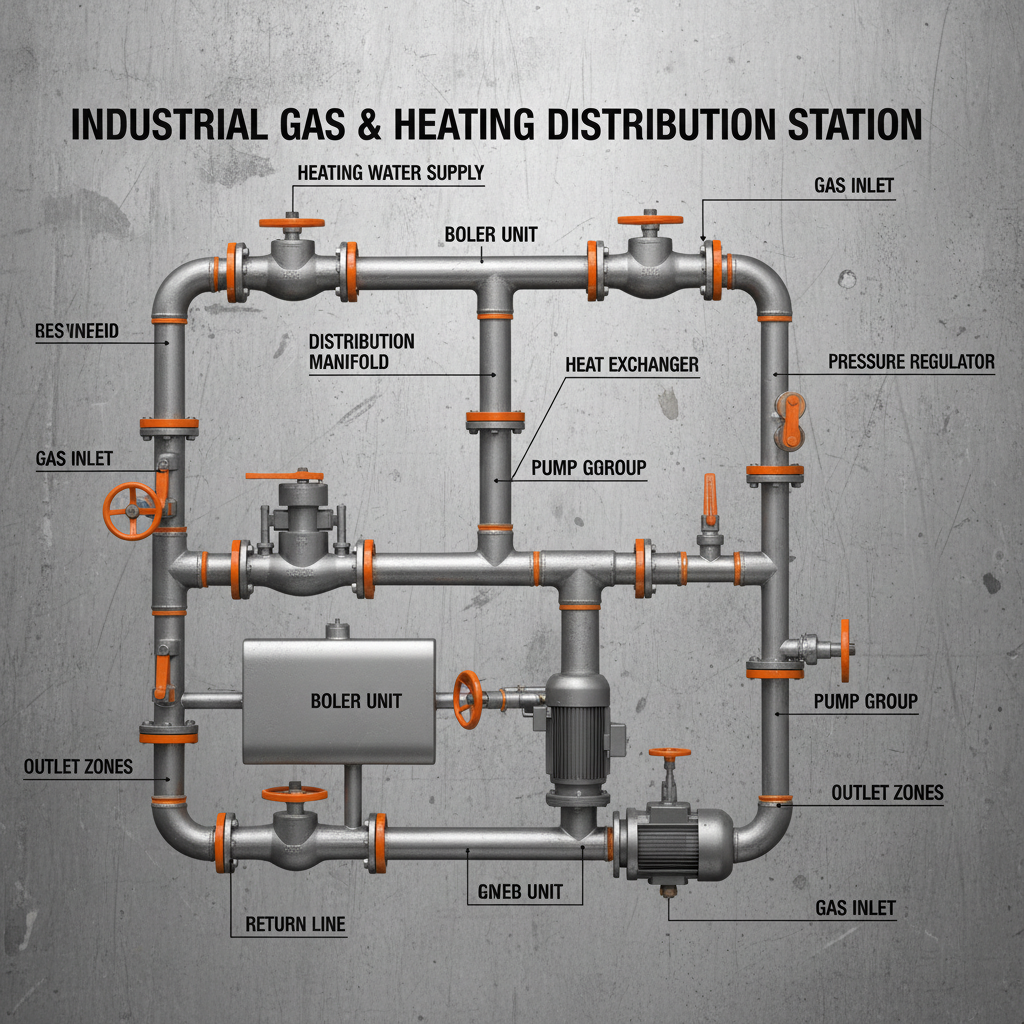
A gas booster system is a self-contained unit designed to increase the pressure of a gaseous medium. These systems typically involve a compressor, control valves, pressure regulators, and safety mechanisms. They are designed to accommodate a wide range of gases, including air, nitrogen, helium, and hydrogen, with appropriate material selection to ensure compatibility and prevent corrosion.
Unlike traditional compressors, gas boosters are often designed for intermittent use and can deliver high pressures with relatively small physical footprints. This makes them ideal for applications where space is limited or where a continuous gas supply is not required. Understanding the specific requirements of the application is crucial for selecting the appropriate gas booster system.
The purpose of employing a gas booster is to overcome pressure limitations within a gas delivery system, allowing for the efficient operation of equipment or processes that necessitate higher gas pressures for optimal performance and results.
Core Components of a Gas Booster
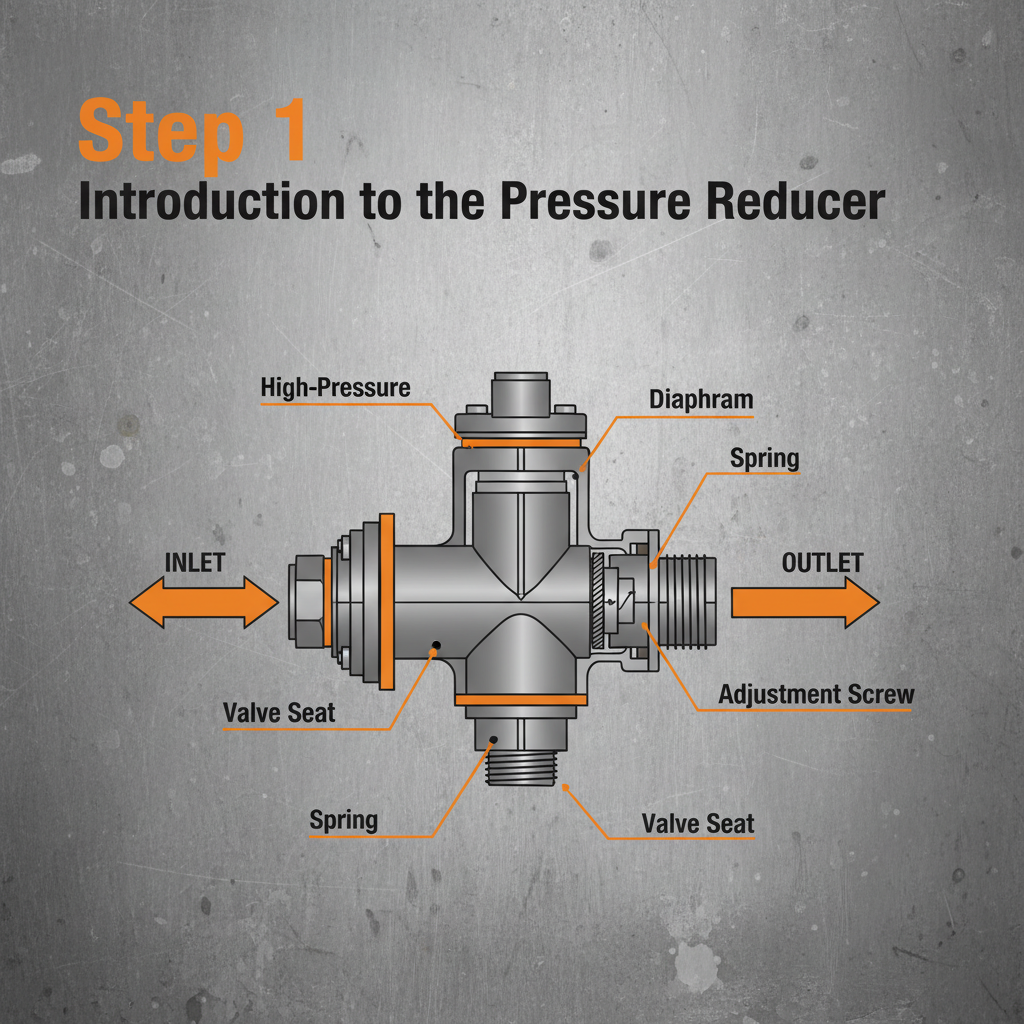
The effectiveness of a gas booster relies on the synergy of its core components. The compressor itself is the heart of the system, utilizing either reciprocating or rotary mechanisms to compress the gas. These compressors are often engineered to handle specific gas types and pressure requirements.
Control valves and pressure regulators are critical for maintaining precise pressure control and preventing over-pressurization. Sophisticated control systems, often incorporating sensors and programmable logic controllers (PLCs), monitor and adjust the gas flow to ensure consistent performance. Regular maintenance of these components is vital for the longevity and safety of the system.
Safety mechanisms, such as relief valves and rupture disks, are integral to preventing catastrophic failures. These devices are designed to release excess pressure in the event of a malfunction or overpressure situation. Proper installation and testing of safety components are paramount for ensuring a safe operating environment. A high-quality gas booster prioritizes robust safety features.
Performance Metrics and Gas Booster Efficiency
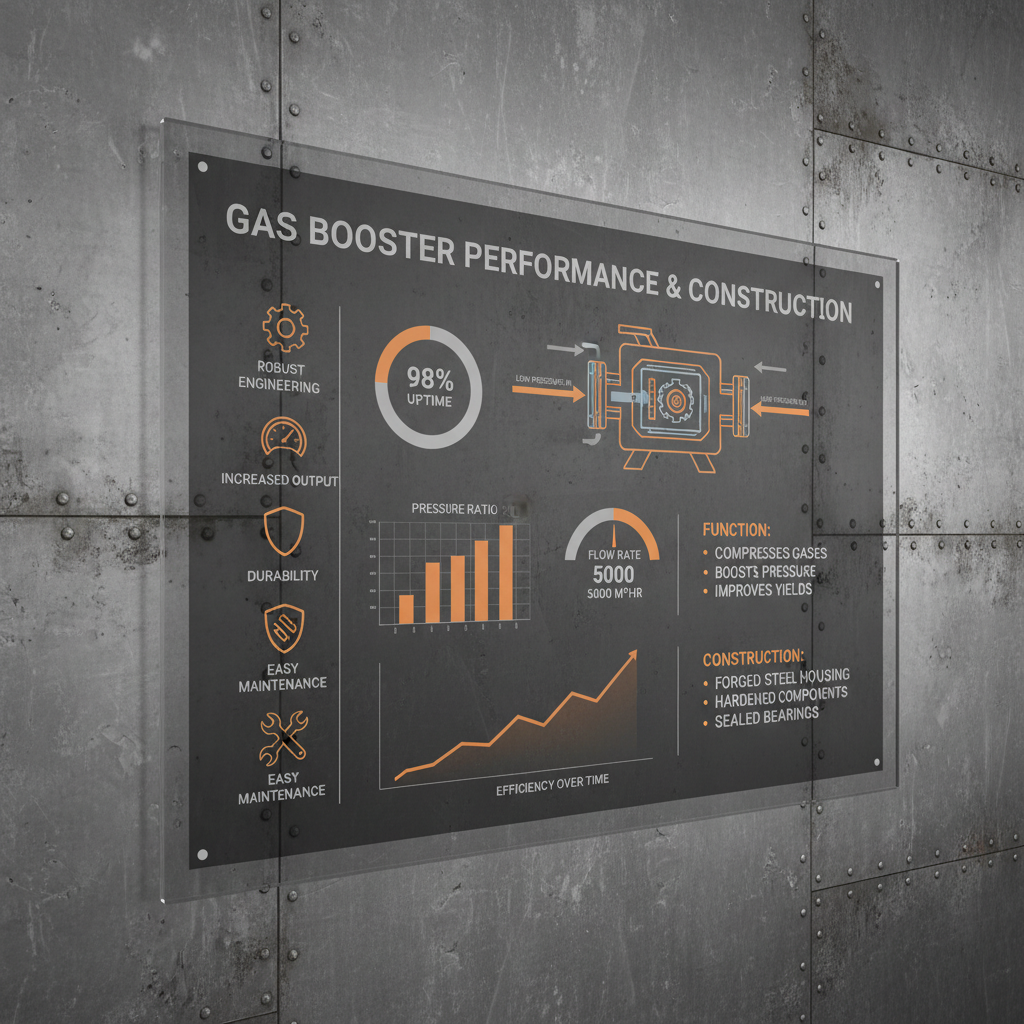
Evaluating the performance of a gas booster involves several key metrics. Compression ratio, which is the ratio of outlet pressure to inlet pressure, is a fundamental indicator of the booster's capability. Flow rate, measured in cubic feet per minute (CFM) or liters per minute (LPM), determines the volume of gas delivered per unit of time.
Energy efficiency is another critical performance aspect, as it directly impacts operating costs. Efficient gas boosters minimize energy consumption while maintaining desired pressure and flow rates. Factors influencing efficiency include compressor design, control system optimization, and the proper selection of materials.
Gas Booster Performance Comparison
Global Applications of Gas Boosters
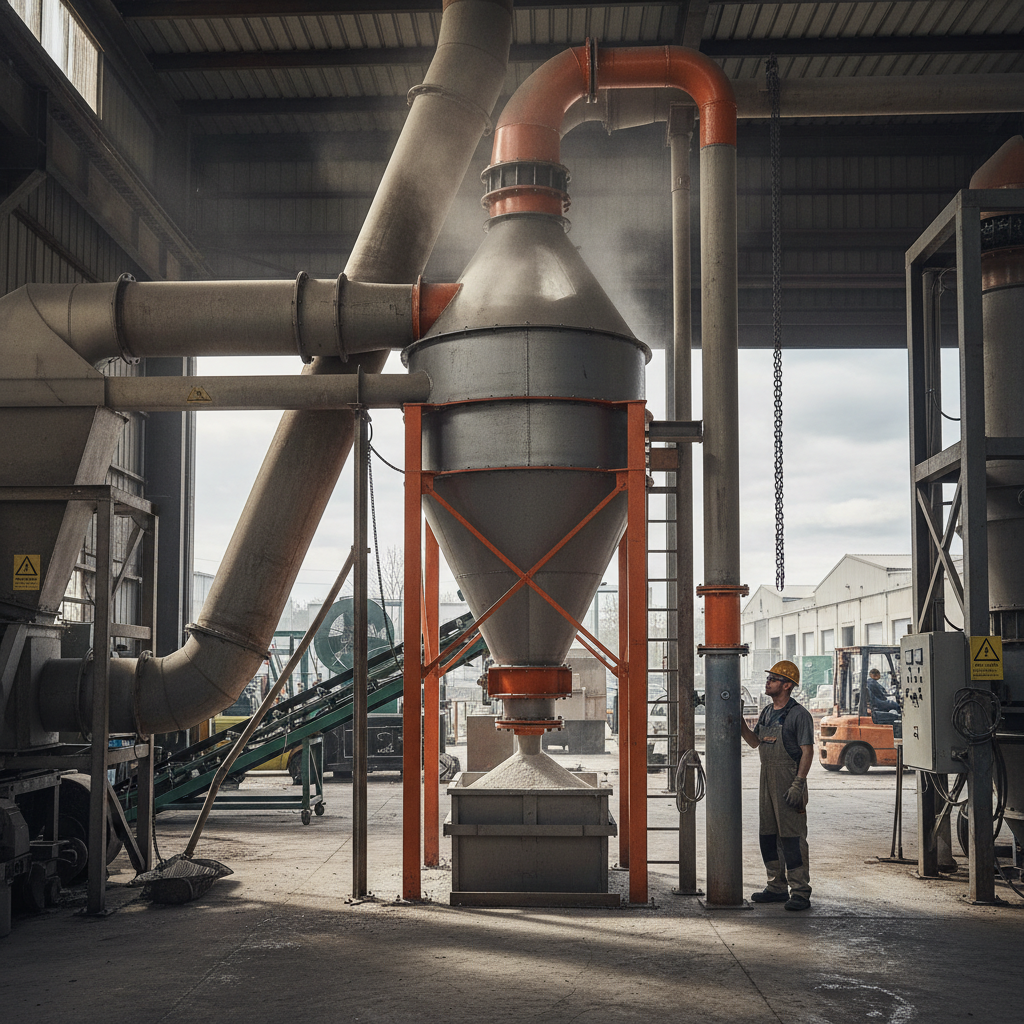
Gas boosters find application across a broad spectrum of industries. In the oil and gas sector, they are used for pipeline testing, pressure maintenance, and gas recovery operations. Petrochemical plants rely on gas boosters for processes requiring precise gas pressure control.
The semiconductor industry utilizes gas boosters for delivering high-purity gases required in chip manufacturing. In research and development laboratories, gas boosters are essential for experiments involving controlled gas environments. Furthermore, gas boosters are playing a critical role in the development of alternative energy technologies, such as hydrogen fuel cells.
Advantages and Long-Term Value Proposition
The benefits of employing a gas booster extend beyond immediate performance improvements. Reduced operational costs, achieved through increased efficiency and minimized gas waste, contribute significantly to long-term savings. Enhanced safety, resulting from precise pressure control and reliable safety mechanisms, minimizes the risk of accidents and downtime.
Furthermore, gas boosters promote sustainability by optimizing gas usage and reducing environmental impact. The reliability and durability of modern gas boosters ensure long service life, minimizing the need for frequent replacements. Investing in a quality gas booster is a strategic decision that yields substantial returns over time.
Ultimately, utilizing a superior gas boosting system instills confidence and trust in the integrity of gas-driven processes, fostering innovation and supporting long-term growth.
Future Trends in Gas Booster Innovation
The future of gas booster technology is focused on greater efficiency, sustainability, and integration with digital systems. Emerging trends include the development of variable speed drive (VSD) technology, which allows for precise control of compressor speed and energy consumption.
The integration of Internet of Things (IoT) sensors and remote monitoring capabilities enables predictive maintenance and optimized performance. Research into new materials, such as advanced polymers and lightweight alloys, is driving the development of more durable and efficient gas boosters.
The pursuit of eco-friendly refrigerants and the exploration of alternative compression technologies are also shaping the future of gas boosting, aligning with the global push for sustainable industrial practices.
Analysis of Key Gas Booster Characteristics
| Gas Type Compatibility |
Maintenance Frequency |
Operational Cost |
Lifespan (Years) |
| Air & Nitrogen |
6 Months |
$50/Month |
10 |
| Helium |
3 Months |
$75/Month |
8 |
| Hydrogen |
4 Months |
$60/Month |
12 |
| Argon |
6 Months |
$40/Month |
9 |
| Carbon Dioxide |
5 Months |
$55/Month |
7 |
| Methane |
4 Months |
$65/Month |
11 |
FAQS
When choosing a gas booster, it's crucial to consider the gas type, required inlet and outlet pressures, flow rate, duty cycle (continuous or intermittent), and environmental conditions. Material compatibility with the gas is also paramount to prevent corrosion or contamination. Ultimately, matching the gas booster’s specifications to the application’s precise needs ensures optimal performance and longevity.
Preventative maintenance frequency depends on the usage intensity and operating environment. Generally, a thorough inspection and lubrication should be performed every 3-6 months. This includes checking seals, filters, and control valves for wear and tear. Regular maintenance minimizes downtime, extends the gas booster's lifespan, and ensures consistent performance. Refer to the manufacturer's recommendations for specific maintenance schedules.
Essential safety features include pressure relief valves, rupture disks, and emergency shutdown systems. These components protect against over-pressurization and potential hazards. Additionally, leak detection systems and proper grounding are vital. Regular safety inspections and adherence to safety protocols are crucial for ensuring a safe operating environment.
While some gas boosters are designed for universal gas compatibility, many are specifically engineered for certain gases. Using a gas booster with an incompatible gas can lead to corrosion, contamination, and system failure. It's vital to verify the booster's material compatibility with the intended gas before operation. Often, internal components may need to be changed for different gas applications.
Common causes include seal failures, valve malfunctions, contamination, and over-pressurization. Insufficient lubrication, improper maintenance, and operating outside of specified parameters can also contribute to failure. Regular inspection, preventative maintenance, and adherence to operating guidelines are essential for minimizing the risk of failure.
A well-maintained gas booster can typically last between 8 to 15 years, depending on the usage intensity and the operating environment. Regular maintenance, proper operation within specified parameters, and prompt repair of any issues are key factors in maximizing its lifespan. Investing in a high-quality gas booster from a reputable manufacturer also contributes to longevity.
Conclusion
In conclusion, gas boosters are critical components in numerous industrial and scientific applications, enabling efficient and reliable gas delivery. Their ability to increase gas pressure allows for the operation of vital processes and equipment that would otherwise be impossible. Understanding the core principles, components, and emerging trends in gas booster technology is essential for professionals across various sectors.
Looking forward, continued innovation in materials, control systems, and energy efficiency will further enhance the capabilities of gas boosters. By embracing these advancements and prioritizing preventative maintenance, organizations can optimize performance, reduce costs, and ensure the long-term sustainability of their gas-powered systems. To learn more about our high-quality gas boosters and tailored solutions, visit our website: www.gasouyinuo.com.