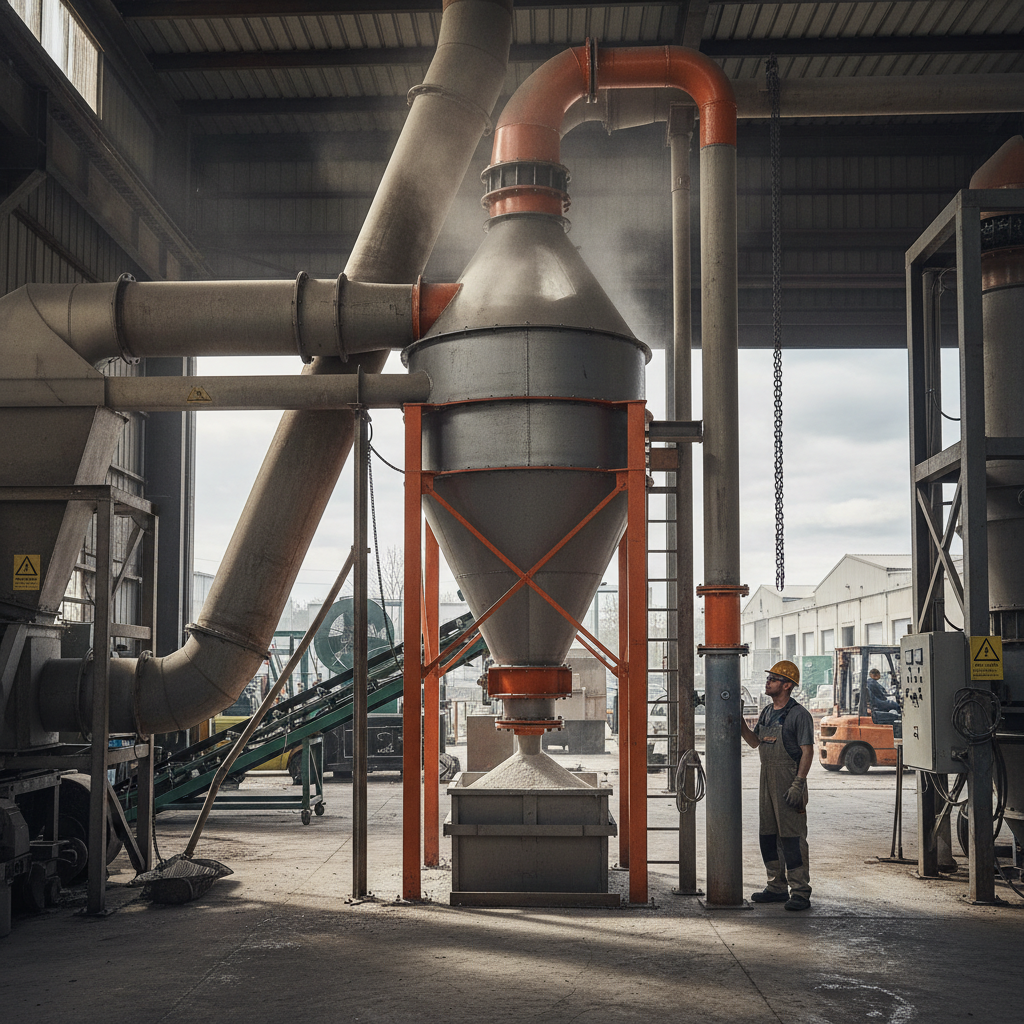
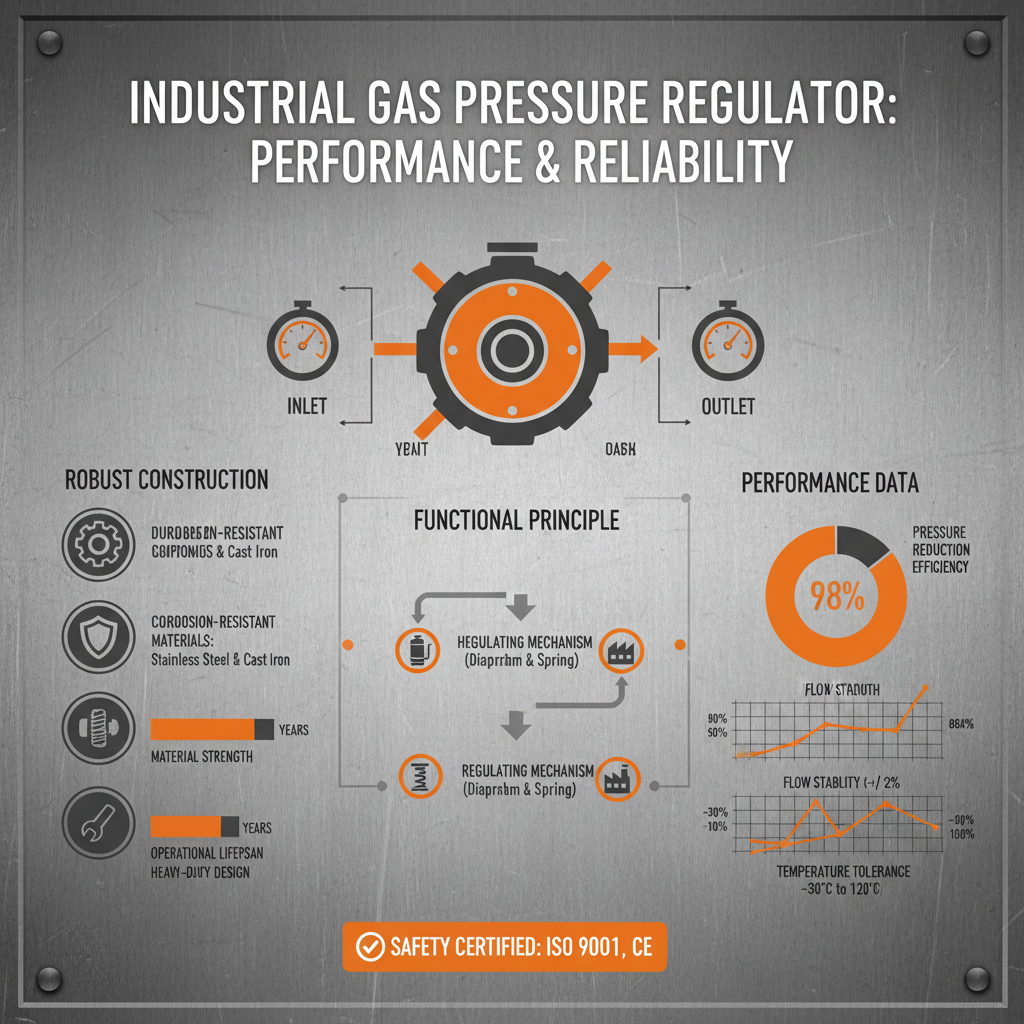
The importance of clean air and water is globally recognized, driving innovation in purification technologies. The purifier market is experiencing substantial growth, fueled by increasing pollution levels, heightened health awareness, and stringent environmental regulations. Understanding the nuances of purifier technologies – from advanced filtration systems to UV sterilization – is crucial for addressing these challenges and safeguarding public health and environmental sustainability.
A robust purifier system isn’t merely a technological solution; it’s an investment in well-being and a demonstration of environmental responsibility. Industries reliant on pristine environments, such as pharmaceuticals and food processing, depend heavily on these technologies. Furthermore, access to purified resources is fundamental for humanitarian efforts in disaster-stricken areas, offering a lifeline in times of crisis.
From tackling industrial emissions to providing safe drinking water, the application of effective purifier methodologies is essential for a healthier and more sustainable future. This exploration delves into the core components, applications, and future trends shaping the world of purification.
The Core Principles of purifier
At its heart, a purifier relies on removing unwanted contaminants from a medium – whether it's air, water, or another substance. This process leverages a range of physical, chemical, and biological techniques, meticulously engineered to achieve a desired level of purity. The selection of the appropriate method is entirely dependent on the type of contaminant and the required end result.
The effectiveness of a purifier is often measured by its ability to meet established standards and regulations set by organizations like the World Health Organization or local environmental agencies. Ongoing research focuses on improving energy efficiency, reducing waste generation, and developing more sustainable purification solutions.
Global Significance of purifier Technologies
The demand for effective purifier systems is escalating globally due to increasing industrialization, urbanization, and climate change. The United Nations estimates that billions of people lack access to safe drinking water, creating a critical need for affordable and accessible purification technologies. Air pollution, particularly in rapidly developing economies, contributes to millions of premature deaths annually, further highlighting the importance of robust air purification solutions.
Industries such as pharmaceuticals, microelectronics, and food and beverage processing have extremely strict purification requirements to maintain product quality and prevent contamination. Compliance with international standards like ISO 9001 often necessitates the implementation of advanced purification processes. The escalating frequency of natural disasters also emphasizes the need for portable purifier units for emergency relief efforts.
The economic impact of inadequate purification is significant. Health care costs associated with pollution-related illnesses, lost productivity due to waterborne diseases, and environmental remediation efforts all contribute to substantial financial burdens worldwide. Investing in efficient purifier technologies is therefore not just an environmental imperative, but also a sound economic strategy.
Defining purifier: A Technical Overview
A purifier can be broadly defined as a system or device designed to remove undesirable elements from a fluid or gas, resulting in a cleaner, more usable resource. This process can involve various techniques, including filtration, adsorption, distillation, reverse osmosis, UV sterilization, and chemical oxidation. The specific method employed depends on the nature of the contaminants and the desired level of purity.
In the context of water purification, common contaminants include bacteria, viruses, heavy metals, pesticides, and sediment. Air purification targets pollutants like particulate matter, volatile organic compounds (VOCs), and allergens. The selection of a purifier must be tailored to address the specific contaminants present in the target environment.
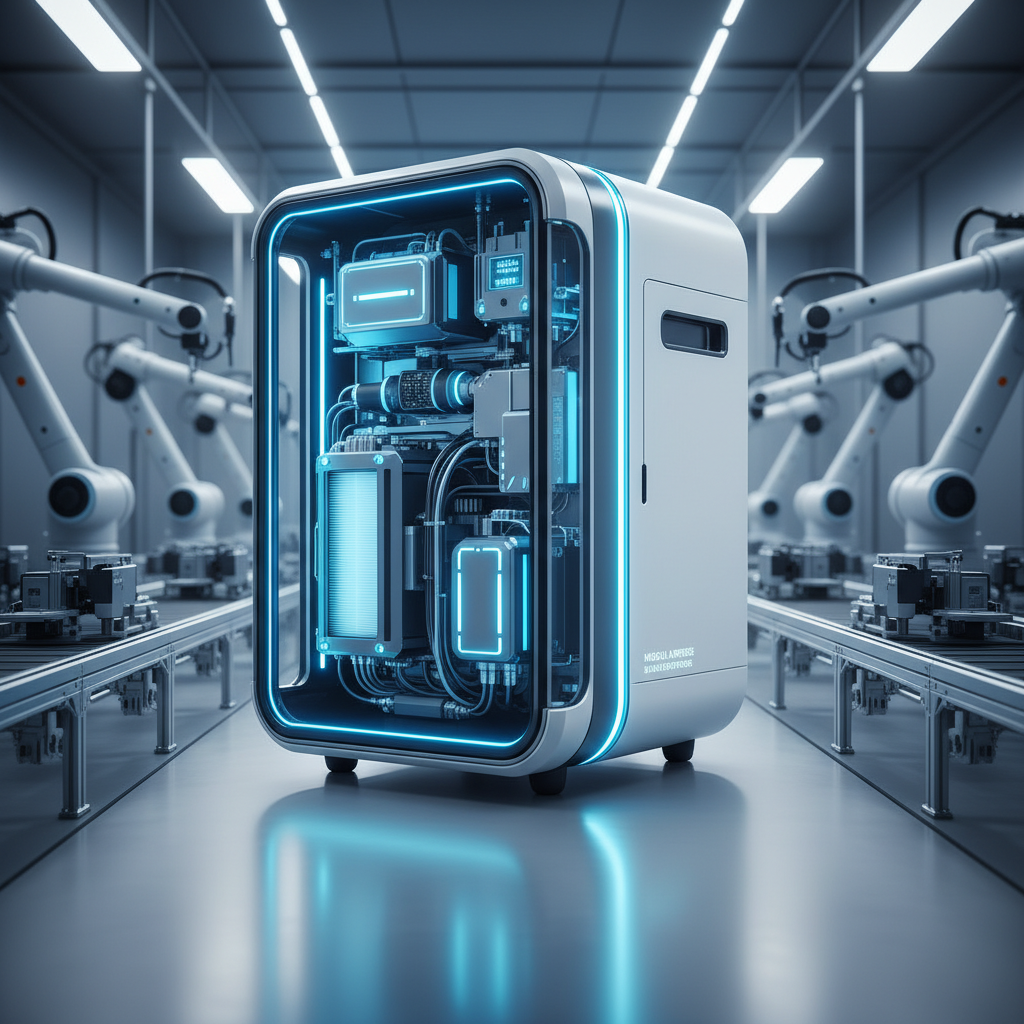
Modern purifier systems often incorporate multiple stages of purification to achieve optimal results. For instance, a water purifier might combine a sediment filter, activated carbon filter, and UV sterilizer to remove particles, chemicals, and microorganisms. These integrated systems offer a comprehensive approach to purification and ensure a consistently high level of quality.
Key Factors Influencing purifier Performance
Several key factors influence the performance of a purifier. Firstly, filtration efficiency – the ability to remove contaminants of a specific size – is paramount. This is often measured in microns and dictates the level of particulate removal. Secondly, flow rate, or the volume of fluid or gas processed per unit time, affects the speed and throughput of the purification process.
Energy consumption is a crucial consideration, especially for large-scale industrial applications. More energy-efficient systems translate to lower operating costs and reduced environmental impact. Finally, maintenance requirements—including filter replacement, cleaning, and system checks—impact the long-term cost-effectiveness and reliability of the purifier.
Comparison of purifier Methods
Real-World Applications of purifier Systems
Purifier systems are vital in a multitude of applications. In municipal water treatment plants, they ensure safe drinking water for entire cities. Hospitals rely on stringent air and water purification to prevent infections and maintain sterile environments. The food and beverage industry utilizes purification for processing and packaging to ensure product safety and quality.
Industrial applications include semiconductor manufacturing, where ultra-pure water is essential for producing microchips, and power generation, where purification systems prevent corrosion and scaling in cooling towers. Furthermore, purifier technologies play a critical role in environmental remediation, cleaning up contaminated sites and restoring ecosystems.
Advantages and Long-Term Value of purifier
Investing in a high-quality purifier delivers numerous tangible benefits. Reduced healthcare costs through improved air and water quality are a key advantage. Sustainability is enhanced through minimized waste and efficient resource utilization. Furthermore, improved productivity and reduced downtime in industrial settings translate to significant economic gains.
Beyond the economic benefits, purifier solutions foster trust and enhance brand reputation. Demonstrating a commitment to environmental stewardship and public health is invaluable in today’s socially conscious market. The peace of mind that comes from knowing you’re providing a safe and healthy environment is an immeasurable benefit.
Future Trends and Innovations in purifier
The future of purifier technology is being shaped by several key trends. Nanotechnology is enabling the development of advanced filtration materials with significantly enhanced efficiency and selectivity. The integration of artificial intelligence (AI) and machine learning is optimizing system performance and enabling predictive maintenance.
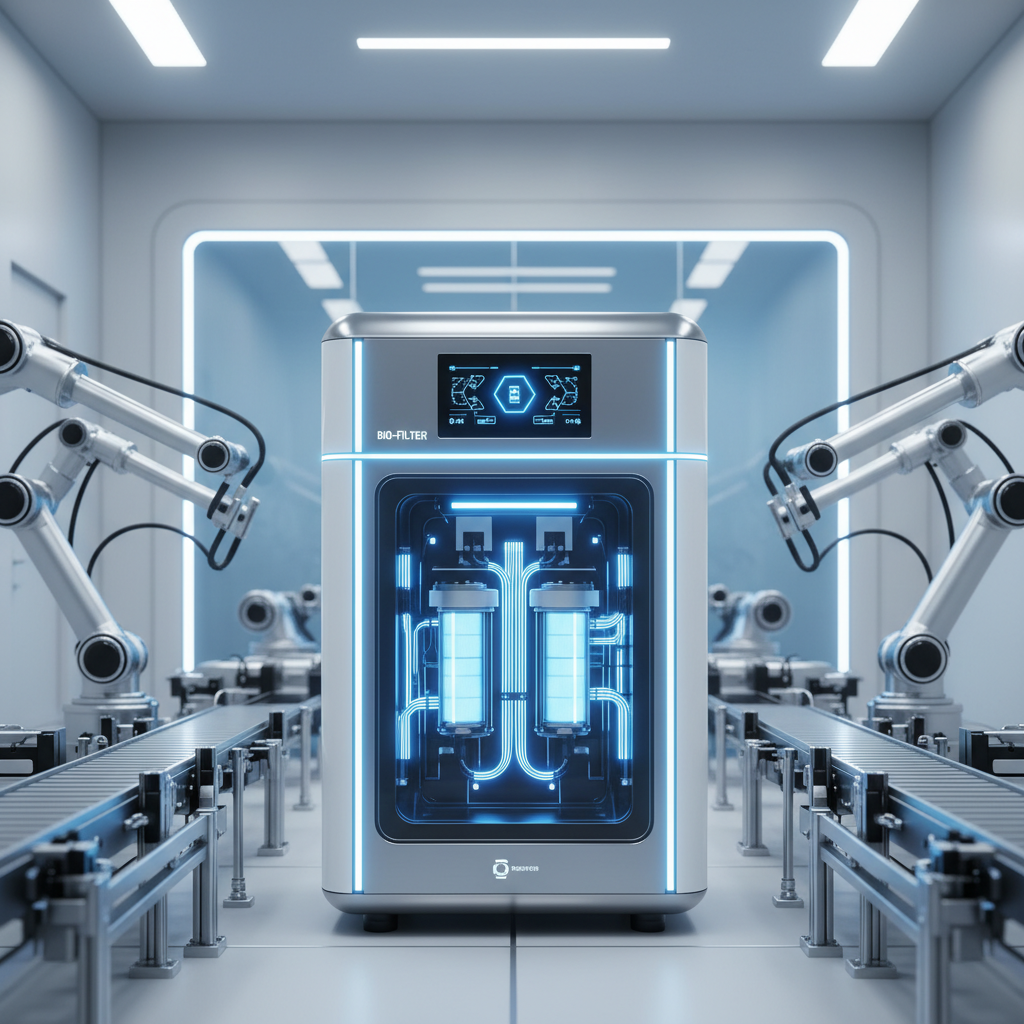
Sustainable purification methods, such as solar-powered desalination and bio-filtration, are gaining traction as environmentally friendly alternatives. Furthermore, the development of portable and decentralized purifier systems is bringing clean water and air to remote and underserved communities.
The convergence of digital technologies and purification systems – often referred to as “smart purification” – allows for real-time monitoring, remote control, and data-driven optimization, paving the way for more efficient and responsive purification solutions.
Summary of Future Trends in purifier Technology
| Trend Category |
Key Innovation |
Potential Impact |
Adoption Timeline |
| Nanomaterials |
Graphene-based filters |
Increased filtration efficiency and reduced energy consumption |
5-10 years |
| AI Integration |
Predictive maintenance algorithms |
Reduced downtime and optimized performance |
2-5 years |
| Sustainable Solutions |
Solar-powered desalination |
Reduced reliance on fossil fuels and lower operating costs |
5-15 years |
| Decentralized Systems |
Portable water purification units |
Access to clean water in remote areas |
Currently available |
| Bio-Filtration |
Using microorganisms to remove pollutants |
Environmentally friendly and cost-effective |
3-7 years |
| Smart Purification |
Real-time monitoring and remote control |
Optimized system performance and data-driven insights |
2-5 years |
FAQS
Different purifier technologies excel at removing different types of contaminants. Filtration relies on physical barriers, adsorption uses surface adhesion, reverse osmosis forces water through a semi-permeable membrane, and UV sterilization uses ultraviolet light to kill microorganisms. Selecting the right technology depends on the specific contaminants present and the desired level of purity. Each has unique cost, efficiency, and maintenance requirements.
The frequency of purifier filter replacement depends on the type of filter, the quality of the input, and the volume of water or air processed. Sediment filters typically need replacing every 3-6 months, carbon filters every 6-12 months, and UV lamps annually. Regular monitoring of filter performance and adherence to manufacturer recommendations are crucial for maintaining optimal purification efficiency.
Yes, several environmentally friendly purifier options are emerging. Bio-filtration utilizes natural microorganisms to remove pollutants, while solar-powered desalination offers a sustainable alternative to traditional methods. Choosing filters made from renewable materials and minimizing waste generation are also important considerations.
The cost of a purifier system varies widely depending on the technology, scale, and complexity. Initial installation costs can range from a few hundred dollars for a simple home filter to tens of thousands of dollars for an industrial-scale system. Ongoing maintenance costs include filter replacement, energy consumption, and periodic servicing.
To determine the best purifier system, it’s essential to identify the specific contaminants you need to remove, assess the volume of fluid or air you need to process, and consider your budget and space constraints. Consulting with a purification specialist can provide tailored recommendations and ensure you choose a system that meets your requirements.
Purifier systems are often subject to regulations set by organizations like the World Health Organization (WHO), the Environmental Protection Agency (EPA), and local government agencies. These regulations dictate acceptable levels of contaminants in water and air, as well as standards for purification equipment. Compliance with these regulations is essential for ensuring public health and environmental safety.
Conclusion
In conclusion, purifier technology plays a critical role in safeguarding public health, protecting the environment, and fostering sustainable development. From ensuring access to clean water and air to enabling advancements in industries like healthcare and manufacturing, the benefits are far-reaching and impactful. Continuous innovation and a commitment to responsible implementation are essential for realizing the full potential of these technologies.
Looking ahead, investing in research and development, promoting sustainable purification practices, and fostering collaboration between industry, government, and academia will be crucial for addressing the evolving challenges of pollution and resource scarcity. To learn more about our comprehensive purifier solutions and how we can help you achieve your purification goals, visit our website today.