Look, after years of getting my boots dirty on construction sites, seeing what actually works, I can tell you one thing: reliable air filtration is non-negotiable. It’s not just about meeting regulations; it’s about protecting the guys and gals doing the work, extending equipment life, and preventing costly shutdowns. And that’s where a good coalescing filter comes in. It’s a surprisingly simple piece of kit, but absolutely crucial for a whole range of applications, from keeping compressors running smoothly to ensuring the air in paint booths is safe. We’re talking about a serious impact on both productivity and worker well-being.
What I've found time and again is that folks often underestimate the damage even tiny contaminants can do. Water vapor, oil mist, even just plain dust – these things will wreck havoc on pneumatic tools, spray equipment, and sensitive instrumentation. It’s not always a dramatic failure, either. It's often a slow, grinding down of performance, leading to increased maintenance and downtime. A properly selected and maintained coalescing filter acts as your first line of defense against these invisible enemies.
And it's not a one-size-fits-all deal. The demands on air quality vary wildly depending on the application. A woodworking shop has different needs than a pharmaceutical manufacturing plant. Choosing the right filter—the right grade of filter—is critical. That’s where understanding the nuances of these systems becomes vital. We've seen too many projects delayed because someone skimped on filtration, thinking they could get away with something cheaper.
The Core Principles of coalescing filter
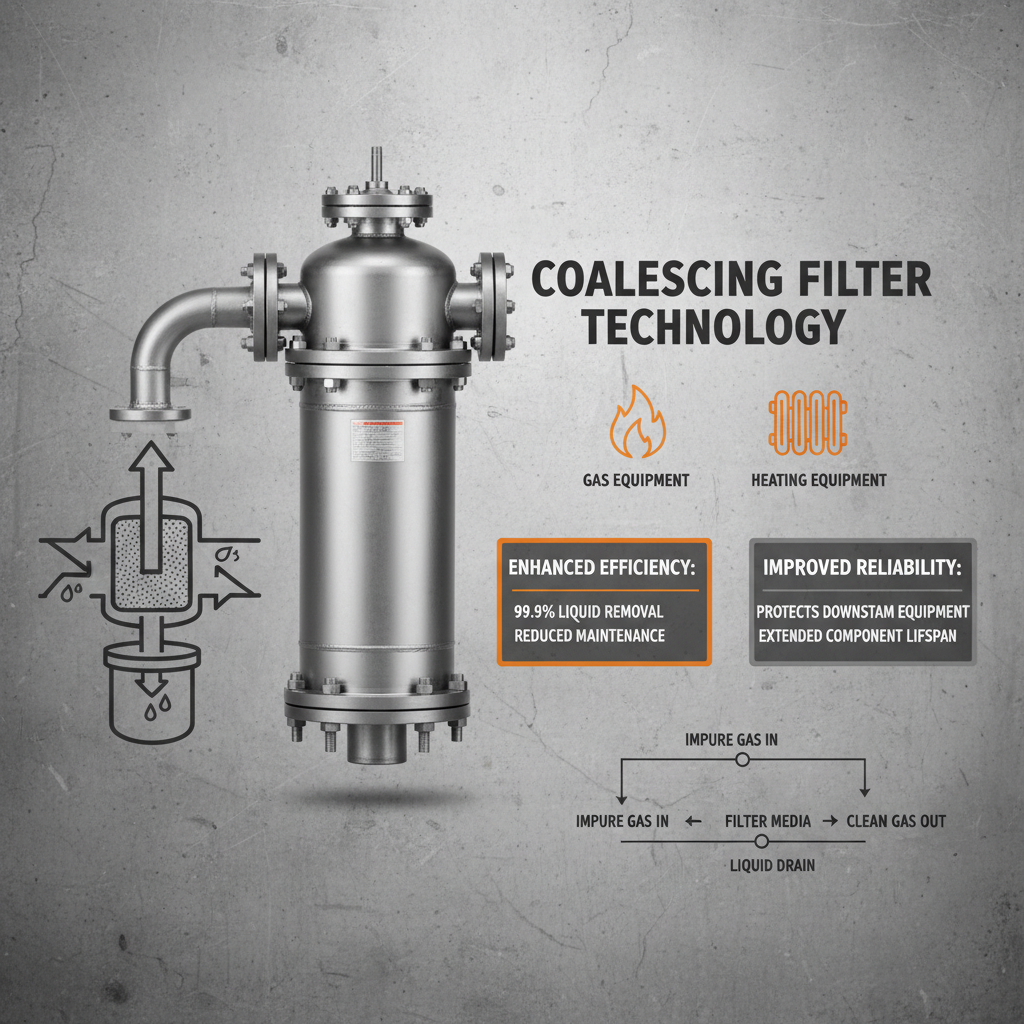
The heart of a coalescing filter is surprisingly elegant. It’s all about forcing tiny liquid particles – oil mist, water droplets – to collide and form larger droplets that can then be drained away. It's not just trapping; it's actively removing the contaminants. The material, often a specialized fiber matrix, is engineered to maximize this collision rate.
What I tell the guys is, think of it like a rainstorm. Tiny droplets float around, but when they collide, they get heavier and eventually fall. That's what's happening inside the filter. The efficiency of that process depends on factors like air velocity, the type of media used, and the size of the contaminant. This is where quality really shines through - cheap filters use materials that quickly clog and lose their effectiveness.
The Global Significance of coalescing filter
You might not realize it, but a coalescing filter is a linchpin in a lot of critical infrastructure globally. Consider pneumatic systems used in automated manufacturing – a clogged filter can bring a whole production line to a halt, costing companies millions. Or think about the precision required in medical air compressors; contaminated air can have disastrous consequences.
According to ISO standards for compressed air quality, certain applications demand incredibly high levels of purity. These standards aren't just recommendations; they're legal requirements in many regions. A coalescing filter is often the only way to consistently meet those standards. The increasing focus on sustainability and energy efficiency also plays a role. Clean, dry air allows equipment to run more efficiently, reducing energy consumption and waste.
It's not just about developed nations either. In rapidly industrializing countries, the demand for reliable air filtration is skyrocketing as manufacturing capacity expands. Ensuring a consistent supply of high-quality filters is becoming a major logistical challenge, which underscores the importance of a robust and dependable supply chain.
Defining coalescing filter: A Practical Perspective
Simply put, a coalescing filter separates liquids from gases – specifically, it removes liquid aerosols (tiny droplets suspended in air) from a gas stream. Unlike simple particulate filters, which just trap solid particles, a coalescing filter actively forces those liquid droplets to combine and drain out. It's a crucial step in achieving truly clean, dry air.
In practical terms, you’ll find them commonly used in compressed air systems, paint booths, and gas turbines. They’re essential for protecting sensitive equipment from damage and ensuring optimal performance. The key is to understand the specific contaminants you’re dealing with and select a filter that’s designed to handle them effectively.
From a maintenance standpoint, knowing when to replace a filter is vital. Too often, I've seen guys run them until they're completely clogged, which actually reduces airflow and can even cause damage to the downstream equipment. Regular monitoring and timely replacement are key to maximizing efficiency and preventing problems.
Key Factors Influencing coalescing filter Performance
There are a few things that really impact how well a coalescing filter performs. First, the filter media itself. Different materials – fiberglass, synthetic fibers, etc. – have different efficiencies and lifespans. Then there's the pore size; smaller pores trap smaller droplets, but also restrict airflow more.
Here's a quick breakdown:
coalescing filter Efficiency vs. Pore Size
Real-World Applications of coalescing filter
You see them everywhere. In automotive paint shops, they’re crucial for delivering a flawless finish by removing oil and water from the compressed air supply. In pharmaceutical manufacturing, they ensure the air used in sterile processes meets incredibly stringent purity requirements.
I’ve worked on sites where they’re used to protect sensitive gas analyzers, keeping them from being fouled by contaminants. And, of course, they’re essential in any compressed air system powering pneumatic tools. A clean air supply means less downtime and longer tool life – a huge win for productivity.
The Long-Term Value Proposition of coalescing filter
Investing in a quality coalescing filter isn’t just about immediate performance; it’s about long-term cost savings. Reduced maintenance, extended equipment life, and increased productivity all add up. It's an upfront cost that pays for itself many times over.
There's a peace of mind factor, too. Knowing your equipment is protected and your workers are breathing clean air is invaluable. It fosters a safer, more efficient work environment, and that translates to increased morale and reduced risk.
Future Trends and Innovations in coalescing filter Technology
We're seeing a lot of innovation in filter materials – more efficient synthetics, enhanced coatings to resist clogging. Smart filters with built-in sensors that monitor pressure drop and contaminant levels are also starting to appear, allowing for predictive maintenance.
The push for sustainability is driving demand for filters with longer lifespans and recyclable components. And the integration of digital monitoring systems into broader IIoT (Industrial Internet of Things) platforms is making it easier to track filter performance and optimize maintenance schedules.
I'm also watching the development of self-cleaning filters – systems that automatically remove accumulated contaminants without requiring shutdown. That could be a game-changer in certain applications.
Summary of Key coalescing filter Characteristics
| Filter Grade |
Typical Application |
Maintenance Frequency |
Cost Estimate (USD) |
| Coarse (10 μm) |
General compressed air |
Monthly |
$50 - $100 |
| Medium (5 μm) |
Pneumatic tools |
Bi-monthly |
$80 - $150 |
| Fine (1 μm) |
Paint spraying |
Quarterly |
$150 - $300 |
| Ultra-fine (0.01 μm) |
Pharmaceuticals |
Every 6 months |
$300 - $600 |
| Activated Carbon |
Odor Removal |
Annual |
$200 - $400 |
| Self-Cleaning |
Continuous Processes |
Minimal |
$500+ |
FAQS
A particulate filter traps solid particles like dust and dirt. A coalescing filter, on the other hand, removes liquid aerosols – tiny droplets of water or oil suspended in air. It forces these droplets to collide and grow larger, so they can be drained away. They serve different purposes and are often used together in a multi-stage filtration system.
That depends on your application and the air quality. Monitor the pressure differential across the filter – a significant drop indicates it’s time for a change. As a general rule, inspect it monthly and replace it every 3-6 months, or sooner if you notice a decline in performance. Ignoring it can lead to reduced airflow and equipment damage.
Filter size is determined by the compressor's CFM (cubic feet per minute) output. You need a filter that can handle the same or greater CFM to avoid restricting airflow. Also, consider the type of contaminants – oil-based or water-based – to select the appropriate filter media. Consult the compressor manufacturer’s recommendations.
Generally, no. Coalescing filters are designed to be disposable. Attempting to clean them can damage the filter media and reduce its efficiency. Replacing them regularly ensures optimal performance and protects your equipment. Trying to save a few bucks isn't worth the potential for costly repairs.
Look for a noticeable drop in air pressure, increased moisture or oil in your compressed air, and reduced performance of pneumatic tools. You might also hear a hissing sound indicating restricted airflow. These are all signs that your coalescing filter needs to be replaced.
Yes, filters are graded based on their ability to remove particles of different sizes, measured in microns. Higher grades (smaller micron rating) remove smaller particles, resulting in cleaner, drier air. Choose the grade that meets the specific requirements of your application.
Conclusion
In the end, a coalescing filter isn’t just another component on a piece of machinery; it's a critical piece of the puzzle for reliable, efficient, and safe operations. From protecting sensitive equipment to safeguarding worker health, the benefits are undeniable. Understanding the principles, applications, and future trends of this technology is essential for anyone involved in industries that rely on compressed air or gas systems.
Don’t cut corners when it comes to air filtration. Invest in a quality coalescing filter, implement a regular maintenance schedule, and stay informed about the latest advancements in the field. It's a small investment that can save you a lot of headaches—and money—in the long run. For more information and to explore our range of coalescing filter solutions, visit our website: www.gasouyinuo.com