Look, I’ve spent the last fifteen years knee-deep in concrete, dust, and blueprints – not in a boardroom. When it comes to pressure regulating skid, it's not about fancy specs on a datasheet, it's about reliability out in the field. These skids are the unsung heroes of countless operations, silently ensuring consistent pressure for everything from pipeline maintenance to gas distribution. A good skid means a job runs smoothly, safely, and on time. And believe me, delays cost money, and safety lapses…well, they cost everything.
For too long, this equipment has been treated as an afterthought, something you grab off the shelf and hope works. But the demands are increasing. We’re seeing more complex operations, tighter tolerances, and harsher environments. That's why understanding the nuances of a quality pressure regulating skid isn’t just for engineers anymore – it’s crucial for anyone involved in project planning, procurement, or on-site execution.
We're pushing the boundaries of what's possible with these systems, and it's exciting to see the innovation happening right now. This isn’t just about making things cheaper; it’s about building systems that can withstand the real world, deliver consistent performance, and ultimately keep people safe.
The Core Functionality of pressure regulating skid
At its heart, a pressure regulating skid maintains a consistent downstream pressure, regardless of fluctuations in the upstream supply. Sounds simple, right? But the devil is in the details. The quality of the regulators, the piping design, the instrumentation – it all impacts how reliably that pressure is held. I’ve seen skids that creep up and down like a heartbeat, leading to process upsets and wasted product. A well-designed skid doesn’t just regulate; it protects your entire system.
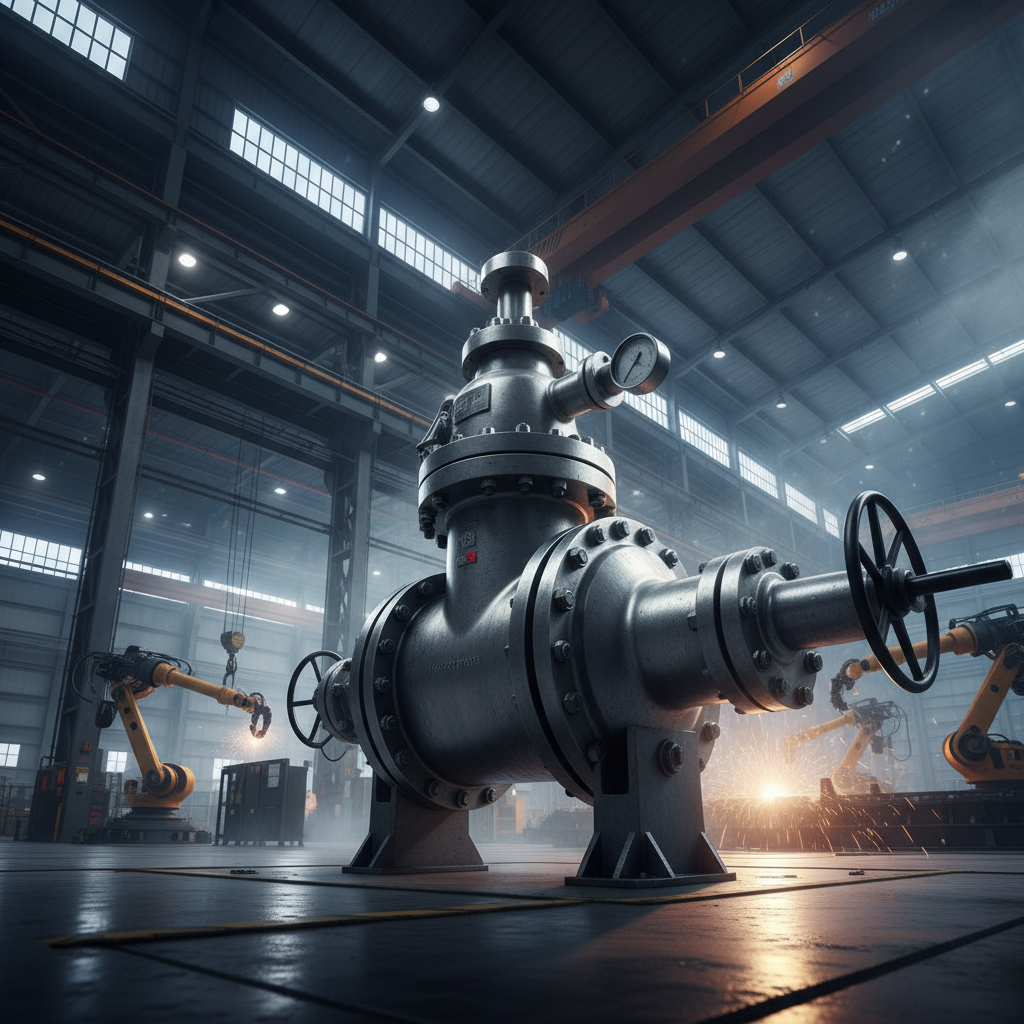
What I look for first is ruggedness. These things get hauled around, exposed to the elements, and subjected to vibration. If it’s not built tough enough, it's going to fail. And a failure at the wrong time can bring everything to a halt. You want something that can take a beating and keep on ticking.
Global Significance and Industry Demand
Pressure regulating skids aren't some niche piece of equipment. They're fundamental to industries worldwide. From the oil and gas sector to petrochemical processing, water treatment, and even food and beverage, you'll find these systems at work. The UN estimates that over 2 billion people lack access to reliable energy, and safe and efficient gas distribution—reliant on quality regulation—is a key component of addressing that challenge.
Demand is only increasing, particularly in developing nations undergoing rapid industrialization. China, India, and Southeast Asia are all investing heavily in infrastructure projects, driving up the need for robust pressure control systems. The ISO standards for pressure vessel and piping design are becoming stricter, meaning the bar is constantly being raised for manufacturers.
The biggest challenge I see right now is the need for faster turnaround times. Projects are getting compressed, and clients are demanding quicker delivery without sacrificing quality. That's pushing manufacturers to streamline their processes and adopt more efficient fabrication techniques.
Defining a pressure regulating skid: What it Is and Why it Matters
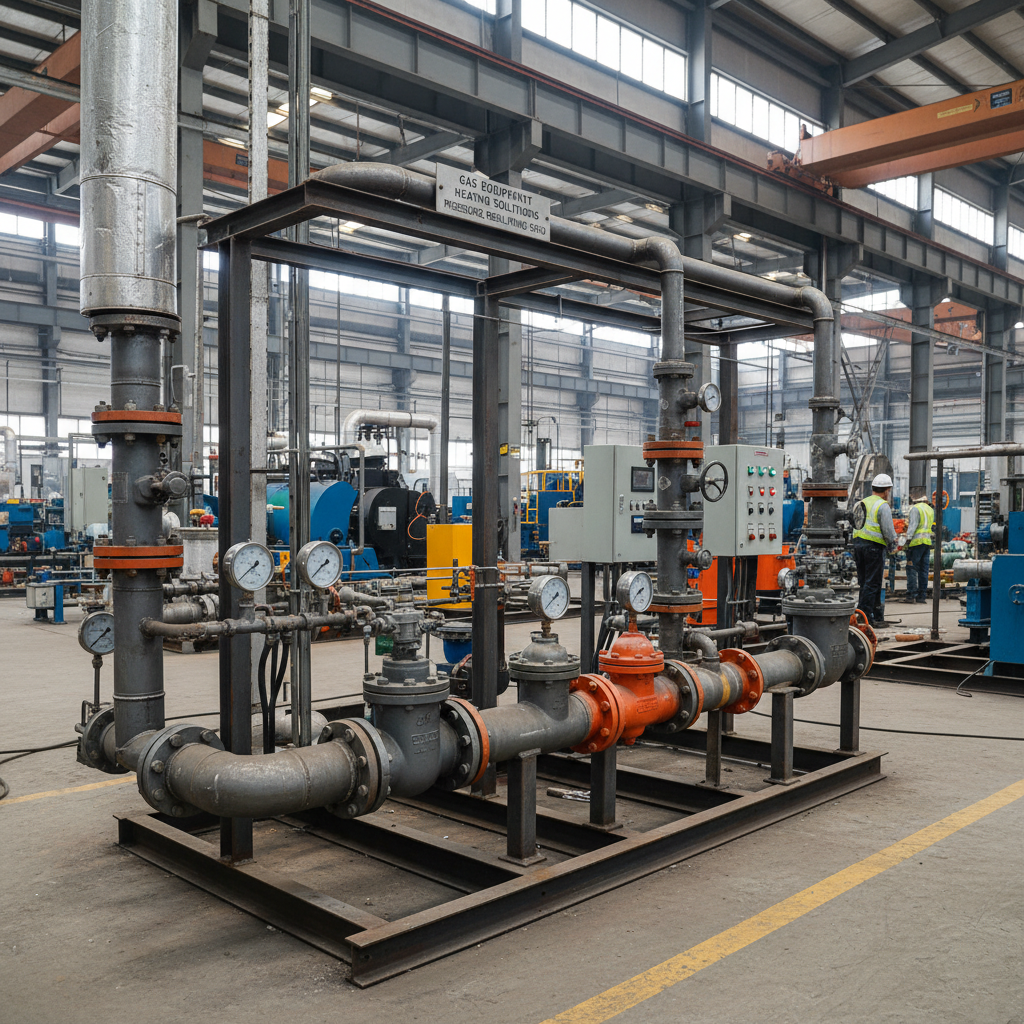
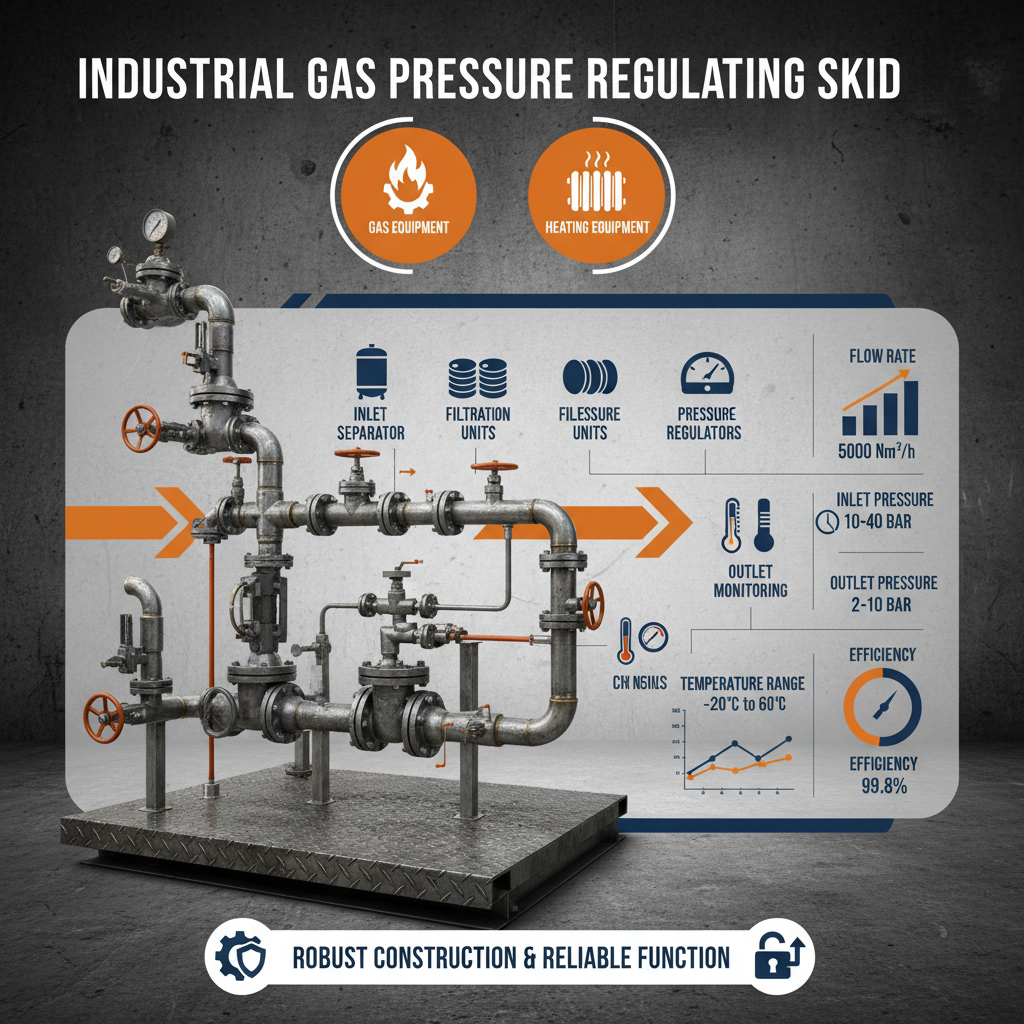
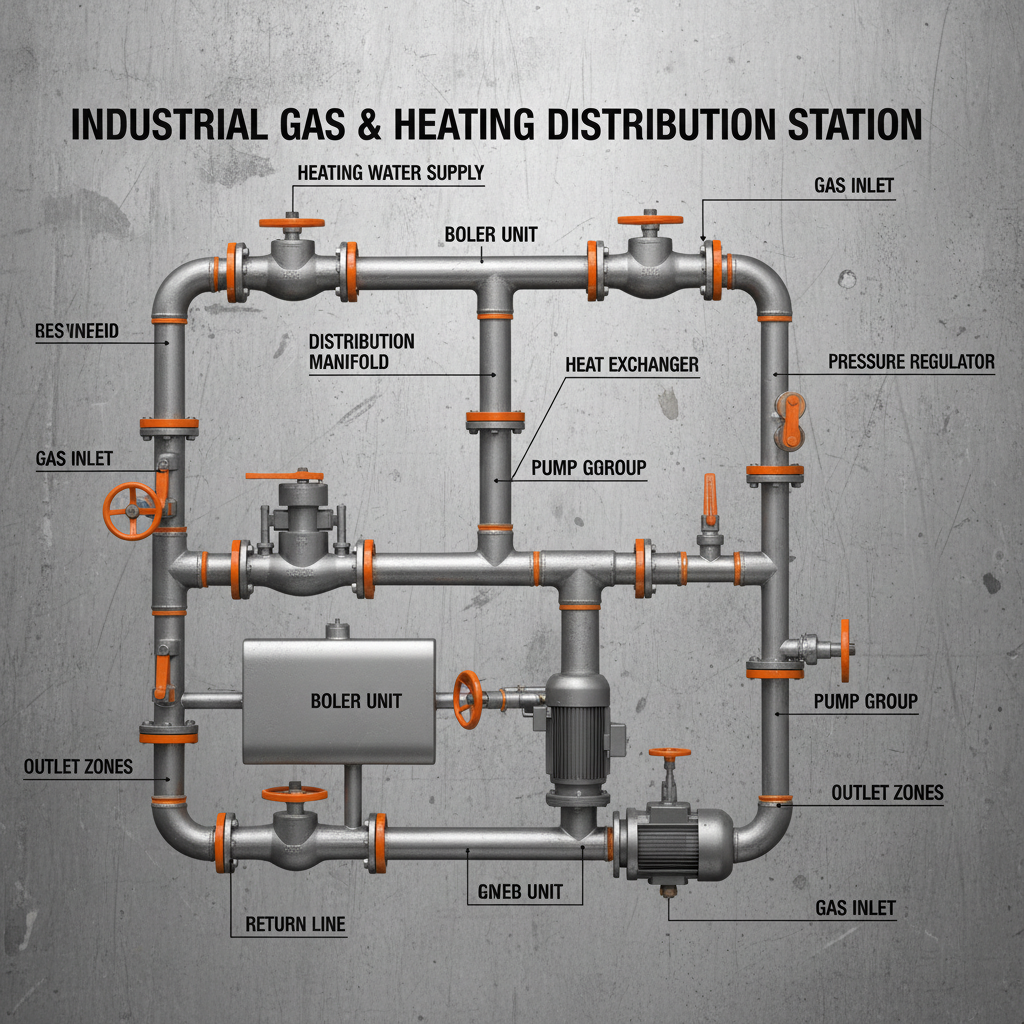
Simply put, a pressure regulating skid is a self-contained assembly of components designed to reduce a higher inlet pressure to a lower, stable outlet pressure. Think of it as the gatekeeper for your process. It typically includes pressure regulators, control valves, filters, gauges, and associated piping, all mounted on a structural base (the skid).
What makes it so important? Consistent pressure is vital for safe and efficient operation of countless processes. Too much pressure and you risk equipment damage or even catastrophic failure. Too little pressure and your process may not run at all. The skid provides that crucial level of control, ensuring everything operates within specified parameters.
It’s a bridge between the high-pressure source (like a gas pipeline or compressor) and the low-pressure end-use equipment (like a burner or analytical instrument). Without it, you're essentially playing Russian roulette with your system.
Critical Components and Performance Factors
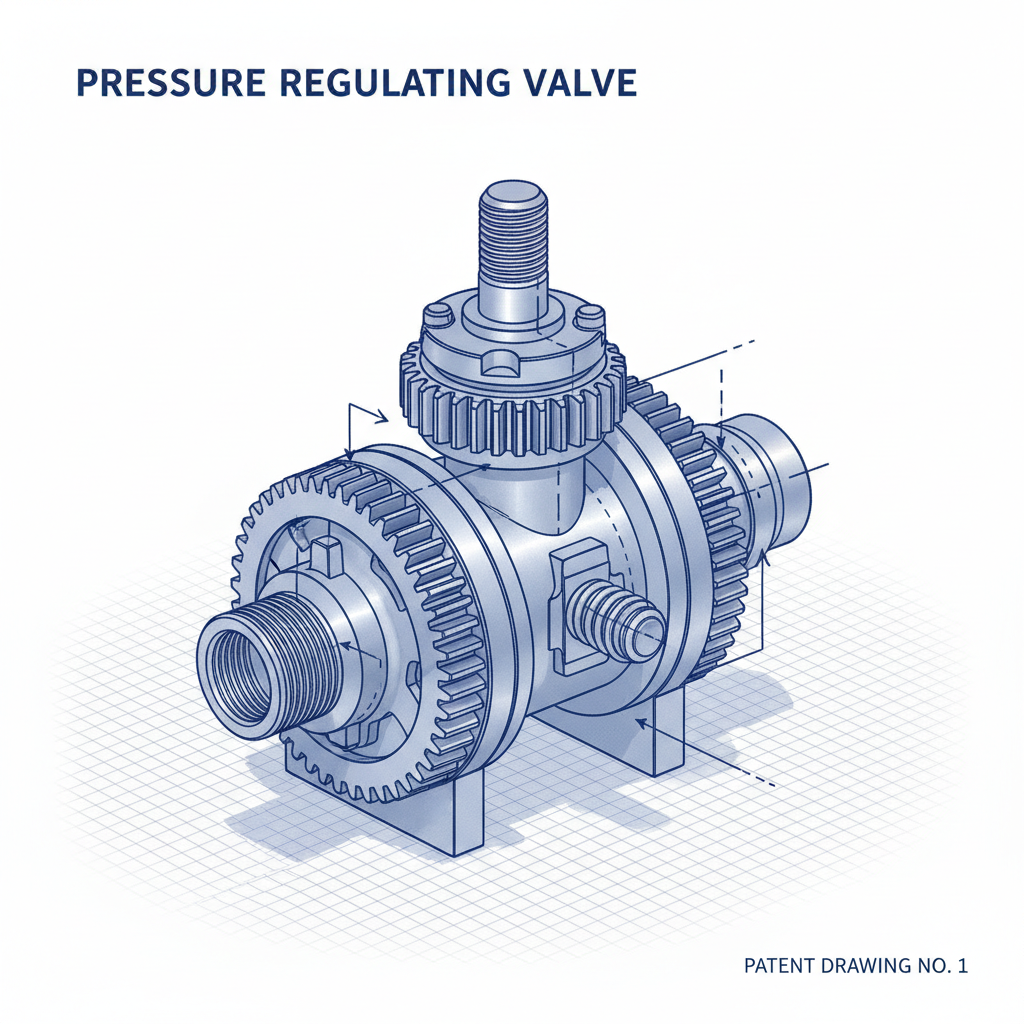
Several factors go into making a quality pressure regulating skid. First, the regulators themselves – diaphragm, pilot-operated, or direct-acting – each have their strengths and weaknesses depending on the application. Then you have the control valves, which allow for precise flow control and automatic pressure adjustment.
The material of construction is huge. Carbon steel is common, but for corrosive environments, you need stainless steel or other alloy options. Instrumentation – gauges, transmitters, and control systems – provides the necessary feedback for monitoring and control. But, the often-overlooked factor is the quality of the welding and fabrication. A poorly welded joint is a weak link that can lead to leaks and failures.
Pressure Drop Across Regulating Skid Components
Real-World Applications Across Industries
I’ve seen these skids everywhere. In remote oil fields, they’re regulating pressure for wellhead control. In natural gas processing plants, they’re ensuring consistent fuel delivery. I even worked on a project where they were used to regulate pressure for a large-scale CO2 sequestration project – pretty cutting edge stuff.
In post-disaster relief operations, portable pressure regulating skids are essential for providing clean water and powering emergency equipment. They’re also crucial for maintaining pressure in cryogenic storage tanks, like those used for liquid nitrogen or oxygen.
Long-Term Benefits and Value Proposition
A properly specified and maintained pressure regulating skid translates to cost savings. Fewer failures mean less downtime, reduced maintenance costs, and minimized product loss. Beyond that, it's about safety and reliability. Knowing your system is operating within safe parameters gives you peace of mind, and that’s priceless.
Investing in a high-quality skid is an investment in the longevity of your entire operation. It’s about building trust with your clients and demonstrating a commitment to responsible and sustainable practices. It might cost a little more upfront, but it’ll pay dividends in the long run.
These aren't just pieces of metal; they are vital components in complex operations that impact lives and livelihoods.
Future Trends and Emerging Technologies
We’re starting to see a lot more integration of digital technologies. Smart regulators with remote monitoring capabilities are becoming increasingly common, allowing for real-time data analysis and predictive maintenance. That's huge for optimizing performance and preventing unexpected failures.
There’s also a growing focus on modularity and prefabrication. Building skids off-site in a controlled environment improves quality and reduces lead times. And, of course, the push for more sustainable materials and energy-efficient designs is gaining momentum.
I predict we’ll see more use of advanced materials like composites and alloys to reduce weight and improve corrosion resistance. And with the rise of green hydrogen, we’ll need pressure regulating skids specifically designed for handling that new fuel source.
A Comparison of Common Pressure Regulating Skid Challenges and Mitigation Strategies
| Challenge |
Impact on Skid Performance |
Mitigation Strategy |
Estimated Cost of Implementation (Scale 1-10) |
| Corrosion of Components |
Reduced regulator lifespan, potential leaks, system failure |
Utilize corrosion-resistant materials (stainless steel, alloys), apply protective coatings |
7 |
| Pressure Fluctuations |
Inconsistent downstream pressure, process instability |
Implement high-quality regulators, add pulsation dampeners, optimize control loop tuning |
5 |
| Vibration and Mechanical Stress |
Component fatigue, potential for failure |
Employ vibration isolation mounts, strengthen skid structure, use flexible connections |
6 |
| Inadequate Filtration |
Regulator clogging, reduced performance, premature failure |
Install appropriate filtration systems based on fluid characteristics |
3 |
| Lack of Remote Monitoring |
Delayed identification of issues, increased downtime |
Integrate smart regulators with remote monitoring capabilities |
8 |
| Poor Weld Quality |
Leakage, structural weakness, potential catastrophic failure |
Implement rigorous quality control procedures, utilize certified welders, perform non-destructive testing |
9 |
FAQS
A properly maintained pressure regulating skid can easily last 15-20 years or more. The key is regular inspection, preventative maintenance (replacing seals, filters, etc.), and prompt repair of any identified issues. The environment it operates in also plays a big role – corrosive environments will shorten lifespan. It's a long-term investment if you take care of it.
Choosing the right regulator depends on several factors: the inlet pressure, the desired outlet pressure, the flow rate, the fluid type, and the operating environment. Diaphragm regulators are good for general purpose applications. Pilot-operated regulators are better for high-pressure drops and stable outlet pressures. Direct-acting regulators are simple and reliable, but less precise. Talk to a qualified engineer to get it right.
Safety is paramount. Look for features like relief valves to prevent overpressure, shut-off valves for emergency isolation, and robust materials of construction. Proper grounding is also essential to prevent static electricity buildup. Always ensure the skid meets relevant industry standards and regulations, and that personnel are properly trained on its operation.
Regular maintenance includes visual inspections for leaks, checking and replacing filters, lubricating moving parts, and calibrating instrumentation. You should also periodically test the relief valves to ensure they're functioning correctly. Keeping a detailed maintenance log is crucial for tracking performance and identifying potential issues before they become major problems.
Absolutely. Most reputable manufacturers offer customization options to tailor the skid to your specific application requirements. This includes selecting different components, materials, instrumentation, and control systems. Don’t hesitate to discuss your needs with the vendor to ensure you get a solution that’s perfectly suited for your operation.
Common failures stem from corrosion, contamination (dirt, debris in the fluid), component wear and tear, and improper maintenance. Overpressure events can also cause damage. Regularly inspecting and maintaining your skid, and using appropriate filtration, can significantly reduce the risk of failure.
Conclusion
From the oilfield to the processing plant, the pressure regulating skid is a fundamental component of countless critical operations. Understanding its core functionality, key components, and emerging trends isn’t just for engineers – it's essential for anyone involved in ensuring safe, efficient, and reliable process control. Investing in a quality skid and prioritizing preventative maintenance will pay dividends in the long run, reducing downtime, minimizing costs, and protecting your assets.
The future of pressure regulation lies in smart technologies, sustainable materials, and modular designs. By embracing these innovations, we can build more resilient and efficient systems that meet the evolving demands of a global industry. For reliable solutions and expert advice, visit our website today: pressure regulating skid.