Pressure regulating valves are critical components in a vast array of industrial and commercial applications, ensuring the safe and efficient delivery of fluids and gases. Their ability to maintain a consistent downstream pressure, regardless of fluctuations in the upstream supply, is paramount for process control, equipment protection, and overall system reliability. Understanding the principles behind these valves is essential for engineers, technicians, and anyone involved in designing, operating, or maintaining fluid handling systems.
Globally, the demand for precision and safety in fluid management is driving innovation in pressure regulating valve technology. From oil and gas pipelines to pharmaceutical manufacturing and even household appliances, these valves play a vital, often unseen, role. The economic impact is significant, with a multi-billion dollar market continually evolving to meet increasingly stringent performance requirements and regulatory standards.
The significance of reliable pressure control extends beyond purely economic factors. In critical infrastructure like water treatment facilities and healthcare systems, a malfunctioning pressure regulating valve can have serious consequences, impacting public health and safety. Consequently, a strong grasp of their function, maintenance, and advancements is increasingly important.
The Importance of Pressure Regulation
Effective pressure regulation is the cornerstone of safe and efficient fluid handling across numerous industries. Without precise control, systems are vulnerable to damage, inaccuracies, and potentially hazardous situations. A properly functioning pressure regulating valve is therefore not merely a component, but a critical safety and performance element.
The consequences of inadequate pressure regulation can range from minor inconveniences, such as inconsistent product quality, to catastrophic failures resulting in equipment damage, environmental contamination, or even loss of life. This underlines the importance of selecting the correct valve for the application and ensuring its consistent maintenance and inspection.
Defining a Pressure Regulating Valve
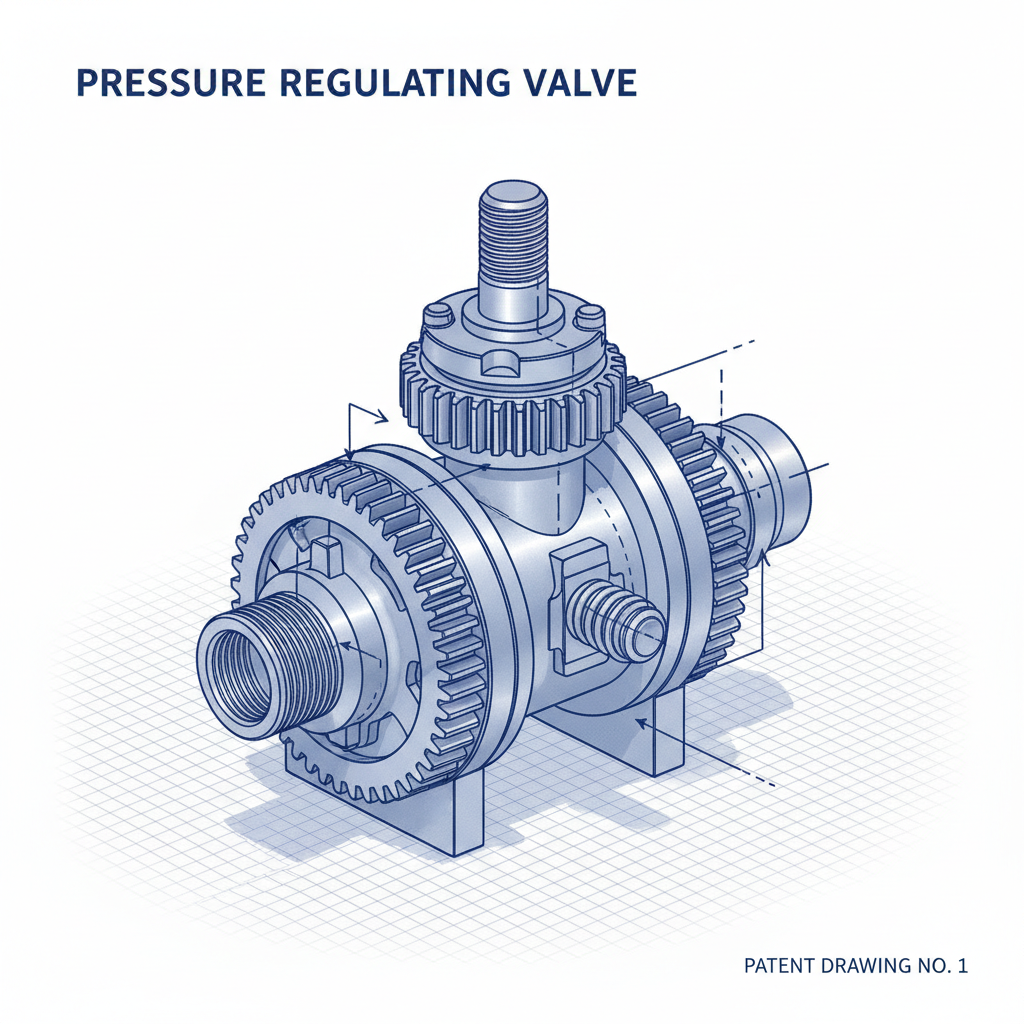
A pressure regulating valve is a mechanical device designed to automatically reduce a high inlet pressure to a desired, lower outlet pressure and maintain that outlet pressure within a specified range, despite fluctuations in the inlet pressure or flow rate. This is achieved through the use of a restricting element, such as an orifice or valve seat, and a control mechanism that adjusts the opening size based on sensed downstream pressure.
In modern industry, these valves are instrumental in maintaining process stability and product consistency. They are vital in applications where a consistent pressure is needed to optimize performance, protect sensitive equipment, or ensure safety. Their implementation is a fundamental aspect of modern control systems.
The application of pressure regulating valves extends to humanitarian needs as well, ensuring clean and safe water distribution in remote areas or providing reliable medical gas supply in healthcare facilities. Their adaptability and robust design make them a versatile solution for a wide range of challenges.
Core Components and Characteristics
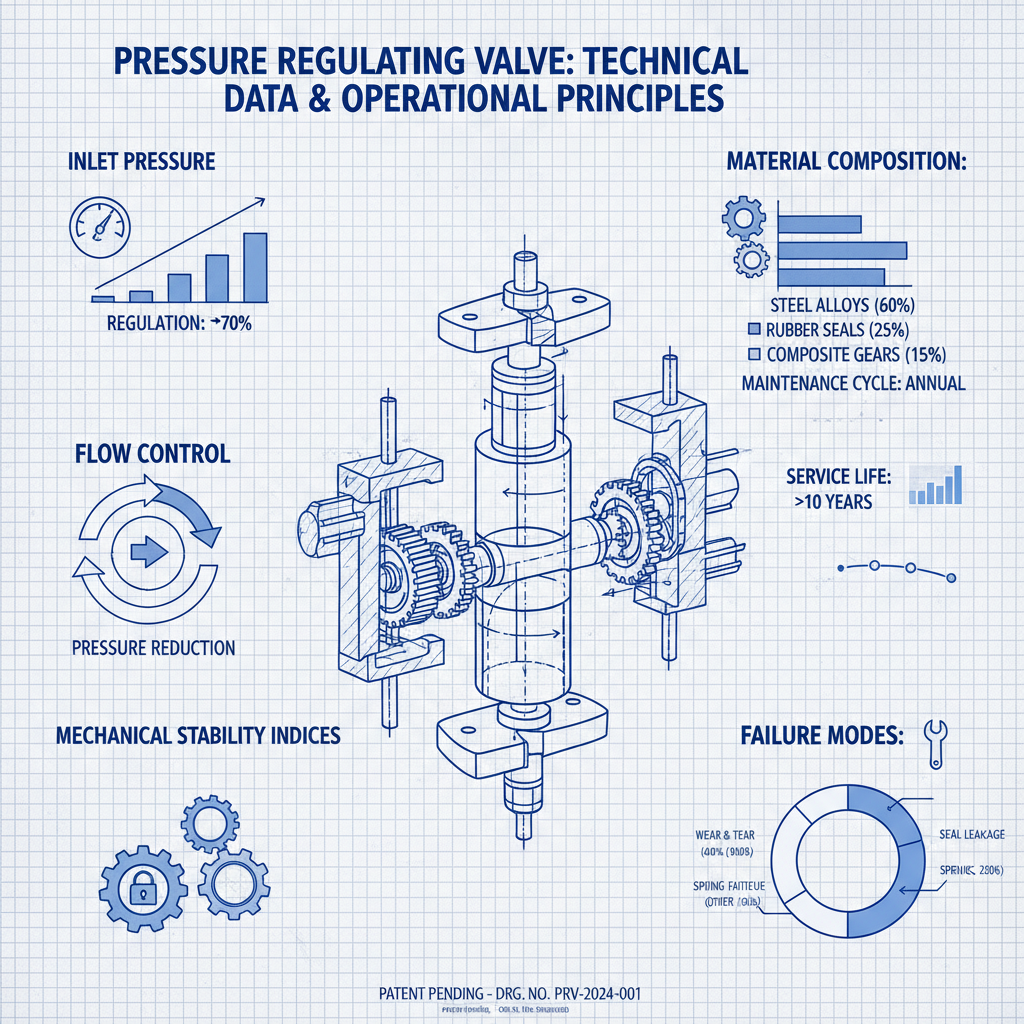
Several key characteristics define the performance and suitability of a pressure regulating valve. These include its flow capacity (the maximum flow rate it can handle at a specified pressure drop), its pressure range (the range of inlet and outlet pressures it can accommodate), and its responsiveness (how quickly it reacts to changes in pressure).
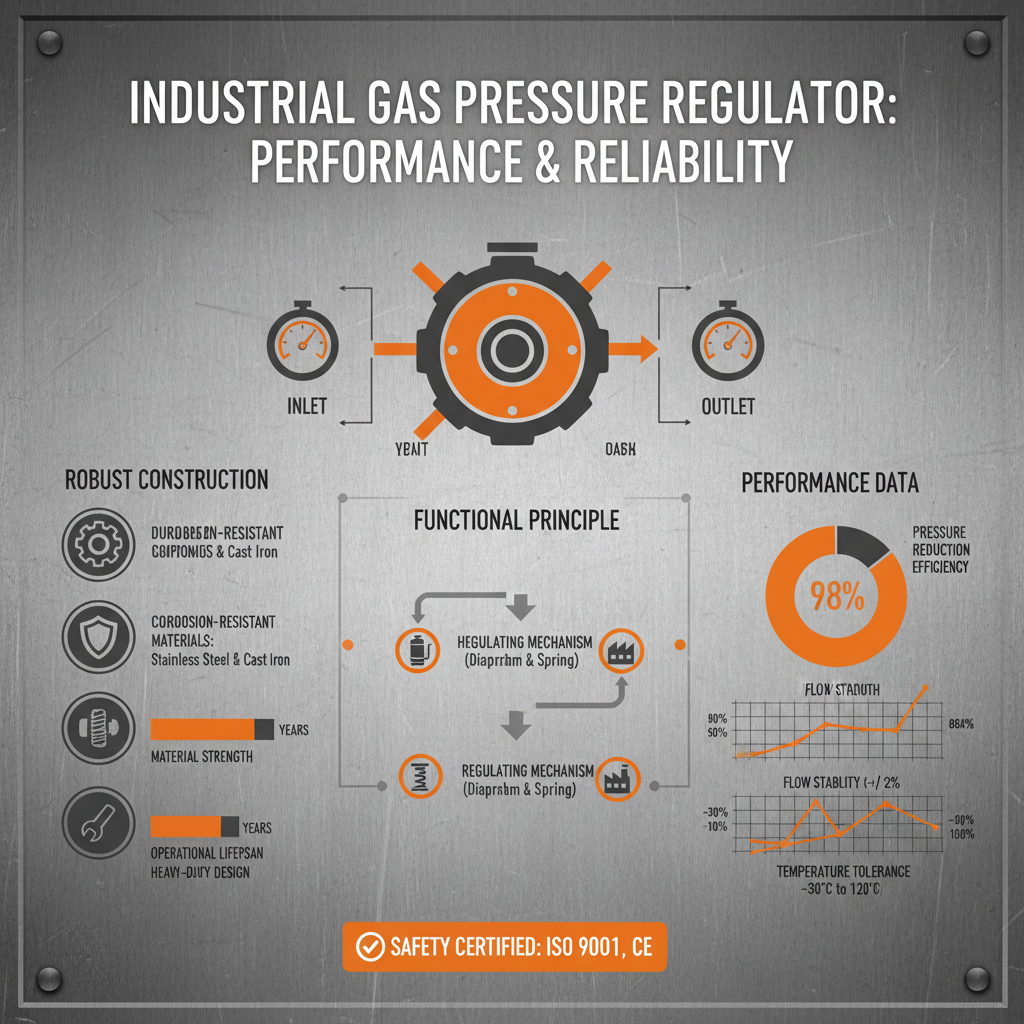
Durability is another crucial characteristic. Valves must be constructed from materials compatible with the fluid being controlled and capable of withstanding the operating conditions, including temperature, pressure, and potential corrosion. Material selection significantly impacts longevity and maintenance requirements.
Furthermore, the precision of the valve – how accurately it maintains the set pressure – is paramount in many applications. This precision is influenced by the quality of the internal components, the design of the control mechanism, and the overall manufacturing tolerances. Regular calibration and maintenance are essential to preserve this precision over time.
Factors Influencing Performance
The performance of a pressure regulating valve is affected by a number of factors beyond its inherent design. Fluid viscosity, temperature variations, and the presence of contaminants can all impact its ability to maintain stable pressure. Understanding these variables is critical for selecting the appropriate valve and implementing effective maintenance procedures.
The installation environment also plays a role. Proper alignment, adequate support, and protection from external vibrations or shocks are essential for optimal performance and longevity. Incorrect installation can lead to premature failure and reduced accuracy.
Pressure Drop Performance Across Valve Types
Global Applications and Industries Served
The applications for pressure regulating valves are incredibly diverse, spanning across numerous industries. In the oil and gas sector, they are vital for maintaining stable pressure in pipelines and processing facilities. In the chemical industry, they ensure precise control of reactants and products.
The pharmaceutical industry relies on them to maintain sterile conditions and deliver medications with accuracy. Water treatment plants use them to regulate water pressure for efficient distribution. Even in aerospace, these valves play a role in controlling hydraulic systems and ensuring the safe operation of aircraft.
Advantages and Long-Term Value Proposition
Investing in high-quality pressure regulating valves offers significant long-term benefits. Reduced downtime, minimized maintenance costs, and improved process efficiency all contribute to a compelling return on investment. Reliable pressure control also enhances product quality and reduces waste, further boosting profitability.
Beyond the economic advantages, these valves contribute to improved safety and environmental protection. Preventing overpressure situations reduces the risk of accidents and releases of hazardous materials. Choosing durable, sustainable materials also minimizes the environmental impact over the valve's lifecycle.
The trust and reliability that a properly functioning pressure regulating valve provides is invaluable. Knowing that critical systems are operating within safe and optimal parameters allows operators to focus on other priorities, enhancing overall productivity and peace of mind.
Future Trends and Technological Advancements
The field of pressure regulation is constantly evolving, driven by advancements in materials science, sensor technology, and digital control systems. We are seeing a growing trend towards smart valves equipped with remote monitoring and diagnostic capabilities, enabling predictive maintenance and optimized performance.
The integration of artificial intelligence (AI) and machine learning (ML) is also opening up new possibilities for adaptive pressure control, where valves can automatically adjust to changing conditions and optimize performance in real-time. Sustainable materials and designs are also gaining prominence, reflecting a growing commitment to environmental responsibility.
Furthermore, the demand for smaller, more compact valves is increasing, particularly in applications where space is limited. Nanotechnology and microfabrication techniques are being explored to create valves with unprecedented precision and efficiency.
Summary of Pressure Regulating Valve Design Considerations
| Valve Type |
Material Compatibility |
Flow Capacity Range |
Maintenance Frequency (Months) |
| Direct Acting |
Stainless Steel, Brass |
0.1 – 10 GPM |
12 |
| Pilot Operated |
Carbon Steel, Alloy Steel |
5 – 100 GPM |
18 |
| Self-Actuated |
Polypropylene, PVC |
0.05 – 5 GPM |
24 |
| Proportional |
Stainless Steel, PTFE |
0.5 – 20 GPM |
6 |
| Ball Valve Regulator |
Brass, Bronze |
2 – 50 GPM |
12 |
| Diaphragm Regulator |
Aluminum, Plastic |
0.2 – 15 GPM |
18 |
FAQS
The lifespan of a pressure regulating valve varies greatly depending on the application, operating conditions, and maintenance schedule. However, with proper installation, regular maintenance, and appropriate fluid compatibility, a high-quality valve can typically operate effectively for 5-15 years or even longer. Factors like corrosive fluids, high pressure fluctuations, and lack of maintenance will significantly shorten the lifespan.
Regular inspection is critical for ensuring the reliable operation of your pressure regulating valve. A visual inspection should be performed at least monthly, looking for signs of leakage, corrosion, or damage. More comprehensive inspections, including pressure testing and internal component checks, should be conducted annually or as recommended by the manufacturer.
Pressure drift, where the outlet pressure deviates from the setpoint, can be caused by several factors. These include wear and tear on internal components (like seats and diaphragms), buildup of contaminants, changes in fluid temperature, or incorrect adjustment of the valve. Regular maintenance and cleaning can help prevent drift.
For high-pressure applications, pilot-operated pressure regulating valves are generally the preferred choice. They offer superior accuracy and stability at high inlet pressures. These valves use a small pilot valve to control the main valve, providing more precise regulation and minimizing the effects of inlet pressure fluctuations. Ensure the valve is rated for the maximum pressure in your system.
Many pressure regulating valves can be repaired by replacing worn or damaged internal components, such as seals, diaphragms, and seats. However, the feasibility of repair depends on the valve design, the extent of the damage, and the availability of spare parts. In some cases, particularly with severe damage or older valves, replacement may be more cost-effective.
Always relieve pressure from the system before attempting to remove or repair a pressure regulating valve. Wear appropriate personal protective equipment (PPE), including safety glasses and gloves. Ensure the surrounding area is well-ventilated. Consult the manufacturer's instructions for specific safety recommendations.
Conclusion
In conclusion, pressure regulating valves are indispensable components in a wide range of industries, ensuring safe, efficient, and reliable fluid handling. Their ability to maintain consistent pressure, coupled with ongoing advancements in materials, design, and smart technology, continues to drive innovation and improve performance. Proper selection, installation, and maintenance are crucial for maximizing their lifespan and realizing their full potential.
Looking ahead, the integration of digital technologies and a growing focus on sustainability will shape the future of pressure regulation. By embracing these trends and investing in high-quality valves, industries can optimize their processes, reduce costs, and minimize their environmental impact. For more information and a comprehensive range of pressure regulating valves, visit our website: www.gasouyinuo.com