Let’s talk decompression skids. I spend my year bouncing between job sites, knee-deep in mud, and frankly, seeing how much time and money gets wasted on inefficient pressure reduction systems grinds my gears. A good decompression skid isn't just a piece of equipment; it's a bottleneck remover, a safety booster, and a whole lot less stress for everyone involved. These units are getting smarter and more critical, especially with the push for more remote operations and tighter environmental controls.
What you're seeing now is a shift. Used to be, folks would slap together a system that sort of worked. Now, with rising costs and more complex fluids, having a robust, reliable, and properly sized decompression skid is non-negotiable. It impacts everything from pipeline integrity to the efficiency of downstream processes. It’s not a glamorous topic, but a solid skid can easily pay for itself in reduced downtime, increased throughput, and minimized risk.
I’ve seen everything from makeshift setups to overly engineered behemoths. Finding that sweet spot – a skid that's fit-for-purpose, built to last, and easy to maintain – is what it’s all about. And that's what we'll dive into here, cutting through the jargon and focusing on what matters in the real world.
The Importance of Decompression Skid Design
Look, a poorly designed decompression skid is a recipe for headaches. We’ve all seen them – constant leaks, pressure fluctuations, and a maintenance crew that’s permanently on call. Proper design isn't just about meeting code; it's about understanding the fluid properties, the flow rates, and the potential for erosion or corrosion. A well-thought-out layout minimizes pressure drop, maximizes efficiency, and simplifies maintenance access.
It also comes down to materials selection. You can’t just throw any old steel together and expect it to hold up in a corrosive environment. It's gotta be right for the job. And, honestly, I’m seeing more and more demand for skids that are designed for easy transport and installation, especially in remote locations. Nobody wants to spend a week wrestling with a massive piece of equipment just to get it online.
Defining a Decompression Skid
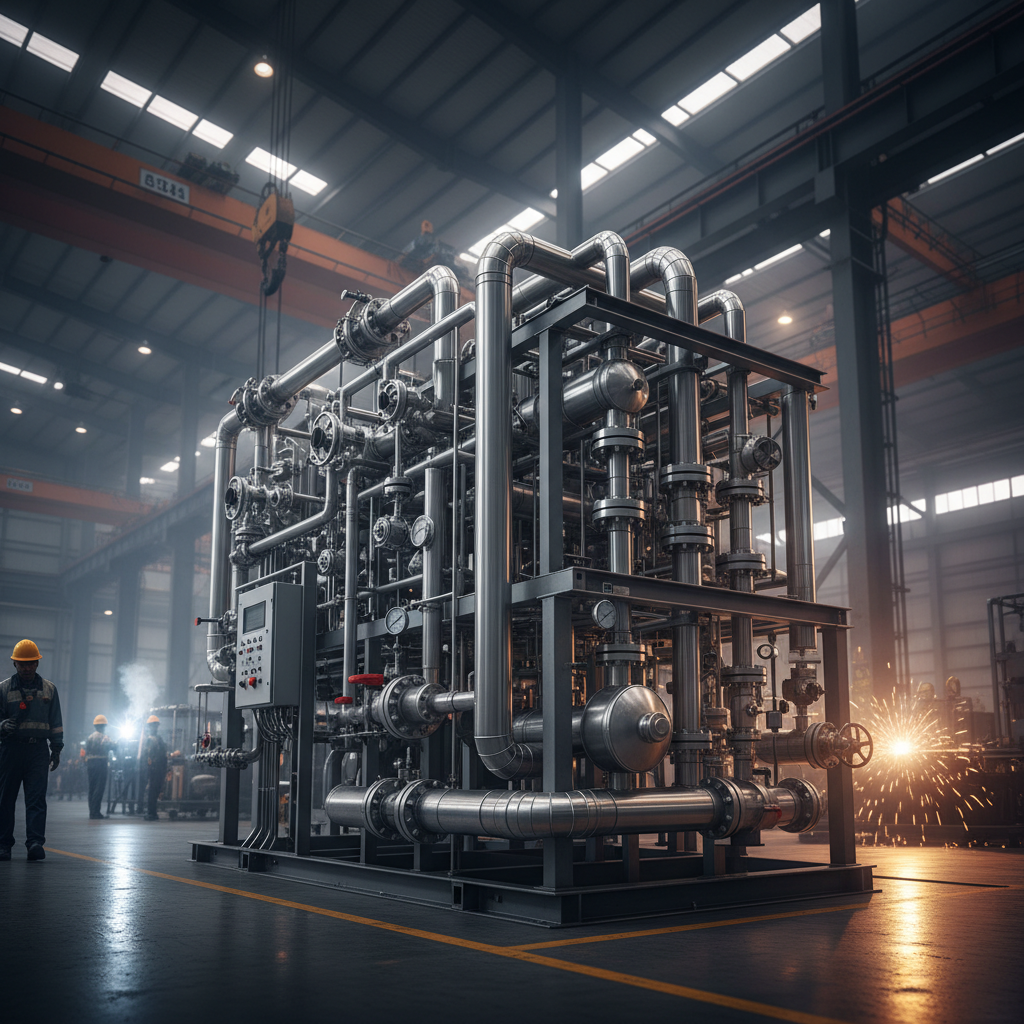
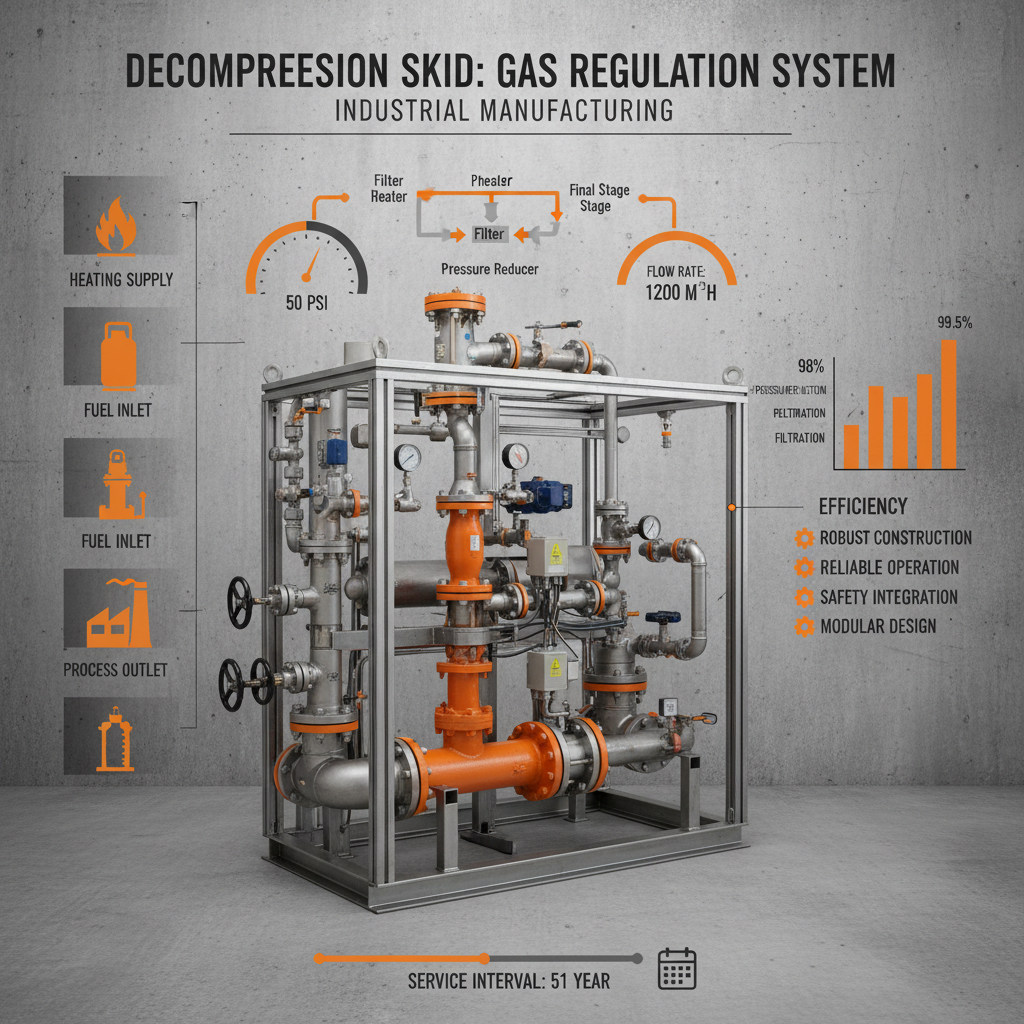
Simply put, a decompression skid is a self-contained system designed to safely reduce the pressure of a fluid – whether it’s oil, gas, water, or a complex chemical mixture. It’s built on a structural steel frame, or “skid”, and typically includes control valves, pressure regulators, instrumentation, and safety devices. They're built off-site and shipped ready for connection, cutting down on field construction time significantly.
What separates a skid from just a bunch of components bolted together is the integration and testing. A good skid manufacturer will pressure test the entire assembly before it leaves the shop, ensuring everything works as it should. This minimizes surprises on site and reduces the risk of costly downtime. It's a quality control issue, plain and simple.
These aren't just for oil and gas anymore either. You're seeing them used in water treatment, chemical processing, and even in some renewable energy applications. Anywhere you need to safely and reliably reduce fluid pressure, a decompression skid is a contender.
Core Components of a Robust Skid
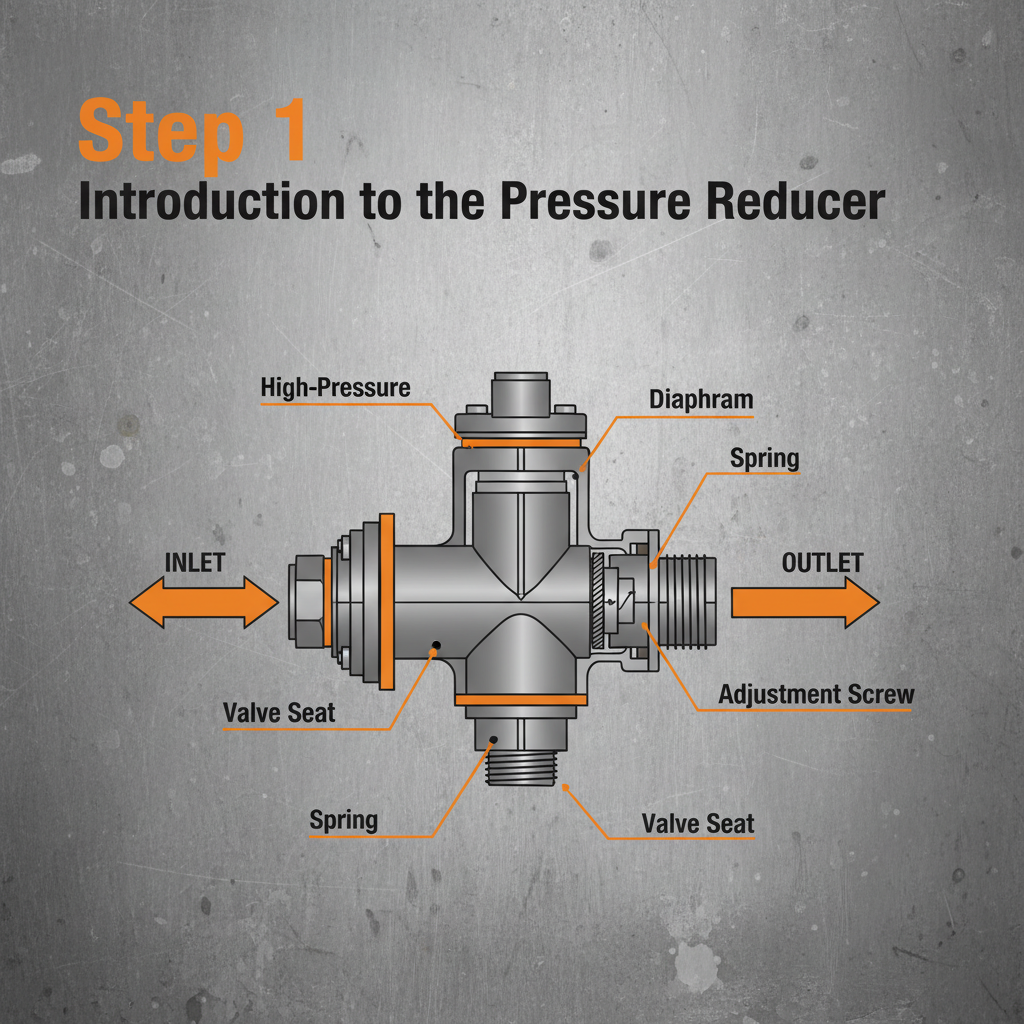
Let's break down what makes a skid tick. First, you’ve got the control valves – these are the workhorses, regulating the flow and pressure reduction. Choosing the right valve type for the specific fluid and application is crucial. Then you’ve got your pressure regulators, maintaining a consistent downstream pressure.
Instrumentation is where things get really important. Accurate pressure transmitters, temperature sensors, and flow meters give you the data you need to monitor performance and troubleshoot issues. Don't skimp on this! And finally, safety devices – rupture disks, relief valves, and emergency shutdown systems – are absolutely essential. A skid without proper safety features is just a liability waiting to happen.
Don’t forget the basics: robust piping, quality fittings, and a solid structural frame. Everything needs to be built to withstand the operating conditions and the rigors of transport. You want something that’ll be running smoothly for years, not needing constant repairs.
Key Performance Indicators for Decompression Skids
When I’m evaluating a decompression skid, I’m looking at a few key metrics. First, pressure reduction efficiency – how much pressure drop are we seeing across the skid? You want to minimize that to save energy and maintain throughput. Second, flow capacity – can the skid handle the required flow rates without exceeding pressure limits?
Then there's reliability, measured in mean time between failures (MTBF). A skid that’s constantly breaking down isn't doing anyone any good. And finally, maintainability – how easy is it to access components for inspection and repair? A skid that’s a nightmare to work on will quickly become a headache.
Decompression Skid Performance Comparison
Real-World Applications of Decompression Skids
I’ve seen these things deployed in some pretty challenging environments. In post-disaster relief operations, they’re critical for quickly establishing safe water supplies. Out in remote oil fields, they’re essential for reducing pressure before fluids enter processing equipment.
You'll find them in chemical plants, ensuring safe handling of hazardous materials. And increasingly, they're being used in biogas production facilities to regulate gas pressure before it's fed into a pipeline. They're versatile pieces of kit.
Long-Term Value and Operational Benefits
Investing in a quality decompression skid isn’t just about upfront cost; it’s about total cost of ownership. A reliable skid reduces downtime, minimizes maintenance expenses, and improves operational efficiency. That translates to real savings over the long run.
Then there's the safety aspect. A properly designed and maintained skid reduces the risk of accidents and protects personnel. That’s something you can’t put a price on. And increasingly, clients are looking for skids that are environmentally friendly, minimizing emissions and reducing waste.
Future Trends in Decompression Skid Technology
We’re seeing a move towards more automated skids, with remote monitoring and control capabilities. This allows operators to optimize performance and troubleshoot issues from anywhere in the world. There’s also a growing demand for smaller, more portable skids that can be easily deployed to remote locations.
I’m also keeping an eye on the development of new materials that are more corrosion-resistant and durable. And, of course, there's the push for more sustainable designs, incorporating energy-efficient components and minimizing environmental impact. It’s an exciting time to be in this business.
Digital twins are also starting to surface. Creating a virtual replica of the skid allows for predictive maintenance and optimization. It’s a game changer for complex operations.
Summarizing Core Challenges and Solutions for Decompression Skid Implementations
| Challenge |
Impact on Operations |
Potential Solution |
Implementation Cost (Scale 1-10) |
| Corrosion of Skid Components |
Reduced Skid Lifespan, Potential Leaks |
Utilize Corrosion-Resistant Alloys, Protective Coatings |
7 |
| Inadequate Pressure Control |
Downstream Equipment Damage, Process Instability |
Implement Advanced Control Valves and Pressure Regulators |
8 |
| Difficulty in Remote Monitoring |
Delayed Issue Detection, Increased Maintenance Costs |
Integrate IoT Sensors and Remote Monitoring Systems |
6 |
| Limited Flow Capacity |
Bottlenecks in Process, Reduced Throughput |
Optimize Skid Design for Increased Flow Capacity |
5 |
| High Maintenance Requirements |
Increased Downtime, Higher Labor Costs |
Select Components with Extended Service Intervals |
4 |
| Insufficient Safety Features |
Risk of Accidents, Regulatory Non-Compliance |
Install Redundant Safety Systems and Emergency Shutdown Devices |
9 |
FAQS
Honestly, time and cost savings are huge. Building on-site introduces logistical nightmares – coordinating multiple trades, weather delays, and potential quality control issues. A pre-fab skid arrives tested and ready to go, significantly reducing installation time and minimizing the risk of errors. It also allows for shop-level quality control, which is far superior to field fabrication.
That’s a critical question! You need to accurately calculate your maximum flow rate, inlet pressure, and desired outlet pressure. Consider the fluid properties – viscosity, density, and any potential for solids buildup. It’s best to work with a qualified engineer who can perform a detailed hydraulic analysis to ensure you select a skid that’s properly sized for the job. Undersizing will limit your capacity, and oversizing is just a waste of money.
Regular inspection of valves, pressure regulators, and instrumentation is key. Check for leaks, corrosion, and any signs of wear and tear. Periodic calibration of instruments is essential to ensure accurate readings. And don’t forget to maintain proper documentation of all maintenance activities. A preventative maintenance program will save you headaches down the road.
Absolutely! That’s one of the biggest advantages of using a skid-based system. You can specify materials of construction, valve types, instrumentation, and control systems to meet your exact requirements. A good manufacturer will work with you to design a skid that's perfectly tailored to your application. Don’t settle for a one-size-fits-all solution.
Rupture disks and relief valves are non-negotiable. Emergency shutdown systems (ESD) are also critical, especially when handling hazardous fluids. Make sure the skid is designed and built in accordance with relevant industry standards and regulations. And proper grounding and bonding are essential to prevent static electricity buildup.
The material is crucial! If you're dealing with corrosive fluids, you need to specify alloys like stainless steel, duplex stainless steel, or even exotic materials like Hastelloy. Carbon steel is fine for some applications, but it's prone to corrosion and won't last as long in harsh environments. Choosing the right material upfront will save you money on repairs and replacements in the long run.
Conclusion
Decompression skids aren’t the most glamorous piece of equipment, but they’re fundamentally important for a huge range of industrial processes. From streamlining operations and reducing costs to improving safety and environmental performance, a well-designed and properly maintained skid delivers real value. It's about moving beyond simply reducing pressure and focusing on the entire system's efficiency and reliability.
The future of decompression skids is heading towards smarter, more automated systems. Embracing new technologies like remote monitoring and predictive maintenance will allow operators to optimize performance, minimize downtime, and extend the lifespan of their equipment. If you’re looking for a reliable and cost-effective solution for pressure reduction, a decompression skid is definitely worth considering.