Filtration is fundamental to modern life, impacting everything from the water we drink to the air we breathe and the efficiency of industrial processes. It’s a field that quietly underpins public health, environmental sustainability, and economic productivity. The rising global population and increasing industrialization are placing unprecedented demands on clean water and air, simultaneously increasing the volumes of waste requiring filtration. Understanding the principles and advancements in filtration isn't just an academic exercise; it's a critical necessity for addressing some of the world’s most pressing challenges. The benefits extend beyond immediate health and safety—efficient filtration processes reduce energy consumption, lower operational costs, and minimize environmental impact.
Whether you're dealing with municipal water treatment plants struggling to meet stricter regulations, manufacturers needing to purify raw materials, or healthcare facilities requiring sterile environments, effective filtration is paramount. The consequences of inadequate filtration are far-reaching, ranging from waterborne illnesses to reduced industrial output and environmental pollution. This makes improvements in filtration technology a global priority, driving innovation in materials science, engineering design, and process optimization. filtration is no longer a passive process but an active solution to increasingly complex problems.
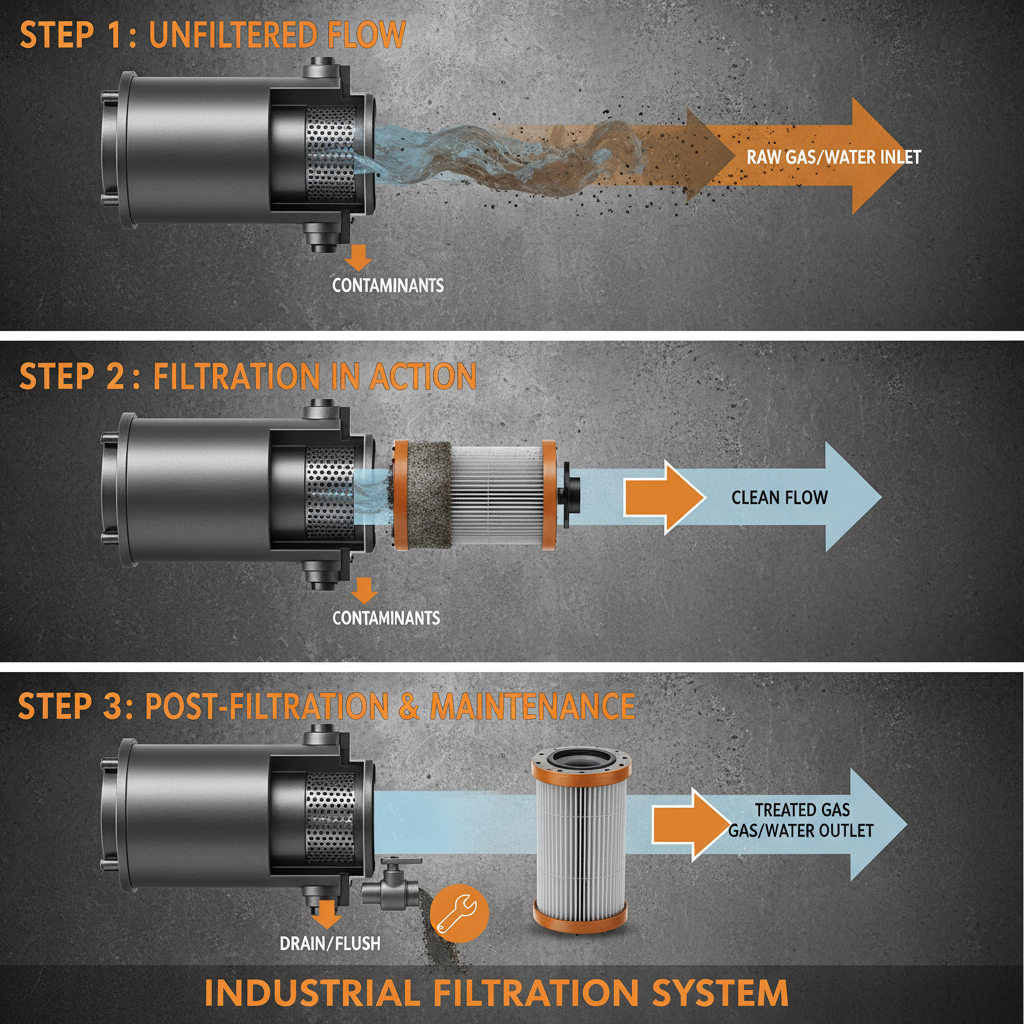
At its core, filtration is the process of separating solids from fluids (liquids or gases) by passing the fluid through a porous medium. It's a surprisingly simple concept with a vast spectrum of applications. From the coarse sieves used to remove large debris to the sophisticated membrane technologies used in pharmaceutical manufacturing, the fundamental principle remains the same. The rise of nanotechnology and advanced materials is constantly pushing the boundaries of what’s possible in filtration, enabling us to tackle contaminants at increasingly smaller scales and achieve higher levels of purity.
The Global Importance of filtration
The UN estimates that over two billion people lack access to safely managed drinking water services. That’s a staggering number, and a direct consequence of insufficient filtration capabilities in many parts of the world. Similarly, the World Health Organization links millions of deaths annually to air pollution, much of which could be mitigated by improved industrial and vehicle filtration systems. The ISO standards for water and air quality are constantly evolving, demanding more sophisticated and efficient filtration technologies to meet increasingly stringent requirements. We’re not just talking about developing nations, either; aging infrastructure in developed countries often requires significant investment in filtration upgrades to ensure public health and environmental protection.
I’ve spent years on sites where companies are wrestling with these issues. It’s not just about meeting regulations, it’s about worker safety, community health, and protecting the environment. I’ve seen firsthand the impact of a failing filter on production lines, and the consequences of contaminated water sources in remote communities. That’s why a robust and adaptable filtration strategy is no longer optional – it's essential for sustainable development and responsible industrial practices.
Defining Filtration: A Core Process
Simply put, filtration is any process that separates solids from fluids. This can range from running water through a coffee filter to utilizing complex membrane systems in a chemical plant. The key is a porous medium that allows the fluid to pass through while retaining the solid particles. Historically, this meant sand and gravel beds, cloth filters, and simple screens. Today, it encompasses a far wider range of materials and technologies, including activated carbon, ceramics, polymers, and nanomaterials.
In modern industry, filtration is inextricably linked to process optimization and product quality. It's not just about removing impurities; it’s about achieving precise levels of purity required for specific applications. For instance, in the pharmaceutical industry, sterile filtration is critical to ensuring the safety and efficacy of injectable drugs. Similarly, in microelectronics manufacturing, ultra-pure water is essential for creating flawless semiconductors. The connection to humanitarian needs is equally direct - providing clean drinking water through effective filtration is often the first step in disaster relief efforts.
From a practical standpoint, I've found it helpful to categorize filtration based on particle size. We’re talking about everything from macrofiltration, removing visible debris, down to nanofiltration, dealing with molecules and viruses. Understanding these distinctions is crucial for selecting the right filtration method for a given application and ensuring optimal performance.
Key Factors in Effective Filtration
Durability is paramount. A filter that fails prematurely is not only costly but can also disrupt operations and compromise safety. The materials used in filter construction must be able to withstand the chemical and physical stresses of the application. I’ve learned the hard way that cheap filters often end up costing more in the long run due to frequent replacements and potential downtime.
Scalability is equally important. A filtration system that works well in the lab may not be practical for large-scale industrial applications. The ability to increase capacity without sacrificing performance is critical for growth. Modular designs, for instance, allow for easy expansion as demand increases. This is especially important for municipalities planning for future population growth.
Cost efficiency isn't just about the initial purchase price. It includes the cost of installation, maintenance, energy consumption, and waste disposal. A high-efficiency filter that requires frequent cleaning or generates large volumes of waste may not be the most cost-effective solution. It's all about finding the sweet spot between performance and cost.
Global Applications and Diverse Use Cases
In post-disaster relief operations, portable filtration systems are often the first line of defense against waterborne diseases. I've seen these units deployed in Haiti, Nepal, and Puerto Rico, providing immediate access to clean drinking water for vulnerable populations. In remote industrial zones, filtration is essential for treating process wastewater before discharge, protecting local ecosystems.
The food and beverage industry relies heavily on filtration to ensure product purity and safety. From clarifying fruit juices to removing microorganisms from milk, filtration is a critical step in many food processing operations. The automotive industry uses filtration to remove contaminants from engine oil, hydraulic fluids, and cabin air, extending the life of vehicles and improving passenger comfort.
Furthermore, the pharmaceutical sector demands extremely high levels of filtration for the production of sterile drugs and vaccines. These applications often require specialized membrane technologies and rigorous quality control procedures. We're seeing increasing adoption of filtration systems in the renewable energy sector, particularly in the treatment of water used in power plant cooling systems and biofuel production.
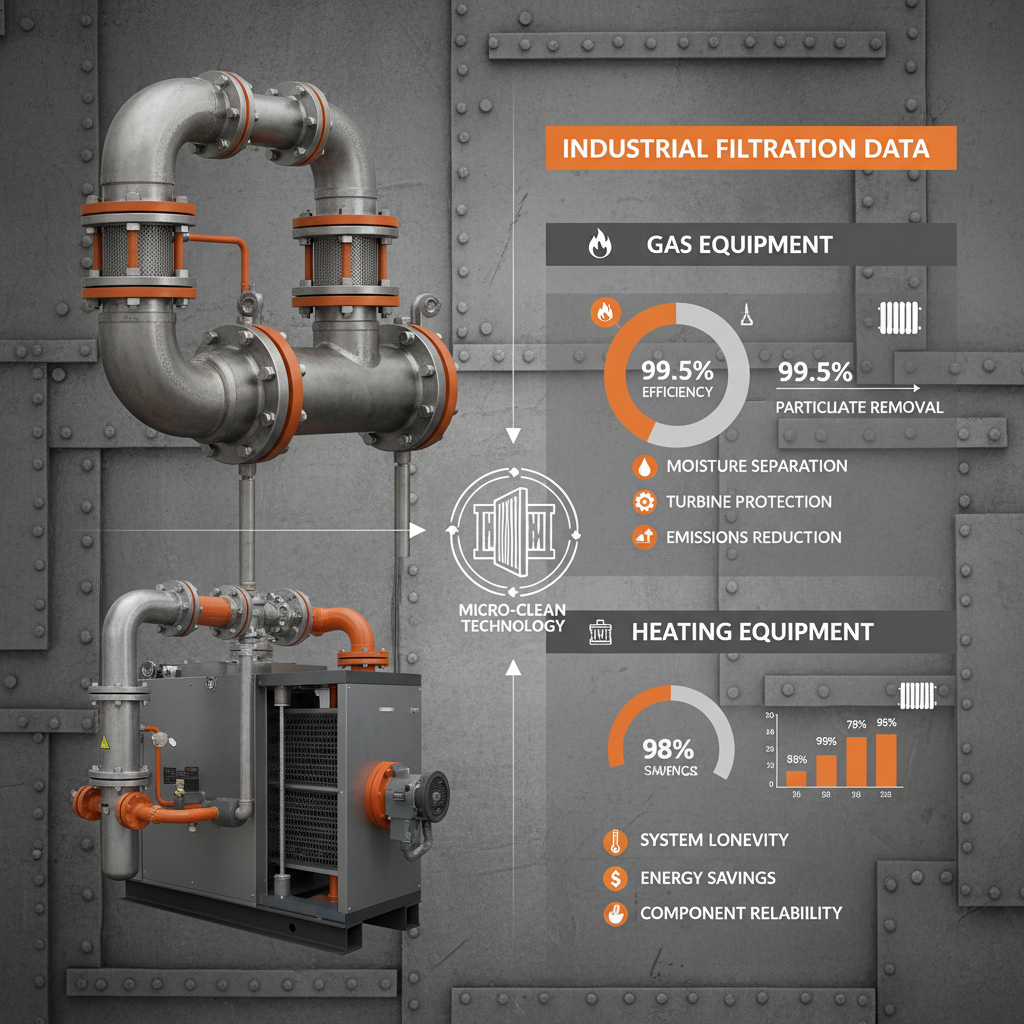
Filtration Efficiency Comparison
Advantages and Long-Term Value Proposition
The tangible benefits of effective filtration are clear: reduced operating costs through minimized downtime and waste, increased product quality, and compliance with environmental regulations. But the value extends beyond the purely economic. Consider the social impact of providing clean water to communities, or the improved worker safety resulting from cleaner air.
From a sustainability perspective, efficient filtration can significantly reduce water and energy consumption, contributing to a smaller environmental footprint. It also fosters innovation, driving the development of new materials and technologies that address emerging challenges. The emotional payoff is also significant—knowing that your operations are contributing to a healthier and safer world builds trust with customers, employees, and stakeholders.
Future Trends and Innovations in Filtration
Nanotechnology is poised to revolutionize filtration, enabling the creation of filters with incredibly small pore sizes and enhanced selectivity. This will open up new possibilities for removing even the most challenging contaminants. We’re also seeing a growing interest in biofiltration, utilizing living organisms to break down pollutants.
Digitalization and automation are transforming filtration processes, allowing for real-time monitoring, predictive maintenance, and optimized performance. Smart filters equipped with sensors and data analytics can provide valuable insights into system health and identify potential issues before they lead to failures. Green energy is also playing a role, with the development of filtration systems powered by renewable sources.
Challenges and Emerging Solutions
One of the biggest challenges is fouling – the accumulation of deposits on filter surfaces, which reduces efficiency and increases pressure drop. Developing antifouling materials and implementing regular cleaning protocols are crucial for mitigating this problem. Another challenge is the disposal of spent filters, which often contain hazardous materials. We need to explore more sustainable disposal methods, such as recycling and energy recovery.
Emerging solutions include self-cleaning filters, which automatically remove accumulated deposits, and membrane distillation, a thermally driven separation process that can treat highly contaminated water. Also, integrating AI-powered systems to optimize filtration parameters based on real-time data is gaining traction.
The biggest hurdle, though, is often simply getting the right information to the right people. I've seen too many projects fail because of a lack of understanding of the specific filtration needs of a given application. Education and collaboration between engineers, operators, and suppliers are essential for overcoming these challenges.
Summary of Filtration Challenge and Solution
| Challenge |
Impact on Filtration |
Proposed Solution |
Implementation Cost (1-10) |
| Filter Fouling |
Reduced Flow Rate, Increased Pressure Drop |
Antifouling Coatings, Automated Backwashing |
6 |
| Disposal of Spent Filters |
Environmental Contamination, Regulatory Non-Compliance |
Recycling Programs, Incineration with Energy Recovery |
7 |
| High Energy Consumption |
Increased Operating Costs, Carbon Footprint |
Optimized Filter Designs, Pressure Recovery Systems |
5 |
| Limited Filter Lifespan |
Frequent Replacements, Increased Maintenance |
Durable Materials, Predictive Maintenance |
4 |
| Lack of Real-Time Monitoring |
Suboptimal Performance, Potential Failures |
Smart Filters with Sensors, Data Analytics |
8 |
| Complex System Integration |
Increased Installation Costs, Longer Downtime |
Modular Designs, Standardized Interfaces |
3 |
FAQS
Absolute filtration ratings specify the maximum particle size that a filter will remove, guaranteeing that 99.9% of particles of that size or larger are captured. Nominal ratings, however, indicate the size of particles a filter will typically remove, but don't guarantee a specific efficiency level. Absolute ratings are crucial for applications like sterile filtration, while nominal ratings are often sufficient for pre-filtration or general debris removal. Understanding the distinction ensures you select the appropriate filter for your specific process requirements.
Filter replacement frequency depends heavily on several factors, including the type of filter, the nature of the contaminant, and the flow rate. Regularly monitoring pressure drop across the filter is a key indicator—a significant increase usually signals that the filter is becoming clogged and needs replacing. Some filters have indicator lights or sensors that alert you when replacement is necessary. As a rule of thumb, it’s better to err on the side of caution and replace filters more frequently than necessary to ensure optimal performance.
Multi-stage filtration systems utilize multiple filters with progressively smaller pore sizes to remove a wider range of contaminants. This approach protects more sensitive filters downstream by removing larger particles first, extending their lifespan and improving overall efficiency. It’s particularly effective for treating complex fluids with diverse contaminant profiles. Essentially, it’s a layered defense, ensuring a higher level of purity.
Different filter media types offer unique properties suited to specific applications. For instance, polypropylene is cost-effective for general filtration, while PTFE is chemically resistant and ideal for aggressive fluids. Activated carbon excels at removing organic compounds and chlorine, while ceramic filters are known for their durability and high temperature resistance. Selecting the appropriate media ensures optimal contaminant removal and filter longevity.
The filter housing material must be compatible with the fluid being filtered and the operating conditions. Common materials include stainless steel, polypropylene, and PVC. Stainless steel offers excellent corrosion resistance, while polypropylene is lightweight and cost-effective. PVC is suitable for low-pressure applications. Factors like temperature, pressure, and chemical exposure should all be considered when selecting a housing material.
Yes, increasing focus is being placed on sustainable filtration practices. This includes utilizing filters made from recycled materials, developing biodegradable filter media, and implementing filter cleaning and regeneration technologies to extend filter lifespan. Also, exploring alternative filtration methods, like biofiltration, can reduce reliance on energy-intensive processes and minimize waste generation. We are actively looking for more eco-friendly solutions.
Conclusion
In conclusion, filtration is far more than just a technical process; it's a cornerstone of modern civilization, impacting public health, environmental sustainability, and industrial productivity. Understanding the nuances of filtration—from material science to system design—is crucial for tackling the evolving challenges of a growing and increasingly complex world. Embracing innovation and sustainable practices will be key to unlocking the full potential of filtration and ensuring a cleaner, safer future for all.
Looking ahead, I anticipate even greater integration of digital technologies, leading to smarter, more efficient filtration systems. I also believe we’ll see a shift towards more customized filtration solutions tailored to specific application needs. Investing in research and development, fostering collaboration between industry and academia, and prioritizing sustainability will be paramount to driving continued progress in this vital field. Visit our website at www.gasouyinuo.com to learn more about our filtration solutions.