The precise control of fluid flow is paramount across a diverse range of industries, and the pressure regulator stands as a critical component in achieving this. From industrial processes and medical applications to everyday household devices, these regulators ensure safe, efficient, and consistent operation. Understanding the nuances of pressure regulation is essential for engineers, technicians, and anyone involved in systems handling gases or liquids.
Globally, the demand for sophisticated pressure regulation solutions is continually growing, driven by expanding infrastructure, stricter safety standards, and the increasing complexity of modern technologies. The International Organization for Standardization (ISO) sets stringent guidelines for pressure regulator design and performance, impacting manufacturers and end-users worldwide. Addressing challenges related to accuracy, reliability, and material compatibility is crucial for sustainable and safe operations.
The importance of efficient and reliable pressure regulation extends beyond industrial applications; it plays a vital role in humanitarian efforts, particularly in providing access to clean water and medical oxygen. A properly functioning pressure regulator can be the difference between a successful operation and a critical failure in challenging environments.
The Role and Importance of pressure regulator
A pressure regulator’s primary role is to maintain a consistent downstream pressure regardless of fluctuations in the upstream supply. This is crucial in applications where precise pressure control is paramount, preventing damage to sensitive equipment and ensuring process stability. Without effective pressure regulation, systems could experience unpredictable performance, leading to inefficiencies and potential hazards.
The significance of these devices extends across numerous sectors. In the oil and gas industry, they safeguard pipelines and processing plants. In healthcare, they deliver accurate medication and support life-saving equipment. Even in everyday life, pressure regulators are found in gas stoves, welding apparatus, and pneumatic tools, silently ensuring safe and reliable operation.
Defining Pressure Regulation
Pressure regulation is the process of automatically adjusting the pressure of a fluid – whether it be a gas or a liquid – to a desired level. This is typically achieved using a mechanical or electronic pressure regulator, which responds to changes in downstream pressure and adjusts the flow rate accordingly. The goal is to maintain a stable output pressure despite variations in inlet pressure or demand.
The ability to control pressure is fundamentally linked to modern industrial processes. It ensures the efficiency of chemical reactions, the accuracy of dispensing systems, and the safety of high-pressure environments. Moreover, pressure regulation contributes to the sustainability of operations by reducing waste and optimizing resource utilization.
Consider the humanitarian context: accurately regulating the flow of medical oxygen is vital in field hospitals and emergency situations. A reliable pressure regulator can mean the difference between life and death for patients requiring respiratory support.
Core Components and Functionality
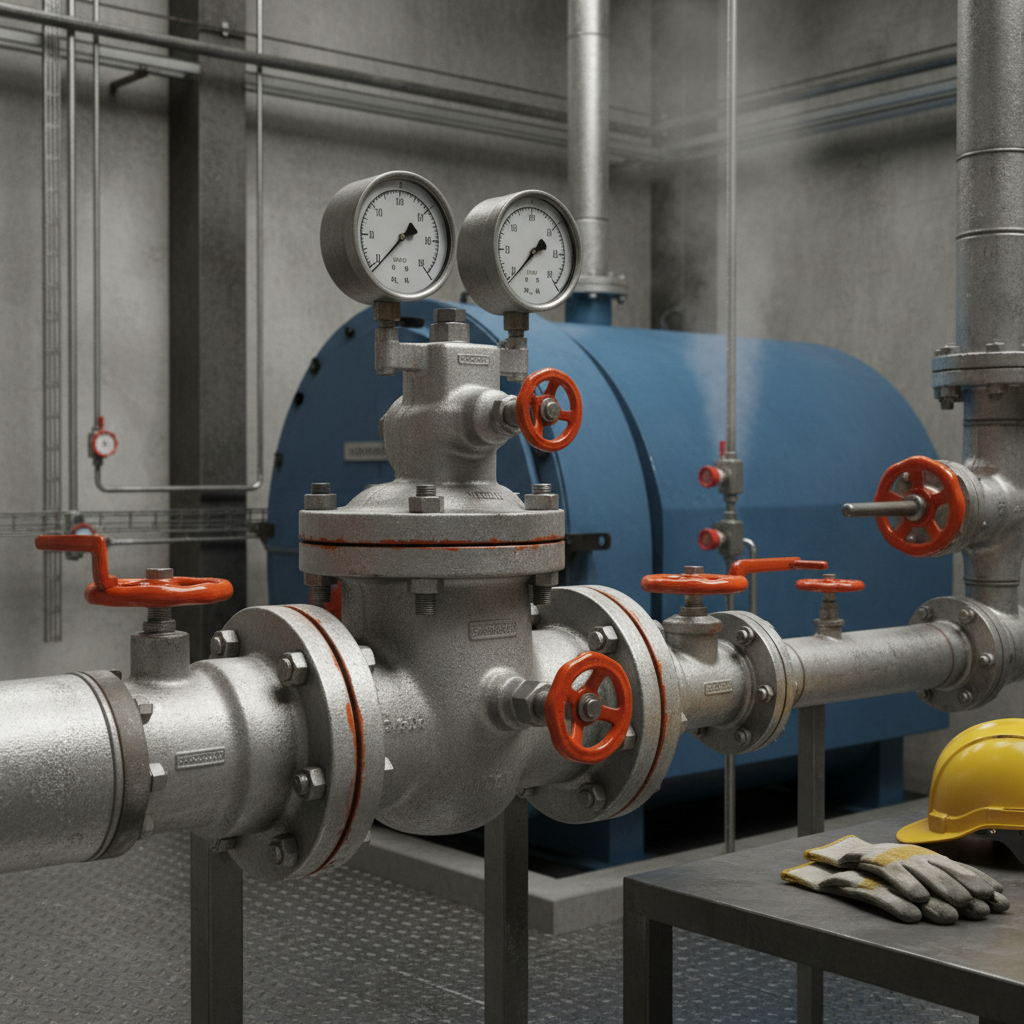
A typical pressure regulator comprises several key components working in harmony. These include a body, a valve, a spring, a diaphragm, and an adjustment mechanism. The diaphragm senses downstream pressure, and the valve adjusts the flow to maintain the set pressure, counteracting any changes with the force of the spring.
The precision of these components directly influences the regulator’s accuracy and responsiveness. Materials selection is also crucial, considering the fluid being regulated and the operating environment. Corrosion resistance, temperature stability, and compatibility are essential factors. Different types of regulators – direct-acting, pilot-operated, and self-relieving – offer varying levels of performance and suitability for different applications.
Understanding the interaction between these components is vital for troubleshooting and maintenance. Regular inspection and calibration are necessary to ensure continued accurate and reliable operation of the pressure regulator.
Key Performance Indicators of pressure regulator
Evaluating the performance of a pressure regulator involves assessing several key indicators. Accuracy, measured as the deviation between the set pressure and the actual outlet pressure, is paramount. Responsiveness, or the speed at which the regulator adjusts to pressure changes, is also crucial, particularly in dynamic applications.
Flow capacity, determining the maximum flow rate the regulator can handle without significant pressure drop, is another important metric. Finally, stability, assessing the regulator’s ability to maintain a constant outlet pressure over time, ensures consistent operation.
Comparison of pressure regulator Performance Metrics
Global Applications of pressure regulator
The applications of pressure regulators are incredibly diverse and span across numerous industries worldwide. In the chemical processing sector, they are essential for maintaining precise reaction conditions. In the aerospace industry, they ensure reliable operation of hydraulic systems and engine controls.
The medical field relies heavily on these devices for delivering accurate dosages of gases like oxygen and nitrous oxide. Furthermore, in remote industrial zones and developing countries, robust and reliable pressure regulation is critical for efficient operation of water purification systems and energy distribution networks.
Advantages and Long-Term Value
Investing in high-quality pressure regulators yields significant long-term benefits. Improved process efficiency, reduced waste, and enhanced safety are tangible advantages. Durable regulators minimize maintenance costs and downtime, contributing to increased profitability.
From a sustainability perspective, precise pressure control optimizes resource utilization, reducing energy consumption and environmental impact. The inherent reliability of these devices fosters trust and confidence in critical systems, protecting both people and assets.
Ultimately, choosing the right pressure regulator isn’t just about cost; it’s about securing a reliable, safe, and sustainable future for your operations.
Future Trends in pressure regulator Technology
The field of pressure regulator technology is undergoing continuous innovation. Smart regulators, incorporating sensors and digital communication capabilities, are gaining prominence, enabling remote monitoring, predictive maintenance, and optimized control. The integration of advanced materials, like shape memory alloys and self-healing polymers, promises enhanced durability and responsiveness.
Furthermore, the push for sustainability is driving the development of regulators designed for compatibility with alternative fuels and green energy sources. Automation and artificial intelligence are also playing an increasing role in optimizing pressure regulation systems for complex industrial processes.
These advancements will lead to more efficient, reliable, and environmentally friendly pressure regulation solutions, paving the way for a more sustainable future.
Summary of Pressure Regulator Technological Advancements
| Advancement Area |
Technology Type |
Impact on pressure regulator Performance |
Adoption Rate (1-10) |
| Digital Integration |
IoT Sensors & Remote Control |
Real-time monitoring, predictive maintenance, improved control |
7 |
| Materials Science |
Shape Memory Alloys |
Enhanced durability, responsiveness to pressure changes |
5 |
| Automation & AI |
Machine Learning Algorithms |
Optimized pressure control, reduced energy consumption |
6 |
| Sustainability |
Biocompatible Materials |
Reduced environmental impact, safe for sensitive applications |
8 |
| Miniaturization |
Micro-Electro-Mechanical Systems (MEMS) |
Compact design, precision control for specialized applications |
4 |
| Self-Diagnostics |
Integrated Fault Detection Systems |
Proactive maintenance, reduced downtime, improved safety |
7 |
FAQS
The lifespan of a high-quality pressure regulator depends significantly on the operating environment, the fluid being regulated, and the frequency of maintenance. However, with proper care and regular calibration, a well-constructed regulator can reliably operate for 5-10 years, or even longer in less demanding applications. Factors like corrosion, erosion, and mechanical wear contribute to eventual failure, so preventative maintenance is key.
Selecting the correct pressure regulator requires careful consideration of several parameters. These include the inlet pressure range, the desired outlet pressure, the flow rate requirements, the type of fluid being regulated, and the operating temperature. Compatibility with the fluid is crucial to prevent corrosion or material degradation. Consulting with a pressure regulation expert is recommended for complex applications.
Regular maintenance is essential for ensuring the reliable performance of a pressure regulator. This typically includes visual inspection for leaks or damage, cleaning the vent and valve seat, and periodic calibration to verify accuracy. Replacing worn seals and diaphragms is also important. Following the manufacturer’s recommendations for maintenance intervals is crucial.
Working with pressure regulators requires strict adherence to safety protocols. Always relieve pressure before disconnecting any components. Wear appropriate personal protective equipment (PPE), including safety glasses and gloves. Ensure proper ventilation to avoid exposure to hazardous fluids. Never attempt to repair a regulator without proper training and authorization.
Not necessarily. The compatibility of the pressure regulator materials with the specific gas is paramount. Some gases are corrosive or reactive and can damage the regulator’s internal components. Regulators are often designed for specific gas services, and using one with an incompatible gas can lead to failure and potential hazards. Always verify compatibility before use.
A direct-acting pressure regulator responds directly to changes in downstream pressure, using a diaphragm and spring mechanism. Pilot-operated regulators, however, utilize a smaller ‘pilot’ regulator to control a larger valve, offering higher flow capacity and more precise control. Direct-acting regulators are suitable for lower flow applications, while pilot-operated regulators are ideal for high-flow, high-pressure systems.
Conclusion
In conclusion, the pressure regulator is a foundational component across a vast spectrum of industries, playing a vital role in ensuring safety, efficiency, and reliability. Understanding its core principles, components, and applications is essential for anyone involved in the handling of fluids under pressure. The continued innovation in this field, driven by sustainability concerns and advancements in technology, promises even more sophisticated and efficient solutions in the future.
As technology evolves, selecting the right pressure regulator will become even more critical. Regular maintenance, adherence to safety protocols, and a commitment to continuous improvement are key to maximizing the value of these essential devices. Visit our website at www.gasouyinuo.com to explore our comprehensive range of pressure regulation solutions and learn how we can help you optimize your operations.