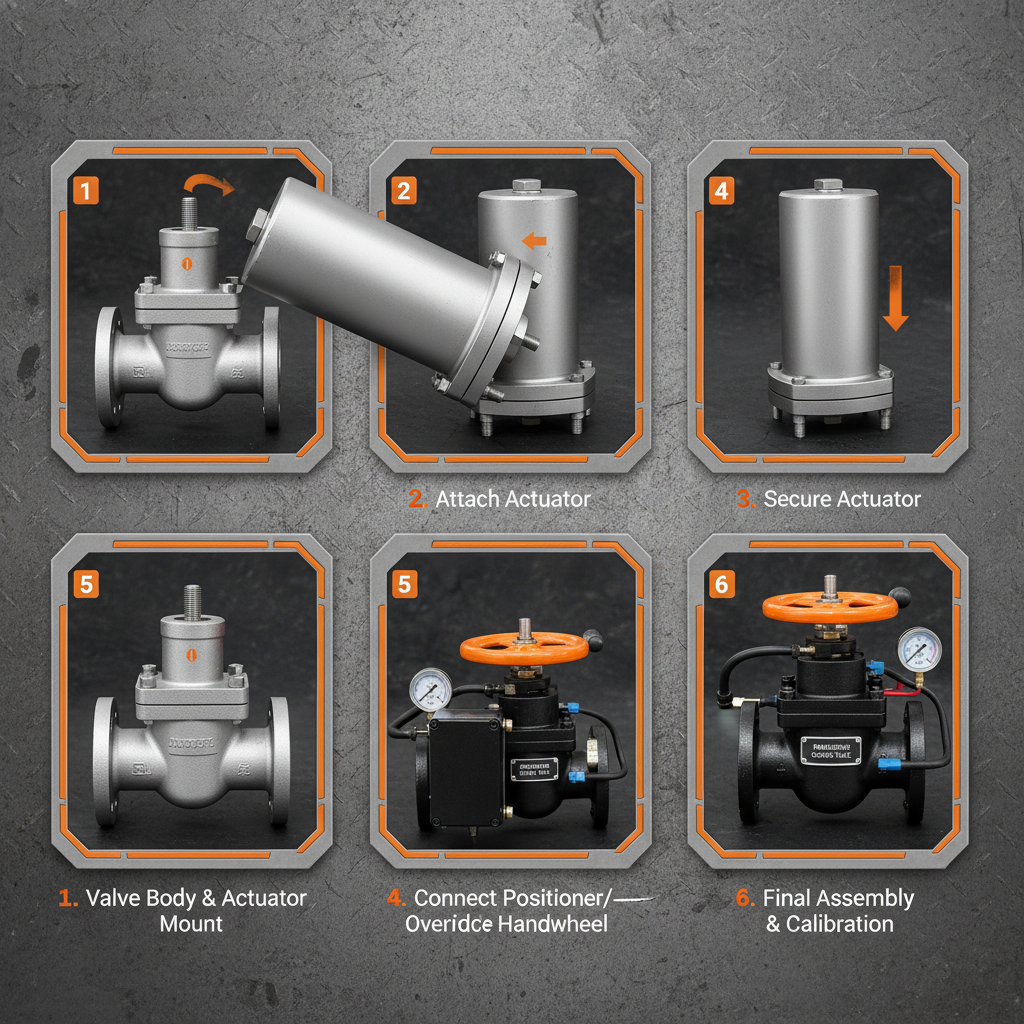
Natural gas pressure regulators are essential components in the safe and efficient distribution of natural gas, a vital energy source globally. These devices are designed to reduce high-pressure gas from transmission pipelines to lower, usable pressures for residential, commercial, and industrial applications. Understanding their function, types, and maintenance is crucial for ensuring reliable energy delivery and preventing potentially hazardous situations. A properly functioning natural gas pressure regulator is paramount to public safety and economic stability.
The demand for natural gas continues to rise worldwide, driven by its relatively clean-burning properties compared to other fossil fuels and its versatility in various applications. This increased demand necessitates robust and reliable pressure regulation systems. According to the International Energy Agency (IEA), natural gas accounted for approximately 24% of global energy consumption in 2022, and this figure is projected to grow. Therefore, the importance of effective natural gas pressure regulators in maintaining a stable and secure energy supply cannot be overstated.
The proper selection and installation of these regulators aren’t merely technical considerations; they are critical to the overall integrity of the natural gas infrastructure. Failures can lead to over-pressurization, causing leaks, fires, and even explosions. Investing in high-quality regulators and adhering to stringent safety standards protects lives and property, offering a substantial return on investment through preventative measures.
The Importance of Natural Gas Pressure Regulation
Natural gas, as it travels from production sites to end-users, exists at varying pressures. High-pressure transmission lines require a reduction in pressure for safe and efficient distribution to homes and businesses. This is where natural gas pressure regulators play a pivotal role. Without these devices, the gas would arrive at dangerously high pressures, posing significant risks.
The precise and consistent regulation of gas pressure ensures the smooth operation of gas-fueled appliances, heating systems, and industrial processes. Fluctuations in pressure can damage equipment, reduce efficiency, and create safety hazards. Therefore, robust and reliable pressure regulation is not just about convenience; it's a fundamental requirement for a secure and dependable energy infrastructure.
Defining Natural Gas Pressure Regulators
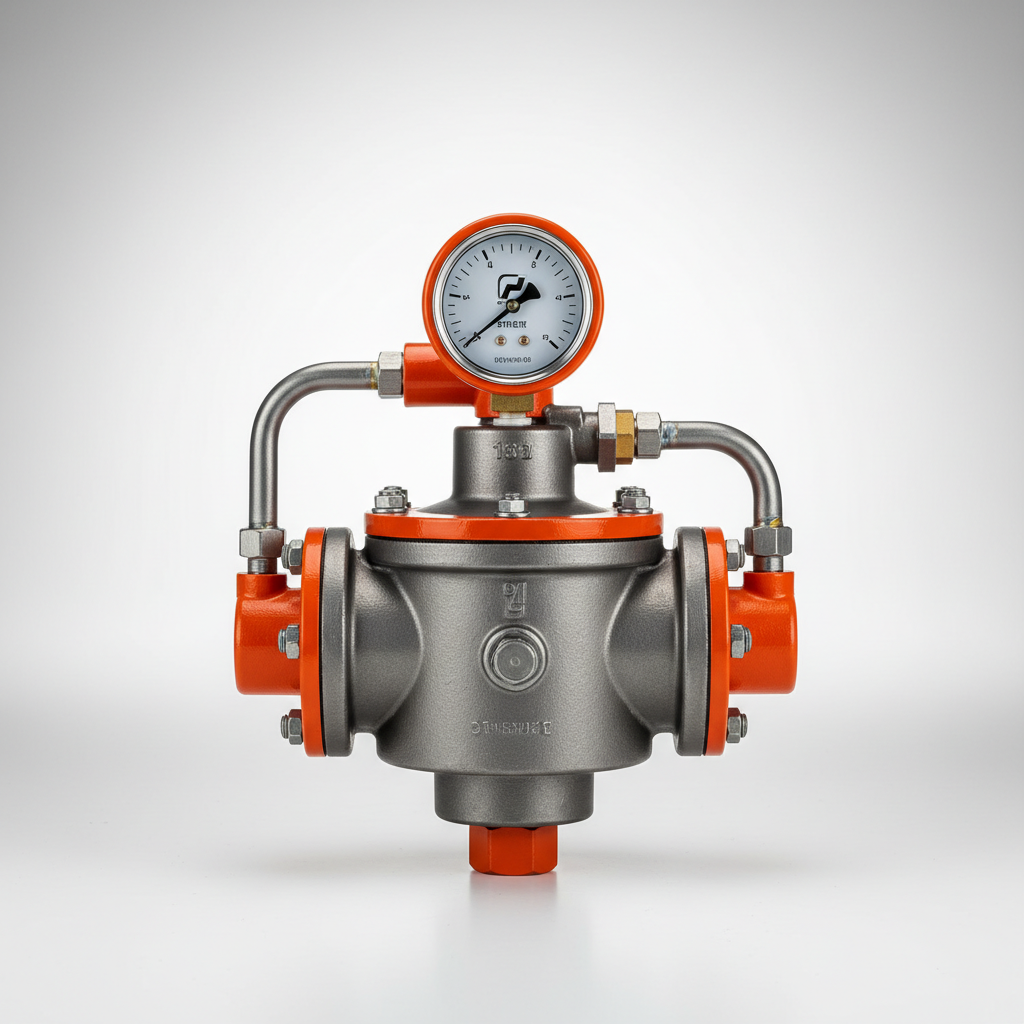
A natural gas pressure regulator is a mechanical device designed to automatically reduce a higher inlet pressure of natural gas to a lower, more consistent outlet pressure. Its core function is to maintain a stable downstream pressure regardless of fluctuations in the upstream supply or variations in gas demand. These regulators are vital components in a comprehensive gas distribution system.
The connection between a natural gas pressure regulator and modern industry is undeniable. From powering large-scale manufacturing plants to providing heat and cooking gas for millions of households, its reliability is paramount. The humanitarian need stems from providing accessible and safe energy in various environments, including disaster relief and developing communities.
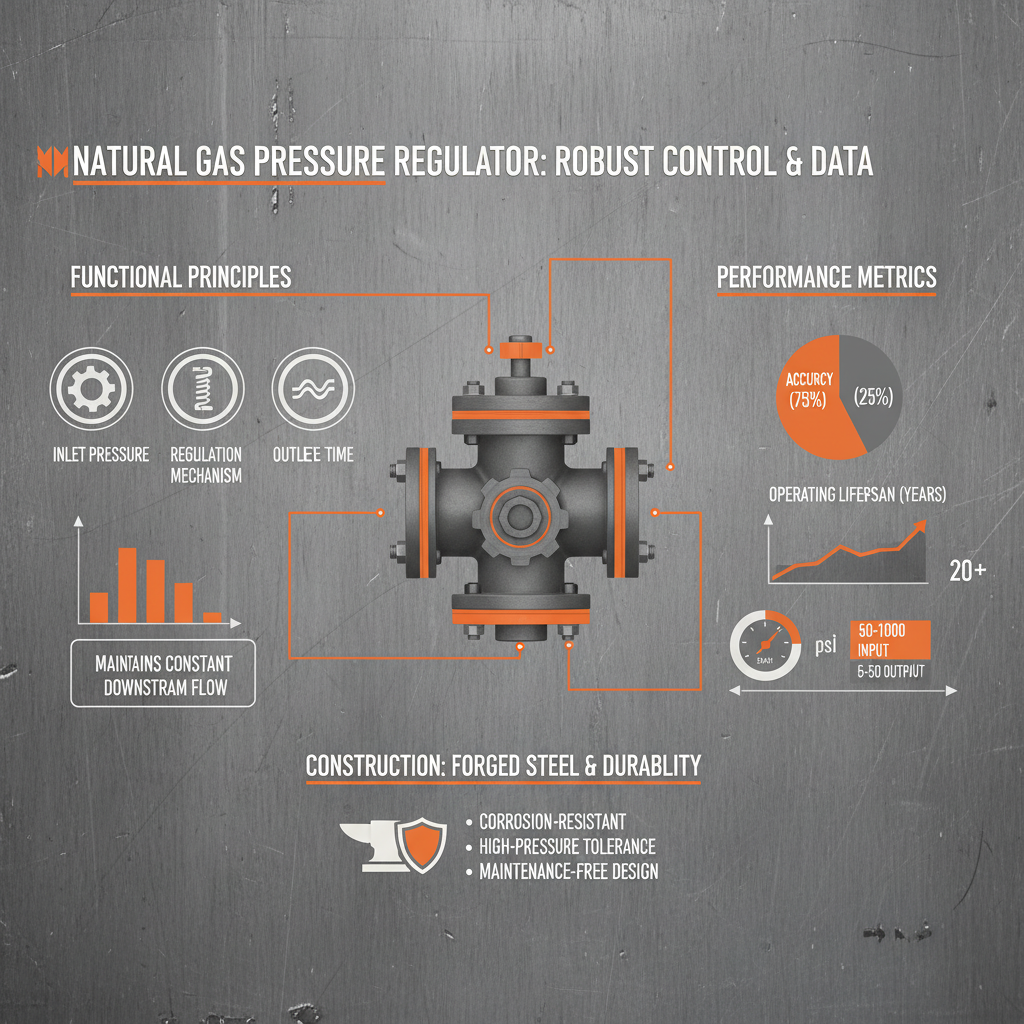
Regulators achieve this pressure reduction using a diaphragm, spring, and valve system. The spring exerts a force on the diaphragm, controlling the valve opening and regulating the flow of gas. As downstream pressure increases, it acts against the spring, reducing the valve opening and limiting gas flow, thus maintaining a consistent outlet pressure.
Key Factors in Regulator Performance
Durability: Regulators are exposed to harsh environmental conditions and continuous operation. A durable regulator constructed from high-quality materials resists corrosion, wear, and tear, ensuring a long service life and minimizing maintenance requirements. Look for regulators certified to industry standards like ISO 9001.
Accuracy: Precise pressure regulation is critical for optimal system performance. Accurate regulators maintain the desired outlet pressure within a narrow tolerance, preventing pressure fluctuations that can damage equipment or affect appliance operation. The accuracy of a natural gas pressure regulator is directly linked to the efficiency and safety of the entire gas distribution network.
Responsiveness: A responsive regulator quickly adjusts to changes in gas demand, maintaining consistent pressure even during peak usage periods. This responsiveness is particularly important in systems with fluctuating demand, such as residential heating during cold snaps.
Flow Capacity: The regulator must be capable of delivering the required volume of gas to meet the system’s peak demand. Selecting a regulator with an appropriate flow capacity is essential to prevent pressure drops and ensure adequate gas supply.
Safety Features: Built-in safety features, such as overpressure protection devices and slam-shut mechanisms, are crucial for preventing catastrophic failures.
Global Applications and Use Cases
Natural gas pressure regulators are ubiquitous across a wide spectrum of applications worldwide. In residential areas, they reduce gas pressure for heating, cooking, and water heating. Commercial buildings rely on them to power HVAC systems, industrial processes, and various appliances.
Industrially, these regulators are critical in chemical plants, power generation facilities, and manufacturing operations where precise gas pressure is essential for process control. They are also fundamental to gas compression stations and distribution networks. In remote industrial zones, reliable regulators are often the only link to a consistent energy supply.
In post-disaster relief operations, portable natural gas pressure regulators can quickly establish a safe and reliable gas supply for emergency services and affected communities. Regions with developing energy infrastructure, such as parts of Africa and Asia, are heavily reliant on these regulators to expand access to clean energy.
Natural Gas Pressure Regulator Performance Metrics
Advantages and Long-Term Value
The advantages of utilizing high-quality natural gas pressure regulators are multifaceted. From a cost perspective, reliable regulators minimize downtime and reduce the risk of costly repairs and replacements. Sustainable operation through reduced gas leakage and efficient energy delivery further contributes to cost savings.
The social impact is significant, as safe and reliable gas supply enhances quality of life and supports economic development. The inherent reliability of well-maintained regulators fosters trust in the energy infrastructure and provides peace of mind for consumers and businesses. Innovation in regulator design continually improves performance and safety, driving advancements in the energy sector.
Future Trends and Innovations
The future of natural gas pressure regulation is being shaped by several key trends. Smart regulators equipped with digital sensors and remote monitoring capabilities are gaining traction, enabling predictive maintenance and optimizing system performance. Integration with IoT (Internet of Things) platforms allows for real-time data analysis and improved decision-making.
Materials research is focused on developing more durable and corrosion-resistant materials for regulator construction. The increasing emphasis on green energy and reducing carbon emissions is driving the development of regulators designed for use with renewable natural gas (RNG) and hydrogen blends, paving the way for a more sustainable energy future.
Challenges and Solutions
One common challenge is maintaining regulator accuracy over time due to wear and tear or environmental factors. Regular calibration and preventative maintenance are essential to address this issue. Another challenge is managing pressure fluctuations caused by sudden changes in gas demand. Utilizing regulators with faster response times and optimized control algorithms can mitigate these fluctuations.
Ensuring compatibility with different gas compositions, including blends of natural gas and renewable sources, requires careful material selection and regulator design. Investing in advanced testing and certification procedures can help verify regulator performance and ensure safety.
Expert insights suggest embracing digital technologies for predictive maintenance and remote monitoring. Implementing robust cybersecurity measures to protect smart regulators from cyber threats is also critical.
Summary of Common Natural Gas Pressure Regulator Issues and Solutions
| Issue |
Root Cause |
Severity (1-10) |
Proposed Solution |
| Pressure Creep |
Diaphragm Wear |
6 |
Diaphragm Replacement |
| Valve Sticking |
Contaminant Buildup |
7 |
Regular Filter Maintenance |
| Slow Response Time |
Incorrect Spring Setting |
4 |
Pressure Adjustment & Calibration |
| Leakage |
Gasket Failure |
8 |
Gasket Replacement |
| Over-Pressurization |
Relief Valve Malfunction |
9 |
Relief Valve Testing & Replacement |
| Inaccurate Pressure Reading |
Sensor Drift |
5 |
Sensor Calibration or Replacement |
FAQS
The lifespan of a natural gas pressure regulator varies depending on factors such as operating conditions, gas quality, and maintenance frequency. However, a well-maintained regulator can typically last between 10 to 20 years. Regular inspections and preventative maintenance, including diaphragm replacement and filter cleaning, are crucial for maximizing its lifespan. Ignoring maintenance can lead to premature failure and potential safety hazards. A properly functioning natural gas pressure regulator is paramount.
Natural gas pressure regulators should be inspected at least annually by a qualified technician. Inspections should include a visual check for leaks, corrosion, and damage, as well as a functional test to verify outlet pressure accuracy and responsiveness. More frequent inspections may be required in harsh environments or for critical applications. Regular monitoring can prevent issues before they escalate.
Signs of a failing natural gas pressure regulator include fluctuating gas pressure, reduced gas flow, hissing sounds near the regulator, or a noticeable gas odor. If any of these signs are detected, the regulator should be immediately inspected and repaired or replaced by a qualified technician. Ignoring these symptoms can pose significant safety risks.
Replacing a natural gas pressure regulator is generally not recommended for non-professionals. Working with natural gas can be dangerous, and improper installation can lead to leaks, fires, or explosions. It's crucial to have a qualified and licensed gas technician perform any repairs or replacements. They have the necessary training and expertise to ensure the job is done safely and correctly.
Several types of natural gas pressure regulators are available, including direct-acting, pilot-operated, and self-operated regulators. Direct-acting regulators are simple and cost-effective, while pilot-operated regulators offer higher accuracy and capacity. Self-operated regulators are commonly used in residential applications. Choosing the right regulator depends on the specific application requirements.
Proper venting is critically important with a natural gas pressure regulator. The vent line allows excess gas to be safely discharged in the event of overpressure or regulator malfunction. A blocked or improperly sized vent line can cause the regulator to fail, leading to hazardous conditions. The vent line must be routed to a safe location away from ignition sources.
Conclusion
In conclusion, natural gas pressure regulators are indispensable components in the safe and efficient delivery of natural gas, playing a crucial role in powering homes, businesses, and industries worldwide. Understanding their function, types, and maintenance requirements is paramount for ensuring reliable energy supply and preventing potential hazards. Investing in high-quality regulators and adhering to stringent safety standards is a responsible and necessary practice.
Looking ahead, the integration of smart technologies, sustainable materials, and predictive maintenance strategies will further enhance the performance and reliability of these essential devices. By embracing innovation and prioritizing safety, we can continue to leverage the benefits of natural gas while minimizing its environmental impact and maximizing its contribution to a secure and sustainable energy future. Visit our website at www.gasouyinuo.com to learn more about our range of natural gas pressure regulators and solutions.