The modern industrial landscape relies heavily on precision fluid control to maintain safety and efficiency. A pneumatic control valve serves as the critical interface between automated control systems and the physical flow of gases or liquids, utilizing compressed air to actuate mechanical movements. By translating a low-power signal into a high-force action, these devices ensure that pressure and flow rates remain within strict operational limits across various demanding environments.
Globally, the demand for reliable automation has propelled the evolution of pneumatic systems. From the chemical processing plants of Europe to the massive manufacturing hubs in Asia, the integration of high-performance valves is essential for reducing human error and preventing catastrophic system failures. The ability to modulate flow with high repeatability makes these components indispensable for maintaining consistent product quality in high-throughput production lines.
Understanding the nuances of pneumatic actuation—including the balance between response time, durability, and energy consumption—allows engineers to optimize their entire control loop. Whether integrated into a complex Control System or used as part of a Safety Device Series, the correct application of a pneumatic control valve can significantly lower operational costs while enhancing the overall sustainability of industrial processes.
Global Significance of Pneumatic Control Valve Systems
In the context of global manufacturing, the pneumatic control valve represents a cornerstone of "Industry 4.0." According to ISO standards for fluid power, the reliability of actuation is paramount to ensuring worker safety and environmental protection. By removing the risk of electrical sparks in volatile environments—such as oil refineries or chemical plants—pneumatic systems provide an inherently safe alternative to electric actuators.
The scalability of these systems allows them to be deployed in diverse settings, from small-scale laboratory equipment to massive integrated device series in power plants. This versatility ensures that regardless of the geographic region or the specific economic constraints of a project, pneumatic solutions provide a stable and predictable method for regulating critical fluid streams.
Core Components and Engineering Logic
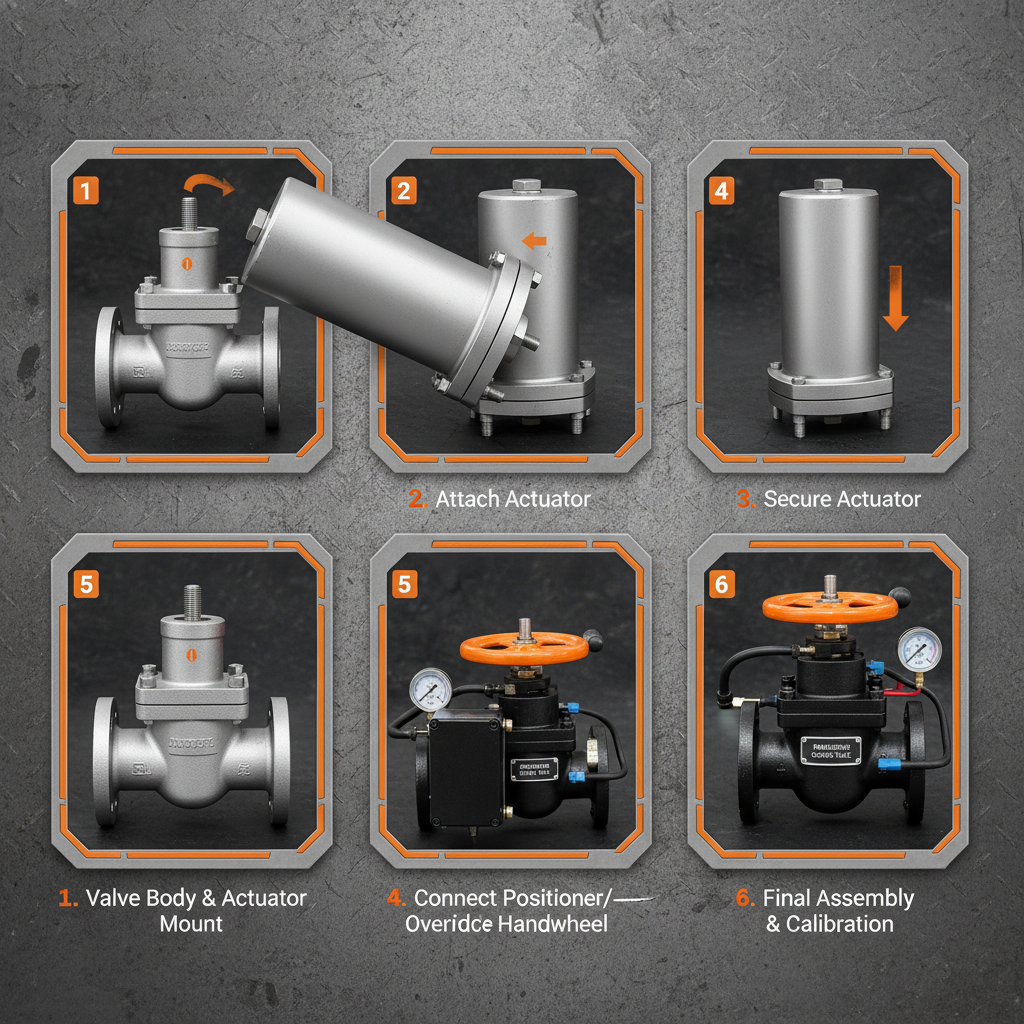
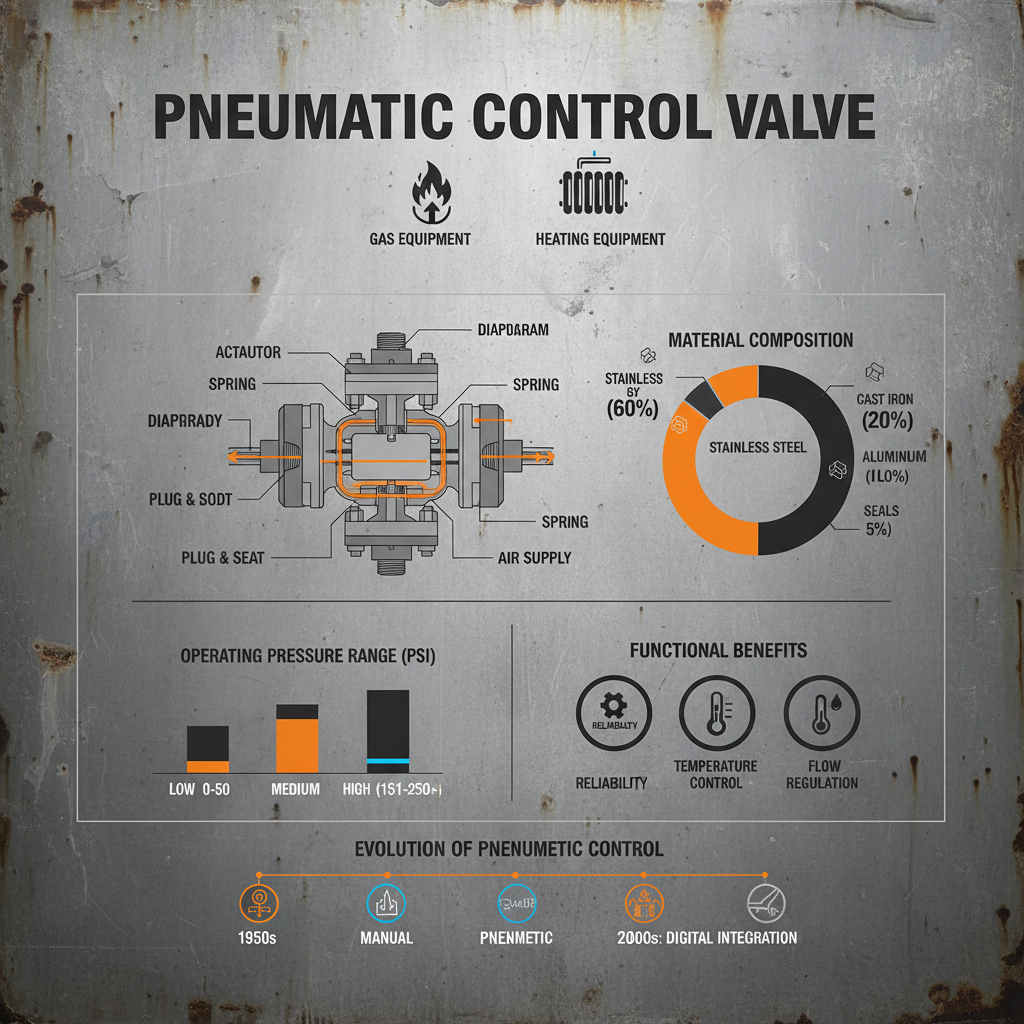
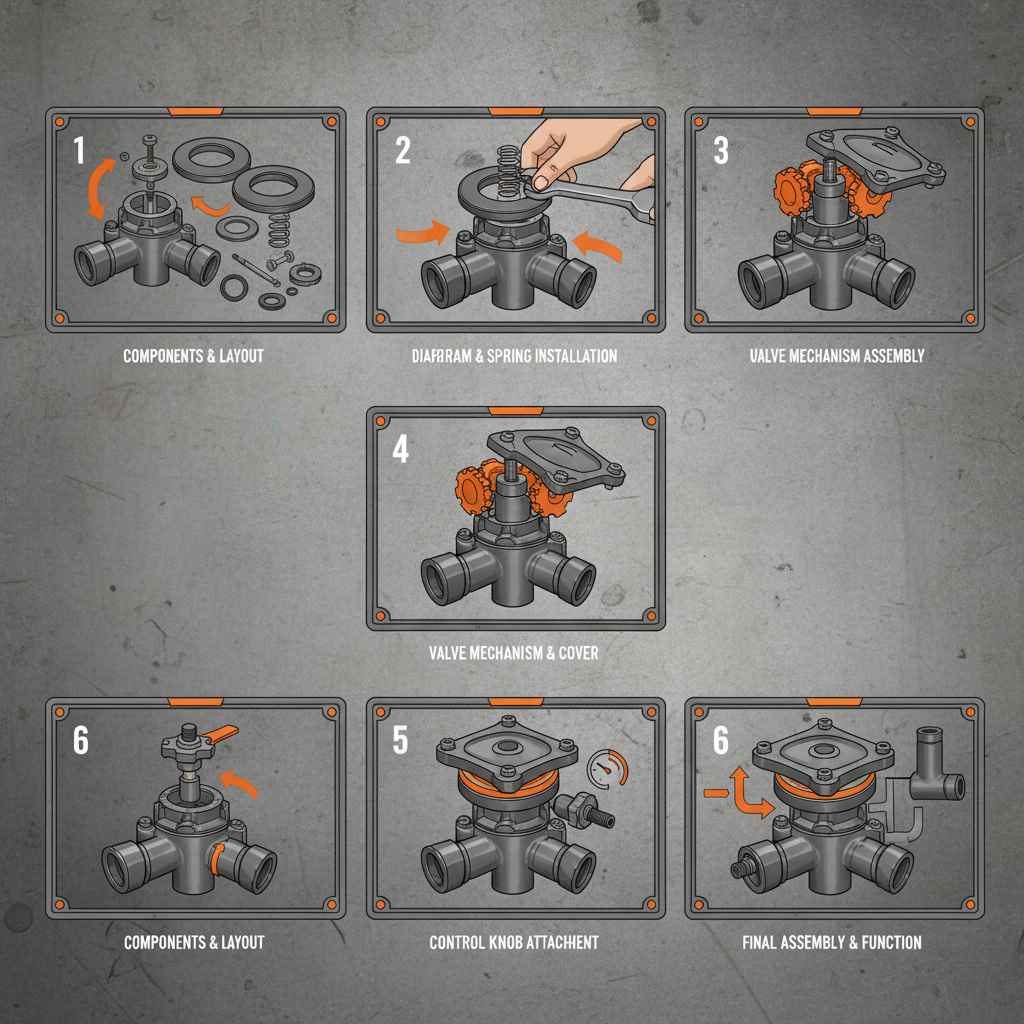
The operational success of a pneumatic control valve depends on the synergy between its actuator, the valve body, and the positioner. The actuator converts the energy of compressed air into linear or rotary motion, while the valve body (containing the plug and seat) manages the actual flow restriction. The positioner acts as the "brain," comparing the desired setpoint with the actual valve position and adjusting the air supply accordingly to eliminate steady-state error.
Durability is engineered into every facet of these components. High-grade stainless steels and specialized alloys are used to resist corrosion and erosion, especially when dealing with abrasive slurries or caustic chemicals. This focus on material science ensures that the valve can withstand millions of cycles without significant leakage, which is critical for maintaining the integrity of a Vessel Series or a safety-critical loop.
Furthermore, the logic of "fail-safe" operation is a primary design driver. Pneumatic valves are often configured as "fail-closed" or "fail-open" using heavy-duty springs. In the event of a total loss of instrument air, the valve automatically returns to a predetermined safe position, preventing over-pressurization or hazardous spills, thus embodying a fundamental layer of industrial risk management.
Defining the Role of Pneumatic Control Valve in Industry
At its simplest level, a pneumatic control valve is a device that modulates the flow of a medium by using air pressure to move a throttling element. Unlike simple on-off valves, these components allow for precise, incremental adjustments, making them essential for tasks like temperature regulation, pressure stabilization, and level control in large tanks.
Beyond basic mechanics, the pneumatic control valve bridges the gap between digital control signals (like 4-20mA) and physical mechanical action. This translation is vital for modern humanitarian and industrial needs, such as ensuring a steady supply of purified water in remote regions or maintaining the sterile environment of a pharmaceutical cleanroom.
In the broader scope of integrated device series, these valves enable the synchronization of multiple processes. By utilizing a centralized air supply, a facility can coordinate dozens of valves simultaneously, creating a responsive and agile production environment that can adapt to real-time demand changes.
Performance Metrics and Efficiency Factors
When evaluating a pneumatic control valve, engineers focus on several key metrics: the coefficient of flow (Cv), the hysteresis, and the response time. A high Cv indicates a greater capacity for flow, while low hysteresis ensures that the valve returns to the exact same position regardless of whether it is opening or closing. These factors directly impact the stability of the control loop and the overall energy efficiency of the plant.
Cost efficiency is not just about the initial purchase price but the total cost of ownership (TCO). Pneumatic systems often boast lower maintenance costs compared to complex electric servos because they have fewer electronic components exposed to harsh conditions. The following data illustrates the relative performance strengths of different pneumatic configuration methods.
Performance Comparison of Pneumatic Control Valve Actuation Methods
Diverse Global Applications and Use Cases
The application of the pneumatic control valve spans nearly every heavy industry. In the oil and gas sector, these valves are critical for Point Supply and Peak Shaving Equipment Series, where they regulate high-pressure gas flows to prevent pipeline ruptures. Their ability to operate in "Ex" (explosion-proof) zones makes them the gold standard for hazardous area installations.
In more specialized contexts, such as remote industrial zones or post-disaster relief operations, pneumatic systems are favored for their simplicity of repair. For example, in modular water treatment plants deployed during emergencies, pneumatic valves allow for rapid setup and easy maintenance using basic tools, ensuring that vital resources reach affected populations without relying on complex electrical grids.
Long-Term Value and Operational Advantages
From a logical standpoint, the primary advantage of adopting pneumatic control valves is the unmatched reliability in extreme temperatures. While electric actuators may overheat in deserts or freeze in arctic conditions, pneumatic systems—when paired with the right lubricants and air dryers—maintain consistent performance. This reliability translates directly into reduced downtime and higher plant availability.
Emotionally and ethically, the use of these valves speaks to a commitment to safety and trust. When a plant operator knows that a safety device series is backed by a fail-safe pneumatic spring, it reduces workplace anxiety and promotes a culture of safety. The dignity of the workforce is preserved by removing them from the most dangerous manual valve-turning tasks and replacing them with precise, remote automation.
Furthermore, the sustainability angle is becoming increasingly important. Modern pneumatic valves are being designed to reduce "air leak" losses, which are a major source of energy waste in factories. By optimizing the air-to-flow ratio, companies can lower their carbon footprint while maintaining the high-torque capabilities that only compressed air can provide.
Future Innovations in Valve Automation
The future of the pneumatic control valve lies in the fusion of pneumatics and digital intelligence. The rise of "Smart Positioners" is transforming these mechanical devices into data-gathering nodes. By integrating IoT sensors, a valve can now predict its own failure through vibration analysis and friction monitoring, moving from reactive maintenance to a proactive, predictive model.
Materials science is also playing a pivotal role. The introduction of advanced polymers and ceramic coatings is allowing valves to operate in even more aggressive chemical environments without the need for expensive exotic metals. This democratization of high-performance materials makes advanced control systems accessible to smaller enterprises and developing economies.
Finally, the shift toward green energy is influencing the design of the Voltage Regulator Series and associated pneumatic controls. We are seeing a trend toward "energy recovery" systems where the exhaust air from a pneumatic actuator is recaptured and reused, further driving down the operational costs and environmental impact of industrial automation.
Comparative Analysis of Pneumatic Valve Technology Evolutions
| Technology Generation |
Control Mechanism |
Typical Response Time |
Reliability Score (1-10) |
| Traditional Analog |
Manual Pilot Air |
Slow (2-5 sec) |
6 |
| Early Electro-Pneumatic |
I/P Converters |
Moderate (1-2 sec) |
7 |
| Digital Positioner Era |
Microprocessor Control |
Fast (<1 sec) |
8 |
| IoT Integrated |
Cloud-Synced Feedback |
Near-Instant |
9 |
| Predictive AI Series |
Machine Learning Tuning |
Adaptive |
10 |
| Energy-Recovery Gen |
Closed-Loop Air Cycle |
Optimized |
9 |
FAQS
The primary advantage is safety and durability in harsh environments. Pneumatic valves are inherently explosion-proof because they do not use electricity at the point of actuation, making them ideal for volatile chemical or oil environments. Additionally, they generally provide higher force output and are more resilient to extreme temperature fluctuations than electric actuators.
Maintenance schedules vary by application, but typically, a visual inspection and leak test should be performed quarterly. For critical safety device series, a full calibration of the positioner and seal inspection is recommended every 6 to 12 months. Using high-quality filtered air can significantly extend these intervals by preventing contaminant buildup.
Yes, when paired with a high-precision digital positioner, pneumatic control valves can achieve extremely tight tolerances. The key is ensuring a stable air supply and choosing a valve trim that is appropriately sized for the flow range. Modern "smart" valves can now handle linear or equal-percentage flow characteristics with high accuracy.
Fail-safe refers to the valve's ability to automatically move to a safe position (either fully open or fully closed) if the control air supply is lost. This is usually achieved through a mechanical spring that pushes the valve stem into the safe position, ensuring that a system failure does not lead to an industrial accident.
Sizing depends on calculating the required Flow Coefficient (Cv) based on your maximum and minimum flow rates, the pressure drop across the valve, and the specific gravity of the fluid. Over-sizing a valve can lead to "hunting" and instability, while under-sizing will restrict production capacity.
While generating compressed air requires energy, the actuation of the valve itself is very efficient. To improve overall efficiency, many plants are now adopting low-leakage seals and smart positioners that reduce the amount of air exhausted during steady-state operation, significantly lowering the load on the air compressors.
Conclusion
The pneumatic control valve remains a fundamental pillar of industrial automation, offering an unrivaled combination of safety, power, and reliability. By integrating these devices into a broader Control System, industries can achieve a level of precision and fail-safe security that is difficult to replicate with other technologies. From the selection of high-grade materials to the implementation of smart positioners, every detail contributes to the overall stability and longevity of the industrial process.
Looking forward, the transition toward digital integration and energy-efficient designs will only enhance the value of pneumatic solutions. For operators and engineers, the key to success lies in choosing components that balance immediate performance needs with long-term sustainability goals. We invite you to explore our full range of high-performance valve solutions to optimize your operational efficiency. Visit our website: www.gasouyinuo.com