Shut-off valves are critical components in a vast array of systems, from residential plumbing to large-scale industrial processes. Their primary function – to control the flow of fluids – makes them essential for safety, efficiency, and maintenance. Understanding the nuances of shut-off valves, their types, and applications is paramount in ensuring the reliable operation of countless infrastructures globally. The global market for these valves is substantial and continuously growing, driven by infrastructure development and increasingly stringent safety regulations.
The importance of a reliable shut-off valve extends beyond mere convenience; it is often a matter of life and death. In emergency situations, a quickly accessible and functional shut-off valve can prevent catastrophic damage and loss of life. This is particularly crucial in industries handling hazardous materials, where even a small leak can have devastating consequences. According to the ISO standards, regular inspection and maintenance of shut-off valves are mandatory in many industrial settings.
Moreover, advancements in valve technology are constantly being made to improve performance, reduce environmental impact, and enhance safety features. From automated shut-off valves to those designed for specific corrosive environments, innovation in this field directly addresses the evolving needs of modern industry and humanitarian applications. Understanding these advancements is key to selecting the right valve for a specific task and ensuring long-term reliability.
The Importance of Shut-Off Valves
The fundamental purpose of a shut-off valve is to isolate sections of a piping system, allowing for maintenance, repairs, or emergency shutdowns. Without reliable shut-off valves, even a minor issue can quickly escalate into a major problem, causing significant disruption and potential danger. A well-maintained shut-off valve network is a cornerstone of operational safety and efficiency.
Properly installed and maintained shut-off valves not only safeguard infrastructure but also protect personnel and the environment. They are integral to complying with safety regulations and minimizing the risks associated with fluid leaks, spills, and system failures. Regular inspection and testing are crucial to confirm their functionality and prevent unexpected issues.
Defining Shut-Off Valves
A shut-off valve is a mechanical device used to control the flow of a fluid – whether it be liquid, gas, or slurry – through a pipe or passageway. Unlike control valves, which modulate flow, shut-off valves are primarily designed to be either fully open or fully closed, creating a complete block or allowing unrestricted passage. This simple yet crucial function makes them an indispensable component in a wide range of applications.
Their connection to modern industry is undeniable. Every industrial plant, processing facility, and distribution network relies heavily on shut-off valves to manage fluid flow, facilitate maintenance, and ensure safety. From oil and gas pipelines to water treatment plants, these valves underpin the smooth operation of vital infrastructure.
In humanitarian contexts, the availability of functioning shut-off valves is also critical. In disaster relief scenarios, for example, they can be used to isolate damaged sections of water or sanitation systems, preventing further contamination and enabling quicker repairs. Their robust construction and reliability make them ideal for deployment in challenging environments.
Core Components of Shut-Off Valves
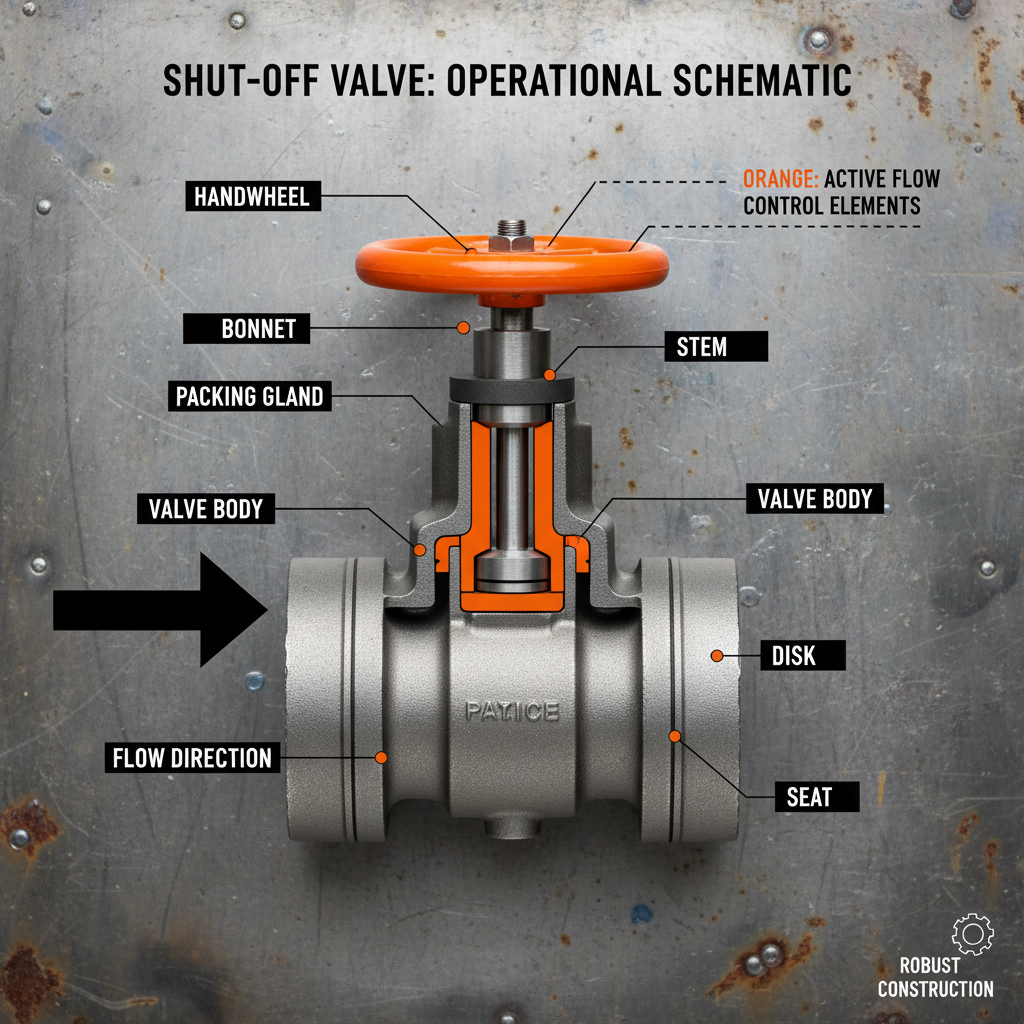
The construction of a shut-off valve varies depending on its type and application, but several core components are common to most designs. The body, typically made of metal or plastic, provides the structural framework and houses the internal mechanisms. The bonnet, attached to the body, provides a seal and supports the stem.
The stem, operated by a handle or actuator, controls the movement of the valve’s closure element. This closure element, which can be a gate, globe, ball, or butterfly disc, directly blocks or allows flow. Seals and packing are vital to prevent leaks around the stem and bonnet. Understanding these core components is critical for troubleshooting, maintenance, and selecting the appropriate valve for a specific application.
Finally, the actuator (in automated valves) provides the force to operate the valve remotely, often using pneumatic, hydraulic, or electric power. Different materials used in these components will influence the longevity and suitability of the shut-off valve in various environments.
Key Performance Factors
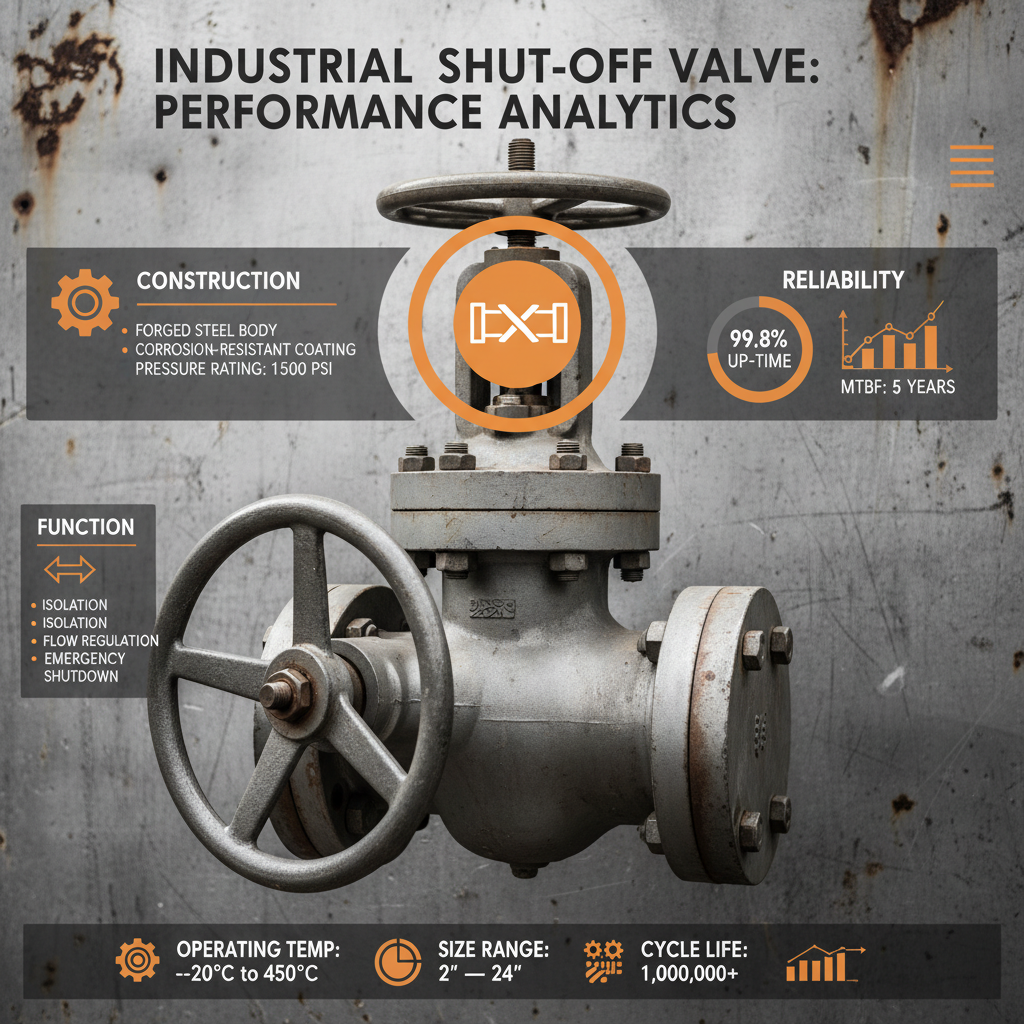
Several factors contribute to the overall performance and reliability of a shut-off valve. Pressure rating indicates the maximum pressure the valve can safely withstand. Temperature range defines the operational limits of the valve based on the fluid temperature. Material compatibility ensures the valve materials are resistant to corrosion and degradation from the fluid being handled.
Leakage rate, measured in parts per million (PPM), quantifies the amount of fluid that escapes past the closure element when the valve is closed. Sealing efficiency is a critical performance factor, especially in applications involving hazardous or valuable fluids.
Shut-Off Valve Performance Metrics
Global Applications of Shut-Off Valves
Shut-off valves are ubiquitous, appearing in countless applications worldwide. In the oil and gas industry, they control the flow of crude oil and natural gas through pipelines and processing facilities. In water treatment plants, they isolate sections of the system for maintenance and prevent contamination. Within residential buildings, they control water supply to individual fixtures and appliances.
In post-disaster relief operations, portable shut-off valves can be quickly deployed to isolate damaged water lines and prevent further damage. In remote industrial zones, automated shut-off valves monitored remotely minimize the need for on-site personnel. These examples showcase the versatility and global impact of this essential component.
Advantages and Long-Term Value
The benefits of investing in high-quality shut-off valves extend far beyond immediate functionality. Cost savings are realized through reduced maintenance, fewer repairs, and minimized downtime. Sustainable operation is achieved by preventing leaks and reducing resource waste. Social impact is enhanced through improved safety and public health.
Reliable shut-off valves foster trust and confidence in critical infrastructure, protecting both property and lives. Their long-term value stems from their durability, ease of maintenance, and ability to safeguard against costly disruptions. The peace of mind provided by a properly functioning shut-off valve network is a significant, often overlooked, benefit.
Future Trends and Innovations
The field of shut-off valve technology is constantly evolving, driven by the need for improved performance, efficiency, and sustainability. Smart valves, equipped with sensors and remote monitoring capabilities, are becoming increasingly prevalent, allowing for real-time data analysis and predictive maintenance. These valves can be integrated into larger industrial control systems, enabling automated responses to changing conditions.
Advancements in materials science are also leading to the development of valves that are more resistant to corrosion and extreme temperatures. The increasing focus on green energy and sustainability is driving demand for valves designed for use with renewable energy sources and environmentally friendly fluids. Automation and digital transformation play a significant role in optimizing shut-off valve operations.
Furthermore, research into self-sealing and self-repairing valves promises to revolutionize maintenance practices and reduce downtime. These innovations will undoubtedly shape the future of fluid control and ensure the continued reliability of critical infrastructure.
Analysis of Shut-Off Valve Performance Characteristics
| Valve Type |
Material Durability (1-10) |
Maintenance Frequency (Months) |
Leakage Rate (PPM) |
| Gate Valve |
7 |
18 |
5 |
| Globe Valve |
6 |
12 |
2 |
| Ball Valve |
9 |
24 |
1 |
| Butterfly Valve |
8 |
15 |
3 |
| Plug Valve |
7 |
16 |
4 |
| Pinch Valve |
5 |
6 |
7 |
FAQS
Ball valves use a rotating ball with a bore to control flow, offering quick on/off operation and tight shut-off, making them ideal for frequent use. Gate valves utilize a gate that slides into the flow path, providing lower flow resistance but are slower to operate and may not seal as tightly. Choosing between them depends on the specific application requirements and frequency of use.
Regular inspection is crucial for ensuring the reliability of your shut-off valve network. Depending on the application and environmental conditions, inspections should be conducted at least annually, or more frequently in corrosive or high-stress environments. Look for signs of corrosion, leaks, or damage to the valve body, stem, and seals.
In corrosive environments, materials like stainless steel, Teflon, and certain types of plastics are often preferred. Stainless steel offers excellent resistance to many corrosive agents, while Teflon provides a non-reactive sealing surface. The specific material choice depends on the specific corrosive agent and the operating temperature.
Automated shut-off valves can be a worthwhile investment, especially in large or complex systems. They offer remote control, improved accuracy, and the ability to integrate with other control systems. This can lead to significant cost savings in terms of labor, downtime, and resource waste. However, the initial investment is higher than manual valves.
Lubricating a shut-off valve helps to ensure smooth operation and prevent leaks. The proper lubricant will depend on the valve material and the fluid being handled. Follow the manufacturer’s recommendations for lubricant type and application frequency. Generally, a small amount of lubricant should be applied to the stem and seals during maintenance.
Determining the correct valve size involves considering factors like pipe diameter, flow rate, and pressure drop. The valve's internal diameter must be equal to or greater than the pipe's internal diameter to avoid flow restriction. Consult with a valve specialist or use online sizing tools to ensure proper selection and optimal performance of the shut-off valve.
Conclusion
Shut-off valves are fundamental components of modern infrastructure, playing a critical role in safety, efficiency, and reliability across a vast range of applications. Understanding their core components, key performance factors, and emerging technologies is paramount for professionals in diverse fields, from engineering and manufacturing to public health and disaster relief. Investing in high-quality valves and implementing regular maintenance programs are essential for ensuring long-term operational stability and minimizing risk.
Looking ahead, innovations in smart valves, advanced materials, and automation technologies promise to further enhance the performance and sustainability of fluid control systems. By embracing these advancements and prioritizing safety and efficiency, we can unlock the full potential of shut-off valves and build a more resilient and sustainable future. Visit our website at www.gasouyinuo.com to learn more about our comprehensive range of shut-off valve solutions.