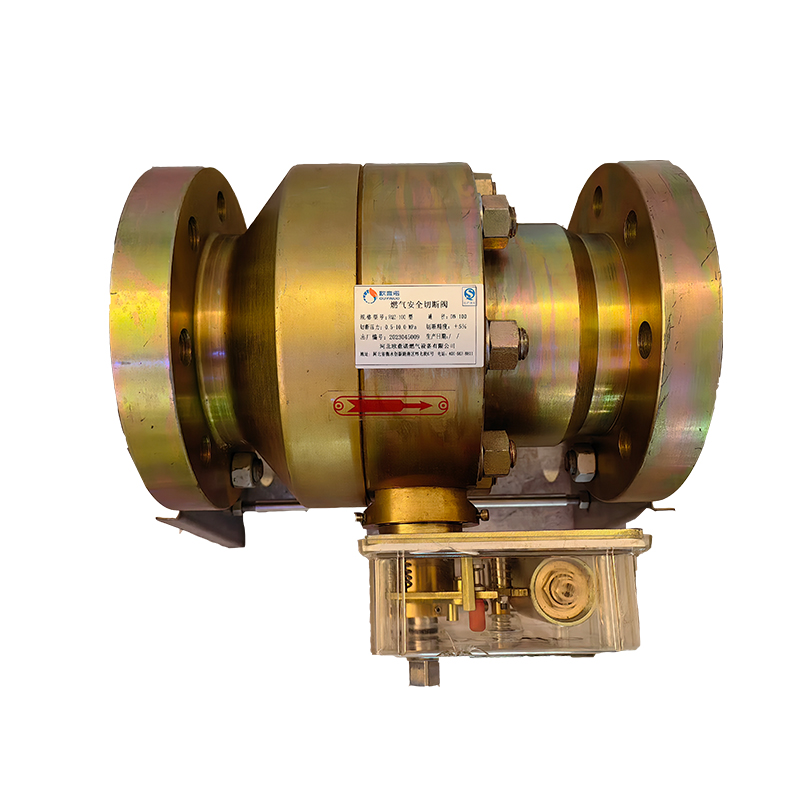
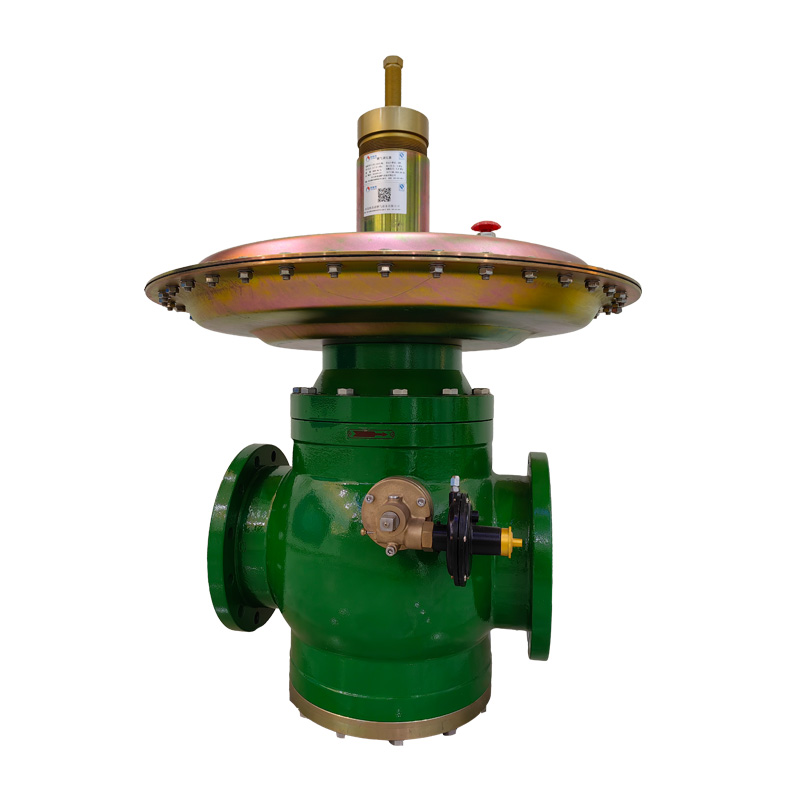
Advanced city gate station Solutions for Colombia's Gas Infrastructure

Optimizing natural gas distribution across the Andean region with high-precision regulation and modular decompression systems.

Advanced city gate station Solutions for Colombia's Gas Infrastructure

Providing integrated gas pressure reduction and metering solutions tailored for Colombia's diverse geographic terrains and industrial requirements.

Current State of Gas Regulation in Colombia

Addressing the challenges of gas transport in mountainous and tropical environments.

Colombia's gas industry faces unique challenges due to its complex topography, where high-altitude Andean regions require specialized decompression equipment to maintain stable delivery pressures from transmission pipelines to local distribution networks.

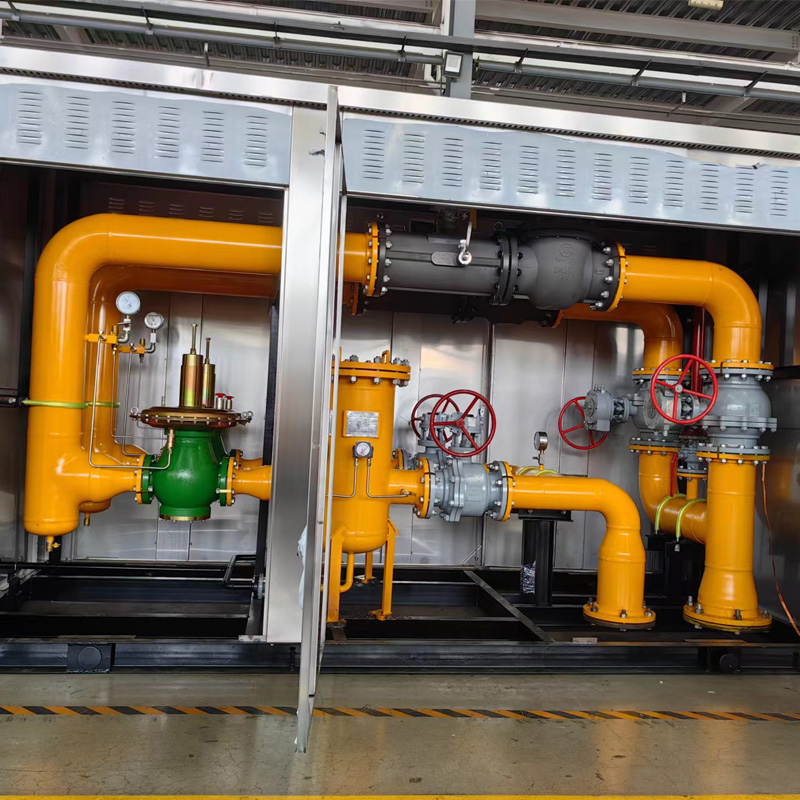
Current infrastructure is transitioning from legacy mechanical systems to automated frameworks. The demand for skid mounted equipment has surged as operators seek faster deployment times in remote areas of the Llanos and Caribbean coasts to reduce installation overhead.

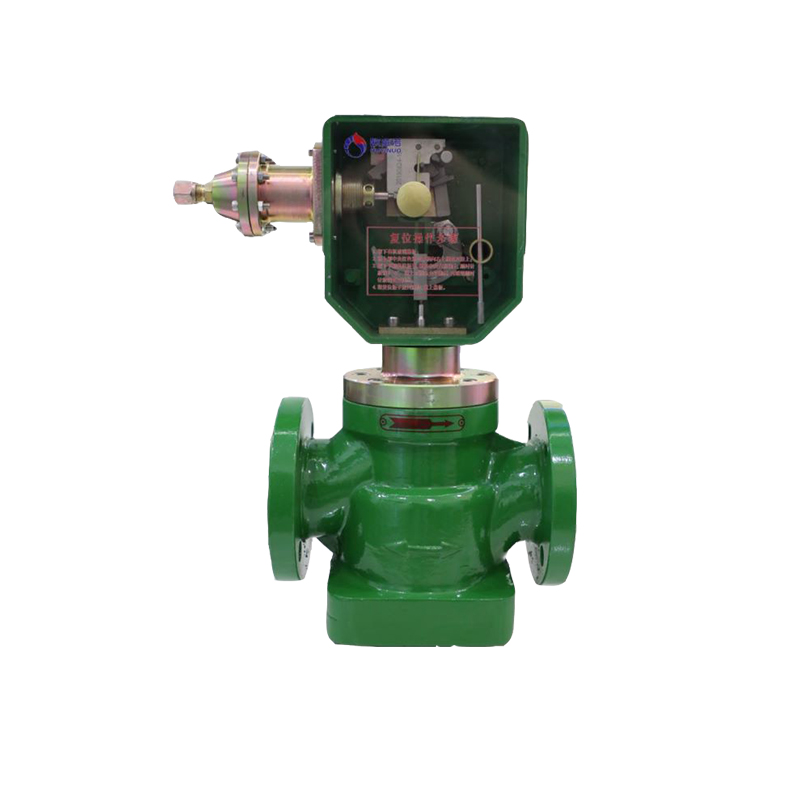
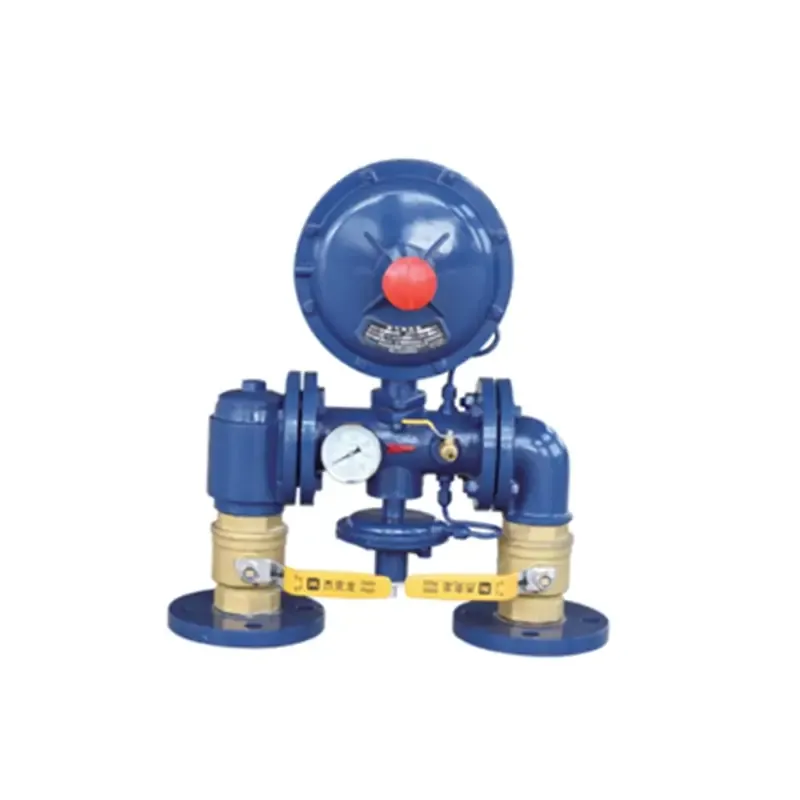
Furthermore, the volatility of gas flow in industrial clusters in Medellín and Bogotá is driving the adoption of the smart regulator, ensuring that pressure fluctuations are managed in real-time to prevent system downtime.
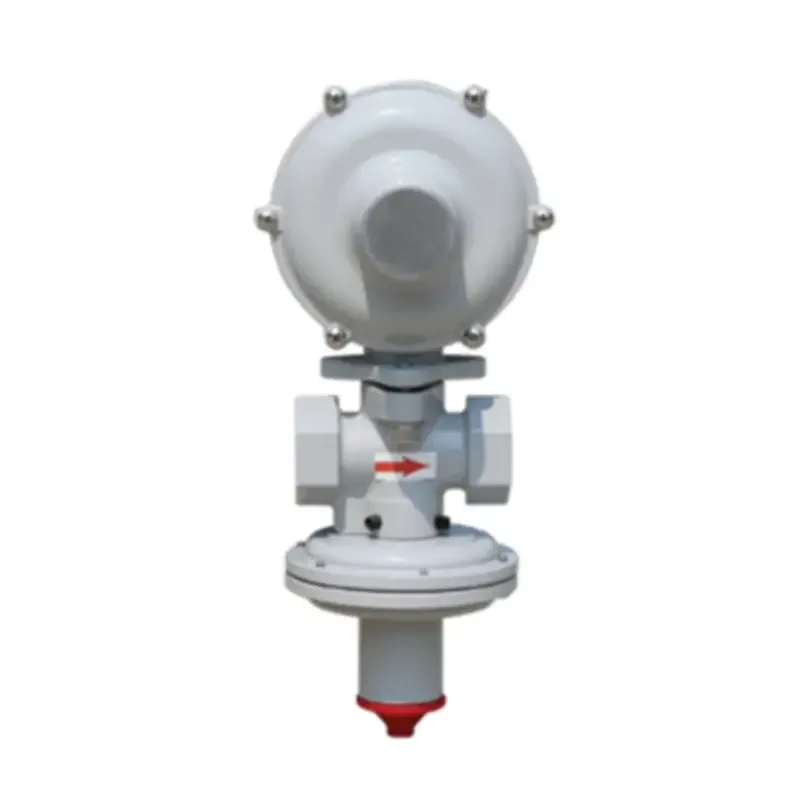
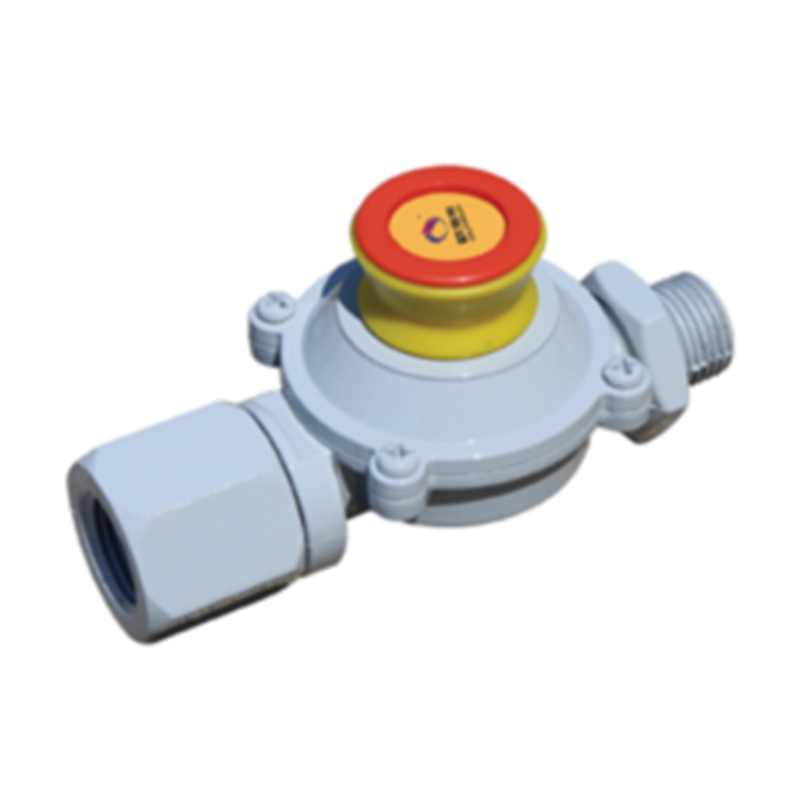
Evolution of Gas Pressure Control Technology

From manual valves to intelligent, modular decompression systems.

Market Development History

During the early 2000s, Colombian gas stations relied heavily on site-built piping and manual regulators, which often led to prolonged commissioning periods and inconsistent safety standards across different regions.

Between 2010 and 2020, the industry shifted toward modularization. The introduction of the decompression skid allowed for factory-tested assemblies, significantly reducing on-site welding and increasing the reliability of gas delivery to city gates.

From 2021 onwards, the integration of IoT and digital twins has enabled a shift toward "Smart Infrastructure," where pressure control is no longer reactive but predictive, optimizing flow based on regional demand patterns.

Future Development Trends

Digital Twin Integration

Implementation of virtual replicas for all city gate stations to predict maintenance needs and simulate pressure drops before they occur in the physical network.

Hydrogen Blending Readiness

Upgrading materials in decompression systems to handle hydrogen-natural gas blends, supporting Colombia's transition toward a lower-carbon energy matrix.

Edge Computing Regulation

Deploying edge-AI within regulators to make millisecond-level adjustments to flow rates without relying on centralized cloud latency.

Industry Trends and Future Outlook

Strategic directions for gas equipment manufacturing in the South American market.

Modularization 2.0
Expanding the use of plug-and-play skid designs to accelerate rural electrification and gasification projects in Colombia.
Intelligent Monitoring
Integration of wireless sensors into regulators to provide real-time telemetry to central control rooms in Bogotá.
Zero-Emission Seals
Implementing advanced polymer seals in valves to eliminate methane leakage, aligning with international ESG standards.
Adaptive Regulation
Developing regulators that automatically adjust based on the seasonal temperature variance of the Colombian highlands.

Industry Outlook

The future of the Colombian gas sector will be defined by the convergence of hardware reliability and software intelligence. We expect a significant increase in the deployment of automated decompression equipment that can communicate via 5G networks to optimize regional load balancing.

As the country moves toward diversifying its energy sources, the flexibility provided by modular skids will be critical. The ability to rapidly reconfigure city gate stations will allow operators to respond to shifting urban demographics and industrial growth in the interior valleys.

Localized Application Scenarios in Colombia

Real-world deployments of gas regulation technology across diverse Colombian landscapes.

1. High-Altitude Urban Distribution in Bogotá

Deployment of high-capacity city gate stations utilizing smart regulators to manage the extreme pressure differentials required for high-altitude residential gas supply.

2. Remote Industrial Hubs in Antioquia

Installation of skid mounted equipment for textile and chemical factories, providing rapid installation and minimal site footprint in rugged terrain.

3. Caribbean Coastal Gas Terminals

Use of corrosion-resistant decompression skid units designed to withstand high humidity and saline environments near port facilities.

4. Rural Electrification Support in the Llanos

Integrating small-scale decompression equipment to fuel decentralized power generators, enabling energy access for remote agricultural communities.

5. Natural Gas Vehicle (NGV) Refueling Stations

Implementation of precision decompression systems to ensure safe and consistent high-pressure filling for the growing fleet of NGV public transport in Colombian cities.

Brand Story

Global Development Journey of Hebei Ouyinuo Gas Equipment Co., Ltd.

Founding Vision

Established with a mission to eliminate the inefficiencies of traditional gas regulation through precision engineering and modular design.

Technical Breakthrough

Developed a proprietary sealing technology that reduced leakage in high-pressure decompression systems by 40%, setting new industry standards.

Global Expansion

Successfully entered the South American market, adapting our equipment to meet the stringent safety and climatic requirements of the Andean region.

Innovation Leadership

Launched the first generation of IoT-integrated smart regulators, enabling remote monitoring for global utility providers.

Sustainable Future

Committing to the development of hydrogen-compatible gas infrastructure to lead the global energy transition toward Net Zero.

Comprehensive Gas Equipment Portfolio for Colombia

Integrated solutions from high-pressure transmission to end-user distribution.

Colombia Gas Infrastructure FAQ

Answers to common technical and logistical questions regarding gas regulation in Colombia.

How does a smart regulator improve gas distribution efficiency in Bogotá?

A smart regulator utilizes real-time data to adjust pressure dynamically, reducing energy loss during decompression and preventing over-pressurization in urban networks.

What are the benefits of using skid mounted equipment for remote Andean sites?

Skid mounted systems are pre-assembled and tested in the factory, which minimizes the need for skilled labor and heavy welding in difficult-to-reach mountainous areas.

Can a decompression skid be customized for the Colombian Caribbean's humidity?

Yes, we provide specialized anti-corrosive coatings and marine-grade stainless steel components to ensure longevity in high-salinity coastal environments.

What is the typical lead time for a city gate station project in Colombia?

Depending on the complexity, modular city gate stations can be delivered and commissioned 30-50% faster than traditional site-built stations.

Which decompression equipment is best for high-pressure industrial gas users?

For industrial users, we recommend multi-stage decompression systems that ensure a stable outlet pressure even with significant upstream fluctuations.

Do your gas regulation systems comply with Colombian safety standards?

Our equipment is designed to meet and exceed international ASME and ISO standards, which are widely accepted and required by Colombian regulatory bodies.

Request a Technical Consultation

Contact our engineering team today to optimize your gas infrastructure projects in Colombia.

Contact Us Now

If you are interested in our products, you can choose to leave your information here, and we will be in touch with you shortly.