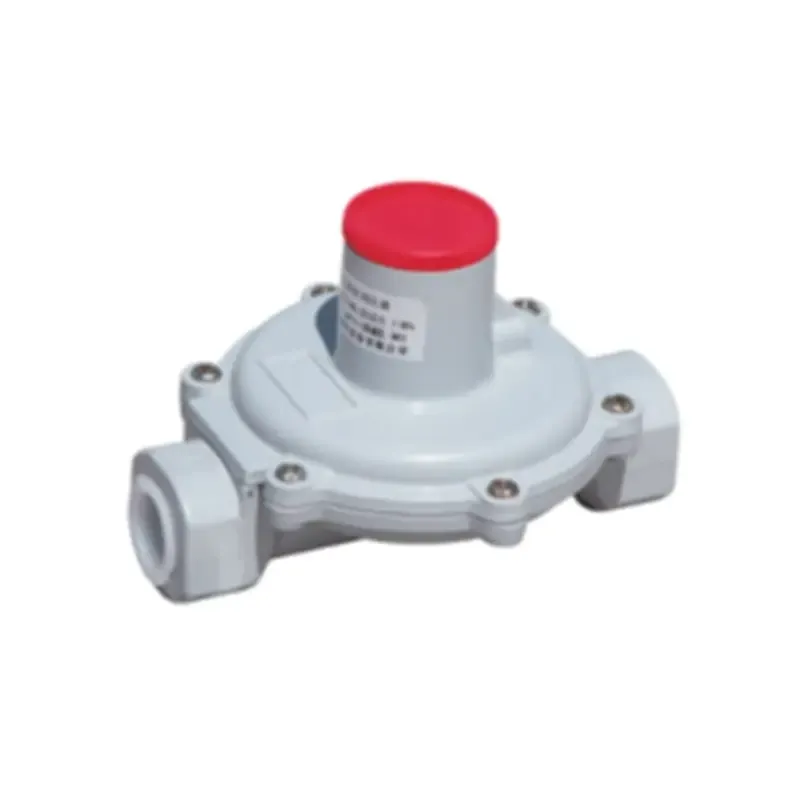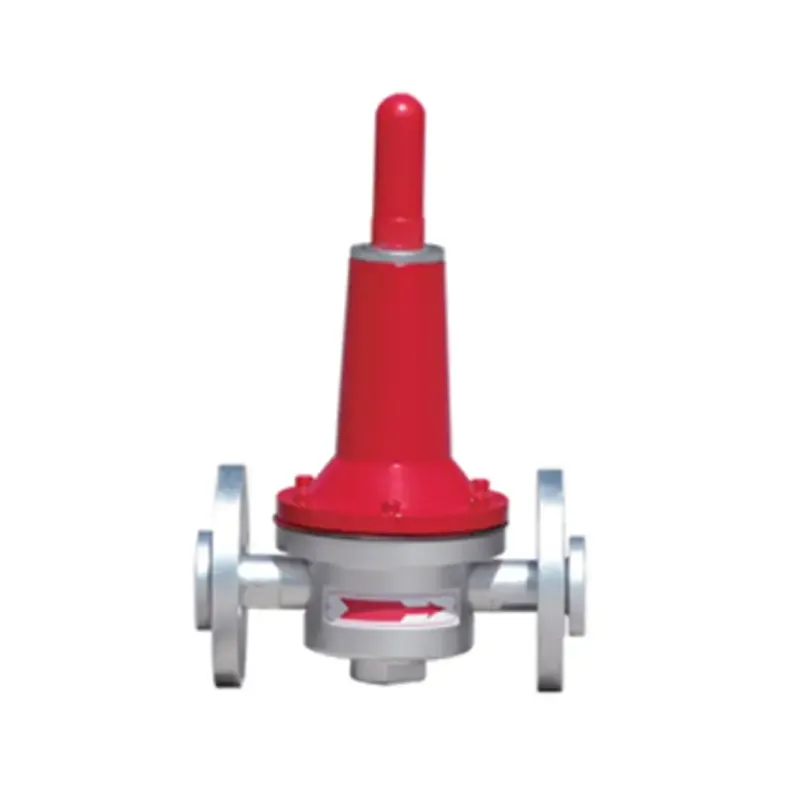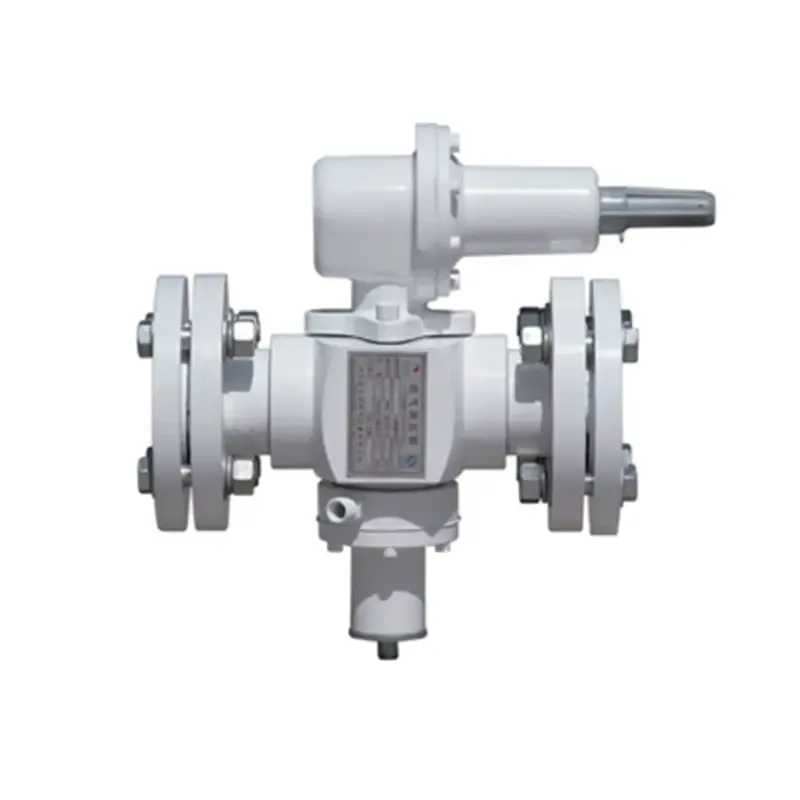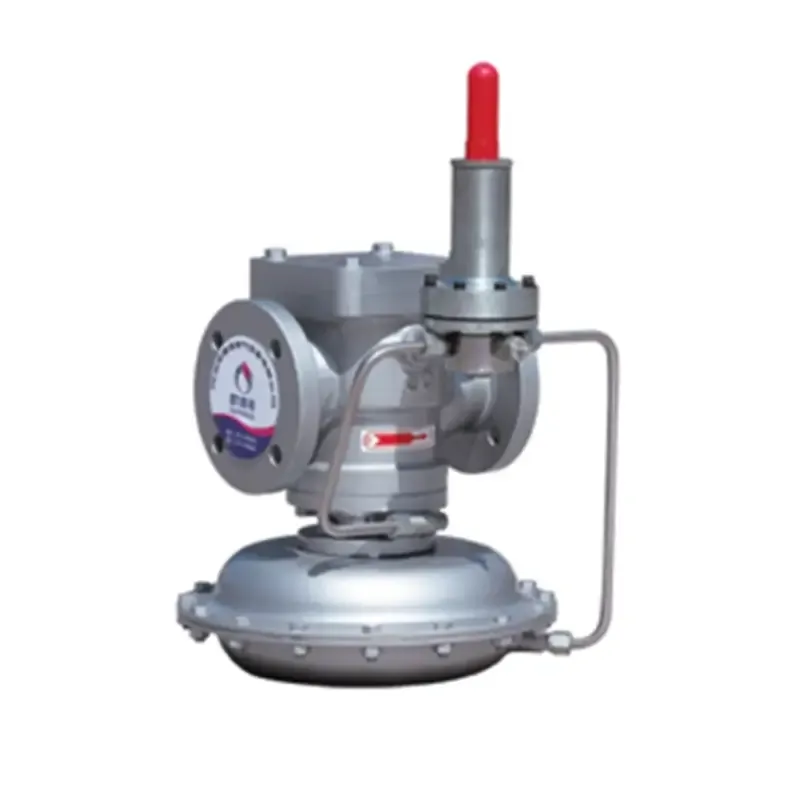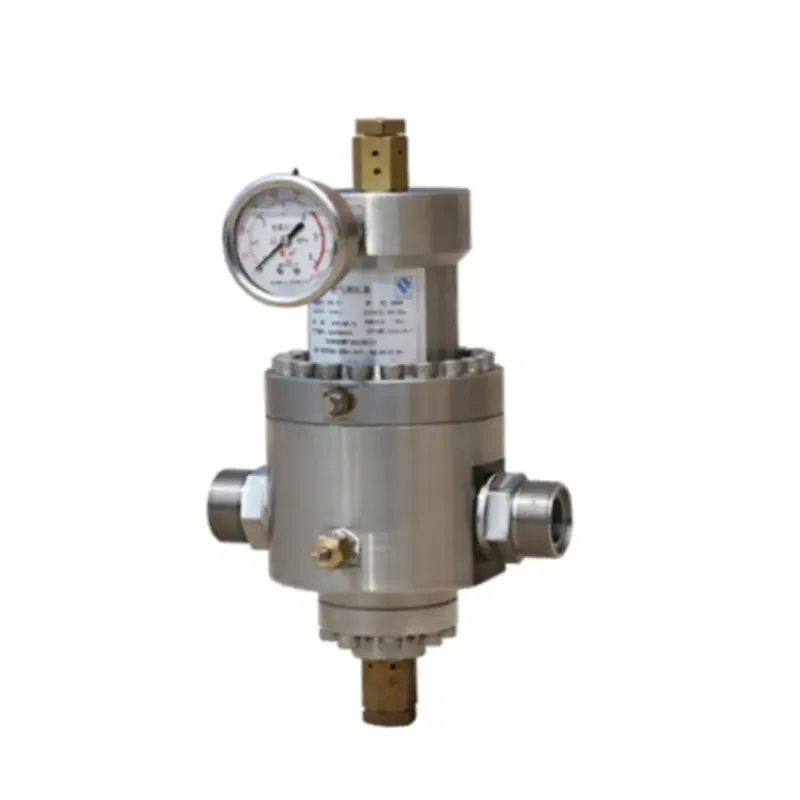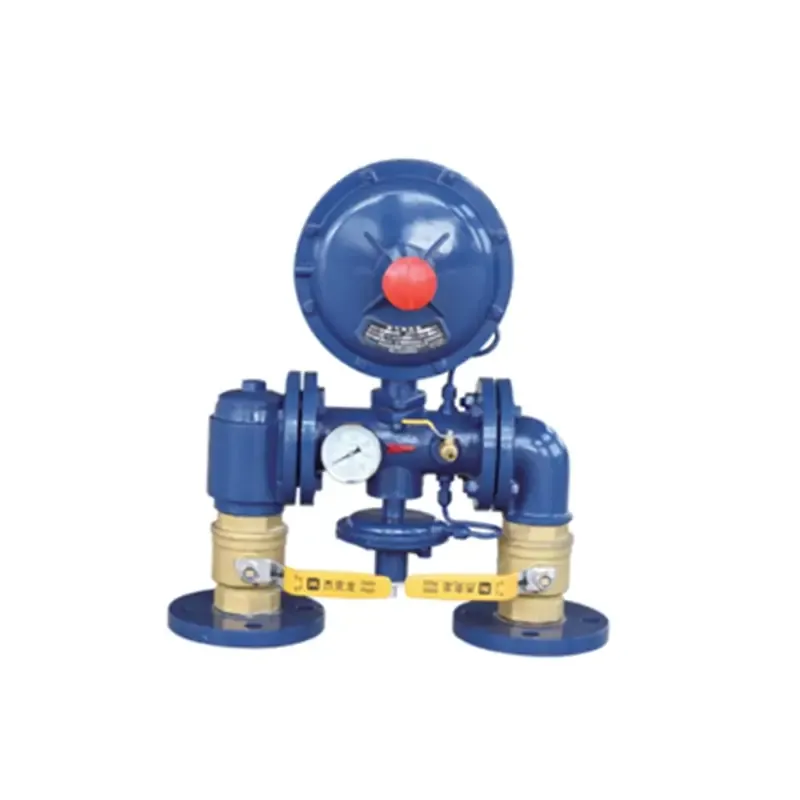
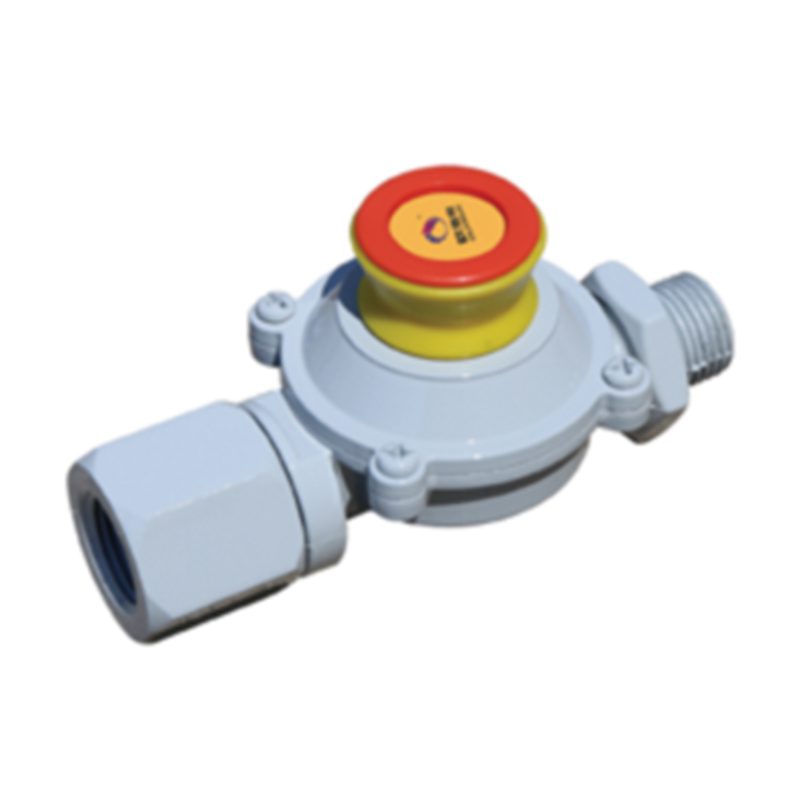
Self-closing valve is a device that is installed on the low-pressure gapipeline system in house and can automatically close but needs to bmanually opened without the aid of electnicity or other extemnal powewhen there is under-pressure and overpressure of the pipeline gas supplpresure. The self-closing valve installed at the connection between rearpipeline end of gas meter and rubber pipe end shall be provided with thfunction of closing in the case of loss of pressure.
The basic principle of self-closing valve is to magnetize and fabricatethe permanent magnet material into a multi-pole permanent magnetlinkage mechanism of permanent memory. The mechanism can identifthe change in gas pressure parameters passing through it, and the valveis automaticully closed when the safety set value is exceeded to cut offthe gus source.
The self-closing valve is provided with the function of automaticshutdown and manual reset in the case of under-pressure, overpressureand loss of pressure. When there is stop of gas supply, abnormal gassupply, falling off of rubber pipe, etc. The self-closing valve canautomatically close to prevent leakage. Automatic closing without theaid of electricity or any extemal power;
Automatic working, long-term reliability, no malfunction:Clear working status. easy to troubleshoot;Easy to install and easy to use.
Applicable medium: Natural gas, coal gas, liquefied petroleum gas andother non-corrosive gases.
Connection size: G1/2"thread.
|
Nominal Pass-Through Diam (mm) |
L(mm) |
H(mm) |
|
DN15 |
116 |
64 |
What is the difference between a quick closing valve and a self closing valve?
A quick closing valve and a self-closing valve are both types of control valves used in gas, liquid, or industrial systems to stop flow, but they operate differently and serve distinct purposes. Understanding the differences is important for selecting the correct valve for safety, process control, or emergency applications.
A quick closing valve is designed to shut off flow rapidly in emergency situations. It is usually operated manually, electrically, or pneumatically, and its primary function is to stop flow immediately to prevent accidents, leaks, or overpressure conditions. Quick closing valves are often installed in high-pressure gas or fuel lines, industrial pipelines, and safety-critical systems. When triggered, they close almost instantaneously, minimizing the risk of damage to equipment or injury. Some quick closing valves are linked to sensors or alarms, allowing automatic closure if a dangerous condition, such as a sudden pressure drop or rise, is detected.
In contrast, a self-closing valve is a valve that automatically returns to a closed position after being opened, without continuous manual or external control. These valves rely on springs, gravity, or fluid pressure to close after each operation. Self-closing valves are commonly used in applications where intermittent flow is required, such as faucets, irrigation systems, or low-pressure gas lines. The closing action is generally slower than that of a quick closing valve, and it is not primarily intended for emergency shutdowns. Instead, the self-closing feature prevents accidental continuous flow, enhances safety, and conserves resources.
The main differences can be summarized as follows: speed and purpose. Quick closing valves prioritize rapid, emergency shut-off and often require an external trigger or actuator. Self-closing valves focus on automatic closure after normal operation, usually for convenience, safety, or resource conservation, and do not act as emergency devices.
In short, a quick closing valve is for rapid emergency shutdown, while a self-closing valve is for automatic closure after use. Both enhance safety and control, but their design, response time, and intended applications differ significantly.
How does an auto shutoff valve work?
An auto shutoff valve is a safety device designed to automatically stop the flow of gas, liquid, or other fluids when certain conditions are met, protecting systems, equipment, and users from accidents, leaks, or overpressure situations. These valves are widely used in gas pipelines, fuel systems, water supply lines, and industrial processes.
The operation of an auto shutoff valve depends on its sensing mechanism and actuation method. Typically, the valve monitors parameters such as pressure, flow rate, temperature, or the presence of gas or liquid. When a predetermined threshold is exceeded or abnormal conditions are detected, the valve activates and closes automatically without human intervention. For example, in a gas system, if a pipe ruptures or a regulator fails, the sudden drop or spike in pressure triggers the valve to shut, preventing uncontrolled gas flow and potential hazards.
Auto shutoff valves can be mechanically or electronically actuated. Mechanical types often use springs, diaphragms, or weights to respond directly to pressure or flow changes. For instance, a spring-loaded diaphragm may compress under normal pressure, keeping the valve open, but if pressure exceeds the safe limit, the diaphragm pushes against the valve seat, closing the passage. Electronic or solenoid-based valves use sensors connected to a control system. When abnormal conditions are detected, the electronic signal activates a solenoid or motor, rapidly closing the valve.
Many auto shutoff valves also include manual override options or reset mechanisms, allowing operators to restore flow after the issue is resolved. They are often paired with alarms or indicators to alert personnel of the shutdown event.
In essence, an auto shutoff valve continuously monitors system conditions and automatically interrupts flow when safety thresholds are crossed, providing protection against leaks, bursts, or other dangerous events. Its automatic operation ensures both system safety and operational reliability, making it a critical component in residential, commercial, and industrial gas, liquid, and fuel systems.
Self closing valve types
A self-closing valve is a type of valve designed to automatically return to the closed position after being opened, preventing continuous flow and enhancing safety, efficiency, and convenience. These valves are widely used in gas, water, and industrial fluid systems where accidental or prolonged flow needs to be avoided. There are several common types of self-closing valves, each with specific mechanisms and applications.
- Spring-Loaded Valves:
Spring-loaded self-closing valves are among the most common. A spring applies constant force to keep the valve closed. When the valve is opened, either manually or by fluid pressure, the spring compresses. Once the opening force is removed, the spring pushes the valve back to its closed position. These valves are often used in faucets, hose bibs, and gas lines, providing reliable closure without external intervention. - Gravity-Operated Valves:
Gravity-operated valves use the weight of a component, such as a disc or flap, to return the valve to its closed position. When the valve is opened, gravity is temporarily overcome, and when released, gravity forces the valve to shut. This type is commonly seen in industrial chutes, drainage systems, and some pneumatic applications. - Fluid-Pressure Controlled Valves:
These valves use the pressure of the fluid itself to close automatically. When flow begins, the fluid moves a piston or diaphragm to open the valve. When the flow stops, the fluid pressure drops, and the valve closes. Self-closing check valves and certain fuel line valves often use this principle. - Pneumatic or Hydraulic Self-Closing Valves:
Some systems require external actuators powered by air or hydraulic pressure. These valves open when a signal or pressure is applied and automatically close when the signal stops. They are widely used in automated industrial processes and safety-critical systems.
In summary, self-closing valves are classified primarily by their closure mechanism: spring-loaded, gravity-operated, fluid-pressure controlled, and actuator-driven. They prevent continuous or accidental flow, improve system safety, and are essential in gas, water, and industrial applications. Each type is selected based on the system requirements, flow characteristics, and safety considerations.
gas pressure regulating valve
gas safety valve
natural gas regulator
natural gas safety valve
pneumatic valve
pressure regulating valve
safety valve
Write your message here and send it to us
Products categories