


Apr . 09, 2026 01:55
Back to list
Understanding the Industrial Regulating Valve for Fluid Control
Understanding the Role of the Regulating Valve in Fluid Control
In the complex world of industrial piping and fluid dynamics, maintaining a consistent flow and pressure is critical for safety and efficiency. A regulating valve serves as the primary mechanism for controlling the flow of liquids or gases by varying the size of the flow passage. Whether it is used in chemical processing, water treatment, or HVAC systems, these valves prevent system surges and ensure that downstream equipment operates within its designed parameters. In this guide, we will explore the intricacies of valve selection, the different types of mechanisms available, and how to optimize your system's performance using professional-grade hardware.
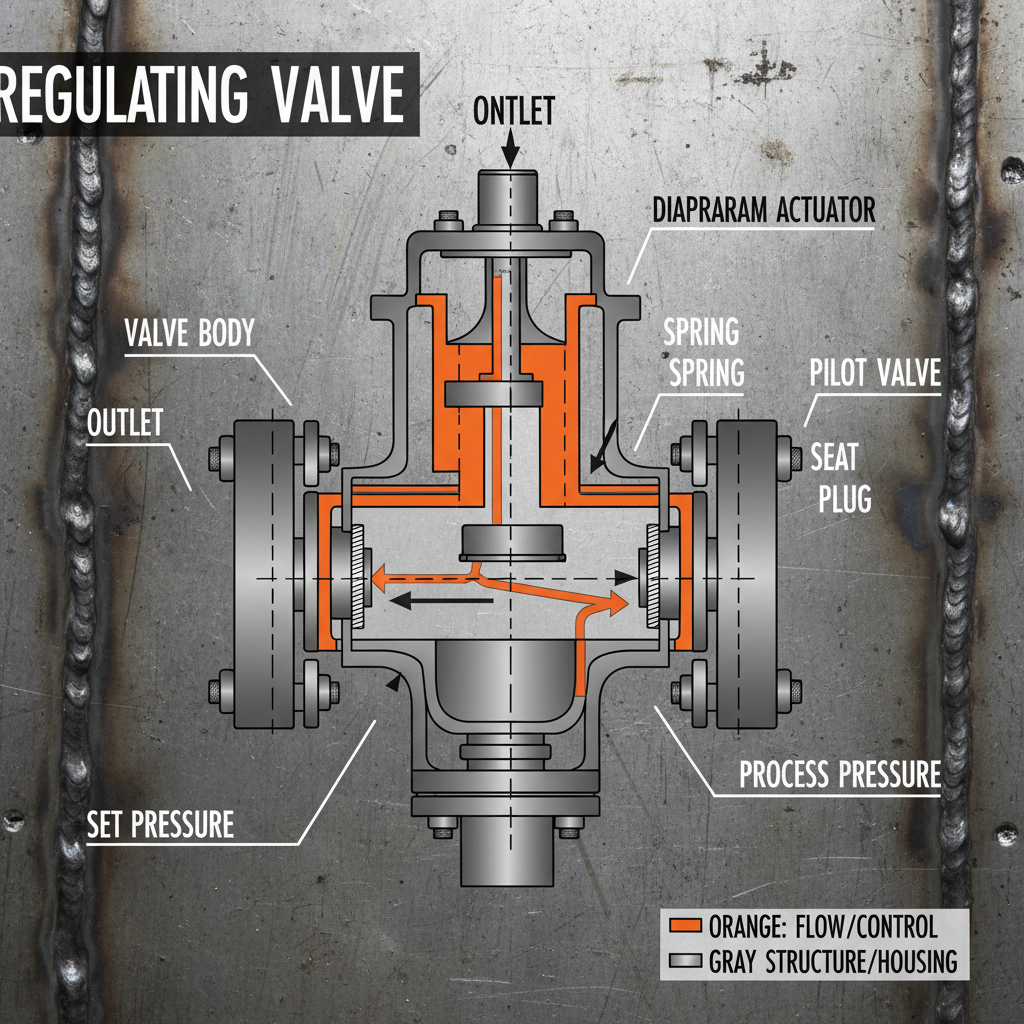
Types of Regulating Valve Mechanisms
Not all fluid systems are the same, and therefore, the regulating valve you choose must match the specific characteristics of your medium. Globe valves are widely used for precise throttling due to their design, which allows the plug to move perpendicularly to the flow. Diaphragm valves are preferred for corrosive or slurry-like fluids because the mechanism is isolated from the fluid. Additionally, Ball valves provide a quick shut-off and low pressure drop, although they are less precise for fine regulation. Selecting the right mechanism prevents cavitation and erosion, extending the life of your entire piping network.
Pro Tip: When dealing with high-pressure steam, always prioritize valves with reinforced seals and heat-resistant alloys to ensure operational longevity and worker safety.
Comparison: Manual vs. Automatic Regulating Valve Systems
Depending on the complexity of your operation, you may choose between manual adjustments or automated control. A manual regulating valve is cost-effective and reliable for systems with static demands. However, for dynamic environments where pressure fluctuates constantly, an automatic valve integrated with a PLC (Programmable Logic Controller) or a pneumatic actuator is essential. Automation reduces human error and allows for real-time response to system changes, which is vital for maintaining high-precision manufacturing standards.
Key Application Areas for the Regulating Valve
The versatility of the regulating valve allows it to be deployed across diverse sectors. In oil and gas, these valves manage the volatile pressure coming from wells to prevent pipe bursts. In pharmaceuticals, precise dosing and flow regulation are mandatory to maintain the purity and consistency of medications. Even in municipal water systems, pressure reducing valves (PRVs) ensure that residential plumbing isn't damaged by high-pressure mains. Proper application ensures not only efficiency but also compliance with international safety standards.
Technical Specifications of a Standard Regulating Valve
When sourcing a regulating valve, engineers must look at a set of core specifications to ensure the product can handle the intended load. Key factors include the Cv value (flow coefficient), which determines the valve's capacity, and the pressure rating (e.g., ANSI or DIN standards). Material selection, such as Stainless Steel 316 or Carbon Steel, is also critical to avoid corrosion. Below is a representative specification table for industrial-grade regulating valves.
Maintenance and Longevity of the Regulating Valve
To ensure that a regulating valve operates at peak efficiency, a rigorous maintenance schedule is required. The most common failure points are the seals and the valve seat, which can wear down due to friction and chemical erosion. Regular inspections for leaks and the lubrication of moving parts can prevent unplanned downtime. Furthermore, installing a strainer upstream of the valve prevents debris from entering the seat, which drastically reduces the frequency of replacement and maintains the precision of the flow control.
Maintenance Checklist:
• Monthly check for external leaks at the packing gland
• Quarterly calibration of automatic actuators
• Annual inspection of valve seat for erosion or pitting
• Cleaning of upstream filters and strainers
Conclusion: Optimizing Flow with the Right Regulating Valve
Choosing the correct regulating valve is not just about finding a part that fits a pipe; it is about optimizing the entire system for safety, efficiency, and longevity. From selecting the appropriate material to deciding between manual and automatic control, every detail impacts your bottom line. By investing in high-quality components and adhering to a strict maintenance regimen, you can ensure that your industrial processes remain stable and productive. Trust in professional engineering and high-standard hardware to secure your fluid control future.
Frequently Asked Questions (FAQs)
What is the difference between a control valve and a regulating valve?
While often used interchangeably, a regulating valve specifically refers to a valve that maintains a set pressure or flow rate regardless of fluctuations in the inlet pressure. A control valve is a broader term that encompasses any valve used to manipulate the process variable, often as part of a larger automated loop. In essence, most regulating valves are control valves, but not all control valves are designed for the specific continuous regulation tasks a regulating valve performs. Choosing the right one depends on whether you need a set-and-forget stability or a dynamic, variable control system.
How do I prevent cavitation in a regulating valve?
Cavitation occurs when the local pressure drops below the vapor pressure of the liquid, forming bubbles that then collapse violently. This can destroy a valve seat in a matter of days. To prevent this, you can use a valve with a multi-stage trim to drop the pressure gradually rather than in one large step. Additionally, ensuring that the valve is sized correctly—neither too large nor too small—helps maintain a stable pressure profile. Using materials with higher hardness or specialized coatings can also mitigate the damage if some cavitation is unavoidable in your system design.
Which material is best for a regulating valve in a corrosive environment?
For corrosive environments, Stainless Steel 316 is the industry standard due to its excellent resistance to a wide range of chemicals and oxidation. However, for more extreme conditions—such as highly acidic or salty environments—exotic alloys like Hastelloy, Monel, or Titanium may be necessary. If the fluid is highly abrasive, a hard-faced trim or a ceramic lining may be applied to the valve internals. It is always recommended to consult the chemical compatibility chart provided by your supplier at gasouyinuo.com to ensure the material will not degrade over time.
Can a regulating valve be used for both gas and liquid?
Yes, but the internal design and seal materials must be specific to the medium. Gases are compressible and can move at much higher velocities, which may lead to "choked flow" or sonic velocities within the valve. Liquids are incompressible and can cause water hammer or cavitation. Therefore, while the basic concept of a regulating valve is the same, a valve designed for gas might not provide the same precision or seal integrity when used with a high-viscosity liquid. Always specify the medium (Gas vs. Liquid) when ordering to ensure the correct trim and seat configuration.
Latest news
-
Industrial Natural Gas Pressure Reducing Valve Guide and SelectionNewsApr.16,2026
-
Understanding Gas Pressure Reducer Types Applications and Safety MeasuresNewsApr.07,2026
-
Understanding and Optimizing Gas Pressure Reducing Valve SystemsNewsApr.04,2026
-
Optimizing System Performance with the Right Filter Separator SelectionNewsMar.31,2026
-
Comprehensive Guide to Understanding and Utilizing Pressure Pipe SystemsNewsMar.28,2026