


Apr . 07, 2026 01:55
Back to list
Understanding Gas Pressure Reducer Types Applications and Safety Measures
Understanding Gas Pressure Reducers: A Comprehensive Guide
Gas pressure reducers are essential components in many industrial and commercial applications, ensuring safe and efficient gas delivery. These devices lower high-pressure gas from a source, like a cylinder or pipeline, to a lower, more usable pressure. Choosing the right gas pressure reducer is critical for optimal performance and safety. This article will provide a detailed overview of gas pressure reducers, covering their types, applications, how they work, and key considerations when selecting one. Proper gas pressure regulation is crucial for maintaining process stability and preventing equipment damage.
How Do Gas Pressure Reducers Work?
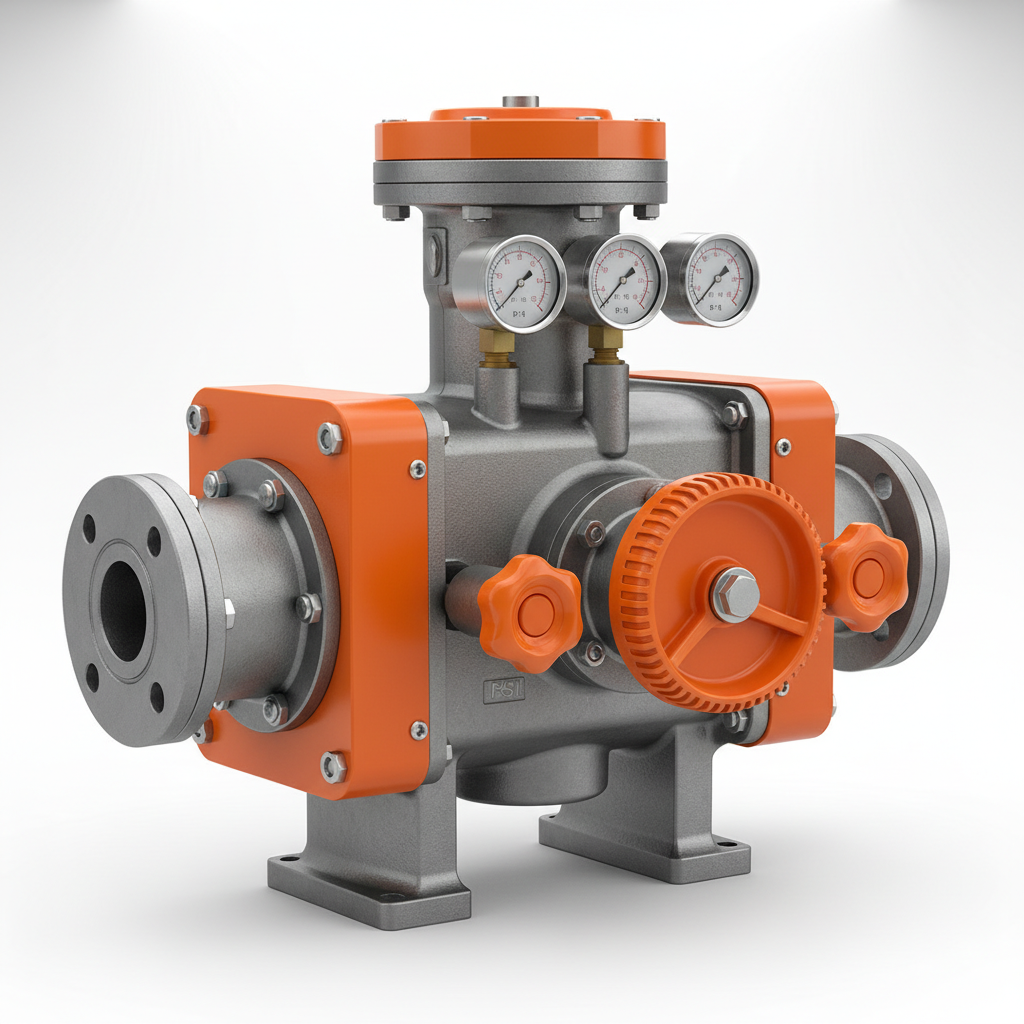
At their core, gas pressure reducers utilize a diaphragm and spring mechanism. High-pressure gas enters the reducer and pushes against the diaphragm. The spring force opposes this pressure, and the regulator adjusts to maintain a consistent outlet pressure. As downstream demand changes, the regulator dynamically adjusts the gas flow to compensate, ensuring a stable output. A critical component is the valve seat, which controls gas flow. Modern regulators often feature features like relief valves for overpressure protection and filters to remove contaminants. Understanding this fundamental principle is vital when working with gas pressure regulators.
Key Mechanism: The diaphragm and spring dynamically adjust the valve seat to maintain a constant outlet pressure, even with fluctuating downstream demand.
Types of Gas Pressure Reducers
Several types of gas pressure reducers cater to different applications and gas types. Single-stage regulators are simpler and cost-effective, suitable for applications with relatively stable inlet pressure. Two-stage regulators offer superior pressure regulation and are ideal for applications with fluctuating inlet pressure. Other types include high-pressure regulators, backpressure regulators, and specialty regulators designed for specific gases like oxygen or acetylene. The choice of regulator depends on the gas type, inlet pressure, outlet pressure requirements, and flow rate. Choosing the correct type is important to ensure the safety and effectiveness of the gas system.
Key Regulator Types:
• Single-Stage: Simple, cost-effective, stable inlet pressure
• Two-Stage: Superior regulation, fluctuating inlet pressure
• High-Pressure: For extremely high inlet pressures
• Specialty: Designed for specific gases (oxygen, acetylene, etc.)
Gas Pressure Reducer Applications
Gas pressure reducers are utilized across a broad spectrum of industries. In welding, they regulate acetylene, oxygen, and argon for precise flame control. The chemical industry employs them for controlling reactant gas flows in chemical processes. Medical applications, such as oxygen therapy, rely on accurate pressure regulation for patient safety. Laboratory research also requires precise gas delivery. Furthermore, they are integral in HVAC systems for controlling refrigerant flow and in compressed air systems for powering pneumatic tools. Finding the ideal gas pressure regulator requires understanding the specific demands of your application.
Selecting the Right Gas Pressure Reducer: Key Considerations
Choosing the appropriate gas pressure reducer requires careful consideration of several factors. First, identify the gas type; different gases require specific materials compatibility. Next, determine the inlet and outlet pressure requirements and ensure the regulator’s range accommodates these values. Flow rate is also crucial; select a regulator capable of delivering the necessary gas volume. Consider the operating temperature and environment. Finally, look for regulators that meet relevant safety standards and certifications. Gasouyinuo offers a wide range of regulators designed to meet diverse industrial needs.
Safety and Maintenance of Gas Pressure Reducers
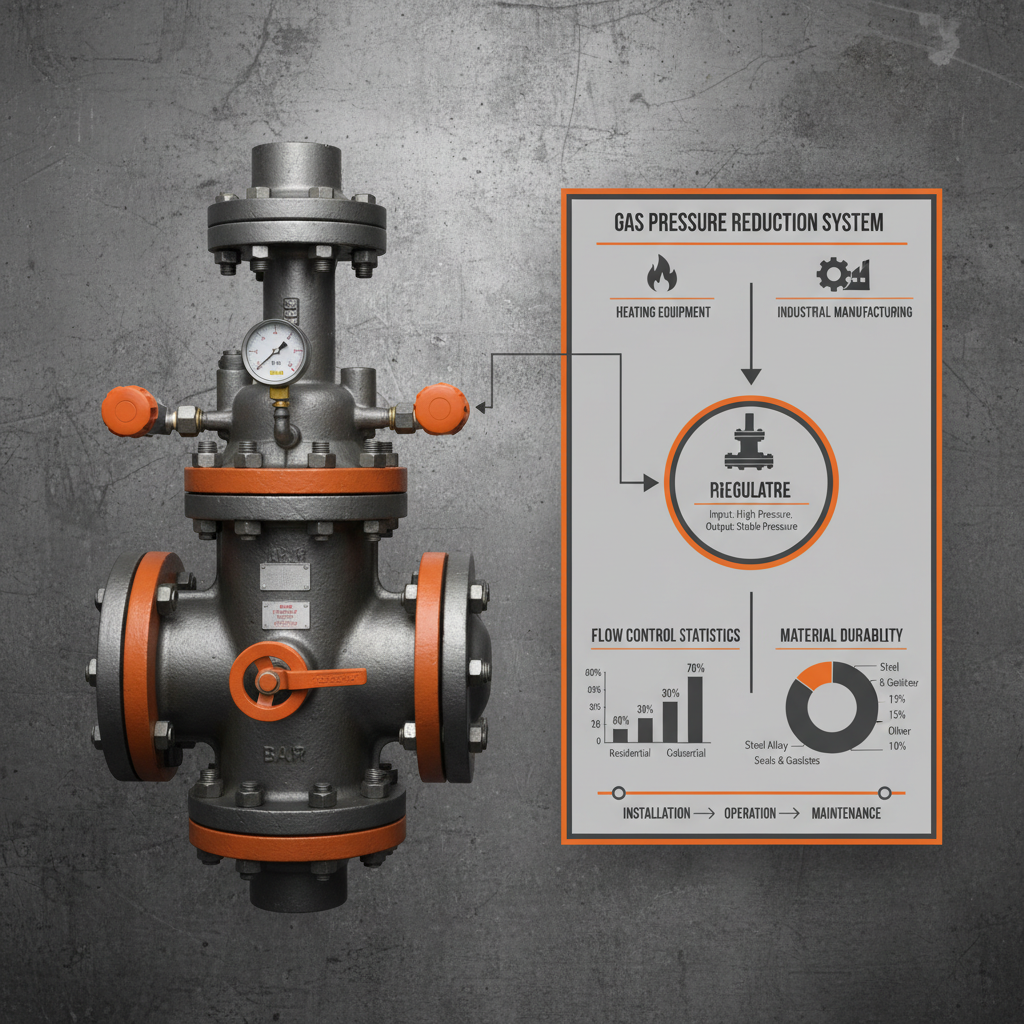
Regular maintenance is vital for safe and reliable operation. Periodically inspect regulators for leaks, damage, or wear. Clean or replace filters as needed. Never attempt to repair a regulator yourself; contact a qualified technician. Always follow the manufacturer's instructions for operation and maintenance. Store regulators in a clean, dry environment. Properly handling and maintaining your gas pressure reducer is essential for preventing accidents and ensuring long-term performance.
Conclusion: Ensuring Safe and Efficient Gas Control
Understanding gas pressure reducers, their types, and proper selection criteria is paramount for any industry utilizing compressed gases. By prioritizing safety, regular maintenance, and selecting the appropriate regulator from a reputable supplier like Gasouyinuo, you can optimize your gas systems for efficiency, reliability, and worker safety.
Frequently Asked Questions (FAQs)
What is the difference between a single-stage and two-stage gas pressure reducer?
Single-stage regulators reduce pressure in one step, making them simpler and more affordable. However, their outlet pressure can fluctuate with changes in inlet pressure. Two-stage regulators reduce pressure in two steps, providing more stable outlet pressure even with fluctuating inlet pressure. This makes them ideal for applications where consistent pressure is critical, such as precision welding or laboratory experiments. Two-stage regulators are generally more expensive but offer superior performance in demanding applications.
How often should I replace a gas pressure reducer?
The recommended replacement frequency depends on usage and the environment. Generally, regulators should be replaced every 5-10 years, or sooner if they show signs of wear, damage, or malfunction. It’s crucial to follow the manufacturer’s recommendations. Factors like exposure to corrosive gases, extreme temperatures, or frequent pressure fluctuations can shorten the regulator’s lifespan. Regular inspection and preventative maintenance can help extend its service life.
What materials are gas pressure reducers typically made from?
Gas pressure reducers are commonly constructed from materials like brass, stainless steel, and aluminum, chosen for their durability and compatibility with various gases. The internal components, such as seals and diaphragms, are often made from materials like PTFE (Teflon), Viton, or Buna-N, depending on the gas being regulated. Selecting the correct material is crucial to prevent corrosion, leaks, and ensure the regulator’s longevity.
What safety features should I look for in a gas pressure reducer?
Essential safety features include a relief valve to prevent overpressure, a filter to remove contaminants, and a robust construction to withstand high pressures. Some regulators also feature a check valve to prevent backflow. Look for regulators that comply with relevant safety standards (e.g., CGA, EN) and have undergone rigorous testing. Regular inspection of these safety features is vital to ensure continued safe operation.
Latest news
-
Industrial Natural Gas Pressure Reducing Valve Guide and SelectionNewsApr.16,2026
-
Understanding the Industrial Regulating Valve for Fluid ControlNewsApr.09,2026
-
Understanding and Optimizing Gas Pressure Reducing Valve SystemsNewsApr.04,2026
-
Optimizing System Performance with the Right Filter Separator SelectionNewsMar.31,2026
-
Comprehensive Guide to Understanding and Utilizing Pressure Pipe SystemsNewsMar.28,2026