


Apr . 16, 2026 01:55
Back to list
Industrial Natural Gas Pressure Reducing Valve Guide and Selection
Understanding the Natural Gas Pressure Reducing Valve: A Complete Guide
In the complex infrastructure of gas distribution, maintaining a steady and safe flow of energy is critical. A natural gas pressure reducing valve serves as the primary safeguard, stepping down high-pressure gas from transmission pipelines to a manageable level for industrial and residential use. Without these precise components, the risks of equipment failure and hazardous leaks would increase significantly. This guide explores how these valves operate, their critical importance in safety, and how to select the right model for your specific operational needs to ensure maximum efficiency and longevity.
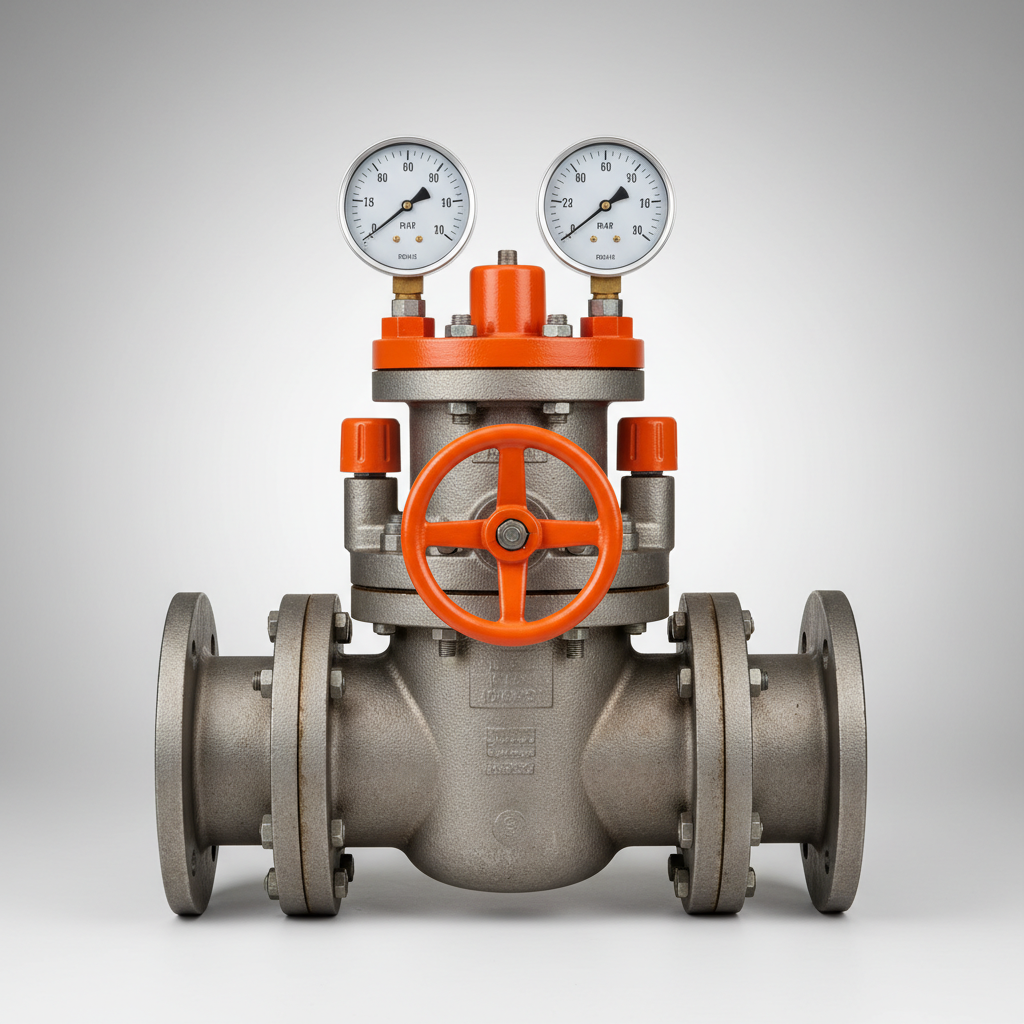
How a Natural Gas Pressure Reducing Valve Works
The fundamental purpose of a natural gas pressure reducing valve is to maintain a constant downstream pressure regardless of fluctuations in the upstream supply or changes in the flow rate. Most of these valves operate using a diaphragm or piston mechanism that reacts to the downstream pressure. When the pressure drops below a set point, the valve opens wider to allow more gas through; conversely, as pressure rises, the valve closes. This automatic regulation is essential for protecting sensitive burners and heating systems from over-pressurization, which could lead to catastrophic failures.
Pro Tip: Regular calibration of the spring tension in these valves is necessary to prevent "pressure creep," ensuring the output remains within strict safety tolerances.
Types of Natural Gas Pressure Reducing Valves
Depending on the application—whether it's a large city gate station or a small commercial kitchen—different types of natural gas pressure reducing valve designs are employed. Direct-acting valves are common for low-flow applications due to their simplicity and reliability. For larger industrial requirements, pilot-operated regulators are used because they offer much tighter pressure control and can handle massive volumes of gas without significant droop. Choosing the wrong type can lead to unstable combustion or inefficient energy utilization.
Common Valve Categories:
• Direct-Acting: Best for small scale, quick response.
• Pilot-Operated: Ideal for high precision and large flows.
• Self-Actuated: Requires no external power source.
• Electronic Control: Integrated with SCADA systems for remote monitoring.
Comparing Direct-Acting vs. Pilot-Operated Valves
When deciding which natural gas pressure reducing valve to install, engineers often weigh the trade-off between simplicity and precision. Direct-acting valves are praised for their low maintenance and cost-effectiveness, but they struggle with high-pressure drops. Pilot-operated valves, while more complex, utilize a smaller "pilot" valve to control the main diaphragm, allowing for extremely stable output even when the inlet pressure varies wildly. This comparison is vital for ensuring system stability across different load conditions.
Key Industrial Applications of Gas Regulators
The application of a natural gas pressure reducing valve spans multiple sectors. In industrial manufacturing, these valves ensure that furnaces and boilers receive gas at a precise pressure to maintain consistent temperature profiles. In residential distribution, they are used at the meter set to reduce street-main pressure to a level safe for home appliances. Additionally, in the energy sector, they are critical for CNG (Compressed Natural Gas) refueling stations where high-pressure storage must be stepped down for vehicle intake. Reliable regulation prevents waste and ensures the longevity of downstream equipment.
Technical Specifications for a Natural Gas Pressure Reducing Valve
When sourcing a natural gas pressure reducing valve, it is essential to review the technical datasheet. Key parameters include the maximum inlet pressure, the adjustable outlet range, and the flow coefficient (Cv), which determines the valve's capacity. Materials such as forged steel or stainless steel are preferred for their corrosion resistance and ability to withstand high-pressure environments. Below is a typical specification table for a standard industrial-grade regulator.
Maintenance and Safety Tips for Long-Term Operation
To ensure the longevity of your natural gas pressure reducing valve, a proactive maintenance schedule is non-negotiable. Debris in the gas stream can lodge in the valve seat, causing "leak-through" where gas continues to flow even when the valve should be closed. Installing a gas filter upstream is the most effective way to prevent this. Furthermore, technicians should check the diaphragm for elasticity and wear, as a ruptured diaphragm can lead to uncontrolled pressure surges. Regular leak testing using soap solution or electronic detectors is critical for maintaining a safe working environment.
Conclusion: Optimizing Flow with the Right Valve
Selecting the appropriate natural gas pressure reducing valve is more than just a procurement choice; it is a critical safety decision. From choosing between direct-acting and pilot-operated designs to ensuring material compatibility with the gas composition, every detail matters. By focusing on high-quality specifications and rigorous maintenance, operators can ensure a stable energy supply and protect their infrastructure from costly failures. Trust in professional engineering and certified components to keep your gas systems running efficiently and safely.
Frequently Asked Questions (FAQs)
What happens if a natural gas pressure reducing valve fails?
If a valve fails "open," the downstream equipment may be exposed to high pressure, potentially causing pipe bursts or appliance explosions. If it fails "closed," the gas supply is cut off, leading to operational downtime. To prevent this, most industrial installations include a Slam-Shut Valve (SSV) or a relief valve that triggers automatically if the pressure exceeds a safe threshold. Regular inspections of the valve's internal seals and diaphragms can drastically reduce the probability of such failures.
How often should I calibrate my pressure reducing valve?
While it depends on the flow volume and the stability of the source pressure, a general industry standard is to perform a comprehensive check every 6 to 12 months. High-demand industrial systems may require quarterly checks. Calibration involves verifying the set-point pressure using a certified manometer and adjusting the spring tension to ensure the valve reacts correctly to flow changes. This ensures energy efficiency and prevents the wear and tear caused by pressure fluctuations.
Can I use the same valve for natural gas and LPG?
Not necessarily. While the mechanical principle of a natural gas pressure reducing valve is similar to an LPG regulator, the elastomers and seals must be chemically compatible with the specific gas. LPG can be more aggressive toward certain types of rubber and plastics used in natural gas valves. Always verify that the valve's O-rings and diaphragms are rated for the specific gas medium you are using to avoid leaks and premature seal degradation.
What is "lock-up pressure" in gas regulators?
Lock-up pressure is the pressure reached downstream when the flow stops completely (e.g., all burners are turned off). A high-quality valve should "lock up" very close to its set-point pressure. If the lock-up pressure is significantly higher than the set-point, it indicates a leak in the valve seat or a failing diaphragm. This "creep" can be dangerous if the downstream piping is not rated for higher pressures, making it a critical metric during the commissioning of any gas system.
Latest news
-
Understanding the Industrial Regulating Valve for Fluid ControlNewsApr.09,2026
-
Understanding Gas Pressure Reducer Types Applications and Safety MeasuresNewsApr.07,2026
-
Understanding and Optimizing Gas Pressure Reducing Valve SystemsNewsApr.04,2026
-
Optimizing System Performance with the Right Filter Separator SelectionNewsMar.31,2026
-
Comprehensive Guide to Understanding and Utilizing Pressure Pipe SystemsNewsMar.28,2026