


Sep . 12, 2025 08:00
Back to list
Advanced Commercial Regulator: Gas Safety Valves & Distribution
Industry Trends & The Critical Role of Gas Pressure Regulation
In the rapidly evolving landscape of industrial gas management, the demand for precise, reliable, and safe gas pressure regulation equipment is more critical than ever. The global natural gas infrastructure, for instance, continues its expansion, driving innovation in components like the commercial regulator. Market analyses indicate a steady growth in the industrial gas regulator segment, projected to reach over $15 billion by 2027, propelled by increasing energy consumption, stringent safety regulations, and the need for operational efficiency across sectors such as petrochemicals, power generation, and metallurgy. The integration of advanced materials, smart monitoring capabilities, and enhanced safety features are key trends defining this sector, pushing manufacturers to deliver solutions that are not only robust but also highly adaptable to dynamic operating conditions.
Modern gas systems demand regulators capable of handling wide pressure differentials with exceptional stability, ensuring the safe and efficient delivery of various gases. This includes specialized components like the natural gas safety valve and robust solutions for complex installations such as a natural gas distribution station. The emphasis is increasingly on solutions that offer longevity, minimal maintenance, and superior performance under extreme conditions, reducing downtime and operational costs for B2B stakeholders. Innovations also extend to sophisticated control elements like the electric regulating valve, which offers advanced, automated pressure management capabilities, though distinct in operation from mechanical pressure regulators.
The Advanced Manufacturing Process of a Commercial Regulator
The production of a high-performance gas pressure regulator, such as the RTJ2- / DKQ series, involves a meticulous multi-stage manufacturing process designed to ensure unparalleled precision, durability, and safety. Each stage is critical, from raw material selection to final assembly and testing, adhering strictly to international standards like ISO 9001 and ANSI B16.34.
- Material Selection & Preparation: High-grade materials are chosen for their specific properties to withstand high pressures, varied temperatures, and chemical exposure. For critical components exposed to natural gas, forged steel (e.g., ASTM A105, A350 LF2) or stainless steel (e.g., SS304, SS316) is often preferred for its exceptional strength and corrosion resistance. Elastomeric components, such as diaphragms and O-rings, are selected from specialized HNBR or FKM compounds, ensuring long-term flexibility and chemical compatibility with various gas compositions.
- Casting/Forging & CNC Machining: Body and bonnet components are typically produced via precision casting or hot forging to achieve superior metallurgical integrity and reduce internal stresses. This foundation is crucial for structural robustness. This is followed by advanced CNC machining, where intricate internal geometries and critical sealing surfaces are brought to exact tolerances, typically within ±0.01mm. This precision is vital for the regulator's responsiveness, leak-tightness, and overall flow characteristics.
- Component Assembly: In a controlled cleanroom environment, skilled technicians meticulously assemble the diaphragm, springs, valve seat, and other internal mechanisms. Careful attention is paid to torque specifications and alignment to ensure optimal performance. The integration of advanced sealing technologies is key to minimizing fugitive emissions and enhancing overall system integrity.
- Testing & Calibration: Every single unit undergoes rigorous testing, far exceeding standard requirements. This includes hydrostatic pressure testing (e.g., 1.5 times the maximum allowable working pressure per ASME B16.34), pneumatic seat leakage tests (e.g., to ANSI/FCI 70-2 Class VI standards), and functional performance tests across the entire flow range. Calibration is performed to ensure the outlet pressure remains within specified narrow bands (e.g., Accuracy Class AC10, Lock-up Pressure SG20), even with fluctuating inlet pressures and varying flow rates. Our products boast a design service life of over 20 years under typical operating conditions.
- Surface Treatment & Finishing: Components may undergo specialized surface treatments, such as phosphating or epoxy coating, to enhance corrosion resistance, particularly for outdoor or harsh industrial environments. Final inspection checks for aesthetics, marking, and secure packaging.
This rigorous process ensures that each RTJ2-DKQ series unit is delivered with the highest quality, ready for demanding applications in target industries such as petrochemical, metallurgy, power generation, and urban gas distribution, where energy saving and corrosion resistance are paramount.
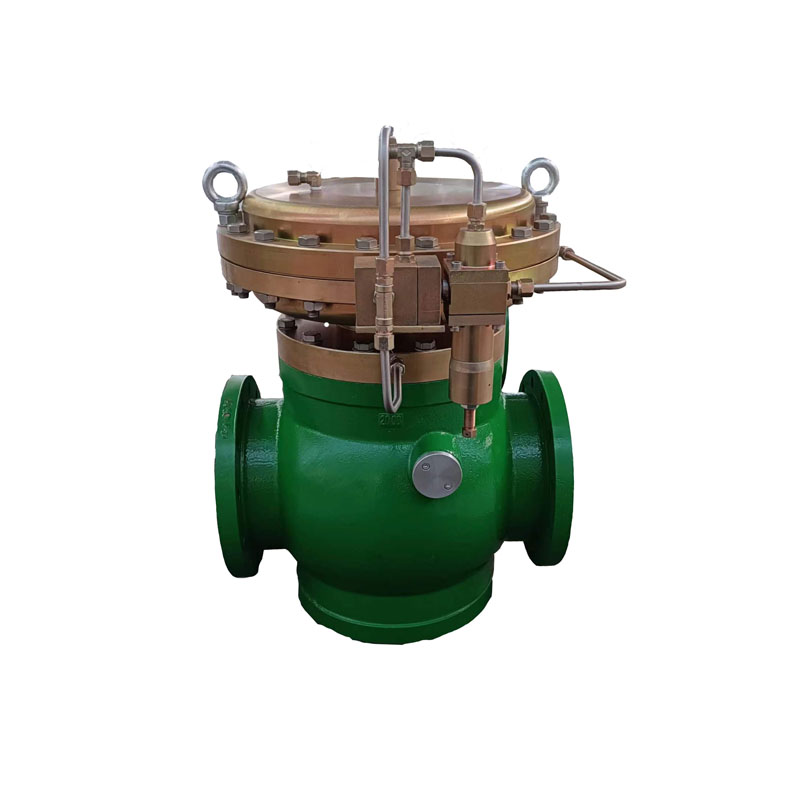
Precision engineering for a reliable commercial regulator.
Technical Specifications: RTJ2- / DKQ Series Gas Pressure Regulator
The RTJ2- / DKQ series represents a pinnacle in gas pressure regulation technology, engineered for high-accuracy and robust performance in critical industrial applications. These regulators are designed to manage various non-corrosive gases, primarily natural gas, ensuring stable outlet pressure despite fluctuations in upstream conditions.
The RTJ2- / DKQ series leverages an advanced pilot-operated design, which significantly enhances its sensitivity and control accuracy, particularly at high flow rates and across wide turndown ratios. This design minimizes the droop effect (the tendency of outlet pressure to fall as flow increases), maintaining a consistent outlet pressure even when demand changes significantly. Furthermore, its modular construction facilitates easier maintenance and component replacement, thereby extending the overall service life and reducing total cost of ownership (TCO) for industrial and utility clients.
Application Scenarios for Commercial Regulator Units
The versatility and reliability of gas pressure regulators make them indispensable across a broad spectrum of industrial and utility applications. Their primary function is to step down and stabilize high-pressure gas from transmission lines or storage facilities to a safe and usable pressure for end-users or downstream equipment.
- Natural Gas Distribution Stations: At the heart of urban gas networks, these regulators are crucial for reducing pipeline pressure from hundreds of PSI to levels suitable for residential, commercial, and industrial consumers. They often work in conjunction with natural gas safety valve systems, including main line safety shut-off valves and gas safety relief valve units, to prevent overpressure events and ensure system integrity.
- Industrial Boiler & Furnace Fuel Supply: Maintaining a consistent gas pressure to industrial boilers, furnaces, and ovens is vital for optimal combustion efficiency, energy saving, and emissions control. Fluctuations can lead to incomplete combustion, increased fuel consumption, and significant safety hazards.
- Petrochemical Plants & Refineries: In processes requiring precise gas feedstock pressures for reactors, burners, and instrumentation, these regulators provide the necessary stability. Corrosion resistance is particularly critical due to the presence of various process gases and harsh operating conditions.
- Power Generation Facilities: Gas-fired power plants rely on dependable and stable gas supply at specific pressures for gas turbines and auxiliary systems. The robust design of the RTJ2- / DKQ series ensures uninterrupted operation, which is critical for continuous power generation.
- Commercial & Large Institutional Buildings: For large-scale heating, ventilation, and air conditioning (HVAC) systems, as well as industrial kitchens and laundries, precise gas pressure is essential for efficient, safe, and cost-effective operation.
- Specialty Gas Applications: While primarily for natural gas, variants of these robust regulators can be adapted for other non-corrosive industrial gases in manufacturing processes, such as nitrogen or argon blanketing, where precise pressure control is paramount.
The adaptability of the RTJ2- / DKQ series allows it to be integrated seamlessly into complex gas systems, providing reliable control from primary regulation at city gates to final point-of-use regulation within a facility.
Technical Advantages and Performance Excellence
The RTJ2- / DKQ series of gas pressure regulators stands out due to several distinct technical advantages that directly translate into operational benefits for industrial users:
- Superior Outlet Pressure Stability: Employing a highly sensitive pilot control system, these regulators maintain outlet pressure within extremely tight tolerances (Accuracy Class AC10) even with significant fluctuations in inlet pressure or varying downstream demand. This precision is crucial for process consistency, protecting sensitive downstream equipment, and optimizing energy utilization.
- Enhanced Safety Features: Designed with inherent safety in mind, the series often integrates or is compatible with a gas safety relief valve and Overpressure Shut-Off (OPSO) devices, providing crucial multi-level overpressure protection. The robust construction and high-quality sealing minimize the risk of gas leaks, enhancing overall site safety and compliance with environmental regulations.
- Exceptional Durability and Corrosion Resistance: Manufactured from materials like high-grade forged steel or stainless steel and with optional specialized coatings, these regulators offer extended service life in harsh industrial environments. They effectively resist corrosion from moisture, H2S, and other gas impurities, which significantly reduces replacement frequency and maintenance costs, even in demanding conditions.
- High Flow Capacity & Low Pressure Drop: Optimized internal flow paths, achieved through advanced computational fluid dynamics (CFD) analysis during design, ensure high capacity with minimal pressure drop across the regulator. This maximizes efficiency, minimizes energy loss in the gas distribution system, and allows for smaller line sizes in some applications.
- Low Maintenance Requirement: The robust design, selection of high-quality, wear-resistant components, and self-cleaning internal mechanisms contribute to a significantly lower maintenance burden compared to conventional direct-acting regulators, ensuring maximum uptime and reducing operational expenditures.
- Versatile Sizing and Configuration: Available in a wide range of nominal diameters (DN50-DN200) and pressure ratings, the RTJ2- / DKQ series can be precisely configured to meet the specific demands of diverse applications, from high-volume city gate stations to industrial end-use points. This modularity ensures optimal performance for each unique installation.
These advantages underscore our commitment to delivering gas regulation solutions that are not only performant but also contribute significantly to the long-term operational efficiency, safety, and profitability of our clients' infrastructure.
Vendor Comparison: Evaluating Commercial Regulator Options
When selecting a gas pressure regulator, B2B decision-makers often face a complex landscape of vendors offering various technologies. It's crucial to evaluate providers not just on upfront cost, but on a holistic view of product quality, technical support, customization capabilities, and long-term reliability. Below is a comparative overview highlighting key differentiators against representative competitors.
While some competitors might offer lower upfront costs or highly specialized (and expensive) niche products, the RTJ2- / DKQ series provides a robust balance of performance, safety, and durability, often resulting in a lower Total Cost of Ownership (TCO) over its extended service life. Consideration of post-sales support and the ability to provide customized solutions, as detailed next, further differentiates leading providers. This comparison does not directly include electric regulating valve systems, which serve a different function, primarily active control based on electronic signals rather than passive mechanical pressure reduction.
Customized Solutions & Application Case Studies
Tailored Solutions for Unique Industrial Demands
Recognizing that every industrial application has unique requirements, our approach to providing gas pressure regulators extends beyond standard off-the-shelf products. We specialize in developing customized solutions to precisely meet specific operational parameters, material compatibility needs, and integration challenges. This bespoke engineering ensures optimal performance and seamless integration into existing or new infrastructure. Customization options include:
- Specific Pressure & Flow Requirements: Fine-tuning spring ranges, pilot set points, and valve trim sizes to achieve exact outlet pressures and flow capacities, particularly for non-standard inlet conditions or unusually wide turndown ratio requirements.
- Material Modifications: Selecting specialized body materials (e.g., Duplex Stainless Steel for aggressive chloride environments), diaphragm materials (e.g., Kalrez for high-temperature chemical resistance), or internal components to ensure compatibility with unique gas compositions (e.g., sour gas, high CO2 content) or extreme operating temperatures.
- Integration with Control Systems: Incorporating pressure transducers, remote shut-off capabilities, telemetry modules, or advanced diagnostic ports for seamless integration with SCADA systems or distributed control systems (DCS), enabling remote monitoring and control.
- Environmental Adaptations: Designing regulators with enhanced winterization packages, anti-vibration mounts, specialized coatings, or full enclosure systems for challenging environments such as offshore platforms, desert installations, or seismic zones.
Real-World Application Case Studies
Our track record includes successful deployments across various challenging environments, showcasing the adaptability and robust performance of our solutions:
-
Case Study 1: Urban Gas Gate Station Modernization
A major metropolitan gas utility faced issues with aging regulators at a primary city gate station, leading to inconsistent pressure delivery and increased maintenance overhead. We deployed customized RTJ2-DN150 DKQ units designed for high turndown ratios (100:1) and integrated Overpressure Shut-Off (OPSO) functionality, alongside a dedicated gas safety relief valve. The result was a 20% improvement in outlet pressure stability, a 30% reduction in unplanned maintenance events, and enhanced safety compliance, validating a service life far exceeding previous installations. Customer feedback highlighted the ease of installation and significant reduction in operational interventions. -
Case Study 2: Industrial Furnace Fuel Gas Control
A leading steel manufacturer required ultra-precise natural gas pressure for their annealing furnaces to ensure product quality and optimize fuel consumption. Standard regulators introduced unacceptable pressure fluctuations, impacting product consistency. We engineered a specialized RTJ2-DN80 DKQ system with enhanced pilot sensitivity and a proprietary dampening mechanism. This solution achieved an accuracy class of AC5, reducing gas consumption by 7% due to optimized combustion and eliminating product rejects caused by inconsistent heat profiles, demonstrating a clear return on investment. -
Case Study 3: Remote Pipeline Off-take Station
For a remote natural gas distribution station in a challenging desert climate, extreme temperature swings and minimal site access demanded an exceptionally robust and reliable regulator. We provided RTJ2-DN100 DKQ regulators constructed from specialized low-temperature forged steel, equipped with a weatherproof enclosure, and remote monitoring capabilities for unmanned operation. These units have operated flawlessly for over five years, enduring extreme conditions without manual intervention, a testament to their inherent resilience and design integrity, minimizing the need for costly field visits.
These cases demonstrate our commitment to not just supplying products, but delivering complete, reliable gas regulation solutions tailored to each client's unique operational demands, enhancing both performance and safety.
Authoritativeness & Trustworthiness: Our Commitment
Certifications & Quality Assurance
Our products, including the RTJ2- / DKQ series commercial regulator, are manufactured under stringent quality management systems. We hold ISO 9001:2015 certification, underscoring our adherence to international quality standards in design, production, installation, and service. Our regulators also comply with relevant European Pressure Equipment Directive (PED) 2014/68/EU and North American standards such as ANSI/ASME B16.34. Regular third-party audits and rigorous internal quality checks ensure continuous compliance and improvement. With over 15 years of dedicated service in the industrial gas sector, our extensive experience translates directly into product reliability and sustained customer satisfaction, fostering long-term partnerships.
Frequently Asked Questions (FAQ)
- Q: What is the typical service life of an RTJ2-DKQ series regulator?
- A: With proper installation, adherence to operating parameters, and routine preventive maintenance, the RTJ2-DKQ series is designed for a robust service life exceeding 20 years under normal operating conditions. Our robust material selection and meticulous manufacturing processes contribute to this exceptional longevity and reliability.
- Q: Can these regulators handle sour gas applications?
- A: Standard RTJ2-DKQ regulators are designed for non-corrosive gases. For sour gas applications (e.g., high H2S content), we offer specialized configurations with materials compliant with NACE MR0175/ISO 15156 standards (e.g., SS316L, specific elastomers, and hardened components). Please consult our technical sales team for tailored solutions and material recommendations for corrosive environments.
- Q: What kind of maintenance is required for these regulators?
- A: Our regulators are designed for minimal maintenance to ensure maximum uptime. Routine checks typically involve visual inspections for external leaks, verifying pressure settings with calibrated gauges, and occasional cleaning or replacement of upstream filters. Diaphragm and seat kits are available for periodic replacement, generally recommended every 5-7 years depending on the severity of service conditions, to ensure sustained optimal performance and extend the overall service life of the unit.
Lead Time, Warranty, & Customer Support
- Lead Time & Fulfillment: Standard RTJ2-DKQ series regulators typically have a lead time of 4-8 weeks from order confirmation, depending on configuration and current order volume. Expedited manufacturing and shipping options are available for urgent requirements, subject to project specifics. Custom solutions will have project-specific lead times communicated transparently during the quotation and engineering phases. We maintain robust supply chains and efficient production processes to ensure timely delivery.
- Warranty Commitment: All our RTJ2-DKQ gas pressure regulator units are backed by a comprehensive 12-month warranty from the date of commissioning or 18 months from shipment, whichever comes first. This warranty covers manufacturing defects and material failures under normal operating conditions. Extended warranty options and service contracts are also available for enhanced peace of mind.
- Customer Support: Our dedicated technical support team is available 24/7 for troubleshooting, technical assistance, and efficient parts identification. We offer extensive post-sales support, including on-site commissioning assistance, comprehensive training programs for client personnel, and leverage a global network of certified service partners to ensure prompt and efficient after-sales service, minimizing downtime and maximizing operational continuity.
Conclusion: The Enduring Value of a High-Quality Commercial Regulator
The selection of a high-quality commercial regulator is a foundational decision for any industrial or utility operation relying on natural gas or other process gases. The RTJ2- / DKQ series exemplifies engineering excellence, combining precision, durability, and advanced safety features to deliver reliable and efficient gas pressure regulation. By investing in such proven technology, businesses can significantly enhance operational safety, optimize energy consumption, reduce maintenance costs, and ensure consistent process quality, thereby contributing to higher profitability and sustainability. Our unwavering commitment to rigorous manufacturing standards, comprehensive testing, and responsive customer support ensures that our regulators are not just components but long-term assets, meticulously designed to contribute to the success and resilience of your critical operations.
References
- International Organization for Standardization (ISO). (n.d.). ISO 9001:2015 Quality management systems — Requirements. Retrieved from iso.org
- American National Standards Institute (ANSI) & Fluid Controls Institute (FCI). (2006). ANSI/FCI 70-2-2006 Control Valve Seat Leakage. Retrieved from flowcontrolnetwork.com
- American Society of Mechanical Engineers (ASME). (2017). ASME B16.34 Valves—Flanged, Threaded, and Welding End. Retrieved from asme.org
- European Parliament and Council. (2014). Directive 2014/68/EU on the harmonisation of the laws of the Member States relating to the making available on the market of pressure equipment. Retrieved from eur-lex.europa.eu
- National Association of Corrosion Engineers (NACE). (2017). NACE MR0175/ISO 15156: Petroleum and natural gas industries—Materials for use in H2S-containing environments in oil and gas production. Retrieved from nace.org
Latest news
-
Industrial Natural Gas Pressure Reducing Valve Guide and SelectionNewsApr.16,2026
-
Understanding the Industrial Regulating Valve for Fluid ControlNewsApr.09,2026
-
Understanding Gas Pressure Reducer Types Applications and Safety MeasuresNewsApr.07,2026
-
Understanding and Optimizing Gas Pressure Reducing Valve SystemsNewsApr.04,2026
-
Optimizing System Performance with the Right Filter Separator SelectionNewsMar.31,2026
-
Comprehensive Guide to Understanding and Utilizing Pressure Pipe SystemsNewsMar.28,2026