


Mar . 28, 2026 01:55
Back to list
Comprehensive Guide to Understanding and Utilizing Pressure Pipe Systems
Understanding Pressure Pipe: A Comprehensive Guide
Pressure pipe is a critical component in numerous industries, facilitating the safe and efficient transportation of fluids and gases. From oil and gas pipelines to municipal water systems, the reliability of these pipes is paramount. This article provides a detailed overview of pressure pipes, covering their types, materials, applications, and considerations for selection and installation. Choosing the right pressure pipe is essential for ensuring long-term performance and safety.
Types of Pressure Pipe
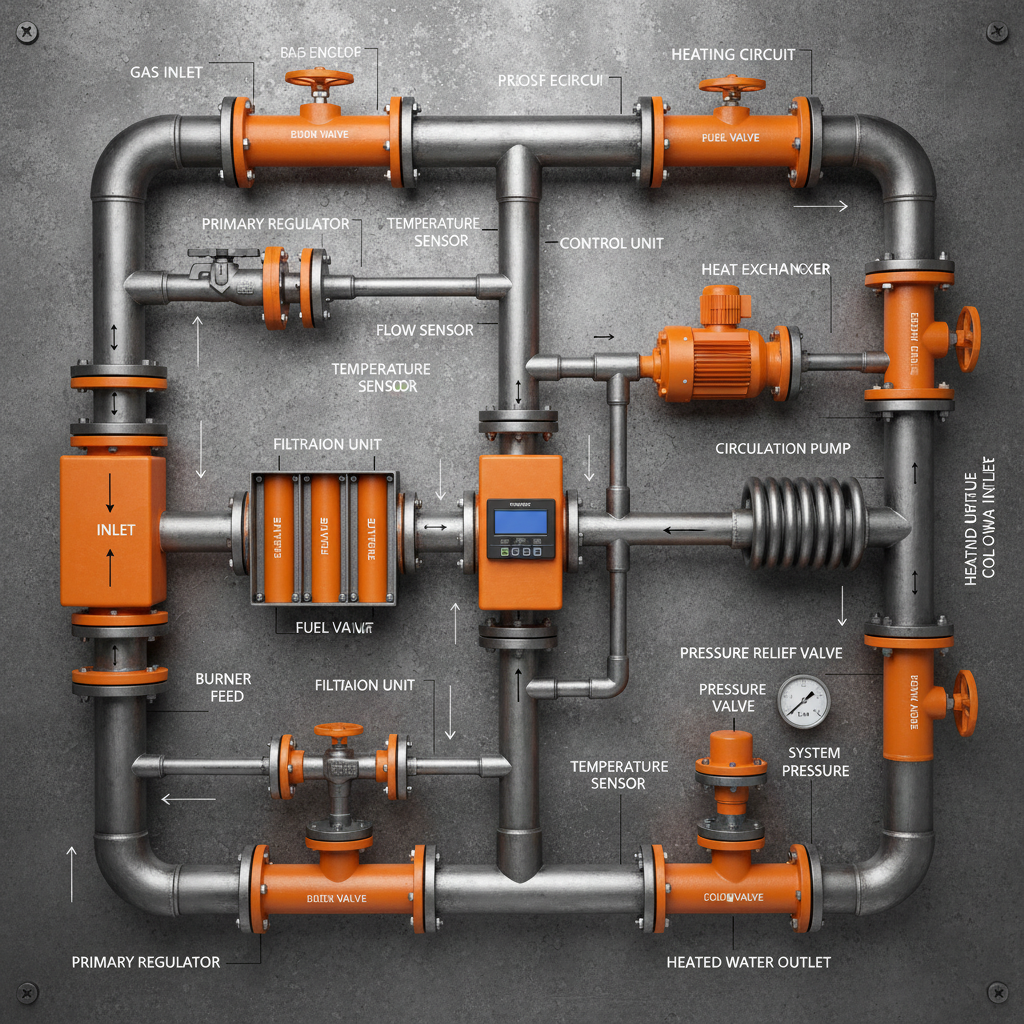
Pressure pipe comes in various types, each suited to specific applications and pressure requirements. Common types include steel pipe (carbon steel, stainless steel), ductile iron pipe, PVC pipe, and polyethylene (PE) pipe. Steel pipe is known for its high strength and durability, making it ideal for high-pressure applications. Ductile iron provides a good balance of strength and corrosion resistance. PVC and PE pipes are lightweight and cost-effective, suitable for lower-pressure applications and corrosive environments. Understanding the characteristics of each type is crucial for making the right selection.
Key Considerations: Selecting the appropriate type of pressure pipe depends on factors such as operating pressure, fluid type, temperature, and environmental conditions.
Materials Used in Pressure Pipe Construction
The material of a pressure pipe significantly impacts its performance and lifespan. Steel pipes are often coated with protective layers like epoxy or polyethylene to enhance corrosion resistance. Ductile iron pipes benefit from internal and external coatings to prevent rust and maintain water quality. PVC and PE pipes, being inherently corrosion-resistant, require minimal additional treatment. The choice of material must consider the fluid being transported; for example, stainless steel is preferred for highly corrosive fluids.
Material Benefits:
• Steel: High strength, durability, suitable for high pressure.
• Ductile Iron: Good strength and corrosion resistance.
• PVC/PE: Lightweight, cost-effective, corrosion-resistant.
Pressure Pipe Applications
Pressure pipes find widespread use across diverse industries. In the oil and gas sector, they transport crude oil, natural gas, and refined products. Municipal water systems rely on pressure pipes for delivering potable water and managing wastewater. Power plants utilize them for steam and cooling water systems. Chemical processing facilities employ specialized pressure pipes for handling corrosive chemicals. Agricultural irrigation systems also benefit from robust pressure pipe solutions.
Key Considerations When Selecting Pressure Pipe
Selecting the right pressure pipe requires careful consideration of several factors. Operating pressure and temperature are critical, as exceeding the pipe's limits can lead to failure. Fluid compatibility is also essential; the pipe material must be resistant to corrosion or degradation from the transported fluid. Installation methods and long-term maintenance requirements should also be factored into the decision-making process. Consulting with experienced engineers and suppliers is highly recommended. Gasou Yinuo can provide expert guidance.
Standards and Regulations for Pressure Pipe
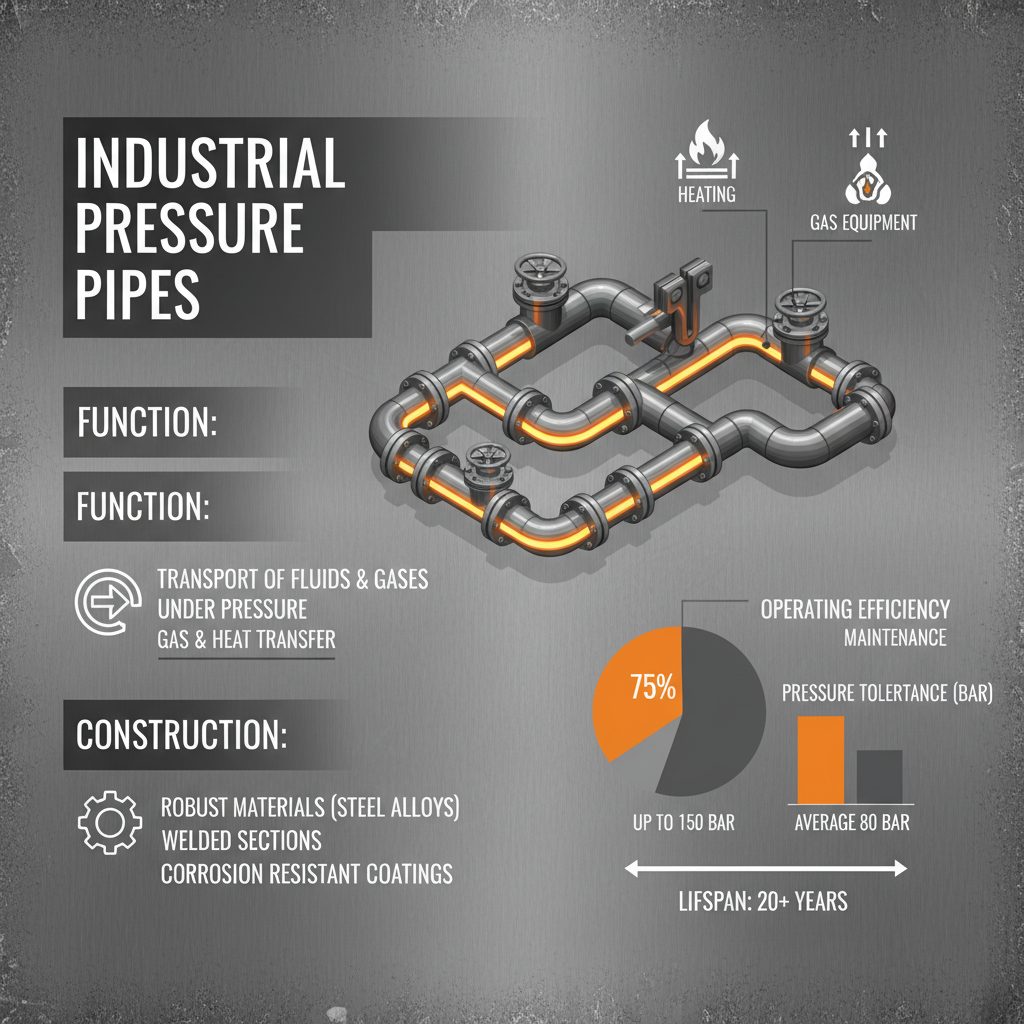
Pressure pipe is subject to stringent industry standards and regulations to ensure safety and reliability. Organizations like ASTM International and ANSI develop standards for materials, manufacturing processes, and testing procedures. Compliance with these standards is essential for ensuring the pipe's ability to withstand operating conditions and prevent failures. Local and national regulations also govern the installation and operation of pressure pipelines.
Conclusion: Investing in Quality Pressure Pipe
Choosing the correct pressure pipe is a critical investment in the long-term safety and efficiency of any fluid or gas transportation system. Understanding the different types, materials, applications, and relevant standards is paramount. By prioritizing quality and compliance, you can ensure reliable performance and minimize the risk of costly failures.
Frequently Asked Questions (FAQs)
What is the maximum operating pressure for PVC pressure pipe?
The maximum operating pressure for PVC pressure pipe varies depending on the pipe's schedule (thickness) and diameter. Generally, PVC pipe is suitable for pressures up to 200 PSI, but higher pressure ratings are available for specific schedules. It’s crucial to consult the manufacturer’s specifications and adhere to relevant industry standards to determine the safe operating pressure for a given PVC pipe. Factors like temperature and the fluid being transported also impact the pressure rating.
How do I prevent corrosion in steel pressure pipe?
Corrosion in steel pressure pipe can be prevented through several methods. Applying protective coatings, such as epoxy or polyethylene, is a common practice. Cathodic protection, which uses an electrical current to inhibit corrosion, is another effective technique. Proper material selection, considering the fluid being transported, is also vital. Regular inspection and maintenance, including the removal of corrosion products, can extend the pipe’s lifespan.
What are the advantages of using polyethylene (PE) pressure pipe?
Polyethylene (PE) pressure pipe offers several advantages, including excellent corrosion resistance, lightweight construction, and flexibility. It’s easy to install, requiring fewer fittings and reducing labor costs. PE pipe is also highly durable and resistant to cracking, making it suitable for demanding applications. Its flexibility allows for some ground movement without compromising the pipeline’s integrity.
What is the importance of pressure testing after pressure pipe installation?
Pressure testing is crucial after pressure pipe installation to verify the integrity of the pipeline and ensure it can safely withstand operating pressures. It identifies any leaks or weaknesses in the system before it is put into service. The test involves pressurizing the pipe with water or air to a specified level and monitoring for pressure drops. Proper pressure testing is a vital safety measure and often required by regulatory codes.
Latest news
-
Industrial Natural Gas Pressure Reducing Valve Guide and SelectionNewsApr.16,2026
-
Understanding the Industrial Regulating Valve for Fluid ControlNewsApr.09,2026
-
Understanding Gas Pressure Reducer Types Applications and Safety MeasuresNewsApr.07,2026
-
Understanding and Optimizing Gas Pressure Reducing Valve SystemsNewsApr.04,2026
-
Optimizing System Performance with the Right Filter Separator SelectionNewsMar.31,2026