


Apr . 04, 2026 01:55
Back to list
Understanding and Optimizing Gas Pressure Reducing Valve Systems
Understanding Gas Pressure Reducing Valves
Gas pressure reducing valves are essential components in numerous industrial and commercial applications, ensuring safe and efficient gas distribution. These valves automatically reduce a high inlet pressure to a lower, more manageable outlet pressure, protecting downstream equipment and ensuring consistent performance. Gasou Yinuo specializes in providing high-quality, reliable gas pressure reducing valves designed to meet diverse industry needs. Understanding these valves and their applications is crucial for optimizing gas systems and maintaining safety standards.
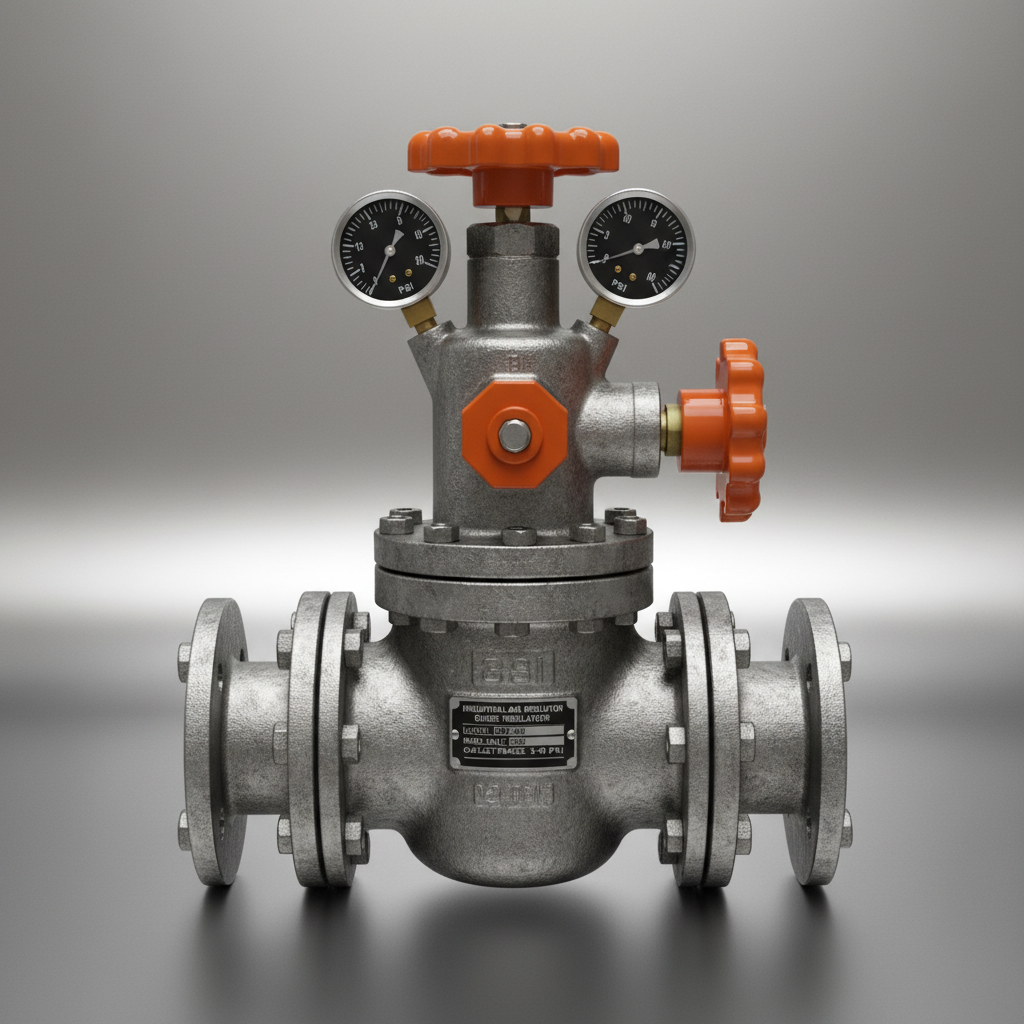
How Do Gas Pressure Reducing Valves Work?
At their core, gas pressure reducing valves operate on a simple principle: balancing forces. A diaphragm within the valve senses the downstream pressure. As the downstream pressure increases, it exerts a force on the diaphragm, which in turn restricts the gas flow. Conversely, if the downstream pressure drops, the diaphragm opens the valve further, allowing more gas to flow. This self-regulating mechanism maintains a consistent outlet pressure, regardless of fluctuations in the inlet pressure or downstream demand. Modern valves often incorporate features like balanced valves to account for changes in inlet pressure and ensure consistent performance. A properly functioning gas pressure reducing valve is critical for system stability and safety.
Key Mechanism: The diaphragm within the valve regulates gas flow by balancing downstream pressure against a spring force, ensuring consistent outlet pressure.
Applications of Gas Pressure Reducing Valves
Gas pressure reducing valves find applications across a wide spectrum of industries. In the industrial sector, they're vital in chemical processing plants, refineries, and power generation facilities. They protect sensitive equipment from overpressure damage and maintain optimal process conditions. Commercial applications include supplying gas to restaurants, hospitals, and laboratories. Residential uses encompass regulating gas flow to furnaces, water heaters, and stoves. The versatility of these valves makes them indispensable components in any system requiring controlled gas delivery.
Common Applications:
• Chemical Processing Plants
• Refineries
• Restaurants & Commercial Kitchens
• Residential Heating Systems
Gas Pressure Reducing Valve Types & Comparison
Several types of gas pressure reducing valves are available, each suited to specific applications and gas types. Direct-acting valves are simple and responsive but less precise. Pilot-operated valves offer greater accuracy and stability, making them ideal for high-pressure applications. Self-operated valves combine the simplicity of direct-acting valves with improved performance. Selecting the right type is crucial for ensuring optimal performance and longevity.
Selecting the Right Gas Pressure Reducing Valve
Choosing the correct valve requires careful consideration of several factors. The type of gas being regulated (e.g., natural gas, propane, oxygen) is paramount. The inlet and outlet pressure requirements must be accurately determined. Flow rate capacity is also crucial; the valve must be able to handle the maximum expected gas flow. Finally, materials compatibility is vital to prevent corrosion or other material degradation. Gasou Yinuo offers expert guidance and a wide selection of valves to meet your specific needs.
Maintenance and Safety Considerations
Regular maintenance is essential for ensuring the reliable and safe operation of gas pressure reducing valves. This includes periodic inspection for leaks, corrosion, and damage. Diaphragms should be inspected and replaced as needed. It's crucial to follow manufacturer's recommendations for maintenance schedules. Never attempt to repair a valve without proper training and safety precautions. Always isolate the gas supply before performing any maintenance. Proper safety practices are paramount when working with gas systems, and a well-maintained gas pressure reducing valve is a cornerstone of a safe system.
Conclusion: Ensuring Safe and Efficient Gas Systems
Investing in high-quality gas pressure reducing valves and adhering to proper maintenance practices are crucial for ensuring the safety and efficiency of gas systems. Gasou Yinuo provides reliable, precision-engineered valves to meet diverse industry requirements. By prioritizing safety and choosing the right equipment, you can protect your personnel, equipment, and operations.
Frequently Asked Questions (FAQs)
What is the typical lifespan of a gas pressure reducing valve?
The lifespan of a gas pressure reducing valve varies depending on operating conditions, gas type, and maintenance frequency. Generally, a well-maintained valve can last between 5 and 10 years. However, factors like exposure to corrosive gases, high pressures, and frequent cycling can shorten its lifespan. Regular inspections, diaphragm replacements, and cleaning are vital for maximizing longevity. Signs that a valve may need replacement include noticeable leaks, inconsistent outlet pressure, and difficulty adjusting the setpoint. Contacting a qualified technician for assessment is recommended.
How do I determine the correct flow rate capacity for my application?
Determining the correct flow rate capacity is crucial for optimal valve performance. You'll need to calculate the maximum gas demand in your system. Consider all connected appliances or processes that will draw gas simultaneously. Account for future expansion plans that may increase gas demand. Valve manufacturers provide flow rate charts that specify the capacity for different inlet and outlet pressures. Selecting a valve with a capacity slightly exceeding your maximum demand ensures stable operation and prevents pressure drops.
Are gas pressure reducing valves compatible with all types of gases?
No, not all gas pressure reducing valves are compatible with all types of gases. Different gases have varying chemical properties that can affect valve materials and performance. For example, valves designed for natural gas may not be suitable for corrosive gases like chlorine or ammonia. It's essential to select a valve specifically rated for the gas you intend to use. Check the valve manufacturer's specifications and material compatibility charts to ensure proper selection.
Latest news
-
Industrial Natural Gas Pressure Reducing Valve Guide and SelectionNewsApr.16,2026
-
Understanding the Industrial Regulating Valve for Fluid ControlNewsApr.09,2026
-
Understanding Gas Pressure Reducer Types Applications and Safety MeasuresNewsApr.07,2026
-
Optimizing System Performance with the Right Filter Separator SelectionNewsMar.31,2026
-
Comprehensive Guide to Understanding and Utilizing Pressure Pipe SystemsNewsMar.28,2026