


Sep . 09, 2025 20:20
Back to list
Advanced Gas Purifier for Natural Gas Filtration & Separation
Introduction to Gas Purification and Industry Trends
In modern industrial operations, the purity of gases is paramount for operational efficiency, safety, and compliance with stringent environmental regulations. A high-quality gas purifier plays a critical role in removing contaminants such as solid particles, aerosols, and moisture from gas streams. These contaminants, if left unchecked, can lead to equipment degradation, reduced product quality, and significant operational downtime. Industries ranging from petrochemicals to precision manufacturing rely heavily on advanced gas filtration technologies to maintain optimal process conditions.
Current industry trends in natural gas filtration emphasize greater efficiency, longer service life, and enhanced automation. With the global push towards cleaner energy and more sustainable industrial practices, the demand for highly effective gas purifier systems is accelerating. Innovations are focusing on filter media advancements, smart monitoring systems, and designs that minimize pressure drop while maximizing contaminant removal. Furthermore, the integration of filtration solutions with other critical components, such as appliance regulators and natural gas heat exchanger systems, is becoming standard practice to ensure comprehensive gas management. The emergence of sophisticated natural gas filter separator units is also a key trend, addressing complex separation challenges in upstream and midstream operations.
Manufacturing Process Flow of a Gas Purifier
The production of a high-performance gas purifier involves a rigorous multi-stage manufacturing process, ensuring durability, efficiency, and adherence to international quality standards.
1. Material Selection and Preparation
High-grade materials are crucial for the longevity and performance of a gas purifier. This typically involves selecting corrosion-resistant alloys such as stainless steel (304, 316L) or specialized carbon steel, depending on the gas composition and operating environment. Filter media materials, ranging from pleated synthetic fibers to sintered metal and activated carbon, are chosen for their specific filtration efficiency and chemical compatibility.
2. Fabrication of Housing Components
- Casting/Forging: Inlet and outlet flanges, and complex valve bodies, are often produced via precision casting or forging to ensure structural integrity and resistance to high pressures. This process adheres to standards like ASTM A216 WCB or A351 CF8M.
- CNC Machining: Housing components, including the main vessel and internal supports, undergo advanced CNC machining for precise dimensions and surface finishes, vital for sealing and operational efficiency. Tolerances are typically held within ±0.05 mm.
- Welding: Components are meticulously welded using techniques such as TIG (Tungsten Inert Gas) or MIG (Metal Inert Gas) welding, with procedures qualified to ASME Section IX standards. Non-destructive testing (NDT) like X-ray or ultrasonic inspection ensures weld integrity.
3. Filter Element Manufacturing
The filter elements are manufactured in cleanroom environments to prevent initial contamination. This involves pleating, sintering, or binding media into specific geometries designed for maximum surface area and minimal pressure drop. Specialized coatings or treatments may be applied for enhanced chemical resistance or adsorption capabilities.
4. Assembly and Surface Treatment
Once individual components are fabricated, they are assembled with high-precision gaskets and seals. Surface treatments, such as passivation for stainless steel or specialized coatings, are applied to enhance corrosion resistance and extend the service life, which typically ranges from 10 to 20 years depending on operating conditions and maintenance.
5. Rigorous Testing and Quality Control
Each gas purifier undergoes comprehensive testing:
- Hydrostatic Pressure Testing: Performed according to ASME B31.3 or equivalent, ensuring the vessel's integrity under design pressure.
- Leak Testing: Using helium mass spectrometry or pressure decay methods to detect even microscopic leaks.
- Performance Validation: Flow rate, pressure drop, and filtration efficiency are verified against design specifications using calibrated instruments.
- Material Certification: All materials are traceable and supplied with certifications meeting standards like ISO 9001 and ANSI B16.5 for flanges.
This meticulous process ensures that the finished gas purifier meets the highest standards for industries such as petrochemical, metallurgy, power generation, and water supply & drainage, delivering advantages like energy saving through reduced compressor strain and superior corrosion resistance in aggressive environments.
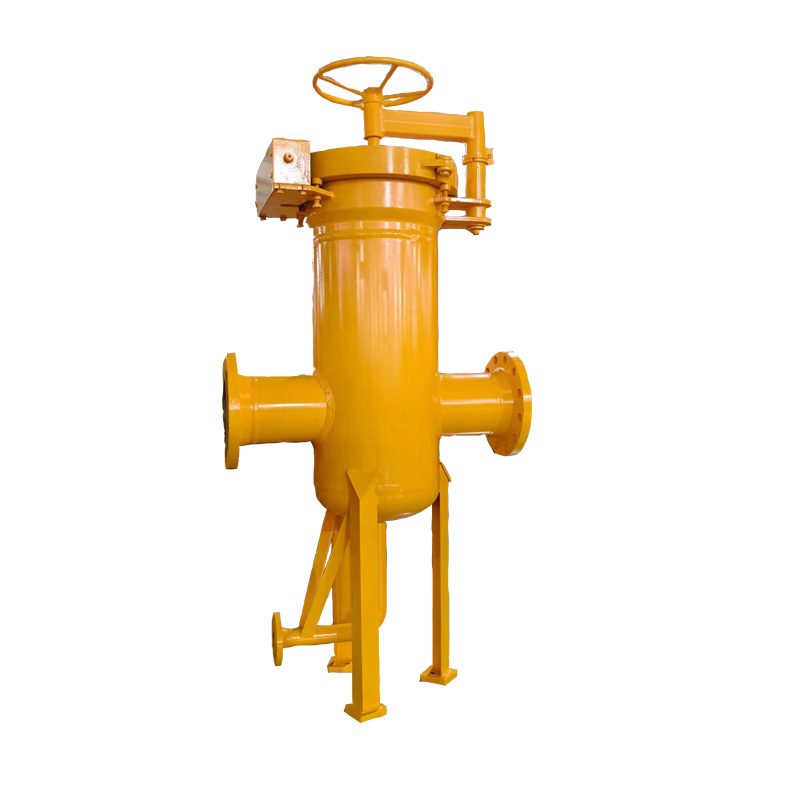
Figure 1: High-precision components of a gas purifier during manufacturing.
Technical Specifications and Parameters
Understanding the technical specifications of a gas purifier is essential for proper selection and integration into existing systems. Our advanced natural gas filtration units are engineered for robust performance and reliability.
Key Structural Elements:
- Filter Housing: Designed according to ASME Boiler and Pressure Vessel Code, Section VIII, Division 1, for structural integrity. Available in vertical or horizontal configurations.
- Filter Elements: Typically multi-layered, consisting of pre-filtration stages (e.g., cyclone, impingement plates) and fine filtration media (e.g., coalescing cartridges, molecular sieves). Particle removal efficiency can reach 99.99% for particles down to 0.3 microns.
- Drainage System: Automated or manual condensate drain valves for efficient removal of separated liquids, crucial for continuous operation.
- Pressure Differential Gauges: For continuous monitoring of filter element loading, signaling the need for maintenance or replacement.
Product Specification Table: Gas Filter (Typical Model)
| Parameter | Specification | Notes |
|---|---|---|
| Model Series | GF-Series UltraClean | Modular design for scalability |
| Flow Rate Capacity | 500 to 50,000 Nm³/h | Customizable per application |
| Operating Pressure | Up to 100 bar (1450 psi) | Higher pressures available upon request |
| Operating Temperature | -40°C to +200°C | Specific seals for extreme temperatures |
| Filtration Efficiency (Particles) | 99.99% @ 0.3 micron | Validated by independent testing |
| Coalescing Efficiency (Liquids) | 99.5% @ 1 micron droplet | For liquid aerosol removal |
| Housing Material | Carbon Steel (SA516 Gr.70), Stainless Steel (304, 316L) | Based on fluid compatibility and pressure rating |
| Filter Media | Borosilicate Glass Fiber, Sintered Metal, Activated Carbon | Optimized for specific contaminants |
| Design Standards | ASME VIII Div.1, PED 2014/68/EU, ISO 9001:2015 | Ensures compliance and safety |
| Connection Type | Flanged (ANSI B16.5), Threaded (NPT) | Configurable to client's piping specifications |
These parameters highlight our commitment to delivering robust and precise solutions for critical gas purification needs across various industrial sectors.
Application Scenarios and Advantages
The versatility of a well-engineered gas purifier makes it indispensable across a multitude of industrial landscapes. Its primary function is to safeguard downstream equipment, optimize process efficiency, and ensure product integrity.
Target Industries:
- Petrochemical and Oil & Gas: Essential for protecting compressors, turbines, and catalytic converters from particulate matter, corrosive gases, and liquid slugs, especially in natural gas filter separator applications.
- Metallurgy and Steel Production: Purifying process gases like oxygen, nitrogen, and argon to prevent contamination in smelting, annealing, and welding operations.
- Power Generation: Ensuring clean fuel gas for gas turbines and protecting instrumentation from moisture and particulates in both conventional and renewable energy plants.
- Chemical Processing: Removing impurities that could degrade catalysts, foul heat exchangers, or compromise final product purity.
- Food & Beverage: Ensuring sterile and particle-free compressed air or inert gases used in packaging and processing.
- Pharmaceuticals: Critical for maintaining ultra-pure environments and process gases, meeting cGMP requirements.
Key Advantages in Typical Scenarios:
- Energy Saving: By effectively removing particulates and aerosols, a gas purifier reduces the load on downstream compressors and pumps, minimizing pressure drop across the system. This translates to lower energy consumption, with studies showing potential savings of 5-15% in gas compression costs.
- Corrosion Resistance: Utilizing materials like 316L stainless steel and applying advanced surface treatments ensures superior resistance to corrosive agents often present in industrial gas streams. This extends the service life of both the purifier and connected equipment, reducing costly replacements and maintenance.
- Extended Equipment Lifespan: Protection from abrasive particles and corrosive moisture significantly prolongs the operational life of sensitive instruments, control valves, and turbines, reducing capital expenditure on equipment replacement by up to 30%.
- Enhanced Product Quality: In processes where gas purity directly affects the final product, such as semiconductor manufacturing or pharmaceutical production, a gas purifier ensures consistent and high-quality output, minimizing defects and rejections.
- Regulatory Compliance: Meeting strict environmental and safety regulations often necessitates specific gas purity levels. Our systems help industries comply with these standards, avoiding penalties and ensuring responsible operation.
Figure 2: A gas purifier installation in a demanding industrial environment.
Advanced Technical Features and Customized Solutions
Beyond standard filtration, our gas purifier systems integrate advanced technical features and offer extensive customization to meet the unique challenges of complex industrial processes.
Key Features:
- Multi-Stage Filtration: Incorporating cyclone separators for bulk liquid and heavy particle removal, followed by coalescing filters for fine aerosols, and adsorbent beds (e.g., activated carbon, molecular sieves) for vapor-phase contaminants. This tiered approach maximizes purification efficiency and extends filter life.
- Smart Monitoring Systems: Equipped with real-time sensors for pressure differential, temperature, and even moisture content. These systems can integrate with plant DCS/SCADA via Modbus TCP or other protocols, providing predictive maintenance alerts and optimizing filter replacement schedules.
- Automated Backwash/Regeneration: For certain types of filter media (e.g., sintered metal, desiccant), automated backwash or thermal regeneration cycles can be implemented, significantly extending the service interval and reducing manual intervention.
- Explosion-Proof Designs: For applications involving flammable or hazardous gases, our gas purifier units can be designed to meet ATEX or NEMA explosion-proof standards, ensuring safety in classified areas.
Customized Solutions:
We understand that off-the-shelf solutions may not always be sufficient for highly specialized processes. Our engineering team collaborates closely with clients to develop bespoke gas purifier systems that perfectly align with specific operational parameters and requirements.
- Material Specification: Custom housing materials (e.g., Super Duplex, Hastelloy) for extreme chemical compatibility or high-temperature/pressure applications.
- Flow Dynamics Optimization: Tailored inlet/outlet configurations, nozzle orientations, and internal baffling to minimize turbulence and pressure drop for specific flow rates and gas compositions.
- Integration with Existing Systems: Designing skid-mounted units that seamlessly integrate with existing appliance regulators, control valves, and other process equipment, ensuring minimal disruption during installation.
- Specialized Contaminant Removal: Developing unique filter media or adsorbent blends for highly specific contaminants, such as H2S, mercaptans, or trace metals, ensuring ultra-high purity gas for sensitive applications.
- Modular and Compact Designs: For space-constrained environments or offshore platforms, we offer compact, modular gas purifier designs that maintain full purification capacity.
Figure 3: Advanced filtration media being prepared for a customized gas purifier.
Vendor Comparison: Choosing the Right Gas Purifier Partner
Selecting a supplier for industrial gas purifier systems requires a thorough evaluation beyond just price. Key factors include technical expertise, product quality, customization capabilities, and after-sales support. Below is a comparative overview, positioning our offerings against typical industry competitors.
Gas Purifier Comparison Table
| Feature/Vendor | Our Company (Gasouyinuo) | Competitor A (Large Generalist) | Competitor B (Niche Provider) |
|---|---|---|---|
| Filtration Efficiency (0.3µm) | ≥99.99% | 99.9% | 99.95% |
| Customization Level | Extensive (materials, flow, integration) | Limited to standard configurations | Moderate (some material options) |
| Design Standards Compliance | ASME, PED, ISO, ATEX, NEMA | ASME, some ISO | PED, specific national standards |
| Pressure Drop (Clean Element) | Extremely Low (<0.05 bar) | Low (0.08 - 0.12 bar) | Moderate (0.06 - 0.10 bar) |
| Service Life (Housing) | 15-20+ years | 10-15 years | 10-18 years |
| After-Sales Support | Global, 24/7 technical support, on-site service | Regional support, business hours | Limited remote support |
This comparison highlights our competitive edge in delivering superior filtration performance, comprehensive customization, and unwavering support. Our commitment to adhering to rigorous design standards like ASME and ISO ensures not only compliance but also the highest levels of safety and reliability for every gas purifier system we deliver. We strive to provide solutions that minimize operational expenditures through reduced energy consumption and extended maintenance cycles.
Figure 4: Factory acceptance testing of a custom-built gas purifier system.
Application Case Studies & Customer Experience
Our track record of successful deployments and positive customer feedback underscores the reliability and effectiveness of our gas purifier solutions.
Case Study 1: Natural Gas Processing Plant
A major natural gas processing facility in North America faced significant operational challenges due to liquid hydrocarbons and fine particulates fouling their natural gas heat exchanger units and damaging critical turbo-machinery. The existing filtration system was insufficient, leading to frequent shutdowns for cleaning and costly repairs. We engineered and supplied a customized natural gas filter separator skid, integrating high-efficiency coalescing elements and an automated liquid removal system.
- Result: Post-installation, the plant reported a 98% reduction in liquid carryover and a complete elimination of particle-related fouling in their heat exchangers. This led to a 15% increase in operational uptime and an estimated annual savings of $1.2 million in maintenance and efficiency losses.
- Customer Feedback: "The new gas purifier system has dramatically improved our gas quality, allowing our downstream equipment to run without interruption. The engineering support was exceptional." - Plant Operations Manager.
Case Study 2: Precision Manufacturing Facility
A leading manufacturer of electronic components required ultra-pure nitrogen for a sensitive cleanroom environment. Their existing supply suffered from trace moisture and hydrocarbons, causing product defects. We provided a specialized adsorption gas purifier system with dual desiccant beds and integrated dew point monitoring.
- Result: The system consistently delivered nitrogen with a dew point below -70°C and hydrocarbon content undetectable by standard methods. This enabled the client to achieve a 20% reduction in product rejection rates attributed to gas contamination.
- Customer Feedback: "The purity levels achieved by the gas purifier exceeded our expectations. This investment has directly impacted our bottom line by improving product yield and quality." - Head of Quality Control.
Figure 5: A gas purifier system integrated into a complex process skid.
Trustworthiness & Company Commitments
Our commitment to quality, transparency, and customer satisfaction forms the bedrock of our operations. We ensure that every gas purifier solution delivered embodies reliability and trust.
Certifications and Authoritative References:
- ISO 9001:2015 Certified: Demonstrates our adherence to internationally recognized quality management system standards.
- ASME Certified: Our pressure vessel designs and fabrication comply with the stringent requirements of the American Society of Mechanical Engineers.
- PED 2014/68/EU Compliance: All equipment supplied to the European market conforms to the Pressure Equipment Directive.
- Years of Service: With over 15 years of specialized experience in industrial gas filtration, we have served hundreds of prominent clients globally, establishing a robust reputation for expertise.
Frequently Asked Questions (FAQ):
Q: How often do I need to replace the filter elements?
A: The replacement interval for filter elements largely depends on the specific application, gas stream purity, and operating conditions. Typically, elements can last from 6 months to 2 years. Our systems include differential pressure gauges to visually indicate when elements need replacement based on increased pressure drop.
Q: Can your gas purifiers handle corrosive gases?A: Yes, we offer units constructed from specialized corrosion-resistant materials such as 316L stainless steel, Duplex, or Hastelloy, combined with chemical-resistant filter media and seals, to effectively handle a wide range of corrosive gas streams.
Q: What is the lead time for a custom gas purifier?A: Standard models typically have a lead time of 6-8 weeks. For highly customized solutions, the lead time can range from 12-20 weeks, depending on complexity and material sourcing. We provide detailed project timelines during the quotation phase.
Lead Time & Fulfillment:
We maintain efficient manufacturing processes and a robust supply chain to ensure timely delivery. Standard gas purifier units are typically dispatched within 8-10 weeks from order confirmation. Expedited options are available for urgent projects. Our fulfillment team manages logistics globally, ensuring secure and efficient delivery to your site.
Warranty Commitments:
All our gas purifier products come with a standard 12-month warranty covering manufacturing defects and material failures. Extended warranty options and comprehensive service contracts are available for critical installations, providing peace of mind and ensuring continuous peak performance.
Customer Support:
Our dedicated customer support team and network of certified service technicians provide comprehensive assistance from initial consultation to installation and ongoing maintenance. We offer 24/7 technical hotline support, remote diagnostics, and on-site servicing to minimize downtime and optimize the performance of your gas purifier systems. Training programs for client personnel are also available to ensure competent operation and maintenance.
Conclusion
The importance of a reliable and efficient gas purifier cannot be overstated in today's industrial landscape. From safeguarding critical infrastructure and ensuring product quality to meeting stringent regulatory requirements, advanced gas purification is a cornerstone of modern industrial operations. Our commitment to precision engineering, robust manufacturing, and comprehensive customer support positions us as a trusted partner for all your industrial gas filtration needs. By investing in our cutting-edge gas purifier solutions, you are securing operational excellence, enhanced safety, and long-term cost efficiencies for your valuable assets.
Authoritative Citations
- American Society of Mechanical Engineers (ASME). Boiler and Pressure Vessel Code. Section VIII, Division 1.
- International Organization for Standardization (ISO). ISO 9001:2015 - Quality management systems.
- European Parliament and Council. Pressure Equipment Directive (PED) 2014/68/EU.
- National Fire Protection Association (NFPA). NFPA 497: Recommended Practice for the Classification of Flammable Liquids, Gases, or Vapors and of Hazardous (Classified) Locations for Electrical Installations in Chemical Process Areas.
- Gas Processors Association (GPA). GPA Midstream Standards.
Latest news
-
Industrial Natural Gas Pressure Reducing Valve Guide and SelectionNewsApr.16,2026
-
Understanding the Industrial Regulating Valve for Fluid ControlNewsApr.09,2026
-
Understanding Gas Pressure Reducer Types Applications and Safety MeasuresNewsApr.07,2026
-
Understanding and Optimizing Gas Pressure Reducing Valve SystemsNewsApr.04,2026
-
Optimizing System Performance with the Right Filter Separator SelectionNewsMar.31,2026
-
Comprehensive Guide to Understanding and Utilizing Pressure Pipe SystemsNewsMar.28,2026