


Mar . 07, 2026 01:55
Back to list
Comprehensive Guide to Choosing the Right Gas Filter for Optimal Safety
Choosing the Right Gas Filter: A Comprehensive Guide
Selecting the appropriate gas filter is critical for ensuring safety and compliance in various industrial and environmental applications. This article provides an in-depth look at gas filters, their types, applications, and crucial considerations for choosing the best filter for your needs. From protecting personnel from hazardous gases to maintaining air quality, understanding gas filtration is essential. We’ll explore the diverse range of options available and guide you through the selection process to ensure optimal performance and protection.
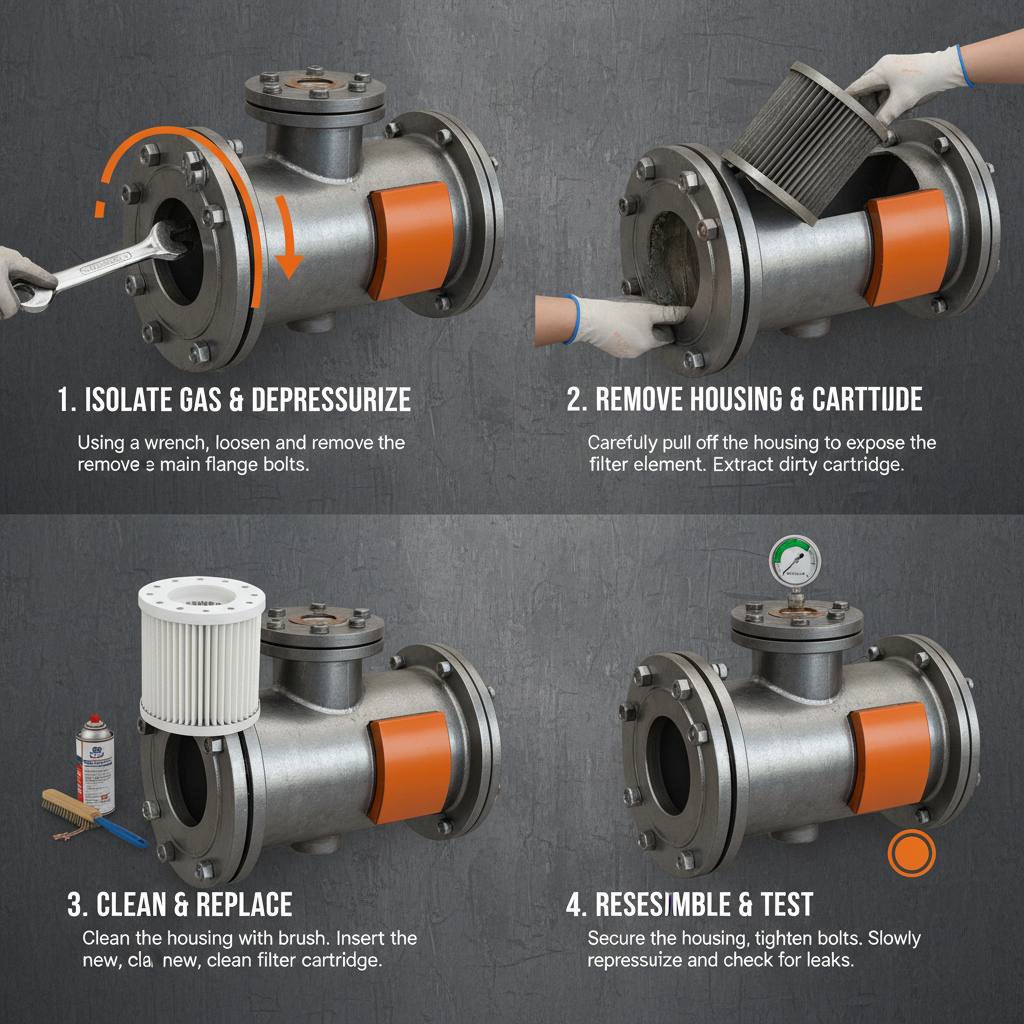
What are Gas Filters and Why are They Important?
Gas filters are designed to remove specific contaminants from gas streams. These contaminants can include hazardous chemicals, volatile organic compounds (VOCs), dust particles, and odors. They’re essential in industries like chemical processing, oil and gas, wastewater treatment, and healthcare to protect workers, the environment, and sensitive equipment. Without effective filtration, exposure to harmful gases can lead to health problems, environmental damage, and regulatory non-compliance. Gas filters are a vital component of comprehensive safety protocols.
Key Highlights: Gas filters are essential for protecting personnel, the environment, and equipment from harmful gas contaminants. Proper filtration is crucial for compliance and maintaining a safe working environment.
Types of Gas Filters: A Detailed Overview
There's a wide variety of gas filters available, each designed for specific applications. Common types include:
- Activated Carbon Filters: Effective for removing VOCs, odors, and some gases through adsorption.
- HEPA Filters: Primarily used for particulate matter, but can be combined with activated carbon for broader filtration.
- Chemical Filters: Contain specific chemical absorbents to neutralize or capture targeted gases.
- Catalytic Filters: Utilize catalysts to oxidize flammable gases into less harmful substances.
- Molecular Sieve Filters: Selectively adsorb molecules based on size and polarity.
The selection depends on the type and concentration of contaminants, flow rate, and operating conditions.
Filter Type Benefits:
• Activated Carbon: Excellent for VOCs and odor control.
• HEPA: Effectively removes particulate matter.
• Chemical Filters: Targets specific harmful gases.
• Catalytic Filters: Oxidizes flammable gases.
Gas Filter Selection: Key Considerations
Choosing the right gas filter requires careful consideration of several factors. First, identify the specific gases you need to remove and their concentrations. Second, determine the required flow rate and operating pressure. Third, consider the temperature and humidity of the gas stream. Finally, check for any regulatory requirements or industry standards that apply to your application. A thorough assessment of these parameters will ensure you select a filter that provides adequate protection and performance.
Applications of Gas Filters Across Industries
Gas filters find applications in a multitude of sectors. In the chemical industry, they protect workers from exposure to hazardous fumes and gases. Oil and gas refineries rely on them to control VOC emissions and ensure environmental compliance. Wastewater treatment plants use them to remove odors and harmful gases produced during the treatment process. Healthcare facilities employ gas filters to maintain sterile environments and protect patients from airborne contaminants. The diverse applications demonstrate the widespread importance of effective gas filtration. Gasouyinuo provides solutions for all these industries.
Maintaining and Replacing Gas Filters
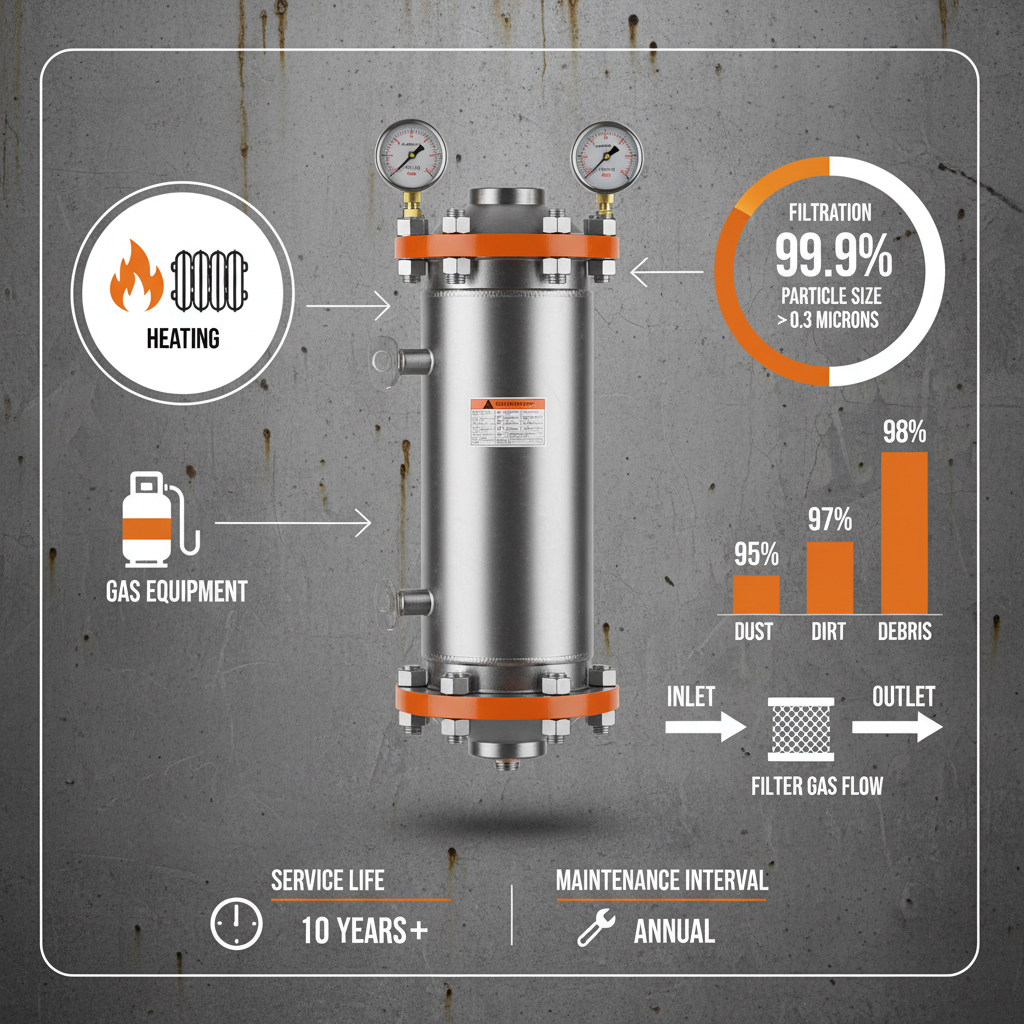
Regular maintenance and timely replacement of gas filters are crucial for optimal performance and safety. Monitor filter pressure drop to determine when a filter is becoming clogged and needs to be replaced. Follow the manufacturer's recommendations for replacement intervals. Proper disposal of used filters is essential to prevent environmental contamination. Implementing a filter management program ensures consistent protection and minimizes the risk of exposure to hazardous gases.
Conclusion: Protecting Your Environment and Personnel with the Right Gas Filter
Choosing the right gas filter is a critical investment in safety, environmental protection, and regulatory compliance. By understanding the different types of filters, considering key selection criteria, and implementing a proactive maintenance program, you can ensure optimal performance and minimize the risk of exposure to harmful gases. Gasouyinuo is your trusted partner for high-quality gas filtration solutions.
Frequently Asked Questions (FAQs)
How often should I replace my gas filter?
The replacement frequency depends on factors like gas concentration, filter type, and usage. Monitor the pressure drop across the filter – a significant increase indicates clogging. As a general guideline, activated carbon filters should be replaced every 3-6 months, while chemical filters may require replacement more frequently, sometimes as often as every few weeks. Always follow the manufacturer's recommendations and regulatory guidelines.
What is the difference between activated carbon and chemical filters?
Activated carbon filters remove contaminants through adsorption, trapping gases within their porous structure. They are effective for VOCs and odors but less specific. Chemical filters contain chemical absorbents designed to react with and neutralize specific target gases. They provide a more targeted and effective solution for known contaminants. Choosing between the two depends on the types of gases you need to remove.
Are gas filters suitable for all types of gases?
No, gas filters are not universally effective. Different filters are designed for different gases. Selecting the wrong filter can provide inadequate protection. It's crucial to identify the specific gases present and choose a filter specifically designed to remove those contaminants. Combining filter types (e.g., HEPA and activated carbon) can provide broader protection.
How do I know if a gas filter is working properly?
Regular monitoring is key. Check the pressure drop across the filter – a sudden increase indicates clogging. Some filters have indicator lights or sensors that alert you when they need replacement. Periodic gas testing can also verify the filter’s effectiveness. Maintain records of filter changes and testing results.
Latest news
-
Industrial Natural Gas Pressure Reducing Valve Guide and SelectionNewsApr.16,2026
-
Understanding the Industrial Regulating Valve for Fluid ControlNewsApr.09,2026
-
Understanding Gas Pressure Reducer Types Applications and Safety MeasuresNewsApr.07,2026
-
Understanding and Optimizing Gas Pressure Reducing Valve SystemsNewsApr.04,2026
-
Optimizing System Performance with the Right Filter Separator SelectionNewsMar.31,2026
-
Comprehensive Guide to Understanding and Utilizing Pressure Pipe SystemsNewsMar.28,2026