


Mar . 17, 2026 01:55
Back to list
Comprehensive Guide to Electric Valves for Industrial Applications
Understanding Electric Valves: A Comprehensive Guide
Electric valves are crucial components in numerous industrial applications, controlling the flow of liquids and gases with precision and efficiency. From automating irrigation systems to managing complex chemical processes, these valves play a vital role in modern operations. Selecting the right electric valve depends on the specific application requirements, including media type, pressure, temperature, and control needs. This article will provide an in-depth look at electric valves, covering their types, applications, benefits, and key considerations for choosing the best solution for your needs.
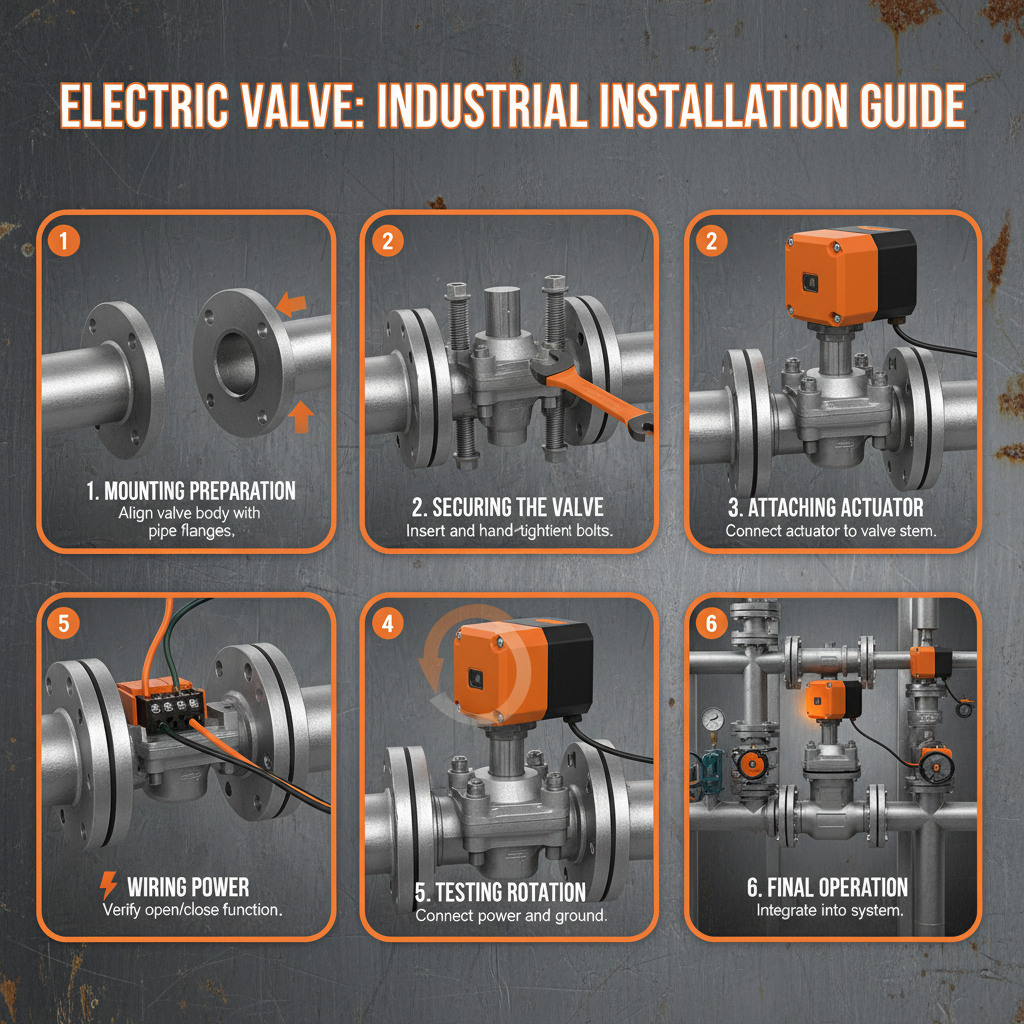
Types of Electric Valves
Electric valves come in several configurations, each suited to different applications. Common types include solenoid valves, motorized ball valves, and proportional valves. Solenoid valves are known for their fast response times and are often used in on/off control applications. Motorized ball valves offer precise control and are suitable for larger flow rates. Proportional valves allow for modulating flow control based on an electrical signal. Understanding these distinctions is crucial for selecting the right valve for your system. At Gasouyinuo, we offer a diverse range of electric valves to meet various industry needs.
Key Takeaway: Choosing the correct electric valve type is essential for ensuring optimal performance and reliability in your application.
Applications of Electric Valves
The applications of electric valves are incredibly broad. In industrial automation, they control the flow of liquids and gases in manufacturing processes. Within the water and wastewater treatment industry, they manage water distribution and chemical dosing. Agricultural applications include automated irrigation systems. Furthermore, they are commonly found in HVAC systems, controlling refrigerant flow, and in the medical industry for precise fluid delivery. The versatility of electric valves makes them an indispensable part of numerous sectors. Gasouyinuo’s valves are designed for demanding applications across these industries.
Application Examples:
• Industrial Automation: Process Control
• Water Treatment: Chemical Dosing
• Agriculture: Irrigation Systems
• HVAC: Refrigerant Control
Electric Valve Comparison: Solenoid vs. Motorized vs. Proportional
Selecting between solenoid, motorized, and proportional electric valves requires careful consideration of your application needs. Solenoid valves are ideal for quick on/off control, while motorized valves excel at handling larger flow rates with precise positioning. Proportional valves offer modulating control, allowing for variable flow adjustment. Understanding the pros and cons of each type is critical for optimal performance.
Key Considerations When Selecting an Electric Valve
Several factors influence the selection process. Media compatibility is paramount – the valve materials must be suitable for the fluid or gas being controlled. Pressure and temperature ratings must align with the system’s operating conditions. Power supply requirements and control signal compatibility are also crucial. Finally, consider the environmental conditions, such as exposure to corrosive substances or extreme temperatures. Gasouyinuo’s team can help you navigate these considerations to find the optimal valve for your needs.
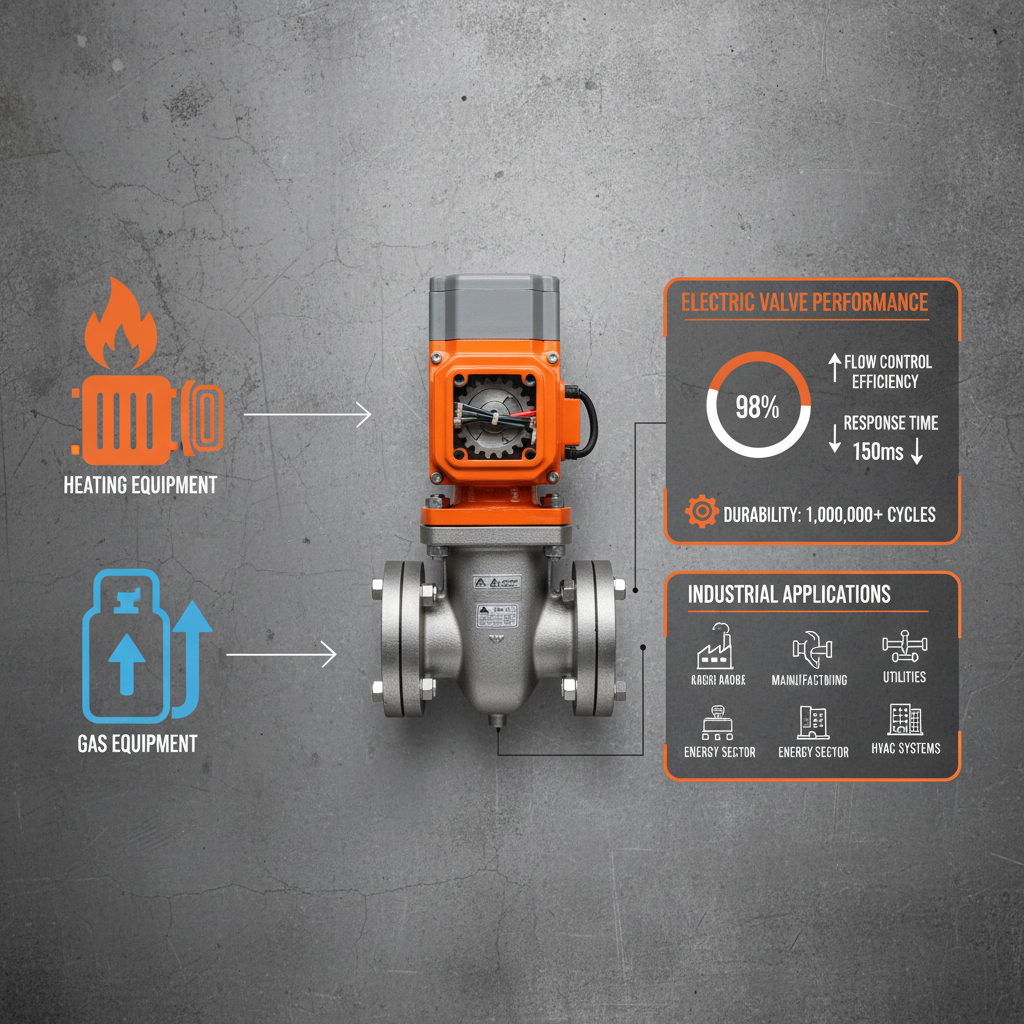
Benefits of Using Electric Valves
Electric valves offer numerous advantages over traditional manual valves. They provide precise control, enabling automated processes and improved efficiency. Remote operation and integration with control systems offer enhanced flexibility and monitoring capabilities. Reduced maintenance requirements and increased reliability contribute to lower long-term costs. By choosing electric valves, businesses can optimize their operations and achieve significant improvements in productivity and safety.
Conclusion: Enhance Your Operations with Electric Valves
Investing in high-quality electric valves from a reputable supplier like Gasouyinuo can significantly enhance your operational efficiency, reliability, and safety. By carefully considering your application requirements and choosing the right valve type, you can unlock the full potential of automation and optimize your processes for long-term success.
Frequently Asked Questions (FAQs)
What factors should I consider when choosing an electric valve?
When selecting an electric valve, consider the media type (liquid or gas), operating pressure and temperature, flow rate requirements, control signal type (e.g., voltage, current), and the environment in which the valve will operate. Compatibility with the system's control system is also essential. Don't forget to factor in the valve's power supply requirements and any specific certifications needed for your industry. At Gasouyinuo, we can help you assess these factors and recommend the best valve for your application.
How do I maintain an electric valve?
Regular maintenance is crucial for ensuring the longevity and reliability of your electric valve. This includes periodic inspection for leaks, corrosion, or damage, lubricating moving parts as recommended by the manufacturer, and checking the electrical connections. It's also important to keep the valve clean and free from debris. Following the manufacturer's maintenance guidelines will help prevent costly downtime and ensure optimal performance.
What is the typical lifespan of an electric valve?
The lifespan of an electric valve varies depending on the operating conditions, the quality of the valve, and the frequency of maintenance. With proper maintenance, a well-constructed electric valve can typically last for 5-10 years or even longer. Factors such as exposure to harsh chemicals, extreme temperatures, and high pressures can shorten the lifespan. Choosing a valve from a reputable manufacturer like Gasouyinuo ensures durability and reliability.
Can electric valves be used with corrosive fluids?
Yes, electric valves can be used with corrosive fluids, but it’s essential to choose a valve constructed from materials that are compatible with the specific corrosive fluid. Common materials include stainless steel, PTFE (Teflon), and other corrosion-resistant alloys. The valve's seals and body materials must be able to withstand the chemical attack of the fluid to prevent leaks and ensure long-term reliability. Gasouyinuo offers a range of valves specifically designed for corrosive environments.
Latest news
-
Industrial Natural Gas Pressure Reducing Valve Guide and SelectionNewsApr.16,2026
-
Understanding the Industrial Regulating Valve for Fluid ControlNewsApr.09,2026
-
Understanding Gas Pressure Reducer Types Applications and Safety MeasuresNewsApr.07,2026
-
Understanding and Optimizing Gas Pressure Reducing Valve SystemsNewsApr.04,2026
-
Optimizing System Performance with the Right Filter Separator SelectionNewsMar.31,2026
-
Comprehensive Guide to Understanding and Utilizing Pressure Pipe SystemsNewsMar.28,2026