


Mar . 24, 2026 02:05
Back to list
Comprehensive Guide to Gas Boosters for Industrial Applications
Understanding Gas Boosters: A Comprehensive Guide
In various industrial processes, maintaining consistent and sufficient gas pressure is critical for optimal performance. This is where gas boosters come into play. These versatile devices amplify gas pressure, enabling a wide range of applications across diverse sectors. This article will provide a comprehensive overview of gas boosters, their functionality, applications, and factors to consider when selecting the right system for your needs. Understanding these systems is crucial for ensuring efficiency, safety, and reliability in your operations.
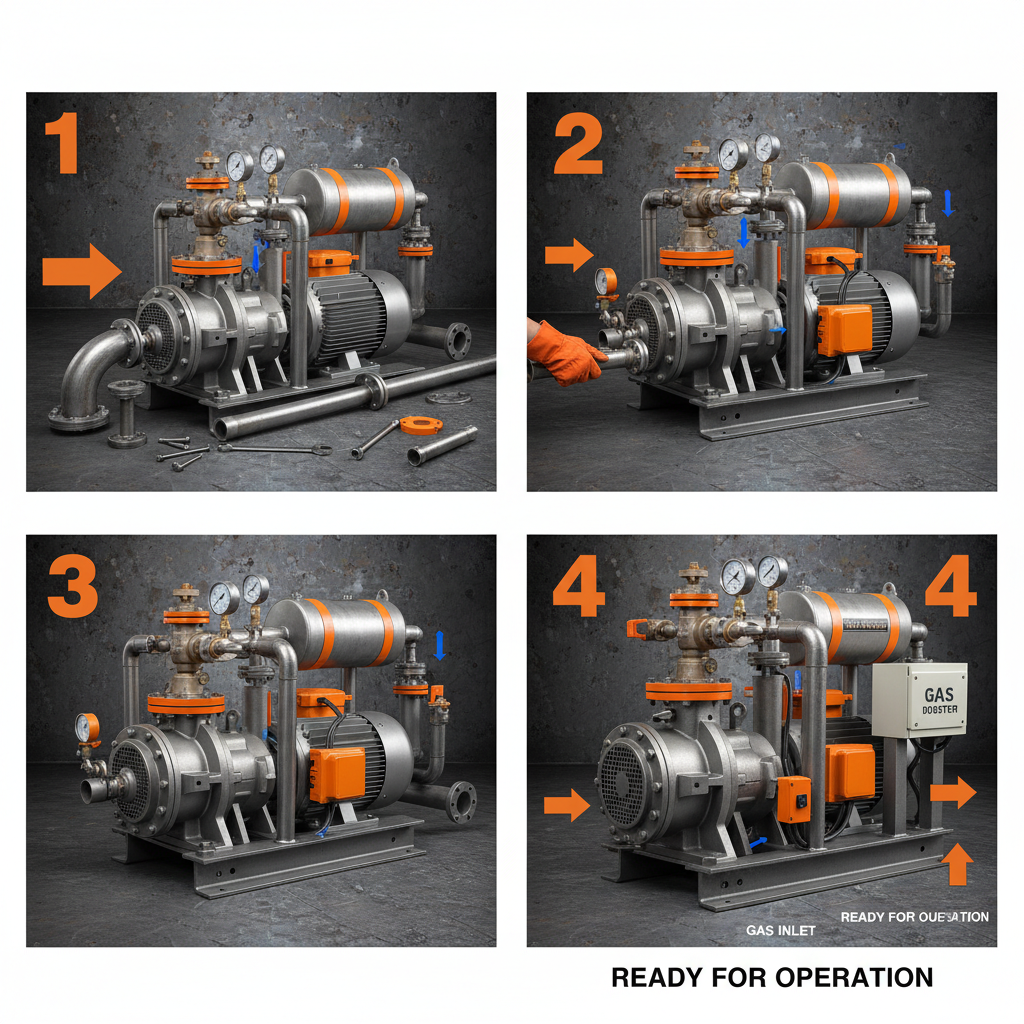
What is a Gas Booster and How Does It Work?
A gas booster is a mechanical device designed to increase the pressure of a gas without changing its composition. Unlike compressors, which typically focus on moving large volumes of gas, boosters are designed to significantly elevate pressure from a lower input to a higher output. They achieve this through a reciprocating action, utilizing a piston to compress the gas in stages. The process involves taking a low-pressure gas source and, through multiple cycles of compression, delivering it at a much higher pressure. Gasouyinuo offers a range of gas boosters tailored to specific pressure and gas compatibility needs.
Key Highlights: Gas boosters enhance gas pressure without altering its composition, utilizing a reciprocating piston mechanism for staged compression, and providing controlled pressure output.
Common Applications of Gas Boosters
Gas boosters find applications in numerous industries, including:
- Leak Testing: Boosting gas pressure for precise leak detection in pipelines, containers, and components.
- Pressure Cycling: Providing controlled pressure variations for endurance testing and material stress analysis.
- Gas Transfer: Efficiently transferring gases from high-pressure storage tanks to lower-pressure systems.
- Chemical Injection: Accurately injecting gases into chemical processes for reaction control.
- Laser Gas Assist: Boosting gas pressure for improved laser cutting and welding performance.
- Composite Material Forming: Utilizing gas pressure in the formation of composite materials.
Gas Booster Types and Their Characteristics
Several types of gas boosters are available, each suited for specific applications. The primary distinctions lie in their drive mechanisms and the type of gas they are designed to handle. The most common types include:
Factors to Consider When Selecting a Gas Booster
Choosing the correct gas booster requires careful consideration of several factors. Here are some key aspects to evaluate:
- Gas Compatibility: Ensure the booster materials are compatible with the gas being used to prevent corrosion or contamination.
- Pressure Requirements: Determine the necessary inlet and outlet pressures to ensure the booster can meet your application's demands.
- Flow Rate: Select a booster with a flow rate sufficient to handle the required volume of gas.
- Drive Mechanism: Consider the advantages and disadvantages of pneumatic, hydraulic, and other drive mechanisms based on your power availability and control requirements.
- Safety Features: Look for features like pressure relief valves, over-pressure protection, and robust construction to ensure safe operation.
Maintaining and Troubleshooting Your Gas Booster
Regular maintenance is essential for ensuring the long-term reliability and performance of your gas booster. This includes routine inspections, lubrication of moving parts, and filter replacements. Common troubleshooting steps include checking for leaks, verifying proper power supply, and examining the drive mechanism. Refer to the manufacturer's manual for specific maintenance recommendations and troubleshooting procedures. Gasouyinuo provides comprehensive support and maintenance services to keep your gas booster operating at peak efficiency.
Conclusion: Optimizing Your Processes with Gas Boosters
Gas boosters are indispensable tools for industries requiring precise gas pressure control. By understanding their functionalities, applications, and selection criteria, you can optimize your processes, enhance safety, and improve overall efficiency. Gasouyinuo is dedicated to providing high-quality gas boosters and expert support to meet your specific needs.
Frequently Asked Questions (FAQs)
What gases are compatible with Gasouyinuo gas boosters?
Gasouyinuo gas boosters are designed to handle a wide range of gases, including nitrogen, helium, argon, oxygen, and air. However, compatibility depends on the specific booster model and the materials used in its construction. It's crucial to consult our product specifications or contact our technical support team to confirm compatibility with your intended gas. We offer boosters with specialized seals and materials for corrosive or reactive gases.
How do I determine the correct pressure ratio for my application?
The pressure ratio is the ratio of the outlet pressure to the inlet pressure. To determine the correct ratio, you need to know your desired outlet pressure and your available inlet pressure. Gasouyinuo offers boosters with various pressure ratios, and our engineers can assist you in selecting the appropriate model. Factors like gas compressibility and flow rate also influence the pressure ratio. A careful assessment of your system requirements is essential.
What maintenance is required for Gasouyinuo gas boosters?
Regular maintenance includes inspecting for leaks, lubricating moving parts (as specified in the manual), and replacing air filters. The frequency of maintenance depends on the operating environment and usage. We recommend annual preventative maintenance performed by a qualified technician. Detailed maintenance schedules and procedures are provided in the product manual. Proper maintenance ensures optimal performance and extends the lifespan of your booster.
What safety features are incorporated into Gasouyinuo gas boosters?
Gasouyinuo gas boosters are equipped with several safety features, including pressure relief valves to prevent over-pressurization, robust construction to withstand high pressures, and emergency shut-off mechanisms. We also adhere to strict safety standards in our design and manufacturing processes. It’s crucial to operate the booster within its specified parameters and follow all safety guidelines provided in the manual.
Latest news
-
Industrial Natural Gas Pressure Reducing Valve Guide and SelectionNewsApr.16,2026
-
Understanding the Industrial Regulating Valve for Fluid ControlNewsApr.09,2026
-
Understanding Gas Pressure Reducer Types Applications and Safety MeasuresNewsApr.07,2026
-
Understanding and Optimizing Gas Pressure Reducing Valve SystemsNewsApr.04,2026
-
Optimizing System Performance with the Right Filter Separator SelectionNewsMar.31,2026
-
Comprehensive Guide to Understanding and Utilizing Pressure Pipe SystemsNewsMar.28,2026