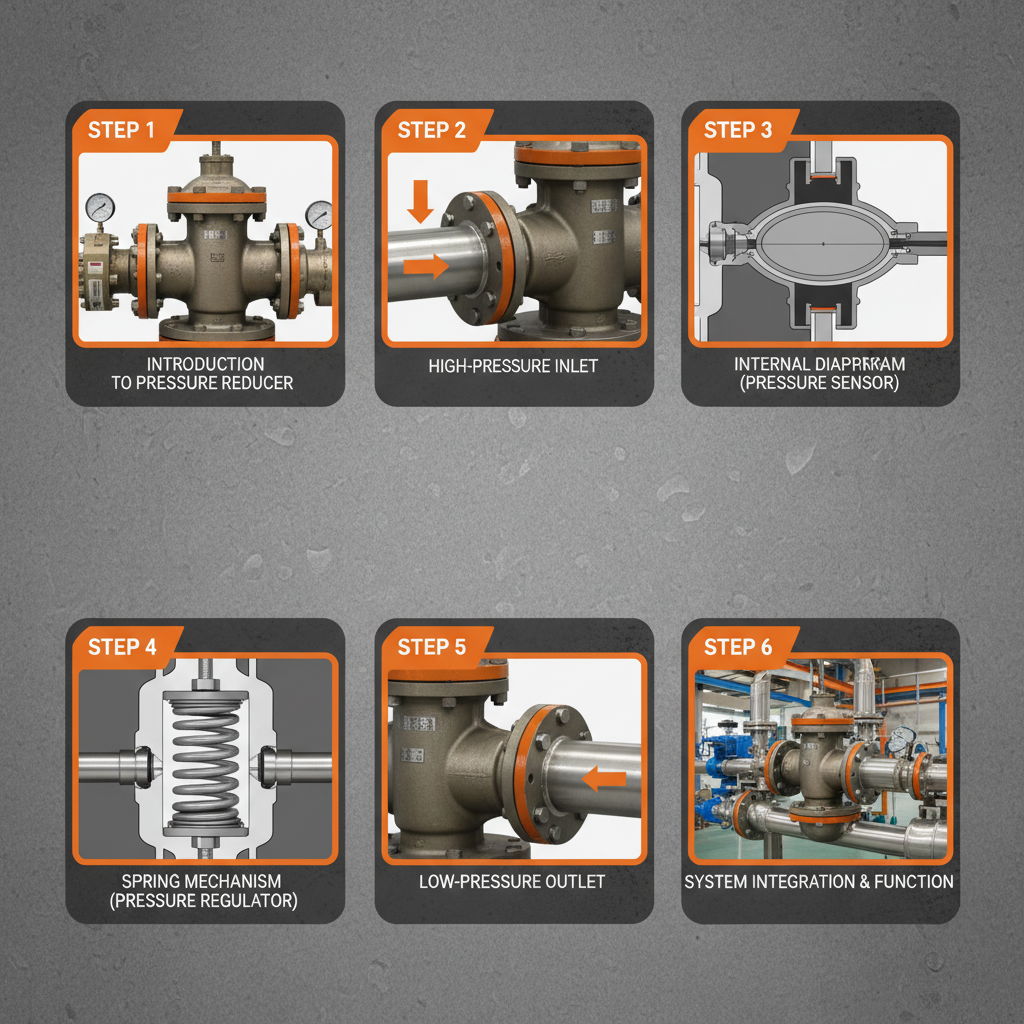
Gas pressure regulating valves are essential components in a vast array of industries, ensuring the safe and efficient delivery of gas. From residential heating systems to large-scale industrial processes, these valves meticulously control and reduce gas pressure, preventing damage to equipment and safeguarding personnel. Their importance extends globally, influencing sectors like energy, manufacturing, and healthcare, making a comprehensive understanding of their function and application crucial for modern infrastructure. The increasing demand for precise gas control mechanisms drives continuous innovation in gas pressure regulating valve technology.
The global market for gas pressure regulators is experiencing steady growth, fueled by expanding natural gas infrastructure and stringent safety regulations. According to reports from the World Bank, access to reliable energy sources, including natural gas, is a key factor in economic development. ISO standards further emphasize the need for accurate and reliable pressure regulation to maintain system integrity. This creates a critical need for advanced gas pressure regulating valve solutions capable of meeting these evolving demands and ensuring the safe and efficient operation of gas-powered systems worldwide.
Challenges like fluctuating gas supply, aging infrastructure, and the transition to alternative fuel sources necessitate ongoing improvements in valve design and materials. The rise of smart city initiatives and the Internet of Things (IoT) are also creating opportunities for integrating gas pressure regulating valve systems into wider network monitoring and control systems, further increasing their utility and value.
Introduction to gas pressure regulating valve
Gas pressure regulating valves are integral to ensuring the secure and controlled distribution of gaseous substances across diverse sectors. They function by reducing high inlet pressures to stable, lower outlet pressures, catering to the specific requirements of connected equipment and systems. These valves are not merely safety devices; they are critical components in optimizing efficiency and preventing potential hazards, especially in systems dealing with flammable or hazardous gases.
The application range of gas pressure regulating valves is exceptionally broad, encompassing residential gas appliances, industrial processing plants, power generation facilities, and even specialized medical applications. The design and construction of these valves are subject to stringent industry standards and regulations, reflecting their crucial role in maintaining operational safety and reliability. Ongoing advancements focus on increasing precision, enhancing durability, and integrating smart technologies for remote monitoring and control.
Defining gas pressure regulating valve
A gas pressure regulating valve is a mechanical device designed to automatically reduce a high and fluctuating inlet gas pressure to a desired, stable, and lower outlet pressure. This is achieved by modulating the valve's opening and closing in response to changes in inlet or outlet pressure, maintaining a consistent downstream pressure regardless of upstream variations. Essential for protecting equipment and ensuring consistent performance.
In modern industry, gas pressure regulating valves are fundamental to processes involving natural gas, propane, butane, and other industrial gases. They are critical in maintaining the efficient operation of boilers, furnaces, compressors, and various analytical instruments. Their application extends to humanitarian needs, providing controlled gas supply for heating, cooking, and lighting in emergency relief scenarios.
Unlike simple shut-off valves, gas pressure regulating valves actively manage flow and pressure, making them vital for systems where consistent and controlled gas delivery is paramount. Without these valves, fluctuations in supply pressure could lead to equipment malfunction, safety hazards, or inefficient energy usage.
Core Components of gas pressure regulating valve
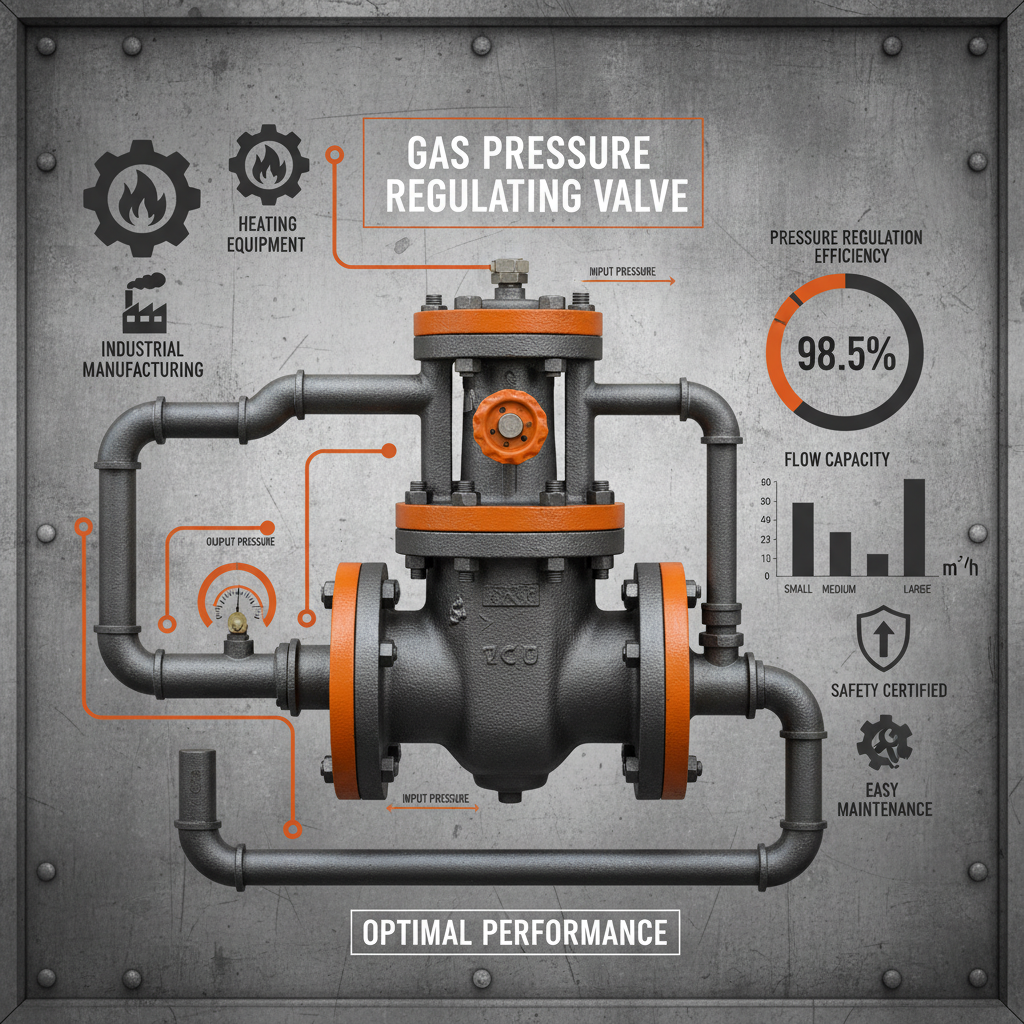
The performance of a gas pressure regulating valve hinges on the interplay of several core components. The valve body provides the structural framework and contains the internal mechanisms. The diaphragm, often made of robust materials like PTFE or Viton, responds to pressure differentials, initiating valve movement. The spring provides the opposing force to the diaphragm, establishing the set pressure.
A crucial element is the valve seat, which controls the gas flow path. The orifice size of the valve seat directly impacts the valve’s capacity and response time. Furthermore, the bonnet protects the internal components and provides a means for pressure adjustment. Finally, the connection ports facilitate seamless integration into gas pipelines and systems. Understanding these components is key to diagnosing and maintaining gas pressure regulating valve systems.
The material selection for each component is critical, influenced by the type of gas being regulated, operating temperature, and pressure ranges. For instance, corrosive gases necessitate the use of corrosion-resistant materials like stainless steel or specialized alloys. Correct component selection ensures longevity, reliability, and safety.
Key Performance Indicators for gas pressure regulating valve
Evaluating the performance of a gas pressure regulating valve requires consideration of several key indicators. Accuracy, or the ability to maintain the set outlet pressure despite fluctuations in inlet pressure and flow rate, is paramount. Responsiveness, representing how quickly the valve adjusts to changes in demand, is also critical, especially in dynamic systems.
Another important metric is capacity, referring to the maximum flow rate the valve can handle while maintaining its set pressure. Leakage rate, indicating the amount of gas that escapes through the valve when in the closed position, is a critical safety factor.
Gas Pressure Regulating Valve Performance Comparison
Global Applications of gas pressure regulating valve
Gas pressure regulating valves find extensive application in the energy sector, particularly in natural gas distribution networks, ensuring safe and stable pressure delivery to residential, commercial, and industrial consumers. They are essential components in gas-fired power plants, maintaining precise fuel-to-air ratios for optimal combustion and efficiency.
In the chemical and petrochemical industries, these valves regulate pressure in diverse processes, including synthesis, separation, and storage of gases. They are crucial for maintaining process control and safety when handling flammable or corrosive materials. In post-disaster relief operations, portable gas pressure regulators are utilized to provide controlled gas supply for field hospitals and emergency shelters.
Advantages of Utilizing gas pressure regulating valve
Employing gas pressure regulating valves offers a multitude of advantages. Primarily, they ensure operational safety by preventing over-pressurization, which could lead to equipment damage, leaks, or even explosions. Secondly, they optimize efficiency by maintaining consistent gas pressure, leading to stable combustion and reduced energy waste.
Furthermore, these valves enhance system reliability by protecting downstream components from pressure surges and fluctuations. They contribute to cost savings through reduced maintenance requirements and extended equipment lifespan. The increasing integration of smart gas pressure regulating valve systems allows for remote monitoring and predictive maintenance, maximizing uptime and minimizing operational disruptions.
Future Trends in gas pressure regulating valve Technology
The future of gas pressure regulating valve technology is being shaped by several key trends. The integration of IoT sensors and communication protocols is enabling real-time pressure monitoring and remote control, leading to smarter and more responsive systems. The development of self-adjusting valves that automatically optimize performance based on changing conditions is gaining momentum.
Advancements in materials science are leading to the creation of valves with improved corrosion resistance, higher temperature tolerance, and longer lifespans. The increasing focus on sustainability is driving the development of valves designed to minimize gas leakage and reduce environmental impact. The rise of hydrogen as a clean energy source will necessitate specialized gas pressure regulating valve solutions capable of handling its unique properties.
Digital twin technology, creating virtual replicas of physical valves, will allow for predictive maintenance and optimized performance modeling, leading to further improvements in reliability and efficiency.
Challenges & Solutions
Despite their widespread adoption, gas pressure regulating valves face certain challenges. One common issue is the potential for internal component wear and tear, leading to decreased accuracy and eventual failure. Another challenge is the susceptibility to fouling or blockage, particularly in systems handling dirty or contaminated gases.
Solutions include the development of more durable materials, improved sealing technologies, and self-cleaning valve designs. Regular maintenance and inspection programs are crucial for identifying and addressing potential issues before they escalate. The implementation of predictive maintenance techniques, leveraging data analytics and machine learning, can further optimize maintenance schedules and minimize downtime.
Addressing the challenge of integrating these valves into increasingly complex and interconnected systems requires standardized communication protocols and cybersecurity measures to protect against unauthorized access and manipulation.
Table summarizing key aspects of gas pressure regulating valve maintenance
| Maintenance Task |
Frequency |
Required Tools/Skills |
Estimated Cost |
| Visual Inspection |
Monthly |
Flashlight, basic knowledge of valve components |
$50 |
| Leak Testing |
Quarterly |
Leak detection fluid, pressure gauge |
$100 |
| Diaphragm Inspection |
Annually |
Valve disassembly tools, replacement diaphragm |
$200-$500 |
| Spring Calibration Check |
Annually |
Spring tester, calibrated weights |
$150 |
| Valve Seat Inspection |
Every 2 Years |
Valve disassembly tools, specialized inspection tools |
$300-$600 |
| Complete Overhaul |
Every 5 Years |
Full disassembly/reassembly tools, replacement parts |
$800-$1500 |
FAQS
The lifespan of a gas pressure regulating valve can vary significantly depending on factors like operating conditions, gas type, and maintenance frequency. Generally, with proper maintenance, a high-quality valve can last between 10 and 20 years. However, harsh environments, corrosive gases, or infrequent inspections can shorten this lifespan. Regular monitoring and proactive maintenance are crucial for maximizing valve longevity and preventing unexpected failures. gas pressure regulating valve inspection is also critical.
Gas pressure regulating valves should be inspected on a regular basis, with the frequency depending on their application and operating environment. A minimum of annual inspections is recommended, including visual checks for leaks, corrosion, and physical damage. More frequent inspections – quarterly or even monthly – may be necessary for critical applications or in harsh environments. Documentation of inspection findings is crucial for tracking valve performance and identifying potential issues.
Common causes of gas pressure regulating valve failure include diaphragm wear or rupture, spring fatigue, valve seat erosion or blockage, and corrosion of internal components. The presence of debris or contaminants in the gas stream can also lead to valve malfunction. Improper installation or maintenance can exacerbate these issues. Addressing these issues proactively through regular maintenance and appropriate material selection can significantly extend valve life.
Selecting the correct gas pressure regulating valve requires careful consideration of several factors, including the type of gas being regulated, the inlet and outlet pressure requirements, the flow rate, and the operating temperature. The valve material must be compatible with the gas to prevent corrosion. Consider the required accuracy and responsiveness of the valve. Consulting with a qualified engineer or valve supplier is recommended to ensure proper selection.
Whether a gas pressure regulating valve can be repaired depends on the nature and extent of the damage. Minor issues, such as diaphragm replacement or spring adjustment, can often be addressed through repair. However, if the valve body is cracked or corroded, or if significant internal components are damaged, replacement is generally the more cost-effective and reliable option. A thorough assessment by a qualified technician is crucial to determine the best course of action.
Safety is paramount when working with gas pressure regulating valves. Always depressurize the system before performing any maintenance or repairs. Use appropriate personal protective equipment (PPE), including safety glasses and gloves. Ensure adequate ventilation in the work area. Never attempt to repair a valve if you are not properly trained and qualified. Follow all applicable safety regulations and guidelines. If you are not comfortable, consult a professional.
Conclusion
In conclusion, gas pressure regulating valves are indispensable components across a diverse range of industries, playing a critical role in ensuring safe, efficient, and reliable gas delivery. Understanding their core principles, applications, and emerging trends is essential for professionals involved in energy, manufacturing, healthcare, and related fields. Continued innovation in materials, design, and smart technologies promises to further enhance their performance and contribute to a more sustainable future.
Investing in high-quality gas pressure regulating valve systems, coupled with regular maintenance and proactive monitoring, is a strategic decision that yields long-term benefits in terms of safety, cost savings, and operational efficiency. Embracing new technologies and best practices will be key to navigating the evolving landscape of gas control and unlocking the full potential of these essential devices.