


Mar . 19, 2026 01:55
Back to list
Comprehensive Guide to Gas Pressure Regulator Valves for Optimal Performance
Understanding Gas Pressure Regulator Valves: A Comprehensive Guide
Gas pressure regulator valves are crucial components in various industrial and commercial applications, ensuring the safe and efficient delivery of gases. They are essential for maintaining a consistent downstream pressure, regardless of fluctuations in the upstream supply. This article delves into the functionality, types, applications, and key considerations when selecting a gas pressure regulator valve, providing valuable insights for engineers, technicians, and anyone involved in gas handling systems. Choosing the correct regulator is critical for optimizing performance and preventing potential hazards.
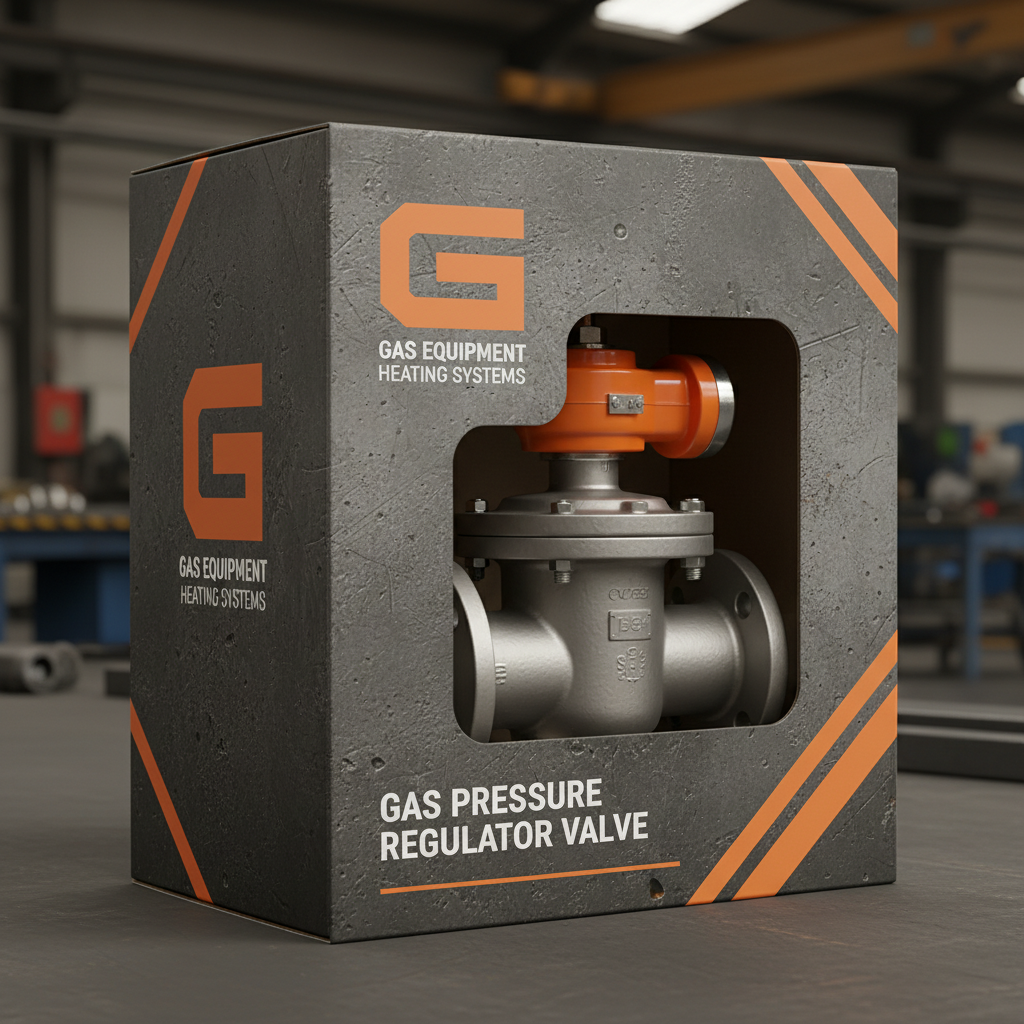
How Gas Pressure Regulator Valves Function
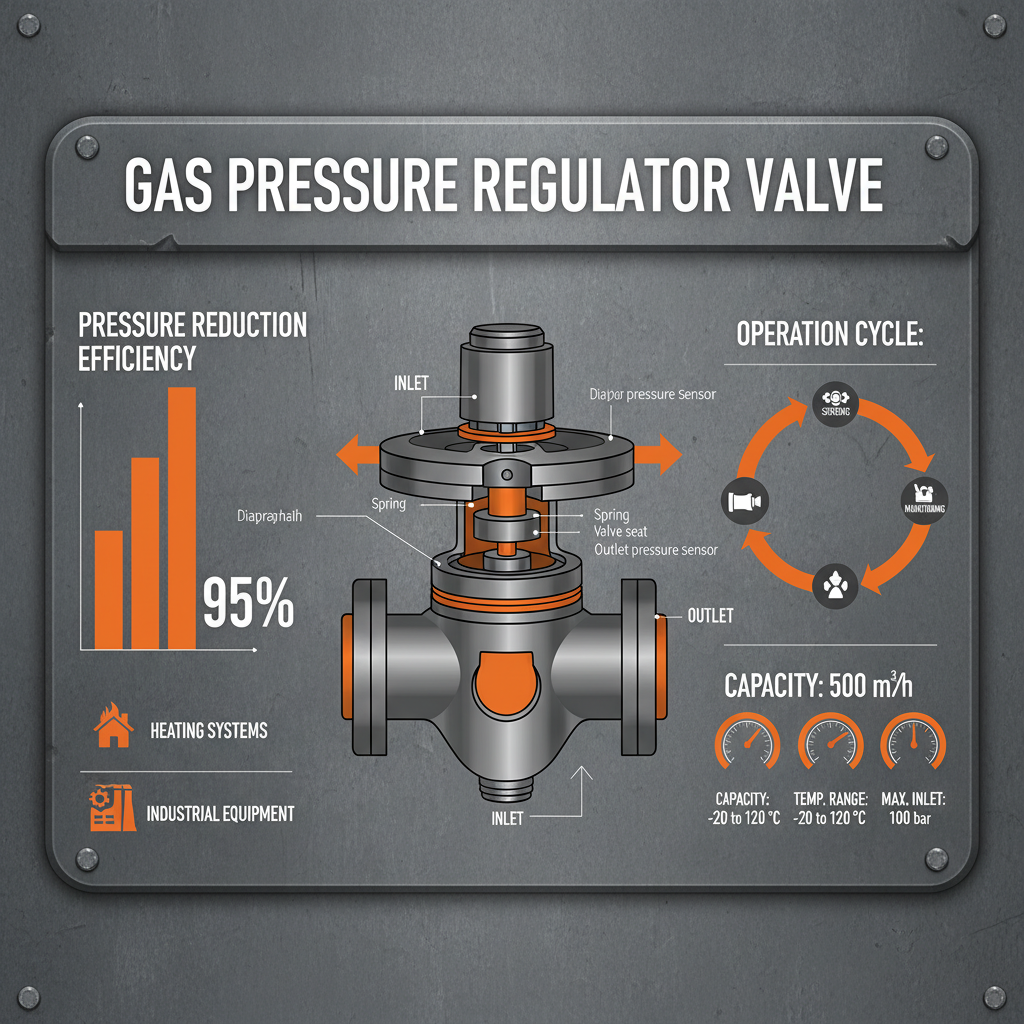
At their core, gas pressure regulator valves work by reducing high inlet pressure to a lower, more stable outlet pressure. This is achieved through a self-operated mechanism, typically utilizing a diaphragm, spring, and valve seat. As the downstream pressure changes, the diaphragm adjusts the valve opening, automatically increasing or decreasing the flow of gas to maintain the desired setpoint. The regulator continuously balances the forces of the gas pressure, spring tension, and any applied external force. Understanding this fundamental principle is key to appreciating the diverse applications and designs of these valves.
Key Principle: The regulator automatically adjusts the valve opening to maintain a constant downstream pressure, responding to changes in inlet pressure or gas demand.
Types of Gas Pressure Regulator Valves
Several types of gas pressure regulator valves are available, each suited for specific applications. Common types include direct-operated regulators, pilot-operated regulators, and self-relieving regulators. Direct-operated regulators are simple and cost-effective, suitable for low-flow applications. Pilot-operated regulators offer higher flow capacity and better accuracy, ideal for large-scale industrial processes. Self-relieving regulators incorporate a relief valve to prevent over-pressurization in the event of a downstream blockage. Gasouyinuo offers a wide variety of these to suit specific needs.
Regulator Type Comparison:
• Direct-Operated: Simple, cost-effective, low flow.
• Pilot-Operated: High flow, accurate, industrial applications.
• Self-Relieving: Includes over-pressure protection.
Selecting the Right Gas Pressure Regulator Valve: Key Considerations
Choosing the appropriate gas pressure regulator valve requires careful consideration of several factors. These include the type of gas being regulated (oxygen, nitrogen, propane, etc.), the inlet and outlet pressure requirements, the flow rate, and the operating temperature. Material compatibility is also crucial; the valve materials must be compatible with the gas to prevent corrosion or contamination. Furthermore, the level of accuracy and responsiveness needed for the application should be considered. For critical applications, pilot-operated regulators with high accuracy and stability are often preferred.
Applications of Gas Pressure Regulator Valves
Gas pressure regulator valves are indispensable across a wide range of industries. In the medical sector, they are vital for delivering precise oxygen and nitrous oxide flows. Industrial processes, such as welding, cutting, and chemical manufacturing, rely on regulators for controlling gas supply to ensure consistent results and safety. HVAC systems utilize regulators for maintaining accurate refrigerant pressures. Furthermore, they are commonly found in laboratory settings, gas distribution networks, and alternative fuel systems.
Maintenance and Safety Guidelines for Gas Pressure Regulator Valves
Regular maintenance is crucial for ensuring the reliable and safe operation of gas pressure regulator valves. This includes periodic inspections for leaks, corrosion, and damage. Filters should be cleaned or replaced as needed to prevent clogging. Diaphragms and other internal components may require periodic replacement based on usage and manufacturer recommendations. Always follow lockout/tagout procedures before performing any maintenance on a pressurized system. And be sure to only use genuine replacement parts from a reputable supplier like Gasouyinuo to maintain optimal performance and safety.
Conclusion: Ensuring Safe and Efficient Gas Control
Selecting and maintaining the right gas pressure regulator valve is paramount for safety, efficiency, and reliability in a multitude of applications. By understanding the different types, key considerations, and best practices, you can ensure optimal performance and minimize the risk of potential hazards. Invest in quality, prioritize maintenance, and always adhere to safety guidelines.
Frequently Asked Questions (FAQs)
What is the typical service life of a gas pressure regulator valve?
The service life of a gas pressure regulator valve varies depending on usage, operating conditions, and the type of gas handled. Generally, with proper maintenance, a regulator can last for 5-10 years. However, factors like exposure to corrosive gases, high flow rates, and extreme temperatures can shorten its lifespan. Regular inspections and timely replacement of worn parts are crucial for extending the valve's service life and ensuring continued safe operation. It's also recommended to follow the manufacturer's guidelines for specific maintenance intervals and replacement recommendations.
How do I troubleshoot a gas pressure regulator valve that is not maintaining pressure?
If a regulator isn’t maintaining pressure, several issues could be the cause. First, check for leaks in the system, including the valve body, connections, and diaphragm. Inspect the filter for blockage and clean or replace it if necessary. Verify that the inlet pressure is within the regulator's specified operating range. If the diaphragm is damaged, it will need to be replaced. A faulty spring can also cause pressure fluctuations. If you are not comfortable troubleshooting the valve yourself, it's best to consult with a qualified technician.
What safety precautions should I take when working with gas pressure regulator valves?
Safety is paramount when working with gas pressure regulator valves. Always wear appropriate personal protective equipment (PPE), including safety glasses and gloves. Ensure the work area is well-ventilated. Before performing any maintenance, isolate the gas supply and relieve any pressure in the system using appropriate venting procedures. Never attempt to repair a regulator while it is pressurized. Follow all lockout/tagout procedures and adhere to relevant safety regulations. If you are unsure about any aspect of the procedure, consult with a qualified professional.
Are there specific regulators designed for corrosive gases?
Yes, there are specialized gas pressure regulator valves designed specifically for handling corrosive gases. These regulators utilize materials like stainless steel, Hastelloy, or Teflon that are resistant to corrosion. The internal components, including the diaphragm and valve seat, are also constructed from compatible materials. Selecting a regulator specifically designed for the corrosive gas being handled is crucial to prevent damage, leaks, and potential hazards. Gasouyinuo offers a range of corrosion-resistant regulator options.
Latest news
-
Industrial Natural Gas Pressure Reducing Valve Guide and SelectionNewsApr.16,2026
-
Understanding the Industrial Regulating Valve for Fluid ControlNewsApr.09,2026
-
Understanding Gas Pressure Reducer Types Applications and Safety MeasuresNewsApr.07,2026
-
Understanding and Optimizing Gas Pressure Reducing Valve SystemsNewsApr.04,2026
-
Optimizing System Performance with the Right Filter Separator SelectionNewsMar.31,2026
-
Comprehensive Guide to Understanding and Utilizing Pressure Pipe SystemsNewsMar.28,2026