


Feb . 27, 2026 01:55
Back to list
Comprehensive Guide to Gas Regulators for Safe and Efficient Gas Control
Understanding Gas Regulators: A Comprehensive Guide
Gas regulators are crucial components in a wide range of industries, from welding and metal fabrication to chemical processing and medical applications. These devices control the flow of gas at a safe and consistent pressure, ensuring efficient and reliable operation of various equipment. Choosing the right gas regulator is paramount for safety and performance. This article will provide a detailed overview of gas regulators, their types, applications, and key considerations when selecting a regulator. We’ll explore the essential functions, features, and factors to help you make an informed decision.
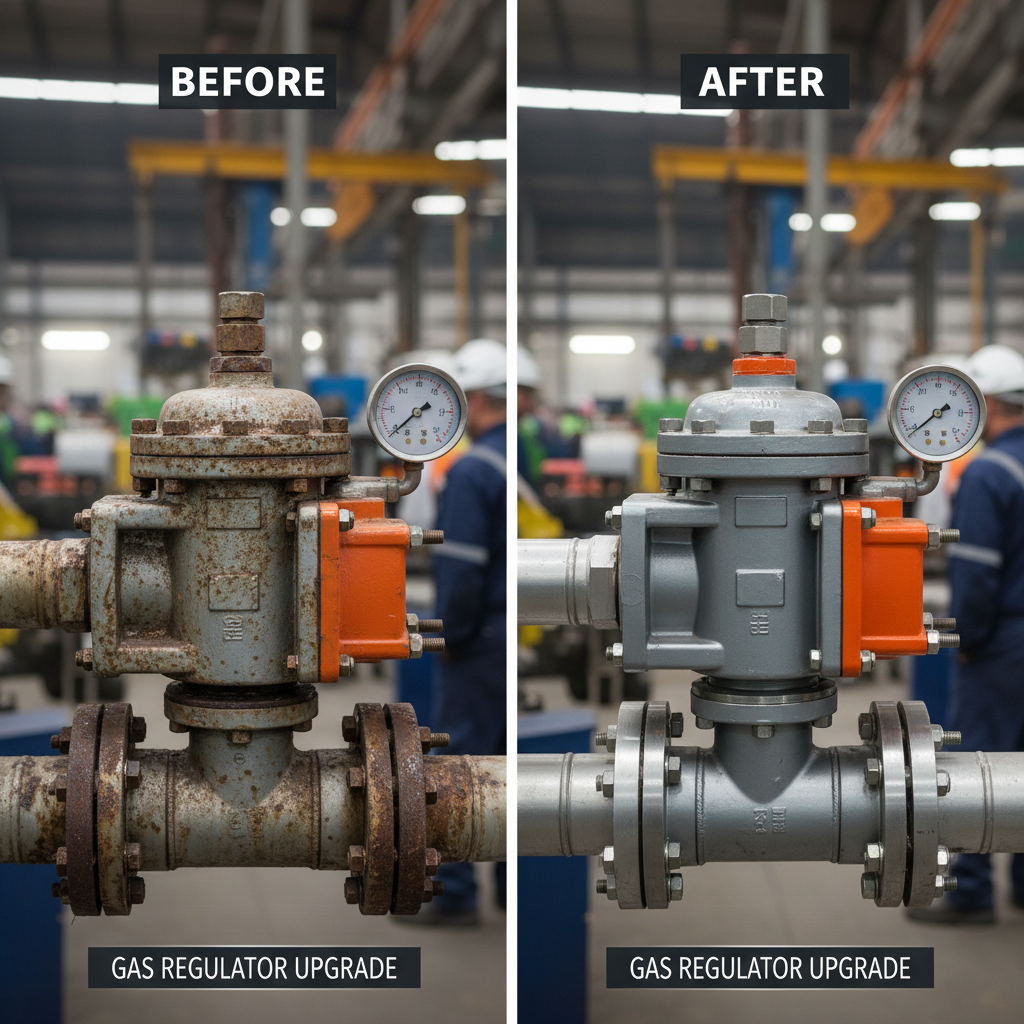
What is a Gas Regulator and Why is it Important?
A gas regulator is a valve that reduces a high-pressure gas source to a lower, more usable pressure. Gas cylinders often store gases at very high pressures – far too high for most applications. Without a regulator, the gas flow would be erratic and potentially dangerous. Regulators ensure a consistent gas flow, protecting equipment from damage and preventing hazardous situations. They are critical for maintaining stable processes, enhancing safety, and optimizing gas consumption. A properly functioning gas regulator is an investment in both safety and efficiency.
Key Benefits: Consistent gas flow, equipment protection, hazard prevention, stable processes, optimized gas consumption.
Types of Gas Regulators
Gas regulators come in various types, each designed for specific gas types and applications. The most common types include:
- Single-Stage Regulators: These regulators reduce the high cylinder pressure to a lower, fixed outlet pressure in a single step. They are generally less expensive and suitable for applications where pressure fluctuations are not critical.
- Two-Stage Regulators: These regulators reduce the pressure in two stages, providing more consistent outlet pressure even when the cylinder pressure drops. They are ideal for applications requiring precise pressure control.
- High-Pressure Regulators: Designed for handling very high-pressure gases, often used in industrial and research settings.
- Low-Pressure Regulators: Used for applications requiring very low outlet pressures, such as laboratory experiments or sensitive analytical equipment.
Choosing the Right Gas Regulator: Key Considerations
Selecting the correct gas regulator involves considering several factors. First, identify the type of gas you are regulating – different gases require different materials and connections. Second, determine the inlet and outlet pressures needed for your application. Third, consider the flow rate requirements. Fourth, ensure the regulator is compatible with the cylinder connection type. Finally, look for regulators that meet relevant safety standards and certifications.
Key Selection Criteria:
• Gas Type Compatibility
• Inlet and Outlet Pressure Requirements
• Flow Rate
• Cylinder Connection Type
• Safety Standards and Certifications
Gas Regulator Applications: A Diverse Range
Gas regulators are used in a vast array of applications across numerous industries. Some common examples include: welding and cutting, metal fabrication, chemical processing, laboratory research, medical applications (oxygen therapy, anesthesia), HVAC systems, and semiconductor manufacturing. The specific regulator required will depend on the gas type, pressure, and flow rate needed for each application.
Safety and Maintenance of Gas Regulators
Regular maintenance and adherence to safety guidelines are vital for ensuring the reliable and safe operation of gas regulators. Always inspect regulators for damage before use. Check for leaks using a suitable leak detection solution. Never attempt to repair a regulator yourself – contact a qualified technician. Proper storage and handling are also crucial to prevent damage and corrosion. Following manufacturer's instructions is essential. Gasouyinuo provides comprehensive safety information and support.
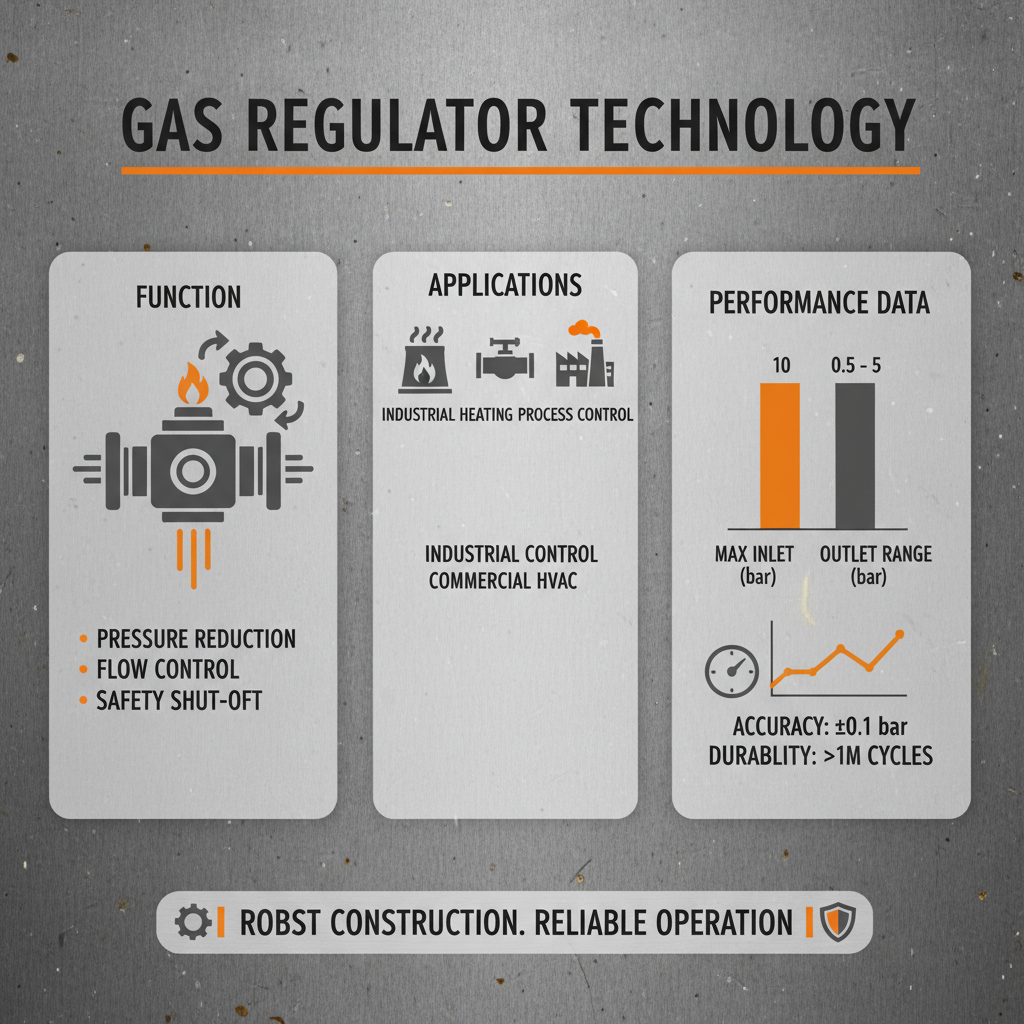
Conclusion: Ensuring Safe and Efficient Gas Control
Understanding gas regulators is crucial for any industry relying on controlled gas flow. Selecting the right regulator, ensuring proper maintenance, and adhering to safety guidelines are paramount for optimizing efficiency and protecting personnel. Gasouyinuo offers a wide range of high-quality gas regulators designed to meet diverse industrial needs. Invest in reliable gas control solutions for a safer and more productive operation.
Frequently Asked Questions (FAQs)
What is the difference between a single-stage and a two-stage gas regulator?
Single-stage regulators reduce the pressure in one step, making them simpler and more affordable. However, their outlet pressure can fluctuate as the cylinder pressure decreases. Two-stage regulators reduce the pressure in two steps, providing a more stable and consistent outlet pressure, even as the cylinder pressure drops. This makes them ideal for applications requiring precise pressure control. The choice depends on the specific application’s sensitivity to pressure fluctuations and the required level of precision.
How often should I replace my gas regulator?
The lifespan of a gas regulator depends on usage, the type of gas, and environmental conditions. Generally, regulators should be inspected annually and replaced every 5-10 years, or sooner if they show signs of damage, corrosion, or malfunction. It’s also recommended to replace a regulator if it has been exposed to a harsh chemical environment or if it’s been involved in an accident. Following the manufacturer's recommendations is crucial.
What safety precautions should I take when using a gas regulator?
Always inspect the regulator for damage before use. Ensure all connections are tight and leak-free. Use a compatible gas type for the regulator. Never attempt to repair a regulator yourself. Store regulators in a clean, dry environment. Follow the manufacturer’s instructions carefully. Wear appropriate personal protective equipment (PPE) and work in a well-ventilated area. Regularly check for leaks using a suitable leak detection solution.
Can a gas regulator be used with any type of gas?
No, a gas regulator is designed for specific gas types. Using a regulator with an incompatible gas can lead to corrosion, leaks, or even explosion. Different gases require different materials of construction within the regulator to prevent reactions or degradation. Always verify that the regulator is specifically rated for the gas you intend to use. Consult the manufacturer’s specifications for compatibility information.
Latest news
-
Industrial Natural Gas Pressure Reducing Valve Guide and SelectionNewsApr.16,2026
-
Understanding the Industrial Regulating Valve for Fluid ControlNewsApr.09,2026
-
Understanding Gas Pressure Reducer Types Applications and Safety MeasuresNewsApr.07,2026
-
Understanding and Optimizing Gas Pressure Reducing Valve SystemsNewsApr.04,2026
-
Optimizing System Performance with the Right Filter Separator SelectionNewsMar.31,2026
-
Comprehensive Guide to Understanding and Utilizing Pressure Pipe SystemsNewsMar.28,2026