


Mar . 26, 2026 01:55
Back to list
Comprehensive Guide to Gas Safety Valves and Their Essential Applications
Understanding Gas Safety Valves: A Comprehensive Guide
Gas safety valves are critical components in any system utilizing gaseous fuels. They protect against dangerous pressure buildup and prevent leaks, ensuring the safe and efficient operation of gas appliances and industrial processes. This article will provide a detailed overview of gas safety valves, their types, applications, maintenance, and the importance of choosing the right valve for your specific needs. Ensuring gas safety is paramount, and understanding these valves is a significant step toward that goal. Explore our range of high-quality gas safety valves at Gasouyinuo.
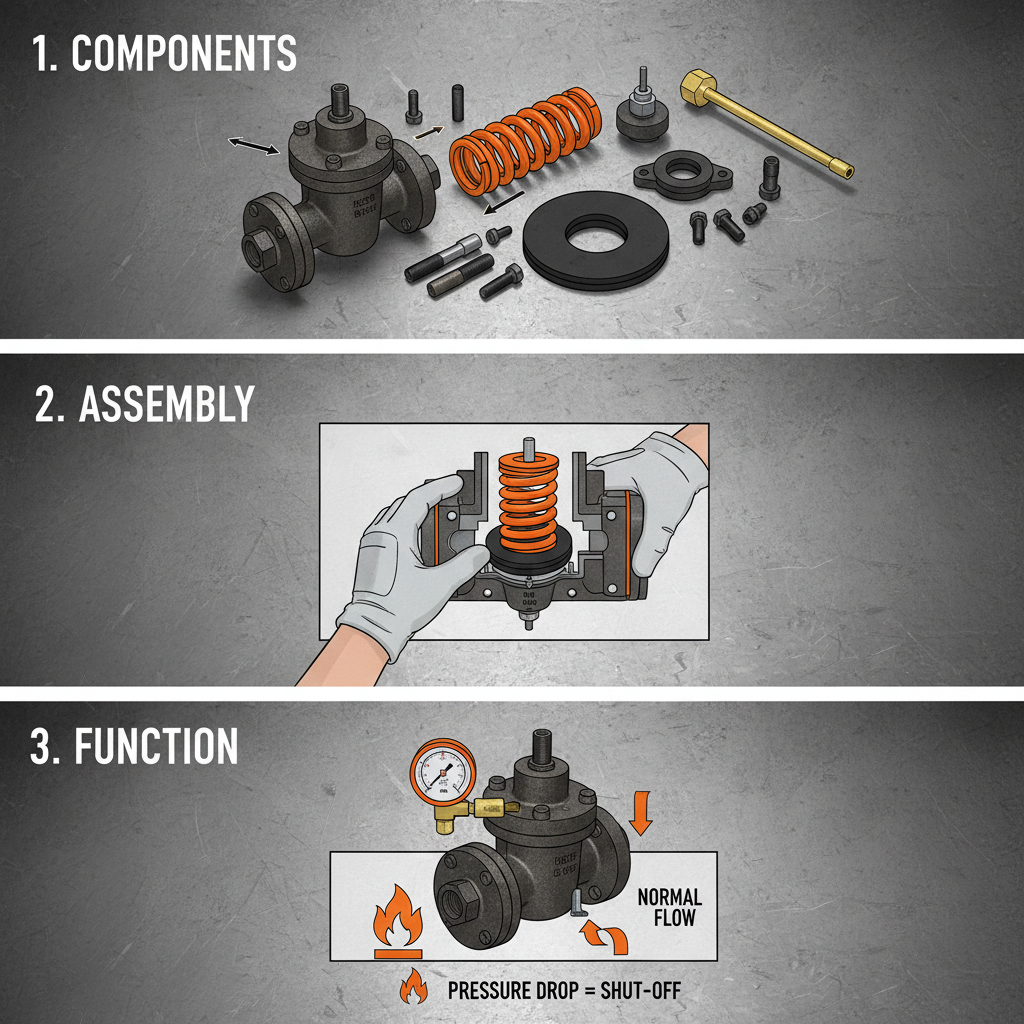
What is a Gas Safety Valve?
A gas safety valve, also known as a gas shut-off valve, is a mechanically operated valve designed to automatically stop the flow of gas in the event of an unsafe condition. These conditions can include excessive pressure, a flameout in a burner system, or a gas leak. The primary function is to protect equipment and personnel from the hazards associated with uncontrolled gas flow. These valves are often found in boilers, furnaces, gas stoves, and industrial gas processing facilities. They act as a crucial last line of defense against potentially catastrophic events. Selecting the right gas safety valve is vital for maintaining a safe and reliable gas system.
Key Benefit: Automatic shut-off capability in response to unsafe gas conditions, providing a critical layer of safety.
Types of Gas Safety Valves
There are several types of gas safety valves, each designed for specific applications and levels of protection. Common types include:
- Pilot Operated Valves: These valves rely on a pilot flame to remain open. If the pilot flame goes out, the valve shuts off the gas supply.
- Pressure Relief Valves: These valves open when the gas pressure exceeds a pre-set limit, preventing over-pressurization.
- Flame Failure Devices (FFDs): Similar to pilot operated valves, FFDs shut off the gas if a flame is not detected.
- Solenoid Valves: These electrically operated valves can be used as safety shut-off valves, controlled by sensors and safety systems.
Valve Selection Considerations:
• Fuel Type (Natural Gas, Propane, etc.)
• Operating Pressure
• Safety System Requirements
• Application (Boiler, Furnace, Stove, etc.)
Gas Safety Valve Applications
Gas safety valves are used in a diverse range of applications to ensure safe gas handling and usage. Some of the key applications include:
- Residential Heating: Boilers, furnaces, and water heaters rely on safety valves to prevent gas leaks and over-pressurization.
- Commercial Cooking: Gas stoves, ovens, and grills in restaurants and commercial kitchens require robust safety valves.
- Industrial Processes: Chemical plants, refineries, and manufacturing facilities utilize gas safety valves for process control and safety.
- Gas Distribution Systems: Valves are used in pipelines and gas storage facilities to regulate pressure and prevent accidents.
Maintaining Your Gas Safety Valve
Regular maintenance is essential to ensure the reliable operation of gas safety valves. This includes:
- Visual Inspection: Regularly check for signs of corrosion, damage, or leaks.
- Functional Testing: Periodically test the valve's operation to verify it shuts off the gas supply when triggered.
- Cleaning: Keep the valve clean and free from debris that could interfere with its operation.
- Professional Inspection: Have a qualified technician inspect and test the valve annually.
Choosing the Right Gas Safety Valve
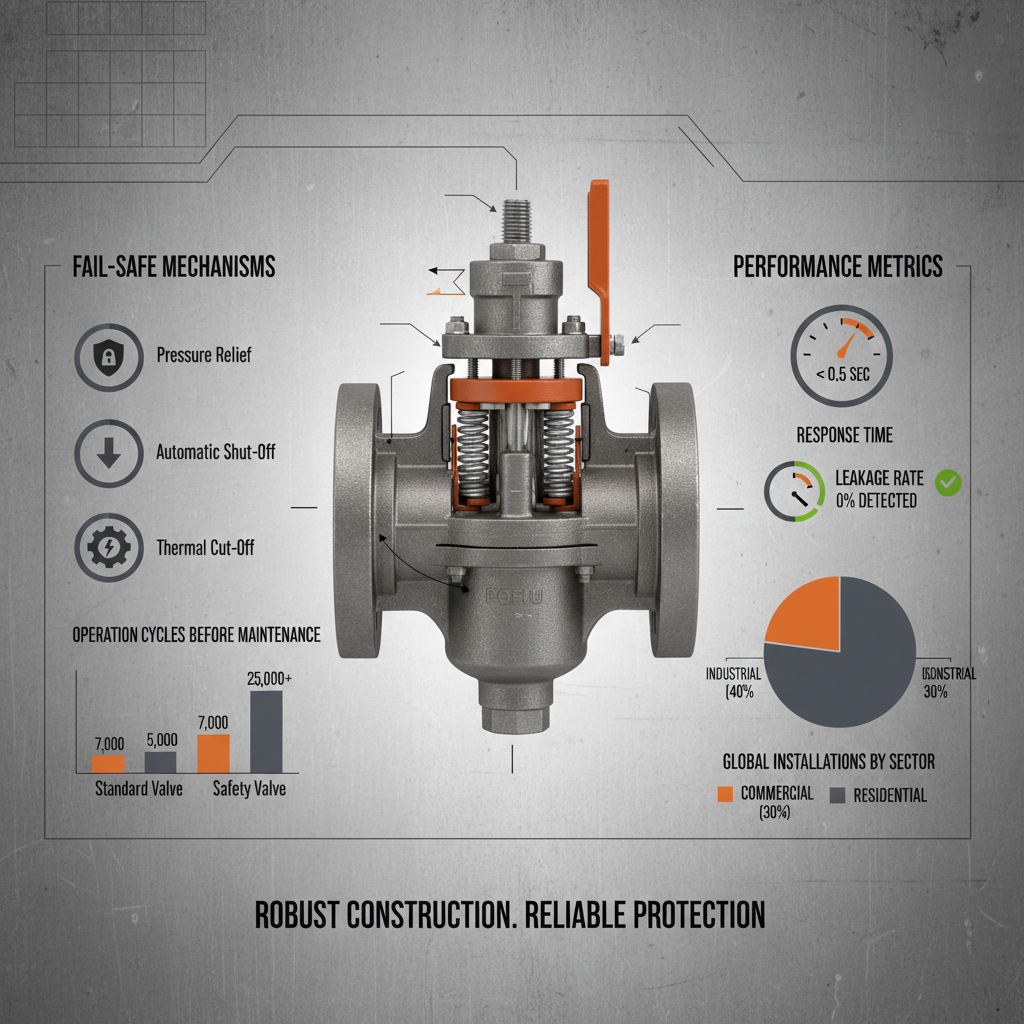
Selecting the appropriate gas safety valve is crucial for optimal performance and safety. Consider the following factors:
- Gas Type: Ensure the valve is compatible with the type of gas being used (natural gas, propane, etc.).
- Pressure Rating: The valve’s pressure rating must match the operating pressure of the system.
- Flow Capacity: Choose a valve with sufficient flow capacity to handle the system's gas demand.
- Certification: Look for valves certified by recognized safety organizations.
Conclusion: Prioritizing Safety with Reliable Gas Valves
Investing in high-quality gas safety valves is a vital step towards protecting your home, business, and loved ones. Understanding the different types of valves, their applications, and the importance of regular maintenance empowers you to make informed decisions and ensure a safe gas system. Don’t compromise on safety – choose Gasouyinuo for reliable, certified gas safety solutions.
Frequently Asked Questions (FAQs)
How often should I test my gas safety valve?
It is recommended to test your gas safety valve at least annually, or more frequently if specified by the manufacturer or local regulations. Testing involves verifying that the valve shuts off the gas supply when triggered, either manually or automatically. This ensures the valve is functioning correctly and can respond effectively in an emergency. A qualified gas technician should perform the testing for accurate results and safety.
What are the signs of a faulty gas safety valve?
Several signs may indicate a faulty gas safety valve. These include a gas odor, clicking sounds coming from the valve, difficulty igniting a gas appliance, or a visible leak around the valve. If you notice any of these signs, immediately shut off the gas supply and contact a qualified gas technician for inspection and repair. Ignoring these signs can lead to a dangerous gas leak and potential explosion.
Can I replace a gas safety valve myself?
Replacing a gas safety valve is generally not recommended for DIY projects. Gas systems are complex and potentially dangerous, and improper installation can lead to gas leaks and explosions. It's crucial to have a qualified and licensed gas technician perform the replacement to ensure it is done safely and correctly, adhering to all local codes and regulations. Attempting a self-replacement can void warranties and create a hazardous situation.
What certifications should I look for when purchasing a gas safety valve?
When purchasing a gas safety valve, look for certifications from recognized safety organizations such as CSA (Canadian Standards Association), UL (Underwriters Laboratories), or CE (European Conformity). These certifications indicate that the valve has been tested and meets stringent safety standards. Choosing a certified valve ensures its quality, reliability, and compliance with industry regulations. Gasouyinuo offers a range of certified gas safety valves.
Latest news
-
Industrial Natural Gas Pressure Reducing Valve Guide and SelectionNewsApr.16,2026
-
Understanding the Industrial Regulating Valve for Fluid ControlNewsApr.09,2026
-
Understanding Gas Pressure Reducer Types Applications and Safety MeasuresNewsApr.07,2026
-
Understanding and Optimizing Gas Pressure Reducing Valve SystemsNewsApr.04,2026
-
Optimizing System Performance with the Right Filter Separator SelectionNewsMar.31,2026
-
Comprehensive Guide to Understanding and Utilizing Pressure Pipe SystemsNewsMar.28,2026