


Mar . 21, 2026 01:55
Back to list
Comprehensive Guide to Safety Relief Valve Applications and Maintenance
Understanding Safety Relief Valves: A Comprehensive Guide
Safety relief valves are critical components in many industrial applications, protecting equipment and personnel from overpressure events. These valves automatically release excess pressure when a predetermined limit is reached, preventing potential damage or catastrophic failure. At Gasouyinuo, we specialize in high-quality safety relief valves designed for diverse industries. This article provides a detailed overview of safety relief valves, their types, applications, and key considerations for selection and maintenance. Understanding these valves is essential for ensuring operational safety and efficiency.
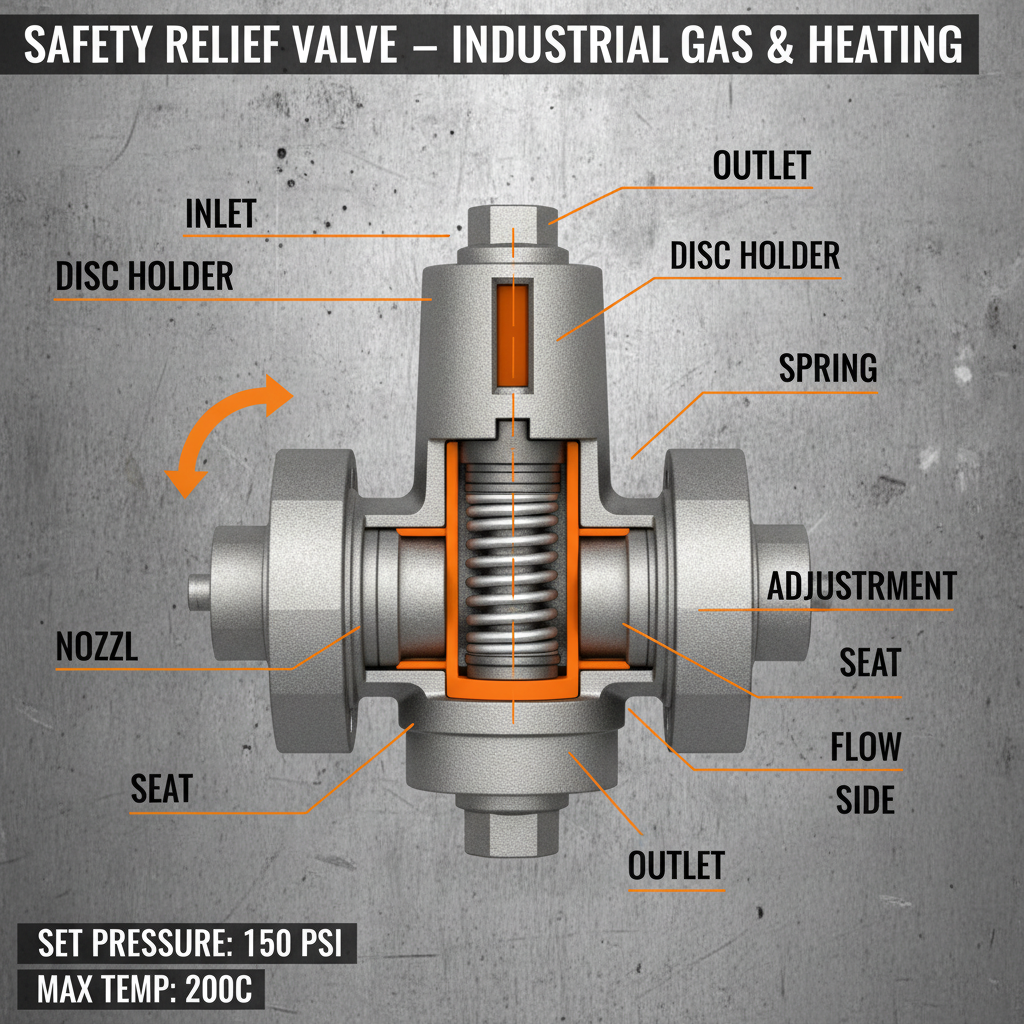
What is a Safety Relief Valve?
A safety relief valve is a pressure-operated valve designed to protect a pressurized system from exceeding a safe working pressure. It functions by automatically relieving excess pressure when the system pressure rises above the valve's set pressure. This prevents damage to equipment, pipelines, and ensures the safety of personnel. These valves are essential in various industries, including oil and gas, chemical processing, power generation, and water treatment. They are vital for preventing explosions, ruptures, and other hazardous events.
Key Benefits: Preventing overpressure, protecting equipment, enhancing safety, and ensuring operational reliability.
Types of Safety Relief Valves
Several types of safety relief valves are available, each suited for specific applications. The most common types include:
- Conventional Spring-Loaded Relief Valves: These valves use a spring to oppose the pressure, opening when the system pressure exceeds the spring force.
- Balanced Bellows Relief Valves: These valves incorporate a bellows to counteract back pressure, making them suitable for systems with varying back pressure.
- Pilot-Operated Relief Valves: These valves use a pilot valve to control the main valve, offering higher capacity and tighter shut-off.
- Direct Spring Relief Valves: A simple and reliable design utilizing a direct spring to control the opening pressure.
Valve Type Comparison:
• Conventional Spring-Loaded: Cost-effective, widely used, suitable for stable back pressure.
• Balanced Bellows: Accurate, suitable for varying back pressure, increased complexity.
• Pilot-Operated: High capacity, tight shut-off, more complex and expensive.
Applications of Safety Relief Valves
Safety relief valves are employed across a broad spectrum of industries and applications. Some prominent examples include:
- Oil and Gas: Protecting pipelines, storage tanks, and processing equipment from overpressure.
- Chemical Processing: Ensuring safety in reactors, distillation columns, and other chemical handling systems.
- Power Generation: Safeguarding boilers, steam turbines, and heat recovery steam generators.
- Water Treatment: Preventing overpressure in pumps, filters, and pipelines.
- Air Compressors: Protecting compressors and connected systems.
Choosing the Right Safety Relief Valve
Selecting the appropriate safety relief valve requires careful consideration of several factors, including:
Maintenance and Testing
Regular maintenance and testing are crucial to ensure the reliability of safety relief valves. These include:
- Visual Inspection: Regularly check for signs of corrosion, damage, or leakage.
- Functional Testing: Periodically test the valve's operation to verify its set pressure and relieving capacity.
- Calibration: Ensure the valve is properly calibrated to maintain accurate performance.
- Record Keeping: Maintain detailed records of all inspections, tests, and maintenance activities.
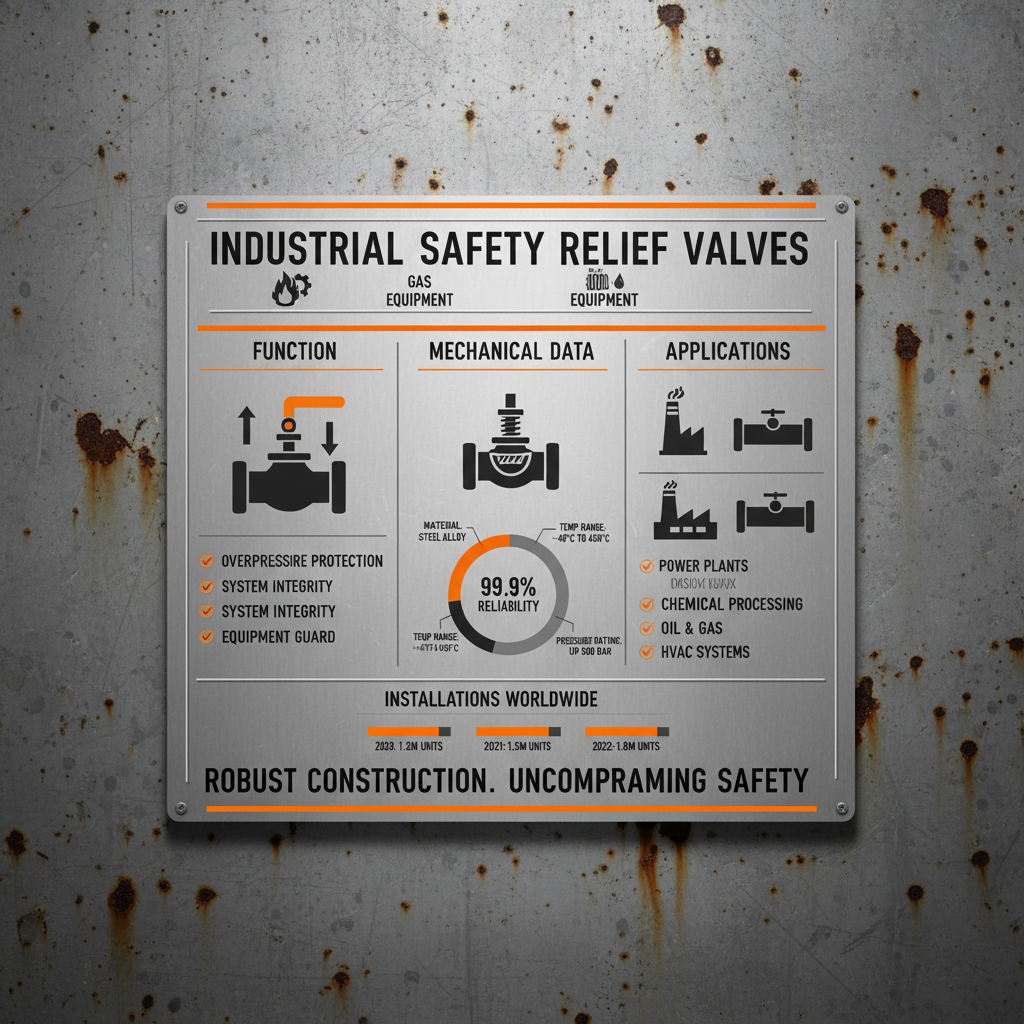
Conclusion: Ensuring Safety with Reliable Relief Valves
Investing in high-quality safety relief valves from a reputable supplier like Gasouyinuo is paramount for protecting your equipment and personnel. Proper selection, installation, and maintenance are essential for ensuring reliable operation and preventing costly downtime or hazardous incidents. We are committed to providing innovative and dependable solutions to meet your pressure relief needs.
Frequently Asked Questions (FAQs)
What is the difference between a safety relief valve and a safety valve?
While often used interchangeably, there’s a subtle difference. Safety valves are typically used for compressible fluids (gases, steam), offering quick opening and full lift. Safety relief valves are designed for incompressible fluids (liquids) and provide proportional pop action – the valve opens gradually as pressure increases. The key distinction lies in the fluid type and the valve’s operating characteristics. Choosing the correct valve type is crucial for optimal system protection.
How often should safety relief valves be tested?
The frequency of testing depends on industry regulations and the specific application. Generally, annual testing is recommended, but some industries require more frequent checks. Testing verifies the valve’s set pressure, leakage rate, and overall functionality. Proper documentation of all testing activities is essential for compliance and traceability. Regular testing ensures the valve will operate correctly when needed.
What are the common causes of safety relief valve failure?
Common failure causes include corrosion, fouling (build-up of debris), improper sizing, and mechanical wear. Corrosion can weaken valve components, leading to leakage or failure to open. Fouling can obstruct the valve’s seat, preventing proper sealing. Incorrect sizing can result in either under-capacity or premature operation. Regular inspection and maintenance can mitigate these risks.
What materials are safety relief valves typically made from?
Safety relief valves are commonly constructed from materials like stainless steel, carbon steel, brass, and alloy steels. The choice of material depends on the fluid being handled, the operating temperature, and the pressure requirements. Stainless steel is often preferred for corrosive environments, while carbon steel is suitable for less demanding applications. Choosing the right material ensures compatibility and long-term reliability.
Latest news
-
Industrial Natural Gas Pressure Reducing Valve Guide and SelectionNewsApr.16,2026
-
Understanding the Industrial Regulating Valve for Fluid ControlNewsApr.09,2026
-
Understanding Gas Pressure Reducer Types Applications and Safety MeasuresNewsApr.07,2026
-
Understanding and Optimizing Gas Pressure Reducing Valve SystemsNewsApr.04,2026
-
Optimizing System Performance with the Right Filter Separator SelectionNewsMar.31,2026
-
Comprehensive Guide to Understanding and Utilizing Pressure Pipe SystemsNewsMar.28,2026