


Oct . 10, 2025 11:35
Back to list
Decompression Equipment for Natural Gas: Safe & Efficient?
RTZ1-50/FPQ Gas Pressure Regulator: Field Notes on Practical Decompression
If you work around district gas grids, you already know the unsung hero isn’t the big station—it’s the compact decompression equipment on the block that keeps kitchens humming and boilers calm. The RTZ1-50/FPQ series has been popping up in my inbox lately, and after talking with a few installers I trust, I took a closer look. It’s built in Hebei, China (No. 6 Weiqi Street, South District of Hengshui Innovation Port, Zaoqiang County, Hengshui City)—and, surprisingly, the fit-and-finish is better than you’d expect at this price tier.
Where it fits—and why the market cares
Urban gas systems are getting denser; small industrial users want tighter control; and commercial burners hate pressure drift. This RTZ1-50/FPQ aims squarely at residential districts, small industrial/commercial users, and small direct-combustion equipment. It sounds humble, but consistent outlet pressure is what saves service calls. Many customers say outlet stability—and fast lock-up—matter more than headline flow numbers. To be honest, same here.
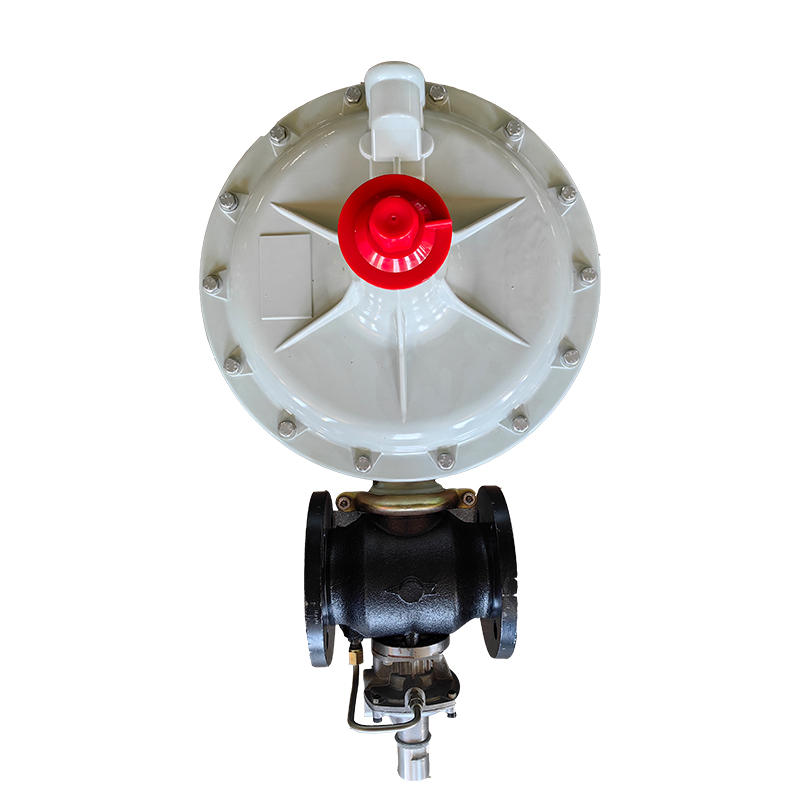
Typical specifications (real-world use may vary)
| Model | RTZ1-50/FPQ |
| Nominal size | DN50 (2") |
| Inlet pressure | ≈0.02–0.4 MPa |
| Outlet set range | ≈1–5 kPa (custom ranges available) |
| Accuracy class | AC 5 (typical) |
| Lock-up (shut-off) | SG 10 (typical), optional OPSO/UPSO |
| Flow capacity | up to ≈1,800 Nm³/h (natural gas, ΔP ≈10 kPa) |
| Temperature | -20°C to +60°C |
| Body / internals | Ductile iron or WCB; SS304/SS316 trims; NBR/FKM seals |
| Connections | Flanged (GB/T 9113, ASME B16.5), custom on request |
Process, testing, and service life
- Materials: pressure-retaining parts in ductile iron or cast steel; wear surfaces optionally nitrided.
- Manufacturing: CNC machining, controlled spring selection, seat lapping; factory clean and dry gas tested.
- Testing: strength test ≈1.5× MIP; seat leakage ≤1×10^-3 mbar·L/s (helium) where specified; performance per ISO 23555/EN 334 methods.
- Service life: around 10–15 years with periodic diaphragm and seal replacement (site conditions apply).
- Certifications: ISO 9001 QMS; PED/CE and ATEX documentation available when projects require.
Application snapshots
- Residential district stations balancing peak dinner demand without outlet droop.
- Small industrial burners—ceramics kilns, bakery ovens—where overshoot ruins batches.
- Commercial kitchens that need steady flame under fluctuating inlet pressure. In fact, one chef told me the “flame stopped breathing” after a swap—his words, not mine.
Advantages I noticed
- Stable control near low setpoints; decent lock-up, even after thermal swings.
- Compact footprint for cabinet or wall-mount stations.
- Field-friendly spring changes and top-access internals—techs appreciate that.
Vendor landscape (quick comparison)
| Vendor | Standards/Docs | Lead Time | Customization | After‑sales |
|---|---|---|---|---|
| Yinuo RTZ1-50/FPQ | ISO 9001; ISO 23555/EN 334 test reports; PED on request | ≈2–5 weeks | Springs, flanges, OPSO/UPSO options | Regional support; quick spares |
| Generic Import A | Basic COC; limited test data | ≈6–8 weeks | Minimal | Email only |
| Regional Brand B | EN 334; ATEX | ≈3–6 weeks | Moderate | Strong local service |
Customization and integration
Common tweaks include alternative spring ranges (0.5–2 kPa, 2–7 kPa), stainless trims for wet gas, low‑temp elastomers, and matched upstream filtration (≈5–50 μm). Skid builders often add slam‑shut, gauges, and heater stubs to keep decompression equipment frost‑free on cold mornings.
Two quick case notes
- Northern residential block: outlet ripple fell to ≈±0.3 kPa during dinner peaks; site logs showed fewer pressure alarms over 6 months.
- Small bakery line: after swap, lock‑up improved (operators reported steadier flames), with maintenance reduced to quarterly inspections. Not a lab test—just honest shop-floor feedback.
Bottom line: for compact stations needing dependable decompression equipment with sensible options—and without the boutique price—the RTZ1-50/FPQ is worth shortlisting.
Standards and references
- ISO 23555-1:2022 Gas pressure regulators for inlet pressures up to 10 MPa.
- EN 334:2019 Gas pressure regulators for transmission and distribution.
- EU PED 2014/68/EU Pressure Equipment Directive.
- IEC 61508 Functional safety—SIL framework for safety-related systems.
- GB 50028-2021 Code for design of city gas (China).
Latest news
-
Industrial Natural Gas Pressure Reducing Valve Guide and SelectionNewsApr.16,2026
-
Understanding the Industrial Regulating Valve for Fluid ControlNewsApr.09,2026
-
Understanding Gas Pressure Reducer Types Applications and Safety MeasuresNewsApr.07,2026
-
Understanding and Optimizing Gas Pressure Reducing Valve SystemsNewsApr.04,2026
-
Optimizing System Performance with the Right Filter Separator SelectionNewsMar.31,2026
-
Comprehensive Guide to Understanding and Utilizing Pressure Pipe SystemsNewsMar.28,2026