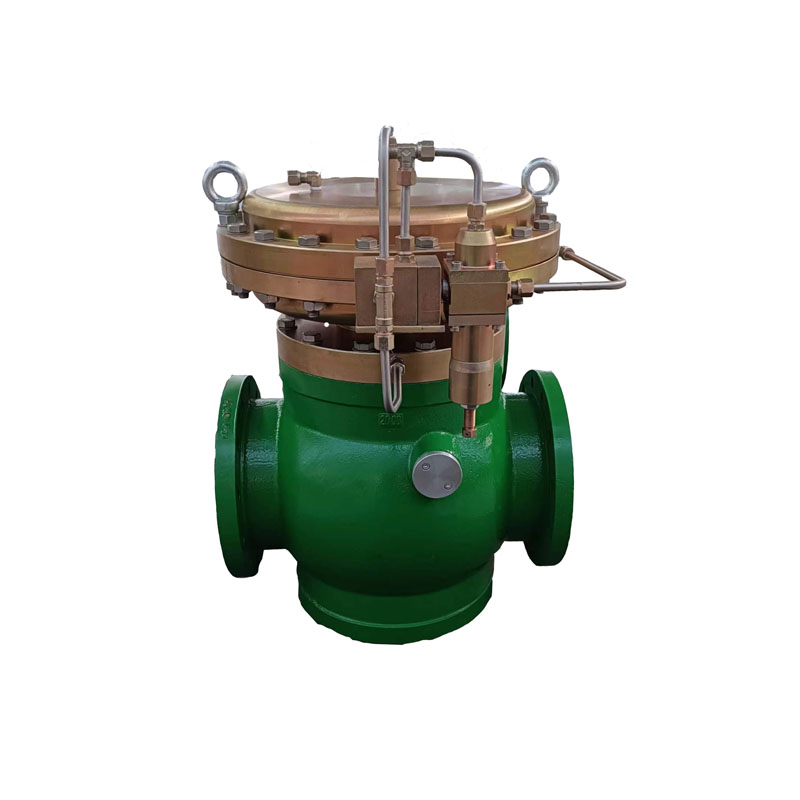
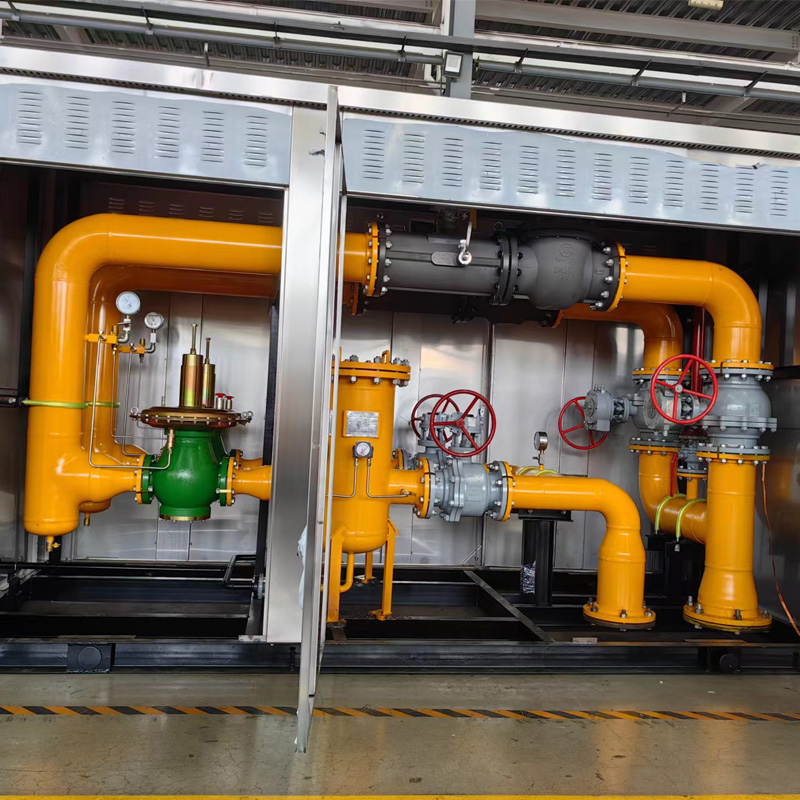
High-Performance City Gate Station Solutions for Ecuador's Gas Infrastructure

Optimizing natural gas transmission and distribution across the Andean region with precision engineering and smart regulation technology.

High-Performance City Gate Station Solutions for Ecuador's Gas Infrastructure

Providing Ecuador's energy sector with integrated pressure reduction and metering systems designed to withstand diverse topographic challenges and ensure stable urban gas supply.

Current State of Gas Regulation in Ecuador

Analyzing the operational challenges of gas distribution in South America's diverse Andean landscapes.

Ecuador's gas infrastructure faces unique challenges due to its extreme altitudinal variations, from the coastal plains to the high Andes. The current reliance on legacy decompression equipment often leads to efficiency losses in mountainous terrains where pressure drops are inconsistent.

With the increasing demand for industrial gas in cities like Quito and Guayaquil, the adoption of modular skid mounted equipment has become critical. This shift allows for faster deployment in remote areas where traditional on-site construction is hindered by rugged geography.

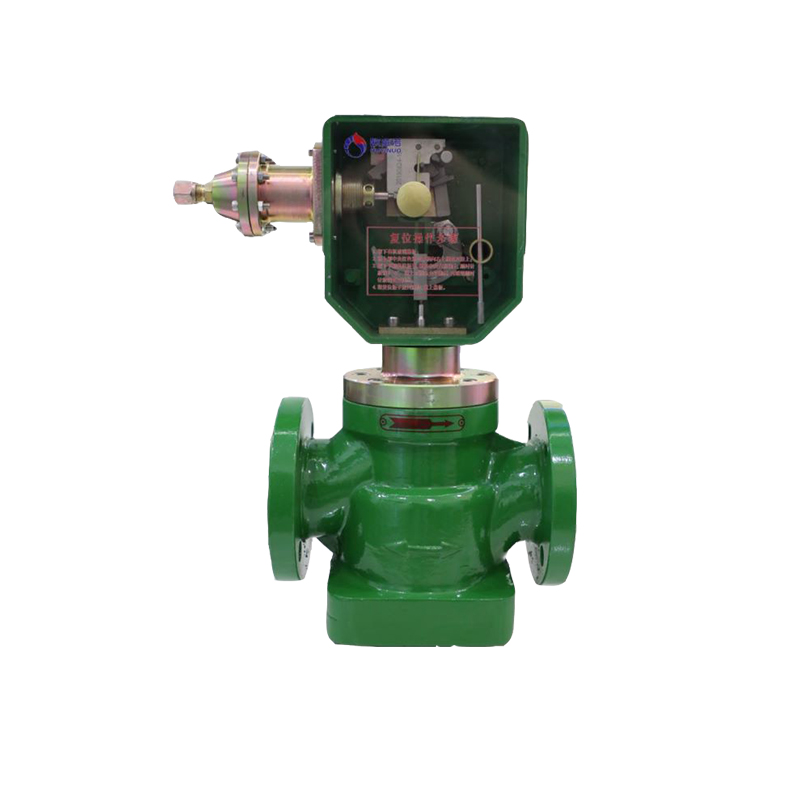
Furthermore, the integration of a smart regulator is becoming a priority for local utility companies to reduce manual intervention and enhance the safety of the urban distribution network against seismic activities common in the region.
Evolution of Pressure Control Technology

From manual valve operations to autonomous digital gas management systems.

Market Development History

In the early 2000s, Ecuador's gas sector relied primarily on basic mechanical valves and manual pressure adjustment stations, which required frequent on-site technician visits and lacked real-time monitoring.

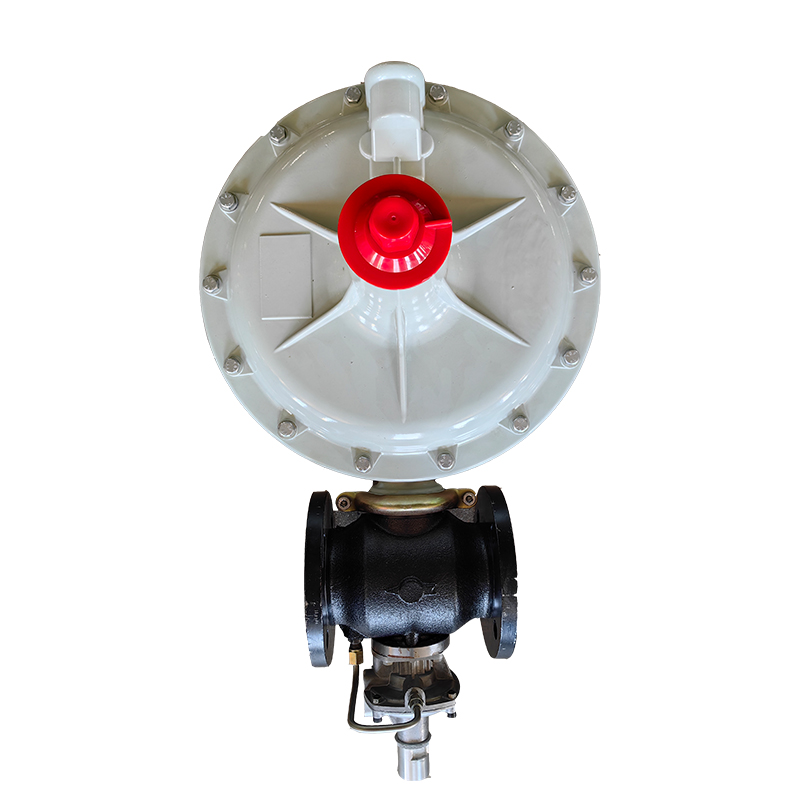
Between 2010 and 2020, the industry transitioned toward semi-automated decompression skid units. This era introduced pilot-operated regulators that improved stability but still lacked integrated data feedback loops.

From 2021 onwards, the market has entered the "Smart Era," characterized by the deployment of IoT-enabled regulators and fully integrated stations that allow for remote pressure modulation and leak detection.

Future Development Trends

Digital Twin Integration

Predictive maintenance using digital twins will allow Ecuadorian operators to simulate pressure fluctuations before they occur, reducing downtime in critical supply lines.

Hydrogen-Ready Infrastructure

Future equipment will be designed with materials compatible with hydrogen blending, supporting Ecuador's transition toward a lower-carbon energy matrix.

Edge Computing Control

The shift toward edge computing within the smart regulator will enable millisecond-response times for pressure stabilization without relying on cloud latency.

Industry Trends and Future Outlook

Strategic directions for the valve and regulator manufacturing sector in Ecuador.

Modularization Surge
Increased demand for pre-fabricated skids to reduce on-site labor in remote Ecuadorian provinces.
IoT-Driven Control
Integration of wireless sensors for real-time monitoring of gas flow and pressure across city networks.
Sustainability Focus
Focus on zero-leakage valve technology to reduce methane emissions in accordance with global standards.
Seismic Resilience
Designing valve supports and skid frames specifically for the high seismic activity of the Ecuador region.

Industry Outlook

Based on Google search trends in the LATAM energy sector, there is a significant increase in queries related to "automated gas distribution" and "modular energy stations." This indicates that Ecuadorian utility providers are aggressively seeking alternatives to traditional construction.

We expect the market for decompression equipment to shift toward fully autonomous systems within the next 3-5 years, emphasizing energy efficiency and reduced operational risk.

Localized Application Scenarios in Ecuador

Tailored gas solutions for the unique industrial and geographical landscape of Ecuador.

01. High-Altitude Industrial Hubs (Quito)

Implementing high-precision smart regulator systems to maintain consistent pressure in industrial parks located in the Andes, where atmospheric pressure varies significantly.

02. Coastal Distribution Terminals (Guayaquil)

Deploying corrosion-resistant city gate station components to handle the humid and saline environment of Ecuador's coastal regions.

03. Remote Oil Field Powering

Using skid mounted equipment for rapid installation of gas-to-power modules in remote Amazonian oil fields, reducing installation time by 60%.

04. Urban Residential Pressure Reduction

Installation of compact decompression skid units in dense urban areas to safely step down transmission pressures for residential use.

05. Mining Sector Energy Supply

Customized decompression equipment designed for the heavy-duty requirements of mining operations in the southern highlands.

Brand Story

Global Development History of Hebei Ouyinuo Gas Equipment Co., Ltd.

Foundational Engineering

Established with a mission to solve the instability of high-pressure gas regulation in harsh industrial environments.

Technological Breakthrough

Developed the first generation of smart-integrated regulators, bridging the gap between mechanical reliability and digital control.

Global Expansion

Extended our footprint into South America, specializing in ruggedized solutions for Andean topographic challenges.

Certification & Standards

Achieved international safety certifications, ensuring every valve and skid meets the most stringent global energy protocols.

Future Vision

Leading the transition toward autonomous, zero-emission gas distribution networks worldwide.

Complete Gas Solution Portfolio for Ecuador

Integrated hardware and software components for secure gas transmission.

Common Questions in the Ecuadorian Gas Market

Expert answers regarding gas regulation and equipment deployment.

How does high altitude affect the performance of a smart regulator in Quito?

At high altitudes, atmospheric pressure changes can affect traditional regulators. Our smart regulators utilize active compensation algorithms to ensure a constant downstream pressure regardless of the elevation.

What are the benefits of using skid mounted equipment for remote oil fields?

Skid mounted equipment is pre-assembled and tested at the factory, which minimizes on-site welding and installation time, significantly reducing the cost of deployment in remote Amazonian areas.

Can a city gate station be upgraded to include digital monitoring?

Yes, our systems are designed for modular upgrades. We can integrate digital flow meters and remote telemetry units (RTUs) into existing stations to enable real-time SCADA integration.

Which decompression equipment is best for seismic zones?

For seismic zones, we recommend decompression equipment with reinforced structural skids and flexible connection hoses that can absorb vibration and displacement without leaking.

How often should a decompression skid be maintained in humid coastal climates?

In humid environments like Guayaquil, we recommend quarterly inspections of the valve seals and anti-corrosion coatings to prevent salt-air degradation.

What is the typical lead time for custom gas regulation skids?

Custom engineering and fabrication typically take 8-12 weeks, including rigorous pressure testing and certification before shipping to Ecuador.

Request a Technical Consultation

Our engineers are ready to optimize your gas infrastructure in Ecuador with world-class regulation technology.

Contact Us Now

If you are interested in our products, you can choose to leave your information here, and we will be in touch with you shortly.