


Oct . 14, 2025 09:20
Back to list
LPG Equipment & Pressure Reducing Valves – Safe, Precise
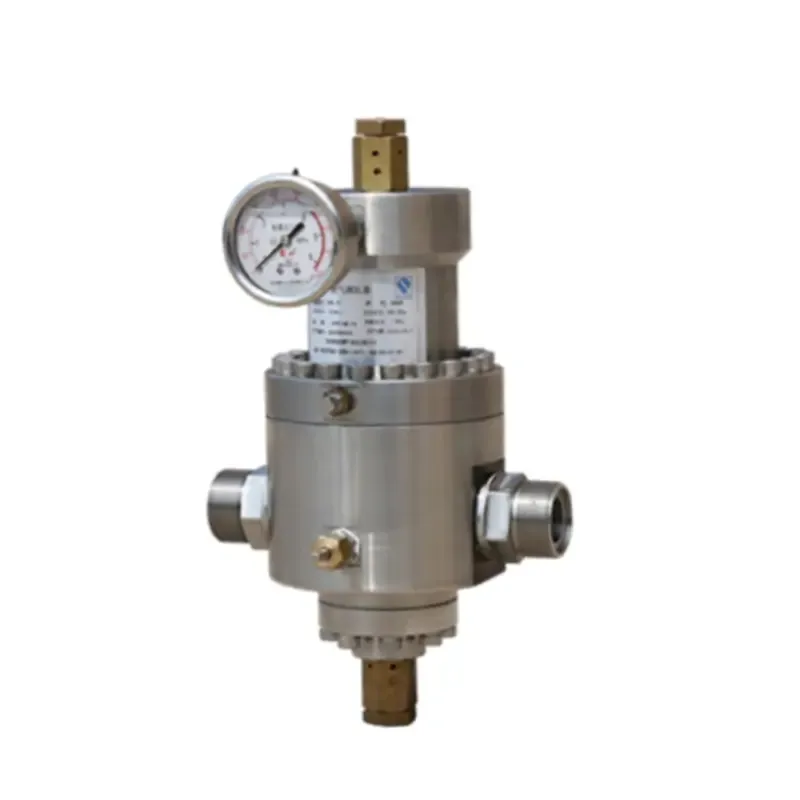
RTZ2-25/25CNG Gas Pressure Regulator for Modern LPG/CNG Stations: Field Notes and Hard Specs
If you work with lpg, you already know the pressure game is won or lost at the regulator. In the last two years, I’ve watched midstream operators and cylinder-filling plants lean into high-pressure, high-reliability designs—and the RTZ2-25/25CNG has popped up again and again. It’s built in Hebei, China (No. 6 Weiqi Street, South District of Hengshui Innovation Port, Zaoqiang County, Hengshui City), which I’ve visited—busy shop floor, lots of forgings, surprisingly tidy test bays.
Industry trends (and why this matters)
The LPG and CNG landscape is shifting toward higher inlet ratings and tighter outlet stability, especially on compact skids. ANSI Class 1500 pressure trains used to be a rarity in smaller stations; now they’re practically standard on expansion projects. Operators want high flow capacity without hunting, vent minimization, plus an integrated design that reduces leak paths. To be honest, many customers say they’re tired of quirky pilot setups—so an integrated, rugged regulator feels refreshing.
RTZ2-25/25CNG at a glance
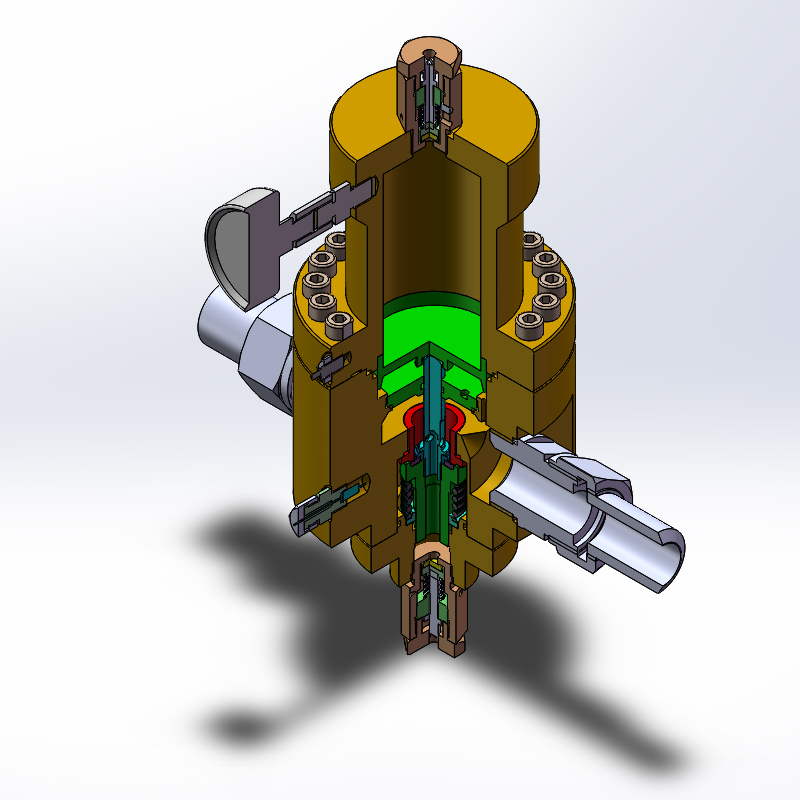
The RTZ2-25/25CNG is a high-pressure regulator with an integrated design pressure rating of ANSI 1500. It targets high flow, high reliability, and a wide outlet pressure range. In real plants—lpg vaporizers, CNG daughter stations, city-gate letdown—it behaves predictably (my favorite compliment in gas control).
| Parameter | Typical Value (≈ / on request) |
|---|---|
| Model | RTZ2-25/25CNG |
| Inlet pressure rating | ANSI Class 1500 (ASME B16.5 flanged) |
| Nominal size | DN25 standard; other sizes on request |
| Outlet pressure range | around 0.5–25 bar (config-dependent; real-world use may vary) |
| Flow capacity | High Cv trim available; sized per gas SG and ΔP |
| Body/trim materials | WCB/LCB or CF8M; seats in SS316/HNBR/FKM options |
| Leakage test | API 598/ISO 5208, helium leak optional |
| Temp class | -20 to +60 °C typical (wider on request) |
Where it’s used
- lpg vaporizer trains and cylinder-filling depots
- CNG first-stage letdown at daughter stations
- City-gate pressure reduction and industrial boilers
- Petrochemical fuel gas skids, tank farms, and bottling plants
Process flow, testing, and service life
Materials: forged carbon steel or CF8M; elastomers matched to media (lpg, methane, inert mixes). Methods: precision CNC, seat lapping, anti-galling trim, clean-assembly. Testing: hydrostatic shell test (per ASME/ISO), seat leakage (API 598/ISO 5208), functional stability test per ISO 23555-1. Sample bench data (typical): outlet stability ±1–2% FS; response ≈0.3–0.6 s; seat leak rate below Class VI threshold. With annual maintenance, I’d expect 5–10 years of service, depending on gas cleanliness and surge events.
Advantages I’ve observed
- Integrated high-pressure design (fewer joints, fewer headaches)
- High flow with stable control—less hunting on lpg skids
- Wide outlet range and trim options for mixed fleets
- Good price-to-performance; lead times are reasonable, to be honest
Vendor comparison (field-sourced impressions)
| Vendor | Strengths | Trade-offs |
|---|---|---|
| Yinuo (RTZ2-25/25CNG) | ANSI 1500, high flow, customization, competitive pricing | Documentation depth varies by project; verify test scope early |
| Global brand A | Extensive certifications, global spares network | Higher cost; longer lead times in peak season |
| Regional integrator B | Fast delivery, good skid integration | Limited pressure class options; smaller trim catalog |
Customization and documentation
Options include orifice/Cv sizing, elastomer selection for lpg, SS316 bodies, anti-surge pilots, gauge ports, and NACE-compliant wetted parts. Typical document pack: ITP, MTC (EN 10204 3.1), FAT reports, hydro/seat test charts, and if required, PED/ATEX compliance paperwork via notified body—confirm at PO stage.
Quick case story
A coastal LPG bottling plant upgraded to Class 1500 letdown after repeated nuisance trips. Swapping in RTZ2-25/25CNG regulators (DN25) cut pressure oscillations by ≈40% (operator logs) and stabilized vaporizer feed. The maintenance lead told me, “It just stopped being the problem,” which is about the highest praise a regulator can get.
Certifications and standards to check
- ISO 23555-1: Gas pressure regulators
- ASME B16.5 (flanges), API 598/ISO 5208 (valve testing)
- EU PED 2014/68/EU, ATEX/IECEx for hazardous areas (if applicable)
- NFPA 58 for lpg installations (site-level compliance)
Note: Ranges and figures are indicative; verify final data sheets and test results for your exact configuration and jurisdiction.
Authoritative citations
- ISO 23555-1:2022, Gas pressure regulators—Part 1: Gas pressure regulators for transmission and distribution.
- ASME B16.5, Pipe Flanges and Flanged Fittings (Class 1500 rating tables).
- API Standard 598 / ISO 5208, Valve Inspection and Testing.
- EU Pressure Equipment Directive (PED) 2014/68/EU, Official Journal of the European Union.
- NFPA 58, Liquefied Petroleum Gas Code, National Fire Protection Association.
Latest news
-
Industrial Natural Gas Pressure Reducing Valve Guide and SelectionNewsApr.16,2026
-
Understanding the Industrial Regulating Valve for Fluid ControlNewsApr.09,2026
-
Understanding Gas Pressure Reducer Types Applications and Safety MeasuresNewsApr.07,2026
-
Understanding and Optimizing Gas Pressure Reducing Valve SystemsNewsApr.04,2026
-
Optimizing System Performance with the Right Filter Separator SelectionNewsMar.31,2026
-
Comprehensive Guide to Understanding and Utilizing Pressure Pipe SystemsNewsMar.28,2026