


Jan . 30, 2026 14:35
Back to list
NC 4175 5 Gas Safety Valve Comprehensive Guide for Safe Operations
NC 4175 5 Gas Safety Valve: A Comprehensive Guide
Ensuring gas safety is paramount in any industrial or commercial setting. The NC 4175 5 gas safety valve is a critical component in gas supply systems, designed to prevent dangerous situations arising from overpressure or backflow. This article provides a detailed overview of this vital safety device, covering its function, applications, specifications, and benefits. Understanding the role of the NC 4175 5 valve can significantly improve the safety of your operations.
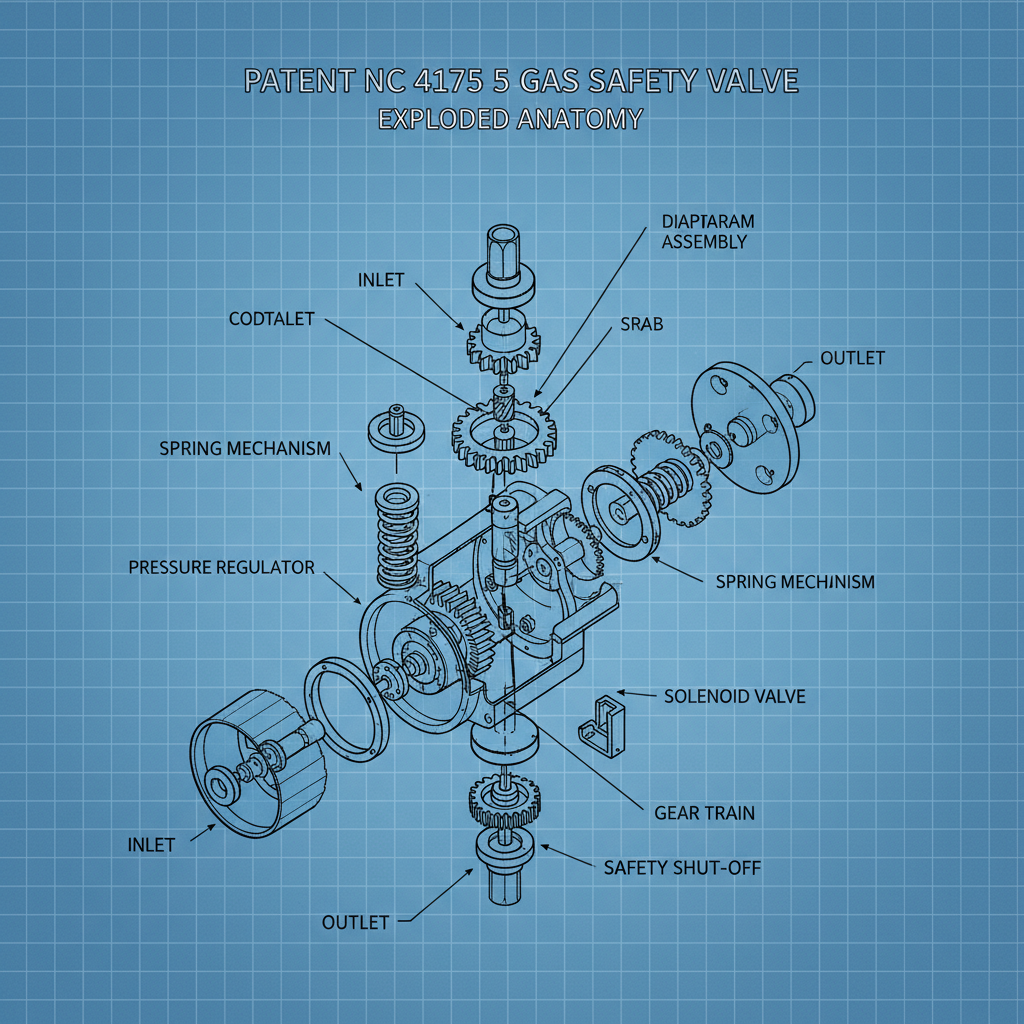
Understanding the Function of the NC 4175 5 Gas Safety Valve
The NC 4175 5 gas safety valve is a pressure-regulating device engineered to protect gas systems from exceeding safe pressure limits. Its primary function is to automatically shut off the gas supply when a predetermined pressure threshold is reached, preventing leaks, explosions, and other hazardous events. This valve incorporates a spring-loaded diaphragm mechanism, which responds to changes in gas pressure. When the pressure rises above the setpoint, the valve closes, halting the flow of gas. Regular maintenance and testing are crucial to ensure the valve operates effectively. Proper installation and adherence to industry standards are also vital for safe and reliable operation. A well-maintained NC 4175 5 valve is a cornerstone of any robust gas safety plan.
Key Benefits: Automatic shutdown in overpressure situations, prevents gas leaks and explosions, protects equipment and personnel, and ensures compliance with safety regulations.
Applications of the NC 4175 5 Gas Safety Valve
The NC 4175 5 valve finds broad application across various industries where gas is utilized. Common applications include: LPG (Liquefied Petroleum Gas) systems, natural gas distribution networks, industrial gas processing plants, and commercial kitchen gas lines. It's frequently integrated into propane tank regulators, ensuring stable and safe gas pressure for appliances such as heaters, stoves, and grills. This valve is also crucial in chemical processing facilities where maintaining precise gas pressure is essential for controlling reactions. In laboratories, it helps safeguard experiments by preventing accidental overpressure. Its versatility and reliability make it an essential component in a diverse range of gas-dependent operations.
Application Examples:
• LPG Tank Regulation
• Natural Gas Pipelines
• Industrial Gas Processing
• Commercial Kitchens
NC 4175 5 Gas Safety Valve: Technical Specifications
Understanding the technical specifications is crucial when selecting the appropriate gas safety valve for your application. The NC 4175 5 model offers specific features tailored for optimal performance and reliability. Here’s a detailed breakdown of key specifications:
NC 4175 5 vs. Other Gas Safety Valves
When choosing a gas safety valve, it’s important to consider how it compares to other options. The NC 4175 5 distinguishes itself through its precision engineering, robust construction, and reliable performance. Compared to simpler valves, it offers more accurate pressure regulation and a faster response time. Here's a comparative look:
Maintenance and Safety Considerations
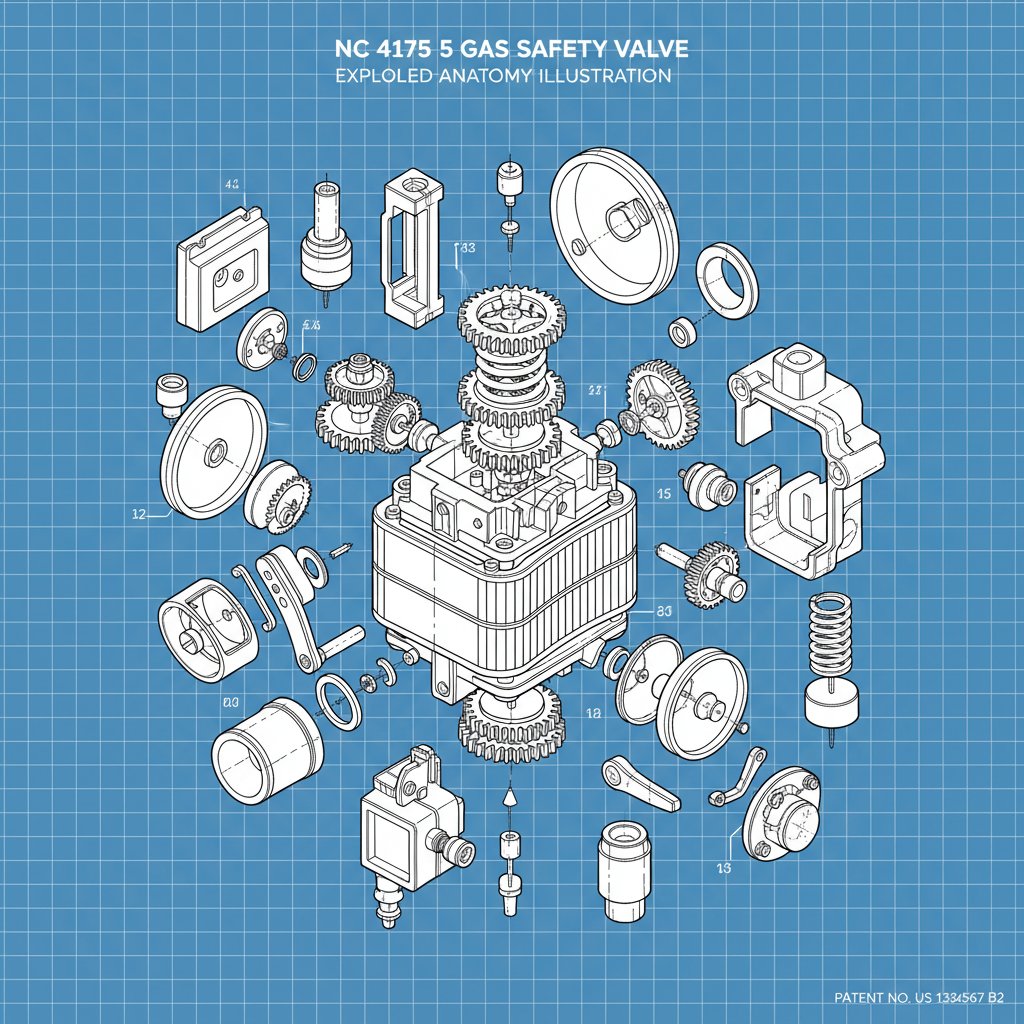
Regular maintenance is essential for ensuring the continued reliability of your NC 4175 5 gas safety valve. This includes periodic inspection for corrosion, leaks, and proper operation. We recommend annual testing by a qualified technician to verify the valve’s setpoint and responsiveness. Before any maintenance, always disconnect the gas supply and follow proper lockout/tagout procedures. Never attempt to repair the valve yourself unless you are a trained professional. Properly documented maintenance records are crucial for demonstrating compliance with safety regulations and ensuring a safe operating environment. You can find more details about maintenance guidelines and support on the Gasouyinuo website.
Conclusion: Prioritizing Gas Safety with the NC 4175 5 Valve
The NC 4175 5 gas safety valve is a vital investment for any operation utilizing gas. Its robust design, precise regulation, and reliable performance contribute significantly to a safer working environment. By understanding its function, applications, and maintenance requirements, you can maximize its benefits and ensure long-term safety. Don't compromise on gas safety – choose the NC 4175 5.
Frequently Asked Questions (FAQs)
What gases is the NC 4175 5 valve compatible with?
The NC 4175 5 valve is commonly used with LPG, natural gas, and propane. However, it's crucial to verify compatibility with specific gases based on their properties and potential corrosion risks. Consult the product specifications and safety data sheets for the gas you intend to use. Always ensure the valve’s materials are compatible with the gas to prevent damage or malfunction. Using the valve with incompatible gases can lead to leaks and potentially dangerous situations.
How often should the NC 4175 5 valve be tested?
We recommend annual testing of the NC 4175 5 valve by a qualified technician. This testing should verify the valve’s setpoint accuracy, responsiveness to pressure changes, and overall operational integrity. More frequent testing may be required in harsh environments or with high-usage applications. Maintaining detailed records of all testing and maintenance activities is essential for safety and compliance purposes.
What are the signs that the NC 4175 5 valve may need replacement?
Signs indicating potential valve failure include visible corrosion, leaks, erratic pressure readings, difficulty adjusting the setpoint, or a failure to shut off completely when overpressure occurs. Any indication of malfunction warrants immediate attention and potential replacement of the valve. Ignoring these signs can lead to dangerous gas leaks and pose a significant safety risk. Contact Gasouyinuo for assistance.
Is professional installation required for the NC 4175 5 valve?
Yes, professional installation by a qualified gas technician is strongly recommended. Incorrect installation can compromise the valve’s functionality and create a hazardous situation. A technician will ensure proper connection, sealing, and pressure testing to guarantee safe and reliable operation. They will also verify compliance with local gas safety codes and regulations.
Latest news
-
Industrial Natural Gas Pressure Reducing Valve Guide and SelectionNewsApr.16,2026
-
Understanding the Industrial Regulating Valve for Fluid ControlNewsApr.09,2026
-
Understanding Gas Pressure Reducer Types Applications and Safety MeasuresNewsApr.07,2026
-
Understanding and Optimizing Gas Pressure Reducing Valve SystemsNewsApr.04,2026
-
Optimizing System Performance with the Right Filter Separator SelectionNewsMar.31,2026
-
Comprehensive Guide to Understanding and Utilizing Pressure Pipe SystemsNewsMar.28,2026