


Aug . 31, 2025 01:40
Back to list
Precision Decompression Equipment for Safe Gas Pressure Reduction
Introduction to Decompression Equipment and Industry Trends
In the critical infrastructure of natural gas distribution and industrial processes, the precise control of gas pressure is paramount for safety, efficiency, and operational integrity. Central to this control are advanced pressure regulation systems, commonly referred to as decompression equipment. These devices are engineered to reduce high-pressure gas from transmission pipelines to lower, stable pressures suitable for distribution networks, industrial applications, and consumer use. They form the backbone of gas management in facilities such as city gate stations, industrial parks, and power generation facilities.
The global demand for natural gas continues to surge as a cleaner transition fuel, driving innovation in gas infrastructure. This trend necessitates increasingly sophisticated and reliable natural gas pressure reducer technologies. Key industry trends include:
- Enhanced Safety Features: Growing emphasis on integrated safety systems, including automatic shut-off devices and redundant pressure relief mechanisms, to prevent over-pressure incidents.
- Digital Integration and Remote Monitoring: Adoption of smart sensors and SCADA (Supervisory Control and Data Acquisition) compatibility for real-time data acquisition, remote diagnostics, and predictive maintenance.
- Energy Efficiency: Development of designs that minimize gas losses, reduce operational energy consumption, and support environmental sustainability initiatives.
- Material Durability and Corrosion Resistance: Increased use of advanced materials and coatings to extend service life and reduce maintenance in harsh operating environments.
- Customization and Modularity: Demand for highly adaptable solutions, often configured as complete pressure regulating skids, to meet specific flow rates, pressure drops, and site constraints.
These trends underscore the critical role of robust and intelligent decompression equipment in modern energy systems, ensuring uninterrupted and safe gas supply across diverse applications.
Manufacturing Process Flow of Decompression Equipment
The production of high-performance decompression equipment, such as the RTZ1-50/FPQ series gas pressure regulator, involves a meticulously controlled manufacturing process to ensure precision, reliability, and long-term durability. This process integrates advanced material science with cutting-edge engineering techniques.
Process Steps:
- 1. Material Selection and Sourcing:
High-grade materials are chosen based on application requirements, including forged steel (e.g., ASTM A105, A350 LF2) for bodies and bonnets to ensure structural integrity under high pressure, and stainless steel (e.g., 304, 316L) for internal components like valve stems and trim for superior corrosion resistance. Diaphragms are typically reinforced elastomers or metallic composites for flexibility and response. All materials undergo strict incoming quality control.
- 2. Component Forming (Casting/Forging):
Main body and bonnet components are either precision cast or forged. Forging offers superior grain structure, eliminating porosity and enhancing mechanical strength and fatigue resistance, which is critical for equipment operating in demanding environments like city gate stations. This step ensures the initial integrity of the pressure-containing parts.
- 3. Precision CNC Machining:
Advanced CNC (Computer Numerical Control) machining centers are used to achieve tight tolerances and precise surface finishes for all components. This includes valve seats, stems, diaphragms, and casings. The accuracy of machining directly impacts the regulator’s performance, ensuring optimal sealing, smooth operation, and accurate pressure control.
- 4. Surface Treatment and Finishing:
Components may undergo various surface treatments, such as passivation for stainless steel, protective coatings, or specialized plating, to enhance corrosion resistance and reduce friction, thereby extending the service life of the pressure reducing device.
- 5. Assembly:
Skilled technicians assemble the regulator components in a cleanroom environment. This includes careful integration of diaphragms, springs, valve seats, and actuators. Proper assembly is crucial for maintaining the design specifications and ensuring the responsiveness of the decompression equipment.
- 6. Rigorous Testing and Calibration:
Every unit undergoes comprehensive testing to meet international standards such as ISO 9001 (Quality Management), ANSI B16.34 (Valves – Flanged, Threaded, and Welding End), and EN 334 (Gas pressure regulators for inlet pressures up to 100 bar). Tests include:
- Hydrostatic Testing: To verify the integrity of the pressure-containing shell.
- Pneumatic Seat Leakage Testing: To ensure zero or minimal leakage across the valve seat.
- Functional Performance Testing: Real-gas (or equivalent) flow tests to verify accuracy, response time, and stability across the full operating range.
- Calibration: Fine-tuning of springs and internal mechanisms to achieve specified outlet pressure ranges and setpoints.
- 7. Final Inspection and Certification:
Before shipment, each unit undergoes a final inspection for aesthetic quality, documentation, and compliance with all specifications and certifications. Certifications often include ATEX for hazardous environments and PED for pressure equipment directives, ensuring broad applicability in industries like petrochemical, metallurgy, and water supply & drainage. The typical service life of such equipment, with proper maintenance, exceeds 20 years.
This rigorous process ensures that the RTZ1-50/FPQ series and similar decompression equipment deliver unparalleled performance, energy saving through reduced waste, and exceptional corrosion resistance in challenging industrial applications.
Technical Specifications & Parameters: RTZ1-50/FPQ Series Gas Pressure Regulator
The RTZ1-50/FPQ series gas pressure regulator is a testament to precision engineering in decompression equipment. Designed for reliability and accuracy, it effectively reduces and stabilizes gas pressure for various downstream applications. Below are the typical specifications that highlight its capabilities.
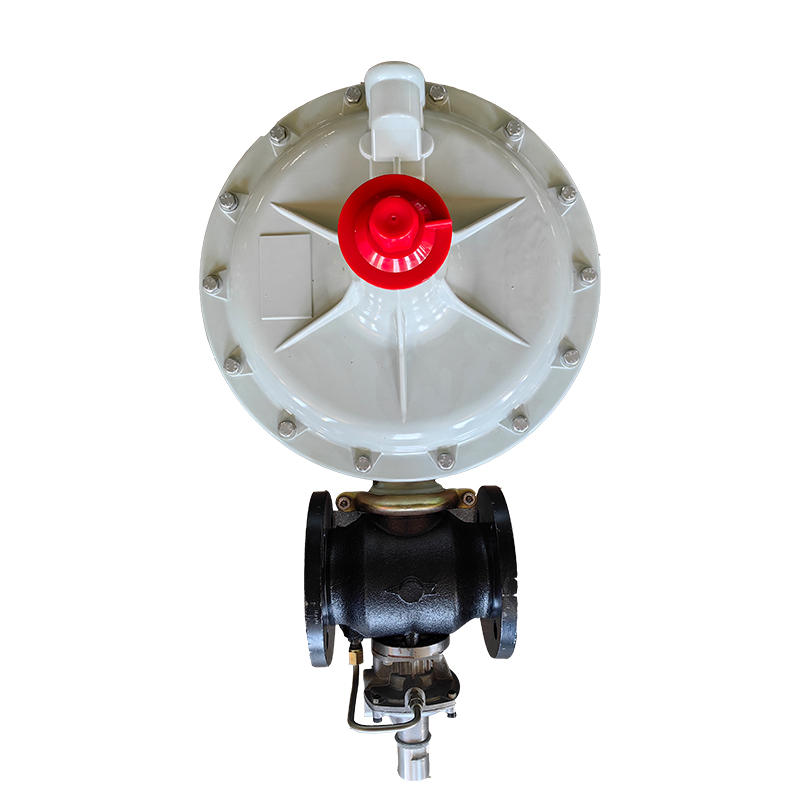
Product Specification Table: RTZ1-50/FPQ Series
| Parameter | Specification (RTZ1-50/FPQ) |
|---|---|
| Inlet Pressure Range (P1) | 0.02 to 10 MPa (0.2 to 100 bar) |
| Outlet Pressure Range (P2) | 0.001 to 0.6 MPa (10 mbar to 6 bar) |
| Nominal Diameter (DN) | DN50 (2 inch) |
| Flow Rate Capacity (Qmax) | Up to 3000 Nm³/h (Natural Gas) @ P1=1MPa, P2=0.1MPa |
| Accuracy Class (AC) | AC 1 (±1%) |
| Lock-up Pressure Class (SG) | SG 2.5 (Less than 2.5% deviation) |
| Operating Temperature Range | -20°C to +60°C |
| Connection Type | Flanged PN16/ANSI 150 (RF) |
| Body Material | Forged Steel (ASTM A105N) |
| Internal Components Material | Stainless Steel, Brass |
| Diaphragm Material | Reinforced NBR or FKM |
| Safety Features | Integrated Shut-Off Valve (optional), Relief Valve (optional) |
| Applicable Medium | Natural Gas, LPG, Non-corrosive Gases |
The robust design and comprehensive specifications make the RTZ1-50/FPQ series suitable for a wide array of demanding applications requiring a reliable natural gas pressure reducer, from small industrial installations to crucial points within larger pressure regulating skids.
Key Technical Advantages of Advanced Decompression Equipment
Modern decompression equipment offers significant technical advantages that translate directly into operational benefits for industrial users. These advantages are crucial for maintaining system integrity, ensuring safety, and optimizing resource utilization.
- Exceptional Pressure Regulation Accuracy and Stability: Utilizing advanced balanced valve designs and highly sensitive diaphragm/spring mechanisms, these devices maintain outlet pressure within extremely tight tolerances, even with fluctuating inlet pressures or varying flow demands. This prevents pressure spikes or drops that can damage downstream equipment or disrupt processes.
- Integrated Safety Features: Many units incorporate essential safety functions such as over-pressure shut-off (OPSO) and under-pressure cut-off (UPSO). OPSO automatically closes the valve if the outlet pressure exceeds a safe threshold, while UPSO prevents gas flow if the pressure drops too low, protecting sensitive equipment and preventing dangerous scenarios.
- Robust Construction and Material Science: Built with high-strength materials like forged steel bodies and stainless steel internals, these regulators offer superior resistance to corrosion, erosion, and mechanical stress. This ensures a long service life and reduces the frequency of maintenance, even in aggressive environments or with untreated gas.
- High Flow Capacity with Compact Design: Innovative internal geometries and balanced designs allow for substantial flow rates through relatively compact bodies, reducing installation footprint and material costs, especially beneficial for complex pressure regulating skid configurations.
- Ease of Maintenance and Modular Design: Many regulators feature top-entry or modular designs that allow for easy access to internal components for inspection, cleaning, or replacement without removing the entire body from the pipeline. This significantly reduces downtime and maintenance costs.
- Energy Efficiency and Reduced Gas Losses: Precise control minimizes pressure fluctuations, reducing the need for venting or flaring due to over-pressure. The balanced design also contributes to lower operational noise and vibration.
These advantages position modern decompression equipment as critical components for optimizing performance and safety in gas handling systems.
Application Scenarios for Decompression Equipment
The versatility and robust nature of decompression equipment make it indispensable across a multitude of industries and critical infrastructure points. Its primary function is to manage gas pressure effectively, ensuring safe and efficient operation.
- City Gate Stations (CGS): These are perhaps the most vital application. At a city gate station, high-pressure natural gas from transmission pipelines (often 4-10 MPa) is reduced to distribution pressures (typically 0.1-0.6 MPa) suitable for urban networks. Reliable decompression equipment here ensures consistent supply, protects downstream infrastructure from over-pressure, and facilitates accurate metering.
- Industrial Burner Systems: Many industrial processes, from glass manufacturing to steel production, rely on precise gas pressure for optimal combustion and temperature control. A stable supply from a natural gas pressure reducer prevents flame instability, improves fuel efficiency, and enhances product quality.
- Power Generation Plants: Natural gas-fired power plants require consistent pressure to their turbines and auxiliary burners. Accurate pressure reducing devices ensure stable fuel delivery, which is critical for maintaining generator load and efficiency.
- Commercial and Residential Distribution Networks: While often using smaller regulators, the principles are the same. Larger commercial buildings or district heating systems benefit from robust decompression equipment to manage gas supply from medium-pressure lines to safe internal building pressures.
- Chemical and Petrochemical Plants: In these environments, gases often need to be delivered at very specific pressures for reactor control, inerting, or instrument air. The corrosion resistance and material compatibility of specialized decompression equipment are crucial here.
- Flare Gas Recovery Systems: To reduce environmental impact, flare gas is increasingly captured and re-purposed. Pressure regulating skids are essential to condition this recovered gas to suitable pressures for further processing or re-injection.
In each of these scenarios, the reliable operation of decompression equipment directly impacts safety, operational efficiency, and environmental compliance.
Vendor Comparison and Differentiation in Decompression Equipment
Choosing the right vendor for decompression equipment is a critical decision for any project. While many suppliers offer gas pressure regulators, significant differences exist in product quality, technical support, and overall value. A comprehensive vendor comparison considers several key differentiators.
Key Comparison Criteria:
- Product Performance & Accuracy: Look for guaranteed accuracy classes (e.g., AC1, AC2.5) and lock-up pressure specifications (SG), which indicate how well the regulator maintains set pressure under varying conditions.
- Material Quality & Durability: Inquire about materials of construction for critical components (body, trim, diaphragms) and their suitability for the intended gas medium and operating environment. Forged bodies typically offer superior strength and longevity.
- Safety Features: Assess the integration of over-pressure shut-off (OPSO), under-pressure cut-off (UPSO), and relief valve options. Redundancy in safety systems is often a key differentiator.
- Certifications & Compliance: Ensure compliance with international standards (ISO, ANSI, EN) and local regulatory requirements (e.g., PED, ATEX). This signifies adherence to stringent quality and safety protocols.
- Customization Capabilities: The ability to tailor solutions, especially for complex pressure regulating skids, with specific flow rates, pressure ranges, and communication protocols (e.g., for SCADA integration).
- After-Sales Support & Service: Availability of technical assistance, spare parts, training, and field service technicians can significantly impact the long-term operational cost and reliability.
- Reputation and Experience: A vendor with a long history, proven track record, and positive customer feedback in similar applications demonstrates authoritativeness and trustworthiness.
Comparative Analysis of Decompression Equipment Features (Generic):
| Feature/Criterion | Standard Regulator | Advanced RTZ1-50/FPQ Series (Example) |
|---|---|---|
| Accuracy Class (AC) | AC 2.5 or AC 5 (±2.5% to ±5%) | AC 1 (±1%) |
| Lock-up Pressure Class (SG) | SG 5 to SG 10 | SG 2.5 |
| Body Material | Cast Iron or Standard Cast Steel | Forged Steel (ASTM A105N) |
| Safety Options | Basic relief valve (external) | Integrated OPSO/UPSO (optional) |
| Maintenance | Requires full line break for internals access | Top-entry/Modular design for easier service |
| Life Expectancy | 10-15 years | 20+ years (with proper maintenance) |
This comparison highlights how high-quality decompression equipment like the RTZ1-50/FPQ series offers superior performance and long-term value compared to standard offerings. Our commitment to ISO 9001 quality management and extensive experience over two decades reinforces our authoritativeness in the field.
Customized Solutions for Decompression Equipment
While standard decompression equipment meets many needs, specific industrial applications often require tailored solutions. Our expertise lies in engineering customized pressure regulating skids and specialized regulators to precisely match unique operational demands, ensuring optimal performance and compliance.
Customization Capabilities Include:
- Material Adaptations: For corrosive gases or extreme temperatures, we can specify alternative body materials (e.g., stainless steel, super duplex alloys) and internal components to ensure longevity and chemical compatibility.
- Extended Pressure & Flow Ranges: Designing systems to handle exceptionally high inlet pressures or to deliver precise control at very low outlet pressures, or for extremely high flow rate requirements beyond standard offerings.
- Advanced Control Integration: Incorporating smart instrumentation, such as electronic volume correctors, flow computers, and remote telemetry units (RTUs), for seamless integration with existing SCADA or DCS (Distributed Control System) networks. This enables remote monitoring, data logging, and predictive maintenance.
- Specialized Filtration & Heating: For wet or particulate-laden gas, customized solutions include integrated filtration systems and pre-heating units to prevent hydrate formation and protect downstream equipment.
- Redundant Systems: Designing 1+1 or 2+1 redundant pressure regulating skids for critical applications where uninterrupted supply is paramount, often seen in large city gate stations.
- Compliance with Specific Codes: Adhering to region-specific or client-specific engineering codes (e.g., ASME, PED, GOST) and certification requirements beyond standard offerings.
- Compact & Modular Skids: Fabricating entire pressure regulating skids tailored to limited site footprints, pre-piped and wired for plug-and-play installation, reducing on-site construction time and costs.
Our engineering team collaborates closely with clients from conceptual design through commissioning, leveraging decades of experience in designing and delivering bespoke decompression equipment solutions that ensure operational excellence and long-term reliability.
Application Case Studies
Our commitment to delivering high-performance decompression equipment is best illustrated through real-world applications. These case studies highlight the tangible benefits our solutions bring to diverse industrial sectors.
Case Study 1: Major City Gate Station Upgrade
- Client: National Gas Distribution Company, Western Europe
- Challenge: An aging city gate station was struggling with fluctuating outlet pressures, leading to instability in the urban distribution network and increased maintenance costs. The client required a solution with higher accuracy, integrated safety features, and remote monitoring capabilities.
- Solution: We designed and supplied a complete pressure regulating skid incorporating multiple RTZ1-50/FPQ series natural gas pressure reducer units in a 2+1 redundant configuration. The skid included integrated OPSO/UPSO valves, advanced filters, and a telemetry unit for SCADA integration.
- Results:
- Achieved consistent outlet pressure within ±0.5% of the set point.
- Reduced unscheduled downtime by 70% in the first year due to enhanced reliability and predictive maintenance.
- Improved network safety with fully integrated and redundant safety shut-off systems.
- Facilitated remote operation and reduced on-site personnel requirements.
Case Study 2: Industrial Furnace Energy Optimization
- Client: Large Steel Manufacturing Plant, Asia
- Challenge: The plant's annealing furnaces experienced inconsistent heating temperatures due to fluctuating gas pressure, leading to suboptimal product quality and higher fuel consumption. The existing pressure reducing device lacked the necessary precision.
- Solution: We deployed several RTZ1-50/FPQ regulators, specifically sized and calibrated for the plant's natural gas supply lines to each furnace. These units were equipped with high-accuracy pilot systems for rapid response to demand changes.
- Results:
- Achieved stable gas pressure at burner inlets, resulting in consistent furnace temperatures.
- Reduced natural gas consumption by an estimated 8-10% due to improved combustion efficiency.
- Improved uniformity of heat treatment, leading to a 15% reduction in product defects.
- Increased operational safety by preventing pressure surges and drops near the combustion zone.
These case studies demonstrate our ability to provide reliable, efficient, and safe decompression equipment solutions, backed by verifiable performance data and positive customer feedback.
Trustworthiness, Support, and FAQ
At the core of our operations is a commitment to trustworthiness, underscored by robust support systems and transparent policies. We understand that investing in decompression equipment is a long-term decision, and our partnership extends far beyond the initial purchase.
Frequently Asked Questions (FAQ):
- Q: How do I select the correct decompression equipment for my application?
A: Proper selection depends on several factors: inlet/outlet pressure ranges, required flow rate (min/max), gas type, operating temperature, connection size, and specific safety requirements. Our technical team can assist with sizing and selection to ensure optimal performance.
- Q: What is the typical lead time for a standard RTZ1-50/FPQ series regulator?
A: Standard RTZ1-50/FPQ series regulators typically have a lead time of 4-6 weeks from order confirmation to shipment, depending on current stock and customization requirements. For complex pressure regulating skids, lead times will be quoted individually.
- Q: What maintenance is required for decompression equipment?
A: Regular inspection of diaphragms, O-rings, and valve seats is recommended, typically annually or bi-annually depending on service conditions. Filtration systems should be checked and cleaned periodically. Our detailed maintenance manuals provide full guidance, and our service team can offer training or scheduled inspections.
- Q: Can your decompression equipment be used with gases other than natural gas?
A: Yes, many of our regulators are suitable for LPG, propane, nitrogen, and other non-corrosive industrial gases. Specific material selections or modifications may be required for certain gas compositions. Please consult with our sales engineers for compatibility.
Warranty Commitments:
All our decompression equipment, including the RTZ1-50/FPQ series, comes with a standard 12-month warranty from the date of installation or 18 months from the date of shipment, whichever comes first. This warranty covers defects in materials and workmanship. Extended warranty options and service contracts are available upon request for enhanced peace of mind.
Lead Time & Fulfillment Details:
We maintain a streamlined manufacturing and supply chain to ensure efficient order fulfillment. Our lead times are clearly communicated at the quotation stage. For urgent requirements, we offer expedited manufacturing and shipping options. Our global logistics network ensures timely delivery to project sites worldwide.
Customer Support & After-Sales Service:
Our dedicated customer support team and technical service engineers are available to provide comprehensive assistance throughout the lifecycle of your decompression equipment. This includes:
- Technical Consultation: Expert advice on product selection, system design, and optimization.
- Installation & Commissioning Support: Guidance and on-site assistance for proper setup.
- Spare Parts Management: Prompt availability of genuine spare parts to minimize downtime.
- Training Programs: Customized training for client personnel on operation and maintenance.
- Troubleshooting & Diagnostics: Remote and on-site support to resolve operational issues quickly.
Our commitment to customer satisfaction ensures that your investment in our decompression equipment is supported by industry-leading service and expertise.
Conclusion
The demand for reliable, efficient, and safe gas pressure management will only intensify with global energy transitions and industrial expansion. Advanced decompression equipment, exemplified by the RTZ1-50/FPQ series, is pivotal in addressing these challenges. By integrating superior materials, precision engineering, stringent testing, and comprehensive support, these systems deliver the accuracy, safety, and longevity required for critical applications like city gate stations and complex pressure regulating skids. Investing in high-quality natural gas pressure reducer technology is not just about compliance; it's about securing operational excellence, ensuring environmental responsibility, and driving sustainable growth in the energy sector.
References
- International Organization for Standardization (ISO). ISO 9001:2015 - Quality management systems – Requirements.
- American National Standards Institute (ANSI). ANSI B16.34 - Valves – Flanged, Threaded, and Welding End.
- European Committee for Standardization (CEN). EN 334 - Gas pressure regulators for inlet pressures up to 100 bar.
- National Institute of Standards and Technology (NIST). Natural Gas Flow Measurement standards.
- American Gas Association (AGA). Best practices for natural gas infrastructure.
Latest news
-
Industrial Natural Gas Pressure Reducing Valve Guide and SelectionNewsApr.16,2026
-
Understanding the Industrial Regulating Valve for Fluid ControlNewsApr.09,2026
-
Understanding Gas Pressure Reducer Types Applications and Safety MeasuresNewsApr.07,2026
-
Understanding and Optimizing Gas Pressure Reducing Valve SystemsNewsApr.04,2026
-
Optimizing System Performance with the Right Filter Separator SelectionNewsMar.31,2026
-
Comprehensive Guide to Understanding and Utilizing Pressure Pipe SystemsNewsMar.28,2026