


Aug . 28, 2025 01:40
Back to list
Precision Pressure Regulator: Gas & High Pressure Control
Precision Gas Pressure Management: An Industry Imperative
In industrial processes where gas flow and pressure are critical for operational efficiency, safety, and product quality, the role of a reliable pressure regulator cannot be overstated. These vital devices precisely control the output pressure of a gas or liquid, ensuring a stable supply regardless of fluctuations in inlet pressure or demand downstream. Across diverse sectors, from petrochemical to power generation, the demand for advanced gas pressure regulator valve technology is driven by stringent safety regulations, the push for energy efficiency, and the need for higher process accuracy.
Current industry trends highlight a significant shift towards smart, interconnected gas pressure regulator solutions offering enhanced diagnostics, remote monitoring capabilities, and predictive maintenance features. The global market for industrial regulators, including high pressure regulators, is projected to grow steadily, fueled by infrastructure development in natural gas distribution networks and industrial expansion in emerging economies. Key drivers include increased automation, the transition to cleaner energy sources, and the necessity for robust systems capable of handling a wider range of media and operating conditions, including the demanding applications for high pressure regulators.
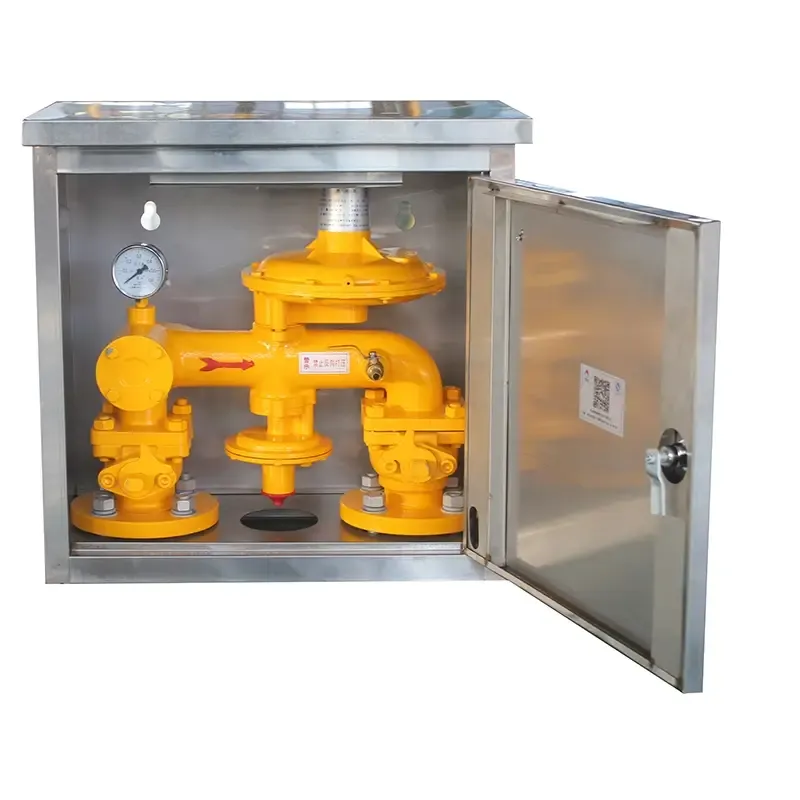
Our RTZ1-/0.4LQ Series gas pressure regulator embodies these advancements, offering unparalleled precision, reliability, and safety for managing gas pressures in complex industrial environments. Designed to meet the rigorous demands of modern operations, this series ensures optimal performance and contributes significantly to operational stability and cost reduction.
Technical Deep Dive: RTZ1-/0.4LQ Series Gas Pressure Regulator
The RTZ1-/0.4LQ Series is engineered for superior performance in maintaining precise downstream pressure. Its design incorporates advanced diaphragm or piston sensing mechanisms, coupled with a high-integrity control valve, to deliver exceptional stability and responsiveness. The regulator operates by balancing the forces exerted by the outlet pressure against a set spring or dome-loaded pressure, continuously adjusting the valve opening to achieve the desired setpoint. This active feedback loop ensures that the regulated pressure remains constant, even with significant variations in upstream pressure or changes in flow demand.
Key Technical Specifications of RTZ1-/0.4LQ Series
| Parameter | Specification | Typical Range/Value |
|---|---|---|
| Inlet Pressure Range (P1) | Up to 4.0 MPa (40 bar) | 0.1 MPa - 4.0 MPa |
| Outlet Pressure Range (P2) | 0.005 MPa - 0.4 MPa (0.05 bar - 4 bar) | Adjustable in various ranges |
| Accuracy Class | AC1, AC2.5, AC5 (depending on model) | Typically AC1 for high precision |
| Shut-off Pressure Class (SG) | SG10, SG20, SG30 | SG10 for minimal creep |
| Nominal Diameter (DN) | DN25 to DN200 (1" to 8") | Wide range for various flow rates |
| Working Medium | Natural gas, town gas, liquefied petroleum gas (LPG), air, non-corrosive gases | Versatile for industrial gases |
| Operating Temperature | -20°C to +60°C | Suitable for typical industrial environments |
| Body Material | Ductile Iron (GGG40), Carbon Steel (WCB) | Robust and durable |
| Connection Type | Flanged (PN16, PN25, ANSI 150) | Standard industrial connections |
The robust construction utilizing materials like Ductile Iron (GGG40) or Carbon Steel (WCB) ensures mechanical integrity and longevity, even in harsh operating conditions. Internal components are selected for corrosion resistance and wear, maximizing service life and minimizing maintenance requirements for this critical piece of equipment.
Manufacturing Excellence and Quality Assurance
The manufacturing of the RTZ1-/0.4LQ Series natural gas pressure regulator adheres to a stringent process flow, integrating advanced engineering with meticulous quality control to ensure every unit meets the highest performance and safety standards. Our commitment to excellence is embedded in every stage, from material selection to final testing.
Detailed Manufacturing Process Flow:
- Material Sourcing and Qualification: We begin with certified raw materials, primarily high-grade ductile iron (GGG40) for regulator bodies and bonnets, and specialized alloys for internal components such as springs, diaphragms, and valve seats. All materials undergo rigorous inspection and chemical analysis to ensure compliance with international standards like ASTM, EN, and ISO.
- Casting/Forging of Body Components: Large body components are either precision cast from ductile iron or forged from carbon steel, depending on the required pressure rating and application. These processes ensure robust structural integrity, minimizing internal stresses and maximizing material density for superior durability and leak resistance.
- CNC Machining: Advanced CNC (Computer Numerical Control) machining centers are employed to achieve precise dimensions and critical surface finishes for all internal parts and connection points. This includes machining valve seats, diaphragm chambers, and body bores to tight tolerances, which is paramount for the regulator's accuracy and sealing performance.
- Surface Treatment and Coating: Components are treated with appropriate surface finishes, such as phosphating or epoxy coating, to enhance corrosion resistance, particularly for parts exposed to the gas stream or external elements. This extends the service life, especially in challenging environments like outdoor natural gas distribution systems.
- Assembly: Skilled technicians meticulously assemble each gas pressure regulator in a controlled environment. This involves fitting diaphragms, springs, valve seats, and actuators. Critical torque specifications are maintained to ensure proper sealing and functional integrity.
- Calibration and Performance Testing: Every assembled unit undergoes comprehensive calibration and performance testing. This includes:
- Inlet Pressure Fluctuation Test: Verifying stable outlet pressure despite changes in inlet pressure.
- Flow Rate Response Test: Assessing the regulator's ability to maintain set pressure across varying flow demands.
- Shut-off Pressure (Lock-up) Test: Ensuring minimal pressure creep beyond the setpoint when flow stops.
- Leakage Test: Hydrostatic and pneumatic tests according to industry standards (e.g., ISO 5208, ANSI/FCI 70-2) to detect any internal or external leakage.
- Material Inspection: Non-destructive testing (NDT) such as ultrasonic or radiographic inspection for critical components.
- Final Inspection and Packaging: Before shipment, each regulator undergoes a final visual and functional inspection, followed by secure packaging to prevent damage during transit. Documentation, including test certificates and installation manuals, is included.
Our manufacturing processes comply with international quality management standards such as ISO 9001 and API Spec Q1. We also adhere to product-specific standards like EN 334 (Gas pressure regulators for inlet pressures up to 100 bar) and ANSI B16.34 (Valves—Flanged, Threaded, and Welding End). This meticulous approach ensures a projected service life of 15-20 years under normal operating conditions for our pressure regulators, demonstrating superior energy saving and corrosion resistance properties.
Application Scenarios and Strategic Advantages
The versatility and robust performance of the RTZ1-/0.4LQ Series gas pressure regulator make it indispensable across a multitude of critical industries and application scenarios. Its design specifically addresses the complex demands for stable and safe gas pressure management.
Target Industries:
- Petrochemical Industry: Essential for controlling the pressure of various process gases, ensuring reactor stability, and safeguarding downstream equipment from pressure surges.
- Metallurgy and Steel Production: Used in furnaces, foundries, and gas-fired heating systems to regulate fuel gas supply (e.g., natural gas, oxygen, argon), critical for precise temperature control and preventing explosive mixtures.
- Natural Gas Transmission & Distribution: Plays a pivotal role in city gate stations, industrial regulator stations, and district heating networks, reducing high pipeline pressures to safe and usable levels for consumers and industrial facilities. This is a primary application for natural gas pressure regulators.
- Power Generation (Thermal Power Plants): Regulates fuel gas supply to boilers and gas turbines, ensuring efficient combustion and preventing operational disruptions due to pressure fluctuations.
- Chemical Processing: Critical for managing process gases, inerting systems, and pneumatic control systems, where precise pressure is vital for reaction control and safety.
- Water Supply & Drainage (Water Treatment Plants): While primarily for gas, specialized variants or components may be used in gas chlorination systems or ozone generation for water treatment.
Advantages in Typical Application Scenarios:
- Energy Saving: By maintaining a consistent, optimized outlet pressure, the regulator prevents unnecessary pressure drops or surges that can lead to inefficient burner operation or equipment damage. This translates to reduced fuel consumption and lower operational costs. For instance, in an industrial boiler operating on natural gas, precise gas pressure regulator control can optimize the air-fuel ratio, leading to more complete combustion and 5-10% in fuel savings.
- Corrosion Resistance: Utilizing specialized materials and coatings, the RTZ1-/0.4LQ Series exhibits superior resistance to corrosive elements often present in industrial gases (e.g., hydrogen sulfide in sour gas applications). This ensures extended operational life and reduced maintenance in aggressive chemical environments.
- Enhanced Safety: The precise control and rapid response to pressure changes mitigate risks associated with over-pressurization, such as equipment rupture or uncontrolled gas release. Integrated safety features, like internal relief valves or slam-shut devices, provide an additional layer of protection.
- Process Stability: In critical chemical reactions or thermal processes, maintaining a steady gas supply pressure is paramount for product consistency and quality. Our pressure regulator delivers exceptional stability, minimizing process variations.
- Reduced Maintenance: The robust design and high-quality components reduce the frequency of repairs and replacements, leading to lower total cost of ownership (TCO) and maximized uptime.
Vendor Comparison and Customized Solutions
Selecting the right high pressure regulators supplier is a strategic decision that impacts operational efficiency, safety, and long-term cost. While many vendors offer gas pressure regulator products, key differentiators lie in product quality, technical support, and the ability to provide tailored solutions.
Why Choose Our RTZ1-/0.4LQ Series?
| Feature/Service | RTZ1-/0.4LQ Series (Our Offering) | Typical Competitor Offerings |
|---|---|---|
| Outlet Pressure Accuracy (AC) | AC1 (±1% of setpoint) | AC2.5 - AC5 (±2.5% to ±5%) |
| Shut-off Pressure Class (SG) | SG10 (max 10% creep) | SG20 - SG30 (20% to 30% creep) |
| Body Material Options | Ductile Iron (GGG40), Carbon Steel (WCB) for enhanced durability | Often Grey Cast Iron, lower pressure ratings |
| Certifications & Standards | ISO 9001, EN 334, ANSI B16.34, API Q1 (on specific models) | May meet basic local standards only |
| Customization Potential | High; tailored materials, pressure ranges, specialized connections | Limited to standard configurations |
| After-sales Support | Dedicated technical support, field service, extensive spare parts availability | Often limited to basic warranty claims |
Customized Solutions:
We understand that off-the-shelf solutions may not always perfectly align with unique operational requirements. Therefore, we offer extensive customization capabilities for our RTZ1-/0.4LQ Series pressure regulator. Our engineering team collaborates closely with clients to develop tailor-made configurations, including:
- Material Specification: Custom materials for wetted parts to resist highly corrosive gases or extreme temperatures.
- Pressure Range Adjustments: Fine-tuning inlet and outlet pressure ranges beyond standard offerings to match specific process demands for high pressure regulators.
- Connection Types: Adapting to non-standard flange types, threaded connections, or welding ends.
- Integrated Safety Features: Incorporating additional slam-shut valves, pressure relief valves, or monitoring ports based on application safety requirements.
- Automation and Control Integration: Adding capabilities for remote control, data logging, and integration with SCADA or DCS systems.
Our experience in complex industrial applications ensures that these customized solutions maintain the same high standards of quality, reliability, and safety as our standard products.
Real-World Application Case Studies
Case Study 1: Natural Gas Distribution Network Upgrade
A major municipal gas utility faced challenges with aging infrastructure and fluctuating supply pressures in its distribution network. Their existing natural gas pressure regulator stations exhibited poor accuracy and frequent maintenance, leading to unstable pressure at consumer points and increased non-revenue gas. We supplied 15 units of the RTZ1-100/0.4LQ gas pressure regulators for primary and secondary pressure reduction stations.
- Challenge: Inconsistent pressure supply, high maintenance costs, safety concerns.
- Solution: Installation of RTZ1-100/0.4LQ regulators with AC1 accuracy and SG10 shut-off class.
- Results:
- Achieved a consistent outlet pressure within ±1% variation, significantly improving gas supply stability.
- Reduced operational costs by 20% due to less frequent adjustments and maintenance.
- Enhanced safety with reliable over-pressure protection and minimal lock-up pressure.
- Customer feedback: "The new regulators have transformed our network reliability. The stability is unmatched, and our consumers are reporting a noticeable improvement."
Case Study 2: Industrial Furnace Fuel Gas Control
A large metallurgical plant required precise control over the natural gas supply to its annealing furnaces, where even minor pressure fluctuations could compromise product quality and increase fuel consumption. Their existing gas pressure regulator valves were failing to maintain the required stability.
- Challenge: Fluctuating furnace temperatures due to unstable gas pressure, leading to inconsistent product quality and higher fuel bills.
- Solution: Implemented a customized RTZ1-50/0.4LQ pressure regulator with a specialized diaphragm and spring assembly optimized for rapid response to demand changes, ensuring a stable supply to critical burners.
- Results:
- Achieved a reduction in fuel consumption by an estimated 8% through optimized combustion.
- Improved furnace temperature uniformity, resulting in a 15% decrease in product reject rates.
- Enhanced operational uptime, with zero unplanned shutdowns related to gas pressure issues since installation.
- Customer feedback: "The precision of these regulators has been a game-changer for our process. We're seeing both quality improvements and significant cost savings."
Ensuring Trust: Certifications, Warranty, and Support
Our commitment to quality, reliability, and customer satisfaction is underpinned by robust certifications, transparent lead times, comprehensive warranty, and dedicated after-sales support. We strive to be a trusted partner in your operations.
Authoritative Credentials:
- ISO 9001 Certified: Our quality management system is certified to ISO 9001, ensuring consistent product quality and continuous improvement across all manufacturing processes for every pressure regulator we produce.
- Compliance with International Standards: Our products meet or exceed critical industry standards such as EN 334 (European Standard for Gas Pressure Regulators), ANSI B16.34 (Valves—Flanged, Threaded, and Welding End), and relevant API specifications, validating their performance and safety.
- Extensive Industry Experience: With over two decades in the industry, we have cultivated deep expertise in gas pressure management solutions, serving a diverse portfolio of clients across petrochemical, power, and natural gas sectors.
- Strategic Partnerships: We collaborate with leading engineering firms and industry associations to stay at the forefront of technological advancements and regulatory requirements.
Lead Time & Fulfillment:
We understand the importance of timely delivery for project continuity. Our standard lead time for the RTZ1-/0.4LQ Series gas pressure regulator is typically 4-6 weeks, depending on customization requirements and order volume. For urgent requirements or large-scale projects, we offer expedited manufacturing and delivery options. Our efficient supply chain and manufacturing processes are optimized to minimize delays and ensure reliable fulfillment.
Warranty Commitments:
All RTZ1-/0.4LQ Series pressure regulators come with a comprehensive 12-month warranty from the date of installation or 18 months from the date of shipment, whichever comes first. This warranty covers defects in materials and workmanship under normal operating conditions. Our commitment is to ensure your investment is protected and your operations run smoothly.
Dedicated Customer Support:
Our relationship with clients extends far beyond the sale. We provide robust after-sales support, including:
- Technical Assistance: A team of experienced engineers is available for technical queries, troubleshooting, and application guidance.
- Spare Parts Availability: We maintain a readily available inventory of genuine spare parts to minimize downtime for maintenance or repairs.
- On-site Service & Training: Where required, we offer on-site commissioning, maintenance services, and training programs for your operational staff to ensure optimal performance and longevity of the gas pressure regulator valves.
Frequently Asked Questions (FAQ)
Q1: What is the primary function of a pressure regulator in a gas system?
A1: The primary function of a pressure regulator is to reduce a high, often fluctuating, inlet pressure to a constant, desired lower outlet pressure, irrespective of changes in upstream pressure or downstream flow demand. This ensures safety, optimizes process efficiency, and protects downstream equipment.
Q2: How do I select the correct size of RTZ1-/0.4LQ Series gas pressure regulator for my application?
A2: Selecting the correct size involves considering several factors: the maximum and minimum inlet pressures, the required outlet pressure range, the maximum and minimum flow rates, and the type of gas. Our technical team can assist you with sizing calculations based on your specific operational parameters to ensure optimal performance.
Q3: Can the RTZ1-/0.4LQ Series handle corrosive gases?
A3: The standard RTZ1-/0.4LQ Series is designed for non-corrosive gases like natural gas, LPG, and air. However, for corrosive gases, we offer customized solutions with specialized materials for wetted parts, such as stainless steel or other alloys, and protective coatings to ensure corrosion resistance and extended service life. Please consult our sales team for these specific requirements.
Q4: What maintenance is required for the RTZ1-/0.4LQ Series natural gas pressure regulator?
A4: Our regulators are designed for low maintenance. Regular visual inspections for external damage or leaks, checking for stable outlet pressure, and periodic inspection of internal components (diaphragm, valve seat) are recommended. The frequency depends on the severity of the operating conditions and gas quality. We provide detailed maintenance guidelines in the product manual.
Q5: What safety features are incorporated into the RTZ1-/0.4LQ Series?
A5: The RTZ1-/0.4LQ Series includes robust safety features such as a fast response time to prevent over-pressurization, a high-integrity shut-off mechanism to minimize pressure creep, and durable construction to withstand operational stresses. Many models can also be equipped with optional integrated slam-shut valves (OSSO/UPSO) for automatic shut-off in case of severe over-pressure or under-pressure events, as well as relief valves to safely vent excess pressure.
Conclusion
The RTZ1-/0.4LQ Series pressure regulator stands as a testament to engineering excellence, offering a solution that combines precision, durability, and safety for demanding industrial gas pressure management applications. By investing in our advanced regulator technology, businesses can achieve optimal operational efficiency, ensure stringent safety compliance, and significantly reduce long-term costs. Our commitment to quality, customized solutions, and unparalleled customer support makes us the ideal partner for your critical gas infrastructure needs.
References:
- ISO 9001:2015 - Quality management systems — Requirements. International Organization for Standardization.
- EN 334:2016 - Gas pressure regulators for inlet pressures up to 100 bar for use on gas transmission and distribution networks — Functional requirements. European Committee for Standardization.
- ANSI B16.34-2017 - Valves—Flanged, Threaded, and Welding End. American Society of Mechanical Engineers.
- API Specification Q1, Ninth Edition - Quality Management System Requirements for Manufacturing Organizations for the Petroleum and Natural Gas Industry. American Petroleum Institute.
- U.S. Energy Information Administration (EIA) - Natural Gas Data. www.eia.gov
Latest news
-
Industrial Natural Gas Pressure Reducing Valve Guide and SelectionNewsApr.16,2026
-
Understanding the Industrial Regulating Valve for Fluid ControlNewsApr.09,2026
-
Understanding Gas Pressure Reducer Types Applications and Safety MeasuresNewsApr.07,2026
-
Understanding and Optimizing Gas Pressure Reducing Valve SystemsNewsApr.04,2026
-
Optimizing System Performance with the Right Filter Separator SelectionNewsMar.31,2026
-
Comprehensive Guide to Understanding and Utilizing Pressure Pipe SystemsNewsMar.28,2026