


Sep . 22, 2025 15:00
Back to list
Pressure Pipe Filter Separators: Efficient Gas & Natural Gas Filtration
Industry Trends and the Critical Role of Pressure Piping
In the intricate landscape of modern industrial infrastructure, the integrity and performance of piping systems are paramount. At the heart of these systems lies the pressure pipe, a fundamental component engineered to safely convey fluids and gases under extreme conditions. The demands placed on these critical elements are continually escalating, driven by evolving industry trends and a relentless pursuit of operational excellence.
Current industry trends are shaping the future of pressure pipe technology. We are witnessing a significant shift towards digitalization, integrating advanced sensor technologies and predictive maintenance analytics to monitor pipe health in real-time. This proactive approach minimizes downtime and enhances safety across sectors. Furthermore, sustainability is no longer a niche consideration but a core design principle. Manufacturers are increasingly focused on developing materials and processes that offer reduced environmental impact, longer service life, and greater recyclability.
The synergy between pressure pipe systems and advanced separation technologies, such as the filter separator and gas filter separator, is becoming increasingly vital. In applications requiring pristine fluid or gas streams, like those managed by a natural gas filter separator or a high-efficiency natural gas filter, the reliability of the associated pressure piping directly impacts the overall system's effectiveness and the purity of the end product. Enhanced safety standards, particularly in high-hazard environments, necessitate pipes that can withstand extreme pressures, temperatures, and corrosive media with absolute certainty, making robust material science and stringent testing non-negotiable.
This section sets the stage for a deep dive into the technical and operational nuances of pressure piping, highlighting its indispensable role in industrial progress.
Manufacturing Process Flow of Pressure Pipe
The fabrication of a high-performance pressure pipe is a multi-stage, precision-driven process that begins with meticulous material selection and culminates in rigorous testing, ensuring ultimate reliability and longevity. Understanding this process is key to appreciating the engineering excellence embedded in every length of pipe.
Process Stages:
- 1. Material Selection: This initial and crucial step involves choosing appropriate metallic alloys (e.g., carbon steel, stainless steel, duplex/super duplex stainless steel, nickel alloys) or advanced composite materials. Selection criteria include pressure/temperature ratings, corrosive resistance, mechanical strength, and application-specific requirements. For demanding environments, materials like ASTM A106 Grade B for high-temperature service or ASTM A312 Grade 316L for corrosive media are common.
-
2. Forming Process:
- Seamless Pipes: Produced by extruding a solid billet over a piercing rod. This method creates a uniform wall thickness and is ideal for high-pressure and high-temperature applications, offering superior structural integrity. Technologies like hot rotary piercing are often employed.
- Welded Pipes: Formed from steel plates or strips that are rolled into cylindrical shapes and welded longitudinally (e.g., Electric Resistance Welded - ERW, Submerged Arc Welded - SAW). Advanced welding techniques ensure seam integrity comparable to seamless options.
- 3. Heat Treatment: Post-forming, pipes undergo specific heat treatment processes (e.g., annealing, normalizing, quenching, tempering). This optimizes microstructure, relieves internal stresses, and enhances mechanical properties like hardness, toughness, and corrosion resistance, crucial for extended service life.
- 4. Machining and Finishing: Pipes are cut to exact lengths, and ends are typically beveled for welding. Precision CNC machining ensures accurate dimensions and surface finishes, particularly critical for connections and specialized fittings in pressure pipe assemblies.
- 5. Surface Treatment & Coating: Depending on the application, pipes may receive internal and external coatings (e.g., epoxy, polyurethane, fusion-bonded epoxy FBE) or linings to enhance corrosion resistance, reduce friction, or prevent contamination.
- 6. Non-Destructive Testing (NDT): Throughout the process, and especially post-fabrication, NDT methods are applied. These include ultrasonic testing (UT), radiographic testing (RT), magnetic particle inspection (MPI), and eddy current testing to detect internal flaws, cracks, or imperfections without damaging the pipe.
- 7. Hydrostatic Testing: Each pressure pipe undergoes hydrostatic testing, where it is filled with water and pressurized to a level significantly exceeding its design pressure. This crucial test verifies the pipe's structural integrity and leak-tightness under stress, adhering to standards like API 5L or ASTM A53.
- 8. Final Inspection & Certification: A comprehensive final inspection verifies dimensions, material traceability, and adherence to all specified standards (e.g., ISO 3183, ANSI B31.3). Certification documentation is provided, assuring compliance and quality.
Target Industries and Advantages:
High-quality pressure pipe finds indispensable applications across diverse industries:
- Petrochemical: For transporting crude oil, refined products, and various chemicals under high pressure and temperature.
- Oil & Gas (Upstream & Midstream): Critical for drilling, production, and long-distance transmission of natural gas, requiring robust resistance to internal and external corrosion, especially when paired with a natural gas filter separator.
- Power Generation: Steam lines, cooling water systems, and fuel lines in thermal and nuclear power plants.
- Water Supply & Drainage: High-pressure water transmission lines, wastewater treatment plants.
- Metallurgy: Process piping for aggressive media, gas supply lines.
Advantages in typical application scenarios include significant energy saving due to optimized flow characteristics and reduced pressure drop, superior corrosion resistance extending service life even in highly aggressive chemical environments, and enhanced safety by preventing leaks and ruptures.
Technical Specifications and Parameters
Understanding the precise technical specifications of a pressure pipe is fundamental for engineers and procurement specialists to ensure optimal system design, safety, and operational efficiency. These parameters dictate the pipe's suitability for specific applications, particularly when integrated into complex systems like the Gas Pretreatment Equipment-Cyclone Purifier or advanced gas filter separator units.
Key parameters for pressure pipe include:
- Material Grade: Specifies the alloy composition (e.g., API 5L X65, ASTM A312 TP304, ASME SA-106 Gr. B) and dictates mechanical properties, corrosion resistance, and temperature limits.
- Outer Diameter (OD) & Wall Thickness (WT): Defines the physical dimensions and, critically, the pressure containment capability. Schedule numbers (e.g., Schedule 40, Schedule 80, Schedule 160) are often used to denote wall thickness relative to the OD.
- Pressure Rating: The maximum internal pressure the pipe can safely withstand at a specified temperature, calculated based on material strength, dimensions, and safety factors (e.g., ANSI/ASME B31.3 for process piping).
- Temperature Range: The minimum and maximum operating temperatures the pipe material can endure without compromising its mechanical properties or integrity.
- Corrosion Allowance: An additional thickness added to the pipe wall to compensate for material loss over the design life due to corrosion or erosion, particularly important in chemical processing or offshore applications.
- Manufacturing Standards: Adherence to international standards like ISO, ASTM, ASME, API ensures consistency and quality.
Typical Pressure Pipe Specification Table (Illustrative)
| Parameter | Value/Specification | Description |
|---|---|---|
| Material Grade | ASTM A106 Grade B | Seamless Carbon Steel Pipe for High-Temperature Service |
| Outer Diameter (OD) | 16 inches (406.4 mm) | Nominal Pipe Size (NPS 16) |
| Wall Thickness (WT) | Schedule 80 (0.844 inches / 21.44 mm) | Robust thickness for higher pressure ratings |
| Maximum Design Pressure | 1480 psi (102 bar) @ 20°C | Calculated per ASME B31.3 |
| Operating Temperature Range | -29°C to 450°C | Suitable for wide thermal fluctuations |
| Yield Strength (Min) | 35,000 psi (241 MPa) | Resistance to permanent deformation |
| Tensile Strength (Min) | 60,000 psi (414 MPa) | Resistance to breaking under tension |
| End Finish | Beveled for Welding | Facilitates efficient and strong joint creation |
| Manufacturing Standard | ASTM A106 / ASME SA-106 | Ensures quality and performance compliance |
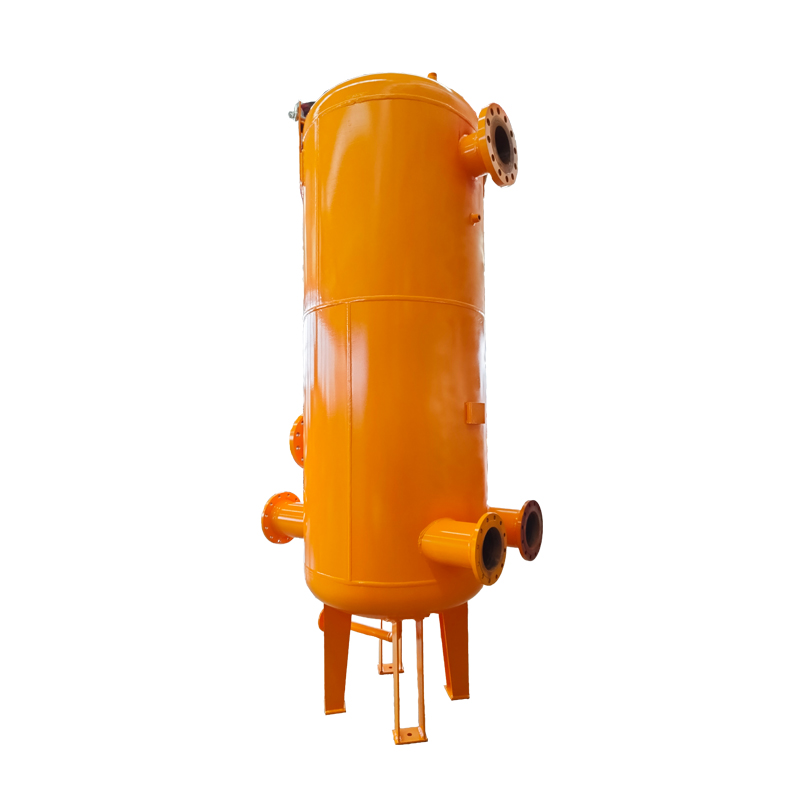
Image: Example of a robust industrial pressure pipe component, often integrated into systems like the Gas Pretreatment Equipment-Cyclone Purifier.
Application Scenarios of Pressure Pipe Systems
The versatility and robustness of pressure pipe systems make them indispensable across a spectrum of industrial applications. Their ability to safely transport various media under demanding conditions is critical for operational continuity and safety. Below are typical scenarios where high-performance pressure pipe is fundamental.
- Oil & Gas Sector (Upstream, Midstream, Downstream):
- Upstream: Drilling risers, wellhead connections, and flow lines handling high-pressure crude oil and natural gas from reservoirs.
- Midstream: Long-distance transmission pipelines for oil and gas, compressor station piping, and essential components within natural gas filter separator and gas filter separator units to ensure purity and prevent damage to downstream equipment.
- Downstream: Refineries and petrochemical plants use pressure pipe for conveying various intermediate and final products, steam, and cooling water within complex processing units.
- Chemical Processing:
Transport of corrosive chemicals, acids, and alkalis, often at elevated temperatures and pressures. Specialized materials like stainless steel or exotic alloys are frequently employed to withstand aggressive media.
- Power Generation:
- Steam Generation: High-pressure steam lines, boiler feedwater piping, and condensate return systems in thermal, nuclear, and combined cycle power plants.
- Cooling Systems: Circulating cooling water systems, which can involve large diameter pressure pipe.
- Water and Wastewater Treatment:
High-pressure filtered water distribution, effluent discharge lines, and piping within desalination plants or industrial water purification systems. Resistance to scale buildup and biocorrosion is crucial here.
- Air Separation and Industrial Gas Production:
Piping for cryogenic gases (e.g., liquid nitrogen, oxygen) and high-pressure industrial gases. These applications demand materials capable of extreme low-temperature service and high purity, often integrating with specialized filter separator units to maintain gas quality.
- Food & Beverage and Pharmaceutical:
Though typically at lower pressures, these sectors require sanitary pressure pipe systems made from specific grades of stainless steel, polished to minimize contamination and facilitate Clean-in-Place (CIP) processes, often downstream of a natural gas filter for clean utility gases.
In each of these scenarios, the selection of the correct pressure pipe material, design, and manufacturing standards is paramount to ensure not only efficient operation but also the safety of personnel and environmental protection. The integration of robust piping with advanced filter separator technologies is a critical design consideration for optimizing system performance and longevity.
Technical Advantages of High-Quality Pressure Pipe
Investing in high-quality pressure pipe offers a multitude of technical advantages that directly translate into operational benefits, reduced total cost of ownership, and enhanced safety for industrial applications. These advantages become particularly pronounced in demanding environments where reliability is non-negotiable, such as in systems incorporating natural gas filter separator or other critical gas processing equipment.
- Superior Structural Integrity:
Manufactured to stringent standards (e.g., API 5L, ASME B31.3), high-quality pipes exhibit exceptional strength and resistance to internal pressure, external loads, and seismic activity. This minimizes the risk of catastrophic failure, ensuring the safety of personnel and assets.
- Exceptional Corrosion and Erosion Resistance:
Through careful material selection (e.g., duplex stainless steel for chloride environments) and advanced internal/external coatings (e.g., FBE, 3LPE), premium pressure pipe can withstand highly corrosive media and abrasive slurries, significantly extending service life and reducing maintenance frequency. This is crucial for applications downstream of a filter separator, where fluid properties might still pose a risk.
- Optimized Flow Characteristics & Energy Efficiency:
Smooth internal surfaces, precise dimensional tolerances, and minimized internal pitting contribute to reduced fluid friction and pressure drop. This leads to lower pumping or compression energy requirements, resulting in substantial energy saving over the operational lifespan, especially in extensive pipeline networks for natural gas or other fluids.
- Enhanced Fatigue Life and Durability:
Manufactured using controlled processes that mitigate internal stresses and defects, these pipes offer superior resistance to fatigue from cyclic loading (pressure fluctuations, thermal cycling, vibration), guaranteeing reliability in dynamic operational environments. This extends the mean time between failures (MTBF).
- Reduced Maintenance and Downtime:
The inherent durability, corrosion resistance, and structural integrity of premium pressure pipe reduce the need for frequent inspections, repairs, and replacements. This translates directly into lower operational expenditure (OpEx) and minimized production downtime.
- Compliance with Global Standards and Certifications:
Reputable manufacturers adhere to internationally recognized standards (ISO 9001, API, ASME, ASTM, DIN), ensuring product consistency, quality, and regulatory compliance worldwide. This also facilitates project approvals and reduces regulatory risks.
- Cost-Effectiveness Over Lifecycle:
While the initial investment for high-quality pressure pipe might be higher, the long-term benefits – including reduced energy consumption, minimal maintenance, extended service life, and enhanced safety – lead to a significantly lower total cost of ownership (TCO) compared to cheaper, lower-grade alternatives.
These technical advantages underscore why specifying and procuring high-quality pressure pipe from reputable vendors is a strategic decision for any industrial project, safeguarding investments and ensuring reliable, safe operations, especially within critical `gas filter separator` or `natural gas filter` systems.
Vendor Comparison for Pressure Pipe Solutions
Selecting the right vendor for pressure pipe solutions is as critical as the pipe's specifications itself. A thorough comparison evaluates not just product parameters but also manufacturing capabilities, quality assurance, certifications, and after-sales support. Below is a framework for comparing potential suppliers, focusing on key differentiators.
Key Comparison Criteria:
- Manufacturing Expertise & Technology: Assess the vendor's experience, their adoption of advanced manufacturing techniques (e.g., seamless forging, precision welding, CNC machining), and their capacity for large-scale production.
- Material Quality & Sourcing: Investigate their raw material suppliers, quality control over incoming materials, and ability to work with a diverse range of alloys, including specialized options for corrosive or high-temperature service.
- Quality Control & Testing Standards: Verify adherence to international standards (e.g., ISO 9001, API Q1), comprehensive in-house NDT capabilities (ultrasonic, radiographic, hydrostatic testing), and independent third-party certifications (e.g., TÜV, DNV).
- Product Range & Customization: Evaluate their ability to supply a full range of pipe sizes, schedules, and materials, as well as their flexibility in providing customized solutions (e.g., specialized coatings, complex fabrication, integration with filter separator skids).
- Project Experience & Track Record: Look for successful project references, particularly in your specific industry (e.g., oil & gas, chemical, power generation). Long-term partnerships with major clients indicate reliability.
- Lead Times & Logistics: Understand their typical lead times for standard and custom orders, their supply chain efficiency, and logistical capabilities for timely global delivery.
- After-Sales Support & Warranty: Examine their warranty terms, availability of technical support, and capacity for on-site assistance, spares, and training.
Illustrative Vendor Comparison Table (Hypothetical)
| Criterion | Vendor A (Global Leader) | Vendor B (Specialist) | Vendor C (Regional Provider) |
|---|---|---|---|
| Certifications | ISO 9001, API Q1, PED, ASTM, ASME | ISO 9001, ASME, API 5L | ISO 9001, Local Certs |
| Product Range (Materials) | Carbon, Stainless, Duplex, Nickel Alloys | High-Performance Stainless & Duplex | Carbon & Standard Stainless |
| Customization Capability | Extensive (Coatings, Complex Fabrication) | Moderate (Specific Alloys, Sizes) | Limited (Standard Modifications) |
| Lead Time (Avg.) | 8-12 Weeks (Complex orders) | 6-10 Weeks (Specialist materials) | 4-8 Weeks (Standard products) |
| After-Sales Support | Global, 24/7 Technical Support | Dedicated Regional Support | Standard Business Hours Support |
| Project Experience | Large-scale, international (Oil & Gas, Power) | Niche, high-pressure (Chemical, Nuclear) | Local infrastructure, utility projects |
This structured comparison aids in identifying a vendor whose capabilities align perfectly with project demands, whether it’s for a standard pressure pipe application or a highly specialized natural gas filter integration.
Customized Solutions for Pressure Pipe Systems
In the realm of B2B industrial applications, off-the-shelf pressure pipe solutions rarely meet the precise and often unique demands of every project. Customization is not merely an option but a necessity to optimize performance, ensure safety, and integrate seamlessly with specialized equipment such as the Gas Pretreatment Equipment-Cyclone Purifier, gas filter separator skids, or complex natural gas filter systems.
Leading manufacturers offer extensive customization capabilities, allowing engineers to tailor pressure pipe components to exact operational parameters and environmental conditions. This bespoke approach ensures that every aspect, from material composition to external coatings, is optimized for peak performance and longevity.
Areas of Customization:
- Material Composition: Tailoring specific alloys to resist particular corrosive agents (e.g., high-nickel alloys for sulfuric acid, super-duplex stainless steel for high-chloride environments), withstand extreme temperatures (cryogenic to ultra-high temperature), or provide enhanced mechanical strength.
- Dimensional Specifications: Manufacturing pipes with non-standard outer diameters, wall thicknesses, or lengths to fit unique space constraints or to meet precise flow requirements, minimizing the need for additional fabrication on-site.
- Specialized Coatings and Linings: Applying internal linings (e.g., glass-reinforced epoxy, cement mortar) for abrasive media or external coatings (e.g., multi-layer polyethylene, advanced polymer wraps) for severe underground or subsea environments to provide cathodic protection and prevent corrosion.
- End Connections and Fittings: Custom fabrication of various end connections (e.g., flanges, specialized welding preparations, threaded ends) to integrate seamlessly with existing infrastructure or unique valve assemblies, ensuring perfect fit and leak-free operation.
- Thermal and Acoustic Insulation: Pre-applied or custom-designed insulation systems to maintain fluid temperature, reduce heat loss/gain, or minimize noise transmission, particularly in sensitive industrial zones or to meet energy efficiency targets.
- Integration with Auxiliary Equipment: Designing pressure pipe runs and manifolds that are pre-fabricated to precisely integrate with specific filter separator modules, heat exchangers, pumps, or metering stations, reducing on-site installation complexity and costs.
- Testing and Documentation: Providing bespoke testing protocols (e.g., higher pressure hydrostatic tests, specific NDT for critical welds) and custom documentation packages to meet project-specific quality assurance requirements and regulatory mandates.
By leveraging customized pressure pipe solutions, businesses can achieve optimized performance, enhanced safety, and greater operational longevity, turning complex engineering challenges into robust, reliable systems.
Application Case Studies
Real-world application case studies demonstrate the tangible benefits of expertly engineered pressure pipe systems. These examples highlight how advanced materials, precise manufacturing, and thoughtful integration address complex industrial challenges, particularly when paired with high-performance separation equipment like gas filter separator units or specialized natural gas filter solutions.
Case Study 1: High-Pressure Natural Gas Transmission with Integrated Filter Separation
Challenge: A major midstream energy company required a new section of a high-pressure natural gas pipeline, operating at 120 bar (1740 psi), to expand capacity. The gas stream contained fine particulate matter and liquid aerosols, necessitating an efficient natural gas filter separator integrated into the piping. Conventional pipe materials showed accelerated internal erosion and corrosion in similar applications.
Solution: We supplied API 5L X70 pressure pipe with an advanced internal anti-corrosion coating (FBE) to withstand abrasive particulates and corrosive components in the gas. The pipes were seamlessly integrated with a high-efficiency cyclonic gas filter separator unit at strategic points along the pipeline. All piping segments underwent rigorous NDT and hydrostatic testing to 1.5 times operating pressure.
Results: After five years of operation, inspections confirmed minimal internal erosion and no signs of corrosion, significantly exceeding the typical service life of previous installations. The integrated filter separator ensured downstream equipment protection, reducing maintenance costs by 30% and improving gas quality by ensuring 99.9% removal of 3-micron particles.
Case Study 2: Corrosive Chemical Transport in a Petrochemical Plant
Challenge: A petrochemical facility needed to replace piping for highly corrosive chemical mixtures (concentrated sulfuric acid and chlorinated hydrocarbons) operating at 150°C (302°F) and 30 bar (435 psi). Previous stainless steel pipes experienced rapid pitting and stress corrosion cracking.
Solution: Customized pressure pipe made from Hastelloy C-276, known for its exceptional resistance to a wide range of aggressive chemical environments, was specified and fabricated. Each pipe section was subjected to stringent metallurgical testing, including intergranular corrosion tests, and individually pressure tested for absolute integrity. Specialized flanges were designed to prevent crevice corrosion.
Results: The Hastelloy pressure pipe system has been in continuous service for over ten years without a single failure related to corrosion or material degradation. This led to an estimated operational cost saving of 25% annually by eliminating frequent replacements and reducing safety risks associated with chemical leaks. The client achieved higher plant uptime and adherence to stricter environmental regulations.
Case Study 3: High-Purity Air Supply for Pharmaceutical Manufacturing
Challenge: A pharmaceutical company required a high-purity compressed air distribution system for cleanroom operations. The existing carbon steel piping introduced particulate contamination and rust, compromising product integrity and failing ISO 8573-1 air quality standards. A sophisticated natural gas filter equivalent system was needed for air purification, requiring ultra-clean upstream piping.
Solution: We provided a complete system utilizing electropolished 316L stainless steel pressure pipe, ensuring an ultra-smooth internal surface (Ra filter separator units to meet the most stringent particulate and oil aerosol removal requirements.
Results: The new piping system consistently delivered compressed air meeting ISO 8573-1 Class 0 standards for purity. This eliminated product batch contamination, significantly reduced filter change-out frequency in the filter separator, and allowed the client to maintain full compliance with pharmaceutical Good Manufacturing Practices (GMP), leading to zero product recalls due to air quality issues in the subsequent three years.
Trust and Support: FAQs, Lead Times, Warranty, and Customer Service
Building long-term partnerships in the B2B sector relies heavily on transparency, reliability, and robust support infrastructure. We prioritize these aspects to ensure our clients have complete confidence in our pressure pipe solutions and associated services, including those for natural gas filter separator and gas filter separator units.
Frequently Asked Questions (FAQs):
- Q1: How do I select the correct material for my pressure pipe application?
A1: Material selection is critical and depends on operating pressure, temperature, the type of fluid/gas conveyed (including its corrosiveness and erosiveness), and environmental conditions. Our engineering team can conduct a detailed analysis to recommend the optimal material grade (e.g., carbon steel, stainless steel, duplex, specialty alloys) and any necessary coatings or linings. - Q2: What testing procedures do your pressure pipes undergo?
A2: All our pressure pipe products undergo a series of stringent tests, including Non-Destructive Testing (NDT) such as ultrasonic and radiographic inspection, magnetic particle testing, and comprehensive hydrostatic testing to verify structural integrity and leak-tightness. These comply with relevant international standards like API, ASME, and ISO. - Q3: Can your pressure piping be integrated with existing gas filter separator systems?
A3: Absolutely. Our pressure pipe solutions are designed for flexible integration. We offer customized fabrication, specialized end connections, and engineering support to ensure seamless compatibility with your existing gas filter separator units, natural gas filter installations, or any other auxiliary equipment. - Q4: What is the typical service life of your pressure pipes?
A4: With proper material selection, design, installation, and maintenance, our high-quality pressure pipe systems are engineered for extended service lives, often exceeding 20-30 years, even in challenging industrial environments. Specific lifespan depends heavily on operating conditions and chosen materials.
Lead Time & Fulfillment Details:
Our lead times vary based on product complexity, material availability, and order volume. For standard pressure pipe orders, typical lead times range from 4-8 weeks. Customized or highly specialized solutions, especially those involving exotic alloys or extensive fabrication for a large filter separator project, may require 10-16 weeks. We maintain robust supply chain management and leverage strategic partnerships to ensure efficient order fulfillment and on-time delivery. Project managers are assigned to each major order to provide real-time updates and streamline logistics from manufacturing to shipment.
Warranty Commitments:
We stand behind the quality and performance of our pressure pipe products. All our piping solutions come with a comprehensive warranty against manufacturing defects and material failures under normal operating conditions. Standard warranty periods typically range from 1 to 5 years, depending on the product type and application. Detailed warranty terms and conditions are provided with each quotation and order confirmation, outlining coverage and service commitment.
Customer Support Information:
Our dedicated customer support team and technical experts are available to assist you throughout the entire project lifecycle, from initial consultation and design to installation and post-commissioning support. We offer:
- Technical Consultation: Expert advice on material selection, design optimization, and compliance with industry standards.
- Installation Guidance: Support and documentation to ensure correct installation practices for our pressure pipe systems.
- Spare Parts & Maintenance: Availability of genuine spare parts and recommendations for optimal maintenance schedules.
- Emergency Support: Rapid response for critical issues, minimizing potential downtime for your operations.
For any inquiries, please contact our sales and support team via the contact details provided on our official website. We are committed to ensuring your projects succeed with reliable, high-performance pressure pipe solutions.
Conclusion
The modern industrial landscape demands uncompromising reliability and efficiency, placing the pressure pipe at the core of critical infrastructure. From high-pressure natural gas transmission to precision chemical processing, the integrity of these systems is paramount for safety, operational continuity, and environmental protection. As industries continue to evolve, driven by demands for higher performance, greater sustainability, and enhanced digitalization, the technology behind pressure pipe will also advance, further integrating with sophisticated systems like the filter separator and natural gas filter separator.
By focusing on advanced materials, rigorous manufacturing processes, adherence to international standards, and continuous innovation, manufacturers are developing pressure pipe solutions that not only meet but exceed the challenges of tomorrow's industrial world. Choosing a trusted partner for these critical components ensures long-term value, unparalleled safety, and optimized operational performance.
References
- American Petroleum Institute (API) Standards. "API 5L: Specification for Line Pipe."
- American Society of Mechanical Engineers (ASME) Boiler and Pressure Vessel Code. "ASME B31.3: Process Piping."
- International Organization for Standardization (ISO) Standards. "ISO 3183: Petroleum and natural gas industries - Steel pipe for pipeline transportation systems."
- ASTM International Standards. "ASTM A106 / A106M: Standard Specification for Seamless Carbon Steel Pipe for High-Temperature Service."
- NACE International. "Corrosion Engineering: Principles and Practice."
Latest news
-
Industrial Natural Gas Pressure Reducing Valve Guide and SelectionNewsApr.16,2026
-
Understanding the Industrial Regulating Valve for Fluid ControlNewsApr.09,2026
-
Understanding Gas Pressure Reducer Types Applications and Safety MeasuresNewsApr.07,2026
-
Understanding and Optimizing Gas Pressure Reducing Valve SystemsNewsApr.04,2026
-
Optimizing System Performance with the Right Filter Separator SelectionNewsMar.31,2026
-
Comprehensive Guide to Understanding and Utilizing Pressure Pipe SystemsNewsMar.28,2026
Sep . 08, 2025 16:38
Back to list
Pressure Pipe Filter Separators: Efficient Gas & Natural Gas Filtration
Industry Trends and the Critical Role of Pressure Piping
In the intricate landscape of modern industrial infrastructure, the integrity and performance of piping systems are paramount. At the heart of these systems lies the pressure pipe, a fundamental component engineered to safely convey fluids and gases under extreme conditions. The demands placed on these critical elements are continually escalating, driven by evolving industry trends and a relentless pursuit of operational excellence.
Current industry trends are shaping the future of pressure pipe technology. We are witnessing a significant shift towards digitalization, integrating advanced sensor technologies and predictive maintenance analytics to monitor pipe health in real-time. This proactive approach minimizes downtime and enhances safety across sectors. Furthermore, sustainability is no longer a niche consideration but a core design principle. Manufacturers are increasingly focused on developing materials and processes that offer reduced environmental impact, longer service life, and greater recyclability.
The synergy between pressure pipe systems and advanced separation technologies, such as the filter separator and gas filter separator, is becoming increasingly vital. In applications requiring pristine fluid or gas streams, like those managed by a natural gas filter separator or a high-efficiency natural gas filter, the reliability of the associated pressure piping directly impacts the overall system's effectiveness and the purity of the end product. Enhanced safety standards, particularly in high-hazard environments, necessitate pipes that can withstand extreme pressures, temperatures, and corrosive media with absolute certainty, making robust material science and stringent testing non-negotiable.
This section sets the stage for a deep dive into the technical and operational nuances of pressure piping, highlighting its indispensable role in industrial progress.
Manufacturing Process Flow of Pressure Pipe
The fabrication of a high-performance pressure pipe is a multi-stage, precision-driven process that begins with meticulous material selection and culminates in rigorous testing, ensuring ultimate reliability and longevity. Understanding this process is key to appreciating the engineering excellence embedded in every length of pipe.
Process Stages:
- 1. Material Selection: This initial and crucial step involves choosing appropriate metallic alloys (e.g., carbon steel, stainless steel, duplex/super duplex stainless steel, nickel alloys) or advanced composite materials. Selection criteria include pressure/temperature ratings, corrosive resistance, mechanical strength, and application-specific requirements. For demanding environments, materials like ASTM A106 Grade B for high-temperature service or ASTM A312 Grade 316L for corrosive media are common.
-
2. Forming Process:
- Seamless Pipes: Produced by extruding a solid billet over a piercing rod. This method creates a uniform wall thickness and is ideal for high-pressure and high-temperature applications, offering superior structural integrity. Technologies like hot rotary piercing are often employed.
- Welded Pipes: Formed from steel plates or strips that are rolled into cylindrical shapes and welded longitudinally (e.g., Electric Resistance Welded - ERW, Submerged Arc Welded - SAW). Advanced welding techniques ensure seam integrity comparable to seamless options.
- 3. Heat Treatment: Post-forming, pipes undergo specific heat treatment processes (e.g., annealing, normalizing, quenching, tempering). This optimizes microstructure, relieves internal stresses, and enhances mechanical properties like hardness, toughness, and corrosion resistance, crucial for extended service life.
- 4. Machining and Finishing: Pipes are cut to exact lengths, and ends are typically beveled for welding. Precision CNC machining ensures accurate dimensions and surface finishes, particularly critical for connections and specialized fittings in pressure pipe assemblies.
- 5. Surface Treatment & Coating: Depending on the application, pipes may receive internal and external coatings (e.g., epoxy, polyurethane, fusion-bonded epoxy FBE) or linings to enhance corrosion resistance, reduce friction, or prevent contamination.
- 6. Non-Destructive Testing (NDT): Throughout the process, and especially post-fabrication, NDT methods are applied. These include ultrasonic testing (UT), radiographic testing (RT), magnetic particle inspection (MPI), and eddy current testing to detect internal flaws, cracks, or imperfections without damaging the pipe.
- 7. Hydrostatic Testing: Each pressure pipe undergoes hydrostatic testing, where it is filled with water and pressurized to a level significantly exceeding its design pressure. This crucial test verifies the pipe's structural integrity and leak-tightness under stress, adhering to standards like API 5L or ASTM A53.
- 8. Final Inspection & Certification: A comprehensive final inspection verifies dimensions, material traceability, and adherence to all specified standards (e.g., ISO 3183, ANSI B31.3). Certification documentation is provided, assuring compliance and quality.
Target Industries and Advantages:
High-quality pressure pipe finds indispensable applications across diverse industries:
- Petrochemical: For transporting crude oil, refined products, and various chemicals under high pressure and temperature.
- Oil & Gas (Upstream & Midstream): Critical for drilling, production, and long-distance transmission of natural gas, requiring robust resistance to internal and external corrosion, especially when paired with a natural gas filter separator.
- Power Generation: Steam lines, cooling water systems, and fuel lines in thermal and nuclear power plants.
- Water Supply & Drainage: High-pressure water transmission lines, wastewater treatment plants.
- Metallurgy: Process piping for aggressive media, gas supply lines.
Advantages in typical application scenarios include significant energy saving due to optimized flow characteristics and reduced pressure drop, superior corrosion resistance extending service life even in highly aggressive chemical environments, and enhanced safety by preventing leaks and ruptures.
Technical Specifications and Parameters
Understanding the precise technical specifications of a pressure pipe is fundamental for engineers and procurement specialists to ensure optimal system design, safety, and operational efficiency. These parameters dictate the pipe's suitability for specific applications, particularly when integrated into complex systems like the Gas Pretreatment Equipment-Cyclone Purifier or advanced gas filter separator units.
Key parameters for pressure pipe include:
- Material Grade: Specifies the alloy composition (e.g., API 5L X65, ASTM A312 TP304, ASME SA-106 Gr. B) and dictates mechanical properties, corrosion resistance, and temperature limits.
- Outer Diameter (OD) & Wall Thickness (WT): Defines the physical dimensions and, critically, the pressure containment capability. Schedule numbers (e.g., Schedule 40, Schedule 80, Schedule 160) are often used to denote wall thickness relative to the OD.
- Pressure Rating: The maximum internal pressure the pipe can safely withstand at a specified temperature, calculated based on material strength, dimensions, and safety factors (e.g., ANSI/ASME B31.3 for process piping).
- Temperature Range: The minimum and maximum operating temperatures the pipe material can endure without compromising its mechanical properties or integrity.
- Corrosion Allowance: An additional thickness added to the pipe wall to compensate for material loss over the design life due to corrosion or erosion, particularly important in chemical processing or offshore applications.
- Manufacturing Standards: Adherence to international standards like ISO, ASTM, ASME, API ensures consistency and quality.
Typical Pressure Pipe Specification Table (Illustrative)
| Parameter | Value/Specification | Description |
|---|---|---|
| Material Grade | ASTM A106 Grade B | Seamless Carbon Steel Pipe for High-Temperature Service |
| Outer Diameter (OD) | 16 inches (406.4 mm) | Nominal Pipe Size (NPS 16) |
| Wall Thickness (WT) | Schedule 80 (0.844 inches / 21.44 mm) | Robust thickness for higher pressure ratings |
| Maximum Design Pressure | 1480 psi (102 bar) @ 20°C | Calculated per ASME B31.3 |
| Operating Temperature Range | -29°C to 450°C | Suitable for wide thermal fluctuations |
| Yield Strength (Min) | 35,000 psi (241 MPa) | Resistance to permanent deformation |
| Tensile Strength (Min) | 60,000 psi (414 MPa) | Resistance to breaking under tension |
| End Finish | Beveled for Welding | Facilitates efficient and strong joint creation |
| Manufacturing Standard | ASTM A106 / ASME SA-106 | Ensures quality and performance compliance |
Image: Example of a robust industrial pressure pipe component, often integrated into systems like the Gas Pretreatment Equipment-Cyclone Purifier.
Application Scenarios of Pressure Pipe Systems
The versatility and robustness of pressure pipe systems make them indispensable across a spectrum of industrial applications. Their ability to safely transport various media under demanding conditions is critical for operational continuity and safety. Below are typical scenarios where high-performance pressure pipe is fundamental.
- Oil & Gas Sector (Upstream, Midstream, Downstream):
- Upstream: Drilling risers, wellhead connections, and flow lines handling high-pressure crude oil and natural gas from reservoirs.
- Midstream: Long-distance transmission pipelines for oil and gas, compressor station piping, and essential components within natural gas filter separator and gas filter separator units to ensure purity and prevent damage to downstream equipment.
- Downstream: Refineries and petrochemical plants use pressure pipe for conveying various intermediate and final products, steam, and cooling water within complex processing units.
- Chemical Processing:
Transport of corrosive chemicals, acids, and alkalis, often at elevated temperatures and pressures. Specialized materials like stainless steel or exotic alloys are frequently employed to withstand aggressive media.
- Power Generation:
- Steam Generation: High-pressure steam lines, boiler feedwater piping, and condensate return systems in thermal, nuclear, and combined cycle power plants.
- Cooling Systems: Circulating cooling water systems, which can involve large diameter pressure pipe.
- Water and Wastewater Treatment:
High-pressure filtered water distribution, effluent discharge lines, and piping within desalination plants or industrial water purification systems. Resistance to scale buildup and biocorrosion is crucial here.
- Air Separation and Industrial Gas Production:
Piping for cryogenic gases (e.g., liquid nitrogen, oxygen) and high-pressure industrial gases. These applications demand materials capable of extreme low-temperature service and high purity, often integrating with specialized filter separator units to maintain gas quality.
- Food & Beverage and Pharmaceutical:
Though typically at lower pressures, these sectors require sanitary pressure pipe systems made from specific grades of stainless steel, polished to minimize contamination and facilitate Clean-in-Place (CIP) processes, often downstream of a natural gas filter for clean utility gases.
In each of these scenarios, the selection of the correct pressure pipe material, design, and manufacturing standards is paramount to ensure not only efficient operation but also the safety of personnel and environmental protection. The integration of robust piping with advanced filter separator technologies is a critical design consideration for optimizing system performance and longevity.
Technical Advantages of High-Quality Pressure Pipe
Investing in high-quality pressure pipe offers a multitude of technical advantages that directly translate into operational benefits, reduced total cost of ownership, and enhanced safety for industrial applications. These advantages become particularly pronounced in demanding environments where reliability is non-negotiable, such as in systems incorporating natural gas filter separator or other critical gas processing equipment.
- Superior Structural Integrity:
Manufactured to stringent standards (e.g., API 5L, ASME B31.3), high-quality pipes exhibit exceptional strength and resistance to internal pressure, external loads, and seismic activity. This minimizes the risk of catastrophic failure, ensuring the safety of personnel and assets.
- Exceptional Corrosion and Erosion Resistance:
Through careful material selection (e.g., duplex stainless steel for chloride environments) and advanced internal/external coatings (e.g., FBE, 3LPE), premium pressure pipe can withstand highly corrosive media and abrasive slurries, significantly extending service life and reducing maintenance frequency. This is crucial for applications downstream of a filter separator, where fluid properties might still pose a risk.
- Optimized Flow Characteristics & Energy Efficiency:
Smooth internal surfaces, precise dimensional tolerances, and minimized internal pitting contribute to reduced fluid friction and pressure drop. This leads to lower pumping or compression energy requirements, resulting in substantial energy saving over the operational lifespan, especially in extensive pipeline networks for natural gas or other fluids.
- Enhanced Fatigue Life and Durability:
Manufactured using controlled processes that mitigate internal stresses and defects, these pipes offer superior resistance to fatigue from cyclic loading (pressure fluctuations, thermal cycling, vibration), guaranteeing reliability in dynamic operational environments. This extends the mean time between failures (MTBF).
- Reduced Maintenance and Downtime:
The inherent durability, corrosion resistance, and structural integrity of premium pressure pipe reduce the need for frequent inspections, repairs, and replacements. This translates directly into lower operational expenditure (OpEx) and minimized production downtime.
- Compliance with Global Standards and Certifications:
Reputable manufacturers adhere to internationally recognized standards (ISO 9001, API, ASME, ASTM, DIN), ensuring product consistency, quality, and regulatory compliance worldwide. This also facilitates project approvals and reduces regulatory risks.
- Cost-Effectiveness Over Lifecycle:
While the initial investment for high-quality pressure pipe might be higher, the long-term benefits – including reduced energy consumption, minimal maintenance, extended service life, and enhanced safety – lead to a significantly lower total cost of ownership (TCO) compared to cheaper, lower-grade alternatives.
These technical advantages underscore why specifying and procuring high-quality pressure pipe from reputable vendors is a strategic decision for any industrial project, safeguarding investments and ensuring reliable, safe operations, especially within critical `gas filter separator` or `natural gas filter` systems.
Vendor Comparison for Pressure Pipe Solutions
Selecting the right vendor for pressure pipe solutions is as critical as the pipe's specifications itself. A thorough comparison evaluates not just product parameters but also manufacturing capabilities, quality assurance, certifications, and after-sales support. Below is a framework for comparing potential suppliers, focusing on key differentiators.
Key Comparison Criteria:
- Manufacturing Expertise & Technology: Assess the vendor's experience, their adoption of advanced manufacturing techniques (e.g., seamless forging, precision welding, CNC machining), and their capacity for large-scale production.
- Material Quality & Sourcing: Investigate their raw material suppliers, quality control over incoming materials, and ability to work with a diverse range of alloys, including specialized options for corrosive or high-temperature service.
- Quality Control & Testing Standards: Verify adherence to international standards (e.g., ISO 9001, API Q1), comprehensive in-house NDT capabilities (ultrasonic, radiographic, hydrostatic testing), and independent third-party certifications (e.g., TÜV, DNV).
- Product Range & Customization: Evaluate their ability to supply a full range of pipe sizes, schedules, and materials, as well as their flexibility in providing customized solutions (e.g., specialized coatings, complex fabrication, integration with filter separator skids).
- Project Experience & Track Record: Look for successful project references, particularly in your specific industry (e.g., oil & gas, chemical, power generation). Long-term partnerships with major clients indicate reliability.
- Lead Times & Logistics: Understand their typical lead times for standard and custom orders, their supply chain efficiency, and logistical capabilities for timely global delivery.
- After-Sales Support & Warranty: Examine their warranty terms, availability of technical support, and capacity for on-site assistance, spares, and training.
Illustrative Vendor Comparison Table (Hypothetical)
| Criterion | Vendor A (Global Leader) | Vendor B (Specialist) | Vendor C (Regional Provider) |
|---|---|---|---|
| Certifications | ISO 9001, API Q1, PED, ASTM, ASME | ISO 9001, ASME, API 5L | ISO 9001, Local Certs |
| Product Range (Materials) | Carbon, Stainless, Duplex, Nickel Alloys | High-Performance Stainless & Duplex | Carbon & Standard Stainless |
| Customization Capability | Extensive (Coatings, Complex Fabrication) | Moderate (Specific Alloys, Sizes) | Limited (Standard Modifications) |
| Lead Time (Avg.) | 8-12 Weeks (Complex orders) | 6-10 Weeks (Specialist materials) | 4-8 Weeks (Standard products) |
| After-Sales Support | Global, 24/7 Technical Support | Dedicated Regional Support | Standard Business Hours Support |
| Project Experience | Large-scale, international (Oil & Gas, Power) | Niche, high-pressure (Chemical, Nuclear) | Local infrastructure, utility projects |
This structured comparison aids in identifying a vendor whose capabilities align perfectly with project demands, whether it’s for a standard pressure pipe application or a highly specialized natural gas filter integration.
Customized Solutions for Pressure Pipe Systems
In the realm of B2B industrial applications, off-the-shelf pressure pipe solutions rarely meet the precise and often unique demands of every project. Customization is not merely an option but a necessity to optimize performance, ensure safety, and integrate seamlessly with specialized equipment such as the Gas Pretreatment Equipment-Cyclone Purifier, gas filter separator skids, or complex natural gas filter systems.
Leading manufacturers offer extensive customization capabilities, allowing engineers to tailor pressure pipe components to exact operational parameters and environmental conditions. This bespoke approach ensures that every aspect, from material composition to external coatings, is optimized for peak performance and longevity.
Areas of Customization:
- Material Composition: Tailoring specific alloys to resist particular corrosive agents (e.g., high-nickel alloys for sulfuric acid, super-duplex stainless steel for high-chloride environments), withstand extreme temperatures (cryogenic to ultra-high temperature), or provide enhanced mechanical strength.
- Dimensional Specifications: Manufacturing pipes with non-standard outer diameters, wall thicknesses, or lengths to fit unique space constraints or to meet precise flow requirements, minimizing the need for additional fabrication on-site.
- Specialized Coatings and Linings: Applying internal linings (e.g., glass-reinforced epoxy, cement mortar) for abrasive media or external coatings (e.g., multi-layer polyethylene, advanced polymer wraps) for severe underground or subsea environments to provide cathodic protection and prevent corrosion.
- End Connections and Fittings: Custom fabrication of various end connections (e.g., flanges, specialized welding preparations, threaded ends) to integrate seamlessly with existing infrastructure or unique valve assemblies, ensuring perfect fit and leak-free operation.
- Thermal and Acoustic Insulation: Pre-applied or custom-designed insulation systems to maintain fluid temperature, reduce heat loss/gain, or minimize noise transmission, particularly in sensitive industrial zones or to meet energy efficiency targets.
- Integration with Auxiliary Equipment: Designing pressure pipe runs and manifolds that are pre-fabricated to precisely integrate with specific filter separator modules, heat exchangers, pumps, or metering stations, reducing on-site installation complexity and costs.
- Testing and Documentation: Providing bespoke testing protocols (e.g., higher pressure hydrostatic tests, specific NDT for critical welds) and custom documentation packages to meet project-specific quality assurance requirements and regulatory mandates.
By leveraging customized pressure pipe solutions, businesses can achieve optimized performance, enhanced safety, and greater operational longevity, turning complex engineering challenges into robust, reliable systems.
Application Case Studies
Real-world application case studies demonstrate the tangible benefits of expertly engineered pressure pipe systems. These examples highlight how advanced materials, precise manufacturing, and thoughtful integration address complex industrial challenges, particularly when paired with high-performance separation equipment like gas filter separator units or specialized natural gas filter solutions.
Case Study 1: High-Pressure Natural Gas Transmission with Integrated Filter Separation
Challenge: A major midstream energy company required a new section of a high-pressure natural gas pipeline, operating at 120 bar (1740 psi), to expand capacity. The gas stream contained fine particulate matter and liquid aerosols, necessitating an efficient natural gas filter separator integrated into the piping. Conventional pipe materials showed accelerated internal erosion and corrosion in similar applications.
Solution: We supplied API 5L X70 pressure pipe with an advanced internal anti-corrosion coating (FBE) to withstand abrasive particulates and corrosive components in the gas. The pipes were seamlessly integrated with a high-efficiency cyclonic gas filter separator unit at strategic points along the pipeline. All piping segments underwent rigorous NDT and hydrostatic testing to 1.5 times operating pressure.
Results: After five years of operation, inspections confirmed minimal internal erosion and no signs of corrosion, significantly exceeding the typical service life of previous installations. The integrated filter separator ensured downstream equipment protection, reducing maintenance costs by 30% and improving gas quality by ensuring 99.9% removal of 3-micron particles.
Case Study 2: Corrosive Chemical Transport in a Petrochemical Plant
Challenge: A petrochemical facility needed to replace piping for highly corrosive chemical mixtures (concentrated sulfuric acid and chlorinated hydrocarbons) operating at 150°C (302°F) and 30 bar (435 psi). Previous stainless steel pipes experienced rapid pitting and stress corrosion cracking.
Solution: Customized pressure pipe made from Hastelloy C-276, known for its exceptional resistance to a wide range of aggressive chemical environments, was specified and fabricated. Each pipe section was subjected to stringent metallurgical testing, including intergranular corrosion tests, and individually pressure tested for absolute integrity. Specialized flanges were designed to prevent crevice corrosion.
Results: The Hastelloy pressure pipe system has been in continuous service for over ten years without a single failure related to corrosion or material degradation. This led to an estimated operational cost saving of 25% annually by eliminating frequent replacements and reducing safety risks associated with chemical leaks. The client achieved higher plant uptime and adherence to stricter environmental regulations.
Case Study 3: High-Purity Air Supply for Pharmaceutical Manufacturing
Challenge: A pharmaceutical company required a high-purity compressed air distribution system for cleanroom operations. The existing carbon steel piping introduced particulate contamination and rust, compromising product integrity and failing ISO 8573-1 air quality standards. A sophisticated natural gas filter equivalent system was needed for air purification, requiring ultra-clean upstream piping.
Solution: We provided a complete system utilizing electropolished 316L stainless steel pressure pipe, ensuring an ultra-smooth internal surface (Ra < 0.8 µm) to prevent particle adhesion and microbial growth. All welding was performed using orbital welding technology in a controlled environment to eliminate contamination. The system included integrated sterile filter separator units to meet the most stringent particulate and oil aerosol removal requirements.
Results: The new piping system consistently delivered compressed air meeting ISO 8573-1 Class 0 standards for purity. This eliminated product batch contamination, significantly reduced filter change-out frequency in the filter separator, and allowed the client to maintain full compliance with pharmaceutical Good Manufacturing Practices (GMP), leading to zero product recalls due to air quality issues in the subsequent three years.
Trust and Support: FAQs, Lead Times, Warranty, and Customer Service
Building long-term partnerships in the B2B sector relies heavily on transparency, reliability, and robust support infrastructure. We prioritize these aspects to ensure our clients have complete confidence in our pressure pipe solutions and associated services, including those for natural gas filter separator and gas filter separator units.
Frequently Asked Questions (FAQs):
- Q1: How do I select the correct material for my pressure pipe application?
A1: Material selection is critical and depends on operating pressure, temperature, the type of fluid/gas conveyed (including its corrosiveness and erosiveness), and environmental conditions. Our engineering team can conduct a detailed analysis to recommend the optimal material grade (e.g., carbon steel, stainless steel, duplex, specialty alloys) and any necessary coatings or linings. - Q2: What testing procedures do your pressure pipes undergo?
A2: All our pressure pipe products undergo a series of stringent tests, including Non-Destructive Testing (NDT) such as ultrasonic and radiographic inspection, magnetic particle testing, and comprehensive hydrostatic testing to verify structural integrity and leak-tightness. These comply with relevant international standards like API, ASME, and ISO. - Q3: Can your pressure piping be integrated with existing gas filter separator systems?
A3: Absolutely. Our pressure pipe solutions are designed for flexible integration. We offer customized fabrication, specialized end connections, and engineering support to ensure seamless compatibility with your existing gas filter separator units, natural gas filter installations, or any other auxiliary equipment. - Q4: What is the typical service life of your pressure pipes?
A4: With proper material selection, design, installation, and maintenance, our high-quality pressure pipe systems are engineered for extended service lives, often exceeding 20-30 years, even in challenging industrial environments. Specific lifespan depends heavily on operating conditions and chosen materials.
Lead Time & Fulfillment Details:
Our lead times vary based on product complexity, material availability, and order volume. For standard pressure pipe orders, typical lead times range from 4-8 weeks. Customized or highly specialized solutions, especially those involving exotic alloys or extensive fabrication for a large filter separator project, may require 10-16 weeks. We maintain robust supply chain management and leverage strategic partnerships to ensure efficient order fulfillment and on-time delivery. Project managers are assigned to each major order to provide real-time updates and streamline logistics from manufacturing to shipment.
Warranty Commitments:
We stand behind the quality and performance of our pressure pipe products. All our piping solutions come with a comprehensive warranty against manufacturing defects and material failures under normal operating conditions. Standard warranty periods typically range from 1 to 5 years, depending on the product type and application. Detailed warranty terms and conditions are provided with each quotation and order confirmation, outlining coverage and service commitment.
Customer Support Information:
Our dedicated customer support team and technical experts are available to assist you throughout the entire project lifecycle, from initial consultation and design to installation and post-commissioning support. We offer:
- Technical Consultation: Expert advice on material selection, design optimization, and compliance with industry standards.
- Installation Guidance: Support and documentation to ensure correct installation practices for our pressure pipe systems.
- Spare Parts & Maintenance: Availability of genuine spare parts and recommendations for optimal maintenance schedules.
- Emergency Support: Rapid response for critical issues, minimizing potential downtime for your operations.
For any inquiries, please contact our sales and support team via the contact details provided on our official website. We are committed to ensuring your projects succeed with reliable, high-performance pressure pipe solutions.
Conclusion
The modern industrial landscape demands uncompromising reliability and efficiency, placing the pressure pipe at the core of critical infrastructure. From high-pressure natural gas transmission to precision chemical processing, the integrity of these systems is paramount for safety, operational continuity, and environmental protection. As industries continue to evolve, driven by demands for higher performance, greater sustainability, and enhanced digitalization, the technology behind pressure pipe will also advance, further integrating with sophisticated systems like the filter separator and natural gas filter separator.
By focusing on advanced materials, rigorous manufacturing processes, adherence to international standards, and continuous innovation, manufacturers are developing pressure pipe solutions that not only meet but exceed the challenges of tomorrow's industrial world. Choosing a trusted partner for these critical components ensures long-term value, unparalleled safety, and optimized operational performance.
References
- American Petroleum Institute (API) Standards. "API 5L: Specification for Line Pipe."
- American Society of Mechanical Engineers (ASME) Boiler and Pressure Vessel Code. "ASME B31.3: Process Piping."
- International Organization for Standardization (ISO) Standards. "ISO 3183: Petroleum and natural gas industries - Steel pipe for pipeline transportation systems."
- ASTM International Standards. "ASTM A106 / A106M: Standard Specification for Seamless Carbon Steel Pipe for High-Temperature Service."
- NACE International. "Corrosion Engineering: Principles and Practice."
Next:
Latest news
-
Industrial Natural Gas Pressure Reducing Valve Guide and SelectionNewsApr.16,2026
-
Understanding the Industrial Regulating Valve for Fluid ControlNewsApr.09,2026
-
Understanding Gas Pressure Reducer Types Applications and Safety MeasuresNewsApr.07,2026
-
Understanding and Optimizing Gas Pressure Reducing Valve SystemsNewsApr.04,2026
-
Optimizing System Performance with the Right Filter Separator SelectionNewsMar.31,2026
-
Comprehensive Guide to Understanding and Utilizing Pressure Pipe SystemsNewsMar.28,2026