


Jan . 27, 2026 17:25
Back to list
Understanding How a Gas Separator Works for Efficient Fluid Separation
How Does a Gas Separator Work?
Gas separators are critical components in numerous industrial processes, particularly in oil and gas production, chemical processing, and wastewater treatment. They efficiently separate different phases of fluids—typically gas, oil, and water—ensuring optimal process efficiency and preventing damage to downstream equipment. Understanding how a gas separator works is key to optimizing production and maintaining operational safety. We’ll explore the principles behind their operation, different types, and key considerations for effective separation.
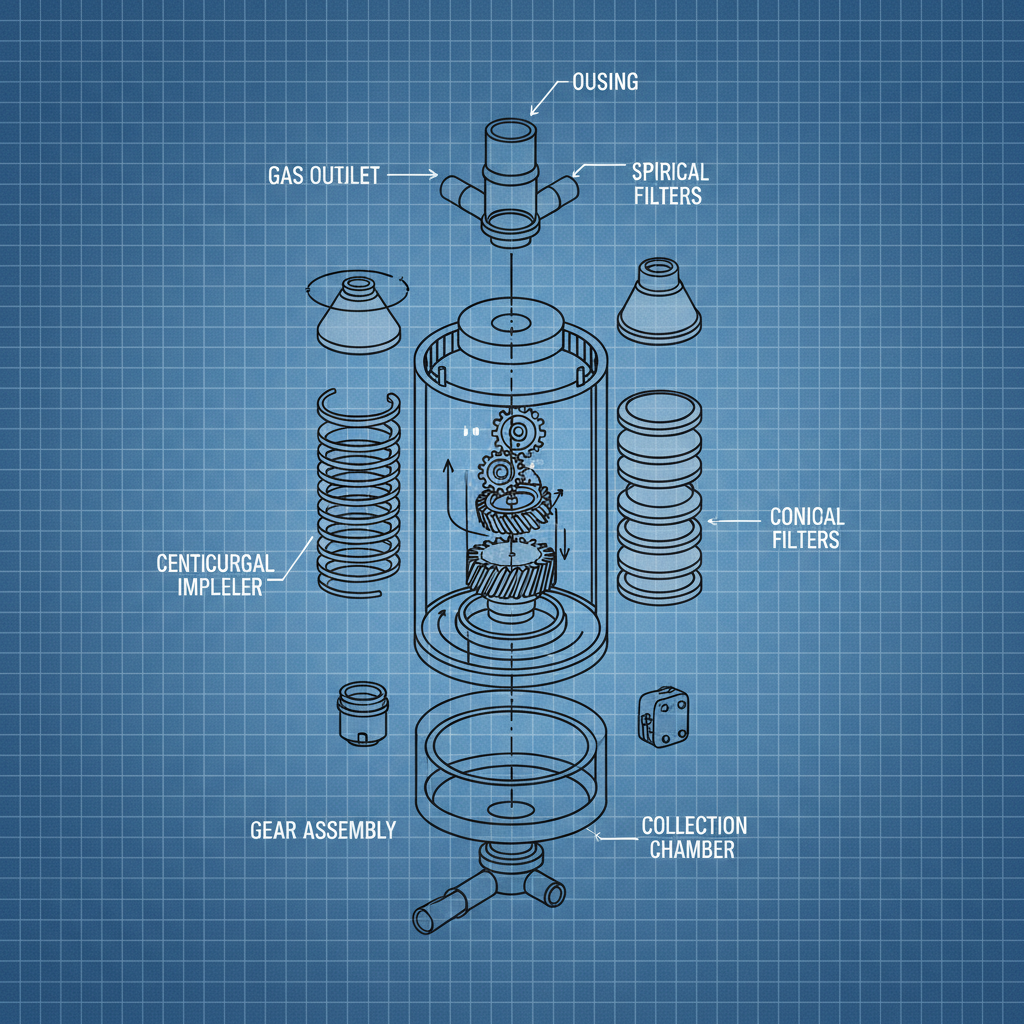
The Core Principles of Gas Separation
The operation of a gas separator hinges on the density differences between the phases involved. Heavier phases, like liquids (oil and water), tend to settle downwards due to gravity, while lighter phases, such as gas, rise to the top. This separation is facilitated by minimizing the velocity of the incoming fluid stream within the separator vessel. Sufficient residence time allows gravity to act effectively, leading to clear phase separation. Furthermore, internal components like baffles, vanes, and mesh pads enhance separation efficiency by disrupting the flow and promoting droplet coalescence. Understanding these core principles is essential to grasping gas separator technology.
Key Highlights: Gas separators leverage density differences and reduced velocity to allow gravity to separate gas, oil, and water phases. Internal components enhance separation efficiency.
Types of Gas Separators: Vertical vs. Horizontal
Gas separators are commonly categorized into vertical and horizontal designs, each offering distinct advantages depending on the application. Vertical separators are favored for high gas-to-liquid ratios and are more compact, making them ideal for offshore platforms and space-constrained environments. Horizontal separators excel in applications with low gas-to-liquid ratios and are better suited for handling foaming fluids or solids. The selection between vertical and horizontal separators depends on the specific process conditions and fluid characteristics. Gasouyinuo specializes in providing both types to meet diverse industrial needs.
Vertical vs. Horizontal Separators:
• Vertical: High gas-to-liquid ratio, compact design.
• Horizontal: Low gas-to-liquid ratio, handles foaming fluids and solids.
How a Gas Separator Works: The Separation Process Explained
The separation process within a gas separator typically involves several stages. First, the incoming well stream enters the inlet diverter, which reduces the velocity of the fluid and directs the flow downwards. As the fluid descends, gravity causes the heavier liquids to settle to the bottom, while the lighter gas rises to the top. Baffles and vanes within the vessel further promote droplet coalescence, increasing the efficiency of liquid removal from the gas stream. A mist eliminator, often a mesh pad, captures any remaining liquid droplets entrained in the gas, ensuring a clean gas outlet. Finally, the separated oil and water phases are removed through separate outlets, often with level controls to maintain optimal separation. This detailed process is vital to effective gas separation.
Factors Affecting Gas Separator Efficiency
Several factors can influence the efficiency of a gas separator. These include the inlet gas velocity (too high a velocity reduces separation time), the gas-to-liquid ratio, fluid temperature, and the presence of solids or foaming agents. Accurate sizing of the separator vessel is crucial; it needs to provide sufficient residence time for effective phase separation. Regular maintenance, including cleaning and inspection of internal components, is also essential. Monitoring the separator's performance using level sensors and pressure gauges can help identify and address potential issues proactively.
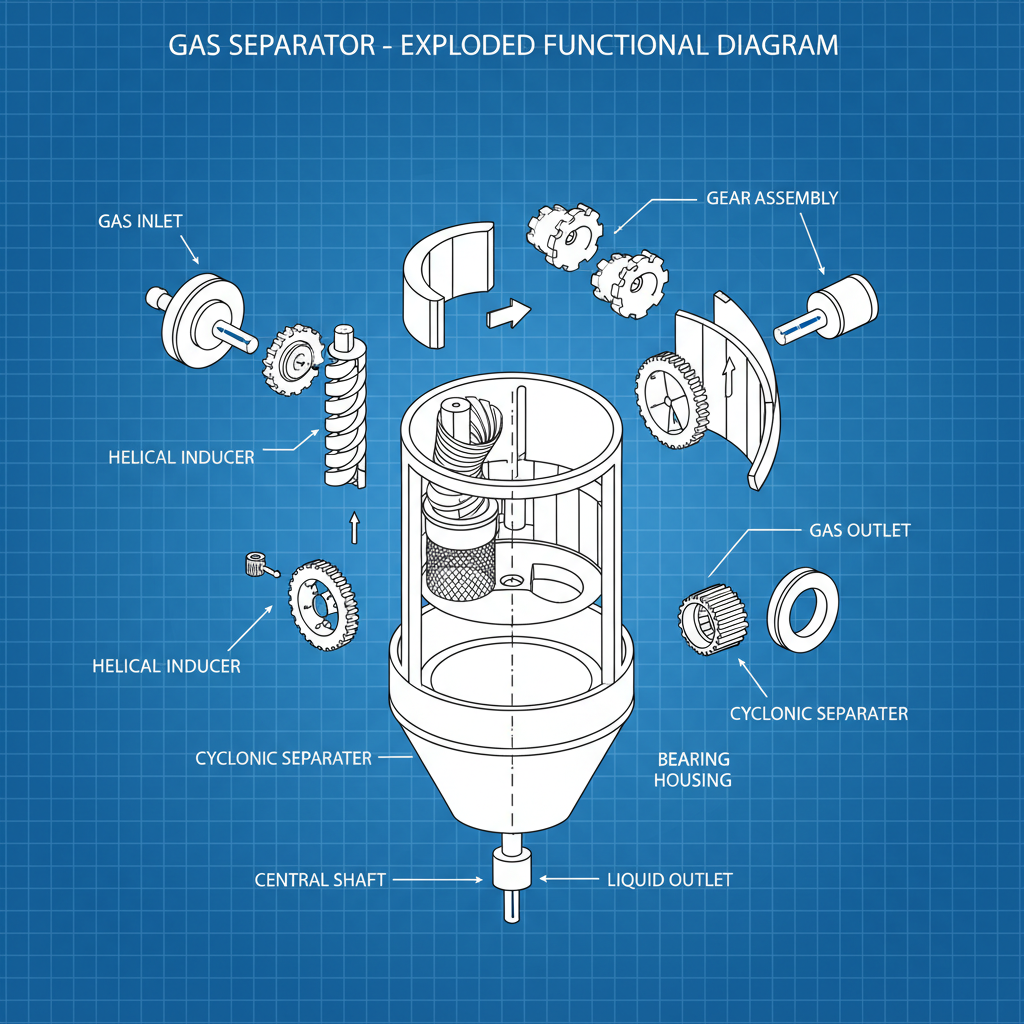
Gas Separator Specifications and Applications
Gas separators are available in a wide range of sizes and configurations to meet diverse industrial requirements. Common specifications include vessel volume, operating pressure, temperature range, and material of construction (typically carbon steel or stainless steel). Applications span numerous industries, including: oil and gas production, natural gas processing, petrochemical plants, chemical processing, wastewater treatment, and air compression systems.
Conclusion: Optimizing Processes with Effective Gas Separation
Effective gas separation is crucial for maintaining operational efficiency, protecting downstream equipment, and ensuring product quality. By understanding the principles behind how a gas separator works, selecting the appropriate separator type, and implementing proper maintenance practices, industries can optimize their processes and achieve significant cost savings. Gasouyinuo is dedicated to providing high-quality gas separation solutions tailored to your specific needs.
Frequently Asked Questions (FAQs)
What is the purpose of a mist eliminator in a gas separator?
A mist eliminator is a crucial component in a gas separator designed to remove tiny liquid droplets, or “mist,” that are carried over with the gas stream. It typically consists of a mesh pad or vane-type structure that forces the gas to change direction repeatedly. This causes the droplets to impinge on the surface of the eliminator, coalesce into larger droplets, and then drain back into the liquid phase. Without a mist eliminator, these droplets could damage downstream equipment, contaminate products, or cause corrosion. Effective mist elimination is essential for achieving a clean and dry gas stream.
How do you determine the correct size of a gas separator?
Determining the correct size of a gas separator involves several calculations based on the anticipated flow rates, gas-to-liquid ratio, fluid properties, and desired separation efficiency. Key factors considered include the vessel diameter, length, and liquid level control. Software simulations and industry standards (like those from API) are often used to perform these calculations. Undersizing a separator can lead to insufficient separation and carryover, while oversizing can increase capital costs. Consulting with a gas separation expert, like those at Gasouyinuo, is highly recommended.
What are common problems encountered with gas separators?
Common problems include foaming, liquid carryover, corrosion, and fouling. Foaming can reduce separation efficiency and cause liquid carryover. Corrosion can occur due to the presence of corrosive gases (like H2S or CO2) and can damage the separator vessel. Fouling, or the buildup of solids, can restrict flow and reduce efficiency. Regular inspection, maintenance, and the use of appropriate materials of construction can help prevent these issues. Implementing chemical injection programs to control foaming and corrosion is also a common practice.
How often should gas separator internals be inspected?
The frequency of inspection depends on the severity of the operating conditions and the type of fluids being processed. However, a general guideline is to perform a visual inspection of the internals (baffles, vanes, mist eliminator) at least annually, or more frequently if issues such as reduced efficiency or increased pressure drop are observed. Thorough inspection can identify corrosion, damage, or fouling, allowing for timely repairs or replacements. Regular maintenance extends the life of the separator and ensures optimal performance.
Latest news
-
Industrial Natural Gas Pressure Reducing Valve Guide and SelectionNewsApr.16,2026
-
Understanding the Industrial Regulating Valve for Fluid ControlNewsApr.09,2026
-
Understanding Gas Pressure Reducer Types Applications and Safety MeasuresNewsApr.07,2026
-
Understanding and Optimizing Gas Pressure Reducing Valve SystemsNewsApr.04,2026
-
Optimizing System Performance with the Right Filter Separator SelectionNewsMar.31,2026
-
Comprehensive Guide to Understanding and Utilizing Pressure Pipe SystemsNewsMar.28,2026