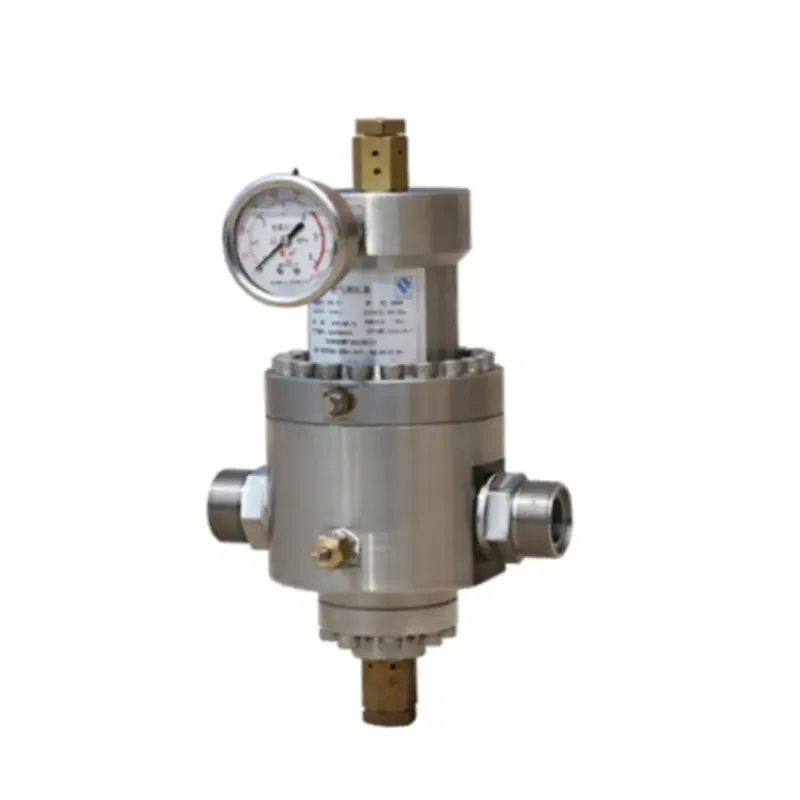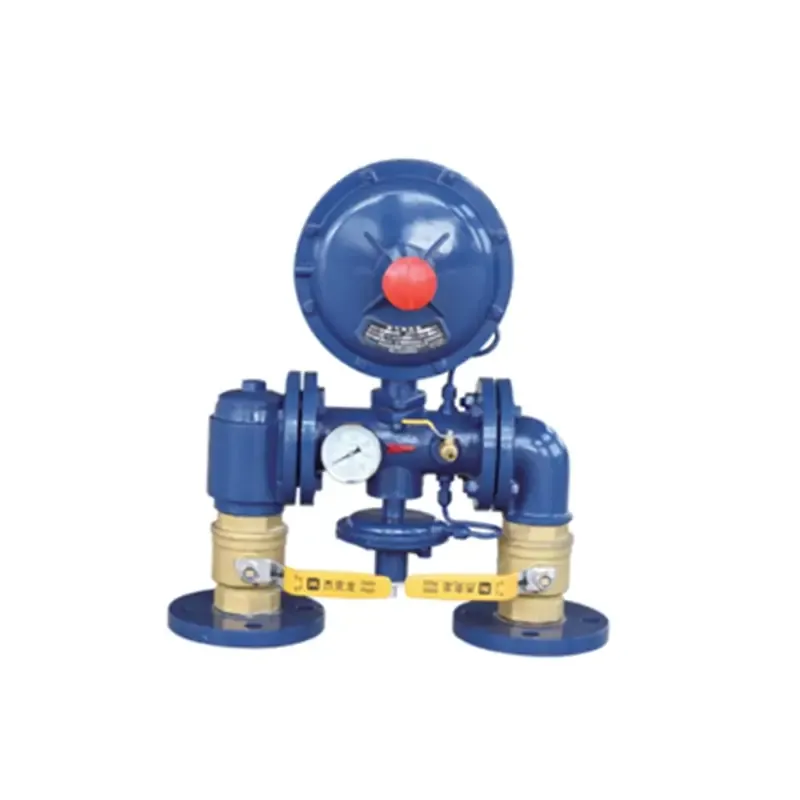
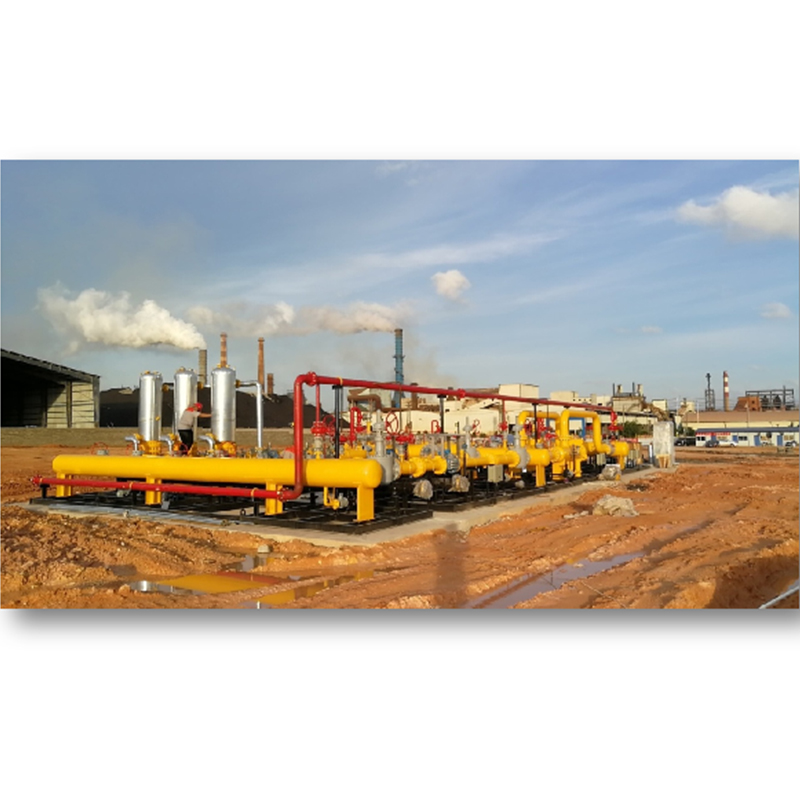
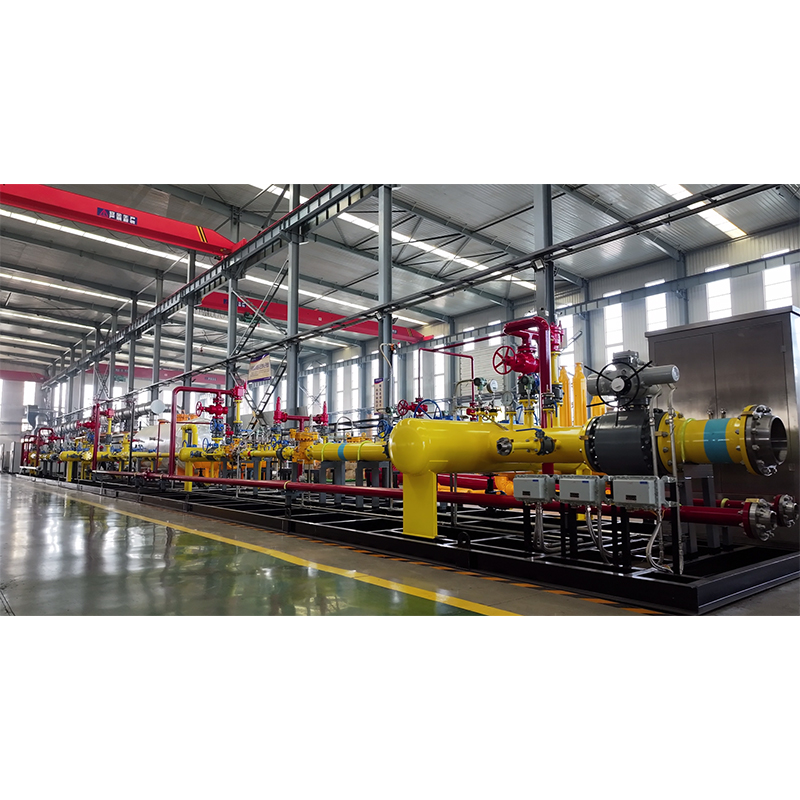
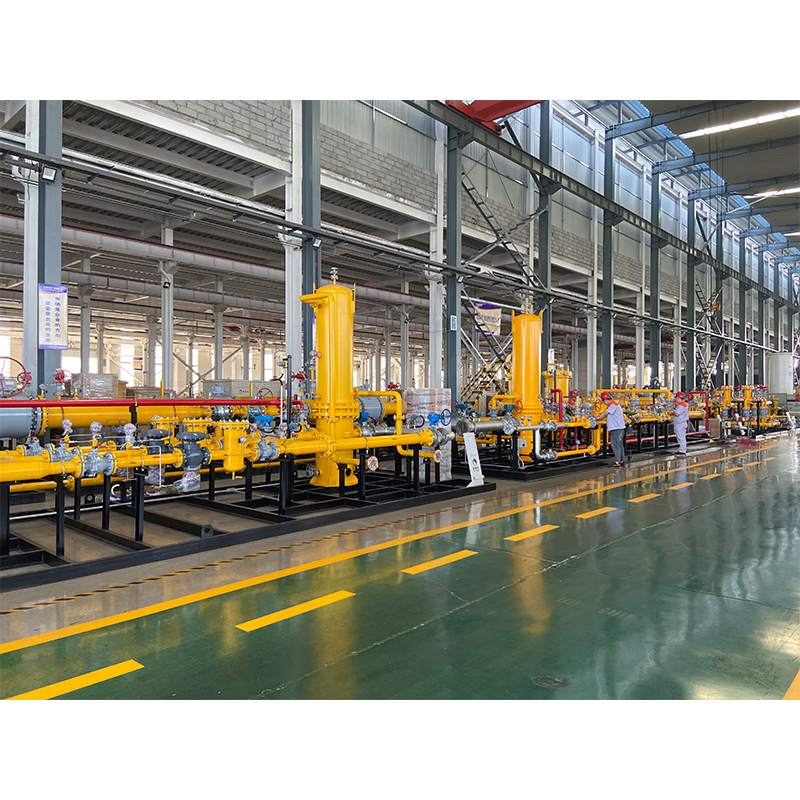
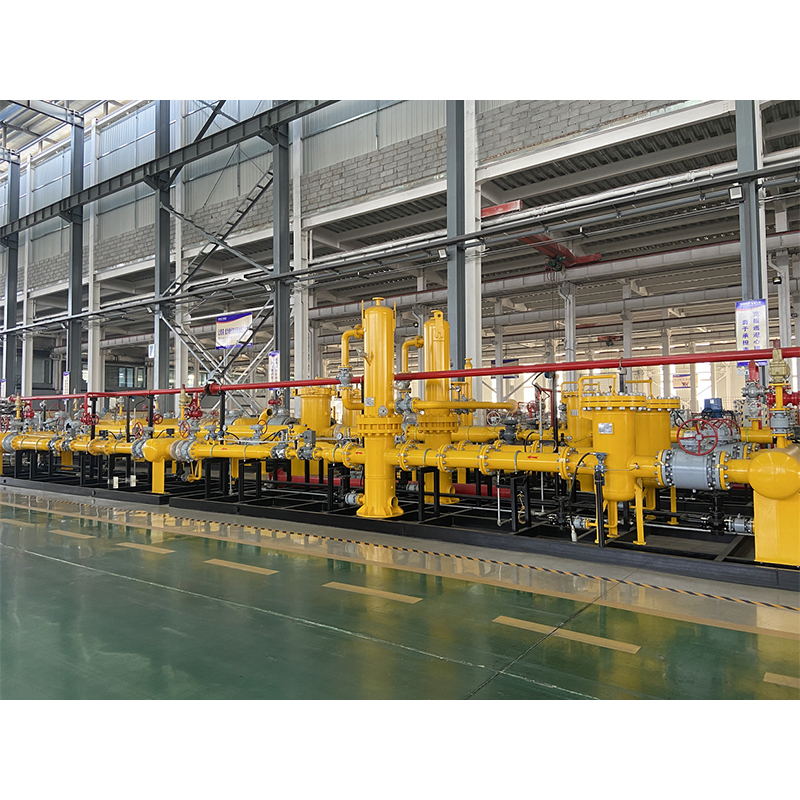
This series of pressure regulating stations is usually skid-mounted. Served as the key of supporting the gas long-distance transmission pipeline into the city pipe network, the equipment mainly applies to the branch station of the gas long-distance transmission pipeline as well as the downstream of the first station or the upstream of the city medium pressure network as the city gate station.
The pressure regulation and stabilization of the high-high and high-medium pressure gas networks of the gas distribution station, CNG station, etc. of the gas networks have functions such as purification, metering, pressure regulation, distribution and safety protection. The equipment can also be configured with gas alarm system, automatic control system and odorization system according to the user’ s requirements, and can also be configured with optional RTU unit and communication unit.
At the same time, the gate station is equipped with a smart gas multi-functional acquisition remote transmission terminal, which is used in the intelligent test center system, making full use of the SCADA data acquisition control system to conduct real-time detection of various remote transmission instruments in the pressure regulating station, and comprehensively conduct all data on the equipment. It collects, records, analyzes and automatically transmits and saves data. The data can be transmitted externally in real time. It can meet the functional requirements of the one-code traceability data collection terminal required by the gas company. It can also be equipped with an optional RTU unit and communication unit.
Applicable medium: Various gases
Temperature range: -40℃~+60℃
Allowable maximum inlet pressure :10MPa
Outlet pressure setting range:0.1-4.0MPa
Pressure regulation: Select a dual-path, three-path or multi-path structure as required.
Response time: ta ≤ 1s
Gas filtration: Gas-liquid separation, filter
Gas heating: Select electric heating
or hot water/steam heating as required.
Pressure regulation: Single-path, double-path ormulti-path
Overpressure protection: Monitoring, cutoff or release
Gas metering: Turbine metering, orifice metering or ultrasonic metering
Odorization system: Manual or automatic
Valve: Ball valve or butterfly valve (the action mode includes: manual, electric and pneumatic)
Remote control: Pressure regulator outlet pressure, control valve operation, cutoff valve operation and odorization data collection: Collect the field pressure, temperature, differential pressure, flow, gas component, equipment operation, etc. as required.
Communication mode: RS232/RS485/radio
What is a city gate station?
A city gate station is a critical facility in a natural gas distribution system that serves as the interface between a high-pressure transmission pipeline and the lower-pressure local distribution network that supplies homes, businesses, and industries. Its primary purpose is to safely reduce, measure, and regulate the pressure of natural gas before it enters the city’s gas distribution system. Without these stations, the high-pressure gas delivered from long-distance pipelines would be far too dangerous for residential or commercial use.
The station typically performs several key functions: pressure reduction, metering, odorization, and monitoring. High-pressure gas arrives from interstate or regional transmission pipelines, often at pressures exceeding 200–1,000 psi. At the city gate station, the gas pressure is reduced using pressure regulators to a medium or low pressure suitable for distribution within neighborhoods. Simultaneously, the gas flow is measured using flow meters to accurately account for consumption for billing and system management purposes.
Another important function is odorization. Natural gas is naturally odorless, so a strong-smelling additive, usually mercaptan, is injected at the city gate station to help detect leaks in the distribution network. Some stations also include filters, heaters, and safety valves to remove impurities, prevent freezing, and protect against overpressure.
City gate stations are staffed and equipped with monitoring systems to ensure safety and reliability. They are considered critical infrastructure because any failure can disrupt gas supply to thousands of customers. Safety features, such as automatic shut-off valves, pressure relief devices, and remote monitoring systems, are standard to prevent accidents.
In summary, a city gate station is the point where high-pressure natural gas from transmission pipelines is transformed into a safe, measurable, and usable form for local distribution. It combines pressure regulation, metering, odorization, and safety monitoring to ensure that gas reaches homes and businesses reliably, efficiently, and safely.
What is the city gas gate station?
A city gas gate station is a vital facility in urban natural gas distribution networks, acting as the interface between high-pressure transmission pipelines and the lower-pressure distribution systems that deliver gas to homes, businesses, and industries. Its main purpose is to reduce the high pressure of incoming natural gas, ensure safety, and prepare the gas for local consumption.
Natural gas transported through long-distance transmission pipelines typically arrives at pressures ranging from 200 psi to over 1,000 psi, which is far too high for safe use in residential or commercial settings. The city gas gate station lowers this pressure to medium or low levels, usually below 60 psi, using pressure regulators. This step ensures that the gas can flow safely through the city’s network of distribution pipelines without causing damage to equipment or posing safety hazards.
In addition to pressure reduction, city gas gate stations perform several other essential functions. They often include flow meters to measure the volume of gas entering the local network, providing accurate data for billing and system monitoring. Odorization is another critical function, as natural gas is odorless; stations add compounds such as mercaptan to help detect leaks easily. Many stations also incorporate filters, heaters, and safety devices to remove impurities, prevent freezing, and protect against sudden pressure surges.
Safety is a key aspect of city gas gate stations. They are equipped with automatic shut-off valves, pressure relief valves, and remote monitoring systems to detect and respond to any irregularities quickly. Skilled operators or automated systems monitor the facility continuously to maintain safe and reliable gas delivery.
In short, a city gas gate station is the point where high-pressure transmission gas is transformed into safe, regulated, and measurable gas suitable for urban distribution. By combining pressure regulation, metering, odorization, and safety controls, these stations ensure that natural gas reaches residential, commercial, and industrial users efficiently and safely.
City gate gas pipeline
A city gate gas pipeline is a crucial part of a natural gas distribution network that connects high-pressure transmission pipelines to a city’s local gas distribution system. It serves as the main conduit through which natural gas enters urban areas from long-distance transmission lines, making it an essential component for delivering gas safely and efficiently to homes, businesses, and industries.
The city gate pipeline is typically part of a medium- or high-pressure network and is designed to handle the significant pressures of incoming gas, often ranging from 200 psi to over 1,000 psi. Before the gas can enter local distribution lines, it passes through a city gate station, where pressure is reduced to safe levels suitable for residential or commercial use. The pipeline must be constructed from high-strength steel or corrosion-resistant materials to withstand the high pressures and ensure long-term reliability.
One key function of the city gate pipeline is to maintain a steady and reliable supply of gas to the urban distribution network. Flow rates are carefully controlled and monitored using valves and pressure sensors to ensure the gas reaches the gate station and subsequently the local system without interruptions or pressure surges. This monitoring is essential for safety, as fluctuations in pressure could damage infrastructure or cause hazards in downstream systems.
City gate pipelines also integrate safety features such as emergency shut-off valves and automatic monitoring systems. These mechanisms allow operators to quickly isolate sections of the pipeline in case of leaks, maintenance, or other emergencies. Additionally, gas entering the city gate pipeline may be treated or filtered to remove impurities that could damage downstream equipment or affect gas quality.
In summary, a city gate gas pipeline is the main supply line that brings high-pressure natural gas from transmission systems into urban areas. Working in conjunction with city gate stations, it ensures the gas is delivered safely, reliably, and efficiently for local distribution, while incorporating robust monitoring and safety measures to protect both infrastructure and the public.
gas pressure vessel
gas safety relief valve
pressure vessel
relief valve
relief valves
safety relief valve
Write your message here and send it to us
Products categories